


At a Glance
- The US Treasury Department has significantly expanded its sanctions against the Primeiro Comando da Capital (PCC), Brazil's most powerful organized crime group, by implementing secondary sanctions.
- This strategic escalation targets not only the PCC directly but also any foreign individuals or entities that provide material support, goods, or services to the cartel, regardless of their location.
- The move aims to severely cripple the PCC's extensive global drug trafficking operations, particularly its lucrative cocaine trade routes through the Amazon basin and onward to Europe and Africa.
- Secondary sanctions carry a potent threat: any entity found to be knowingly assisting the PCC risks being cut off from the US financial system, a powerful deterrent for international businesses and banks.
- This action underscores a broader US strategy to combat transnational organized crime by disrupting financial flows and supply chains, rather than solely focusing on interdiction.
- The PCC, with an estimated 40,000 members, controls vast criminal enterprises, including drug trafficking, arms smuggling, and money laundering, making it a formidable target for international law enforcement.
- The sanctions are expected to create significant compliance challenges for financial institutions and businesses worldwide, forcing them to enhance due diligence to avoid inadvertent dealings with sanctioned entities.
The Record
The US Treasury Department's Office of Foreign Assets Control (OFAC) has announced a significant expansion of its sanctions regime against the Primeiro Comando da Capital (PCC), Brazil's largest and most dangerous organized crime group. This latest action introduces secondary sanctions, a powerful tool designed to target not just the primary sanctioned entity, but also any foreign persons or entities that provide material support to them. This marks a substantial escalation in the US government's efforts to dismantle the PCC's vast criminal empire, which spans across South America, Africa, and Europe, primarily fueled by drug trafficking.
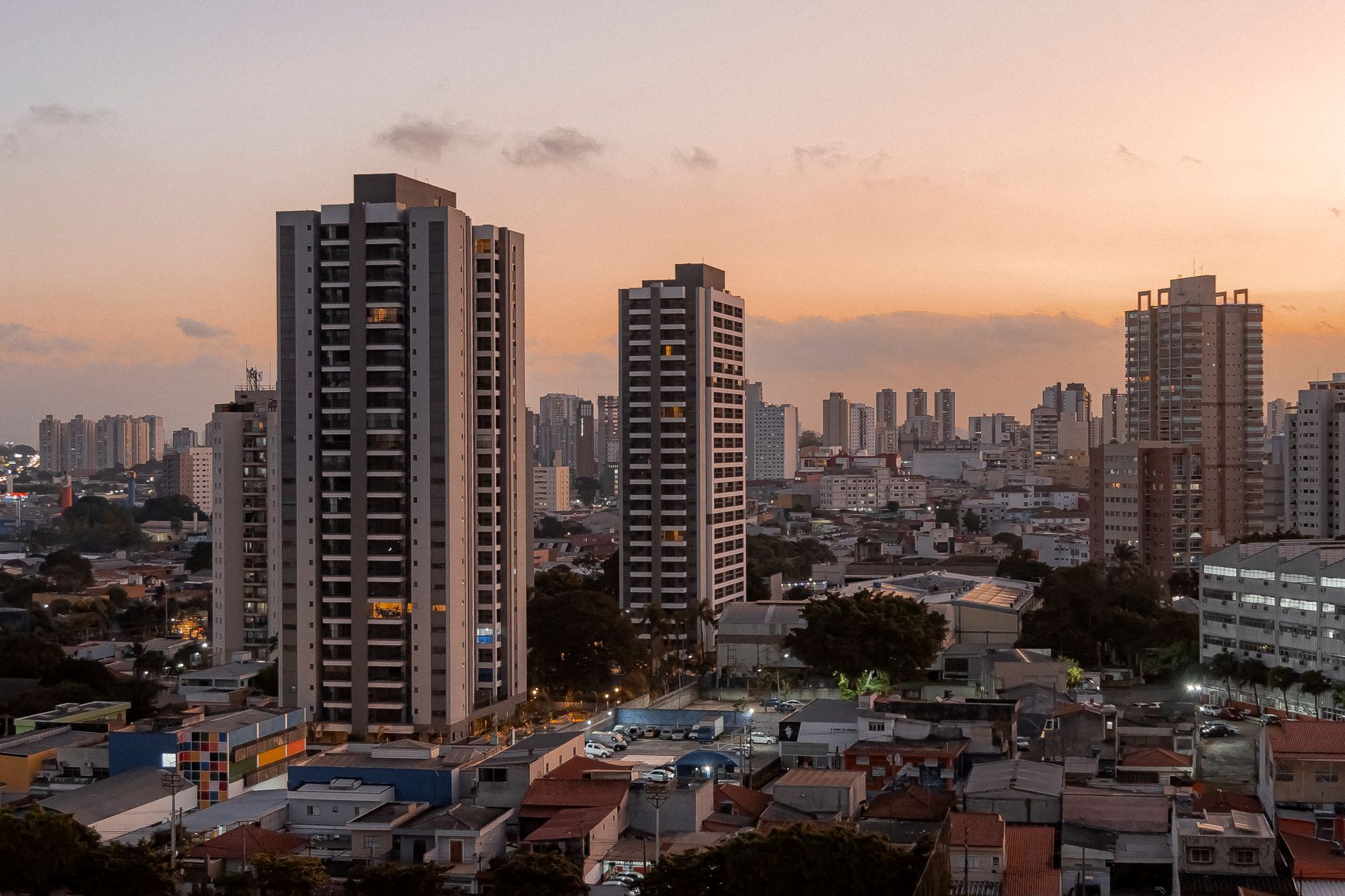
The PCC, often referred to as the First Command of the Capital, originated in São Paulo's prison system in the early 1990s and has since evolved into a sophisticated transnational criminal organization. Its operations include large-scale cocaine trafficking from production hubs in Bolivia, Peru, and Colombia, through Brazil, and onward to lucrative markets in Europe and Africa. The group also engages in arms trafficking, money laundering, and extortion, maintaining a tight grip on criminal activities within Brazil and extending its influence far beyond its borders. This expansion of sanctions directly addresses the group's international reach.
By imposing secondary sanctions, the US aims to isolate the PCC from the global financial system and disrupt its logistical networks. This means that any bank, company, or individual, regardless of their nationality or location, that knowingly facilitates transactions for or provides significant services to the PCC, risks being subjected to US sanctions themselves. Such a designation would effectively cut them off from the US financial system, making it incredibly difficult to conduct international business. This aggressive stance is a clear signal that the US is committed to choking off the financial lifelines of major criminal organizations.
Who Knew and When
The US government has been aware of the PCC's growing international footprint for several years, with intelligence reports consistently highlighting its expansion beyond Brazil's borders. Initial sanctions against the PCC were first imposed in December 2021, designating the group under Executive Order 13581 for its role in transnational organized crime. This initial step was a direct response to mounting evidence of the PCC's involvement in global cocaine supply chains and its increasing sophistication in money laundering operations across multiple continents.
Law enforcement agencies, including the DEA and FBI, have been collaborating with Brazilian counterparts for over a decade, sharing intelligence and conducting joint operations to counter the PCC's influence. These collaborations provided crucial insights into the group's operational structure, key facilitators, and financial networks, laying the groundwork for more comprehensive sanctions. The decision to escalate to secondary sanctions reflects a recognition that the PCC's illicit activities have become too pervasive to be addressed solely through direct targeting, necessitating a broader approach to deter its enablers.
The timing of these secondary sanctions suggests a strategic response to the PCC's continued resilience and adaptability in circumventing previous enforcement efforts. Despite earlier designations, the group has demonstrated an alarming capacity to maintain its drug trafficking routes and financial flows, often leveraging intermediaries and shell companies in various jurisdictions. This latest action indicates that US authorities believe a more aggressive, far-reaching approach is essential to truly disrupt the PCC's global criminal enterprise and send an unequivocal message to those who might consider aiding them.
Voices from the Ground
In the favelas of São Paulo, where the PCC often exerts a shadowy form of control, residents express a mix of fear and resignation. "The sanctions might make things harder for them at the top, but down here, nothing really changes," said Maria, a small shop owner in a PCC-dominated neighborhood. "The drugs still flow, the violence is still there. We just hope it doesn't make them more desperate and bring more conflict to our streets." Her sentiment highlights the deep-seated challenges of eradicating criminal influence at the community level, where the PCC often provides a perverse form of social order and economic opportunity, however illicit.
Brazilian law enforcement officials, while cautiously optimistic, emphasize the need for sustained international cooperation. "These US sanctions are a powerful tool, but they are not a silver bullet," stated a high-ranking federal police officer, who requested anonymity due to the sensitivity of his work. "We need continued intelligence sharing, joint operations, and a commitment from all countries to dismantle the PCC's networks. Their reach is truly global, and a fragmented response will only allow them to adapt and find new routes." This perspective underscores the complexity of combating a highly adaptive transnational criminal organization.
Human rights advocates, working in regions heavily impacted by the PCC's activities, voice concerns about potential unintended consequences. "While we support efforts to curb organized crime, we must ensure these sanctions do not inadvertently harm legitimate businesses or vulnerable populations," commented a representative from a local NGO. "There's a risk that increased pressure could lead to greater instability in border regions, or that legitimate financial transactions could be unduly scrutinized, impacting remittances or small businesses in affected areas." This critical viewpoint highlights the delicate balance between effective enforcement and preventing collateral damage to innocent civilians and economies.
The Debate
The implementation of secondary sanctions against the PCC has ignited a robust debate among policy experts and international relations scholars. Proponents argue that such aggressive financial measures are absolutely essential to effectively combat sophisticated transnational criminal organizations that operate beyond the reach of traditional law enforcement. They contend that by targeting the facilitators and financial enablers, the US can inflict significant economic pain on the PCC, disrupting its ability to fund its operations, acquire weapons, and bribe officials. This approach, they believe, is a necessary evolution in the fight against global illicit networks, moving beyond mere interdiction to strike at the very heart of their financial viability.
Conversely, critics raise valid concerns about the potential for overreach and unintended consequences. They argue that secondary sanctions can create significant compliance burdens for legitimate businesses and financial institutions worldwide, potentially leading to de-risking practices where banks indiscriminately cut ties with entire regions or sectors to avoid any perceived risk. This could inadvertently harm legitimate trade, investment, and humanitarian efforts in countries already struggling with economic instability. Furthermore, some experts question the long-term effectiveness, suggesting that criminal organizations are highly adaptable and may simply find new, less transparent channels for their illicit financial flows, pushing them further underground.
Another facet of the debate centers on sovereignty and international cooperation. While Brazil has largely welcomed US efforts to combat the PCC, the extraterritorial nature of secondary sanctions can sometimes strain diplomatic relations, as they compel foreign entities to adhere to US law. Balancing the need for assertive action against transnational threats with respect for national sovereignty and fostering genuine, collaborative partnerships remains a critical challenge. The success of these sanctions will ultimately depend not just on their immediate impact, but on the ability of the US to maintain strong alliances and ensure that the global community is united in isolating the PCC.

Your Questions Answered
What Accountability Looks Like
Accountability for the PCC and its enablers will be measured by several key indicators following the implementation of these secondary sanctions. Primarily, success will be seen in the demonstrable disruption of the group's financial flows and its ability to move illicit narcotics. This includes a measurable decrease in the volume of cocaine trafficked through PCC-controlled routes, a reduction in the group's access to international banking systems, and the freezing of assets belonging to key facilitators. The goal is to make it economically unviable for the PCC to sustain its current level of global operations, forcing a significant contraction of its criminal enterprise.
Beyond financial metrics, accountability also extends to the prosecution and imprisonment of individuals and entities that knowingly aid the PCC. This means not only targeting the cartel's leadership but also pursuing those who provide logistical support, money laundering services, or corrupt official assistance. The effectiveness of secondary sanctions will be underscored by cases where foreign banks or businesses are penalized for their dealings with the PCC, sending a clear deterrent message across the global financial landscape. Such enforcement actions will demonstrate the serious consequences of enabling transnational organized crime.
Ultimately, true accountability will manifest in a tangible improvement in security and governance in regions heavily impacted by the PCC's activities. This includes a reduction in gang-related violence, a weakening of the PCC's influence in prisons and favelas, and an increase in the capacity of local law enforcement to operate without fear of corruption or intimidation. While sanctions are a powerful tool, they are part of a broader strategy that must include robust domestic law enforcement, judicial reform, and social programs to address the root causes of criminal recruitment. Only through this multi-faceted approach can lasting accountability be achieved.













Comments
No comments yet. Be the first to comment!