
The Story in Brief
- Multiple active conflicts across the globe are intensifying, leading to unprecedented humanitarian crises and significant geopolitical instability, demanding immediate international attention and coordinated responses.
- Civilian populations bear the brunt of these hostilities, facing displacement, food insecurity, and widespread violence, with millions forced to abandon their homes and livelihoods in search of safety.
- Geopolitical tensions are escalating, drawing in regional and global powers, and creating complex proxy battlegrounds that threaten to destabilize entire regions and disrupt international relations.
- Economic repercussions are far-reaching, impacting global supply chains, energy markets, and commodity prices, contributing to inflation and economic uncertainty worldwide.
- International efforts for mediation and peacekeeping are frequently stymied by entrenched positions and a lack of consensus among key actors, making diplomatic breakthroughs increasingly challenging.
- The proliferation of advanced weaponry and the involvement of non-state actors are complicating conflict dynamics, making traditional resolution mechanisms less effective and prolonging hostilities.
The Human Face
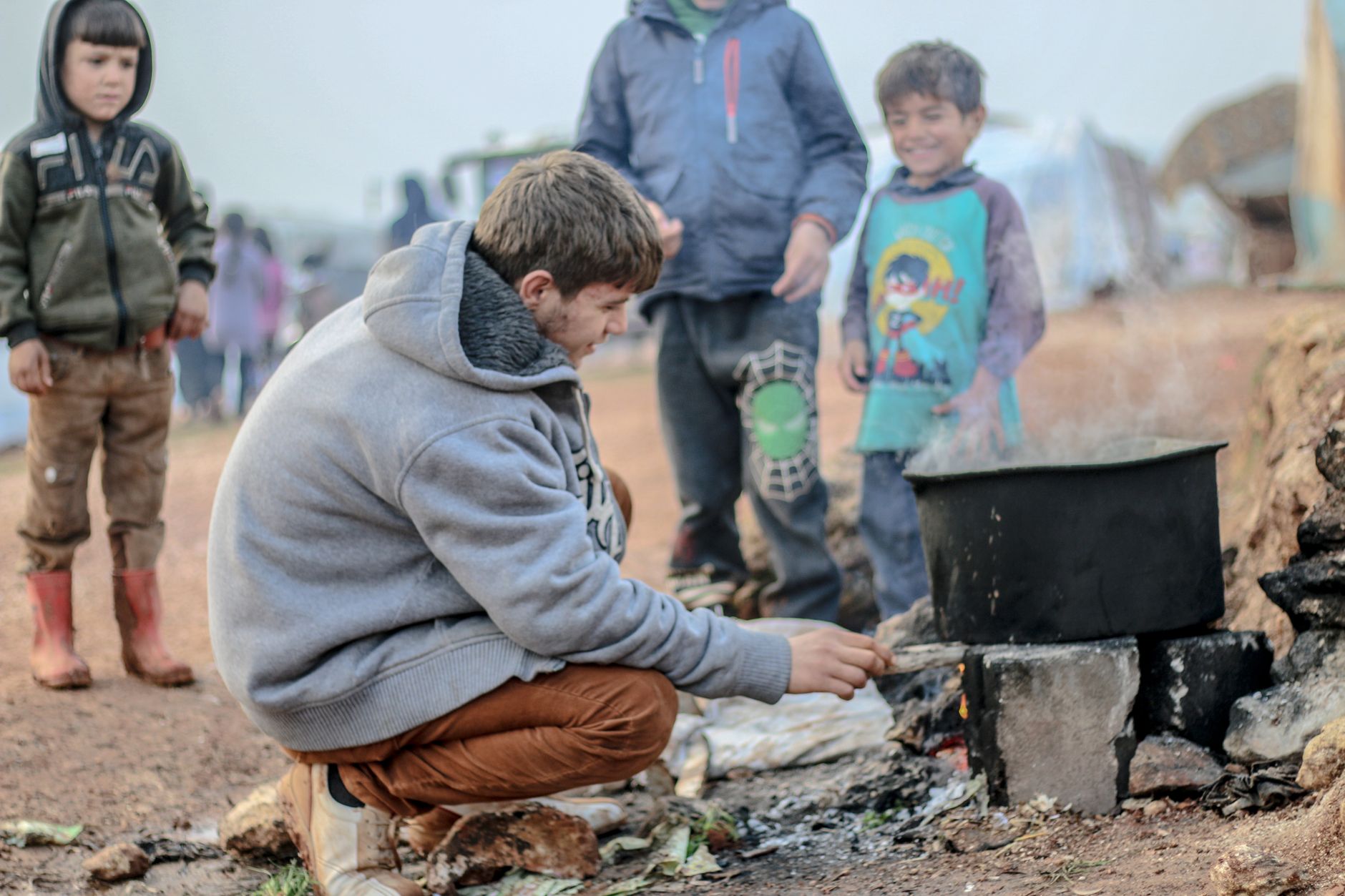
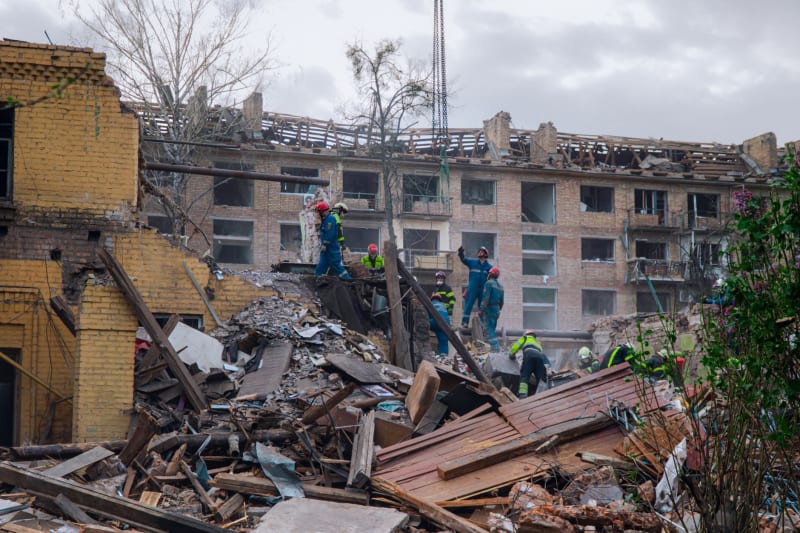
The true cost of war is always measured in human lives and shattered futures. Across active conflict zones, millions of ordinary people find their lives irrevocably altered, often with little warning. Families are torn apart, homes are reduced to rubble, and the basic necessities of life—food, water, shelter, and medical care—become scarce commodities. Children, in particular, are disproportionately affected, losing access to education, suffering from trauma, and facing recruitment into armed groups, a devastating cycle that perpetuates poverty and instability for generations.
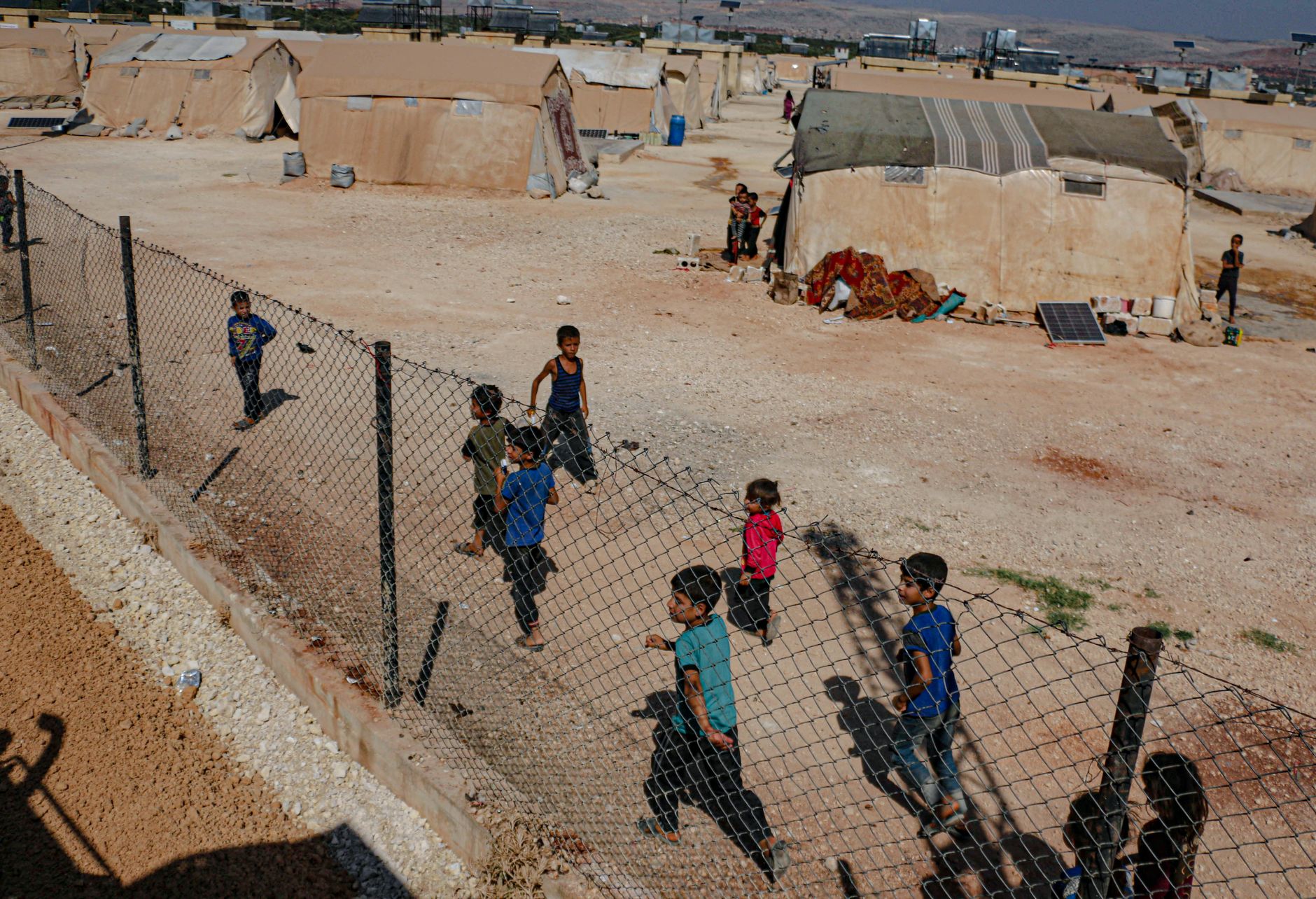
The sheer scale of displacement is staggering. According to recent reports, over 100 million people worldwide are currently forcibly displaced, a record high. This exodus creates immense pressure on neighboring countries and international aid organizations, who struggle to provide adequate support and protection. Refugee camps, often overcrowded and under-resourced, become temporary homes for years, sometimes decades, where hope dwindles amidst the harsh realities of survival. The psychological scars of war run deep, manifesting as PTSD, depression, and anxiety among survivors, requiring long-term mental health support that is rarely available in crisis zones.
Beyond the immediate dangers of combat, civilians face a myriad of threats, including starvation, disease, and sexual violence, often used as a weapon of war. Access to humanitarian aid is frequently obstructed by warring factions, turning food and medicine into strategic tools rather than basic human rights. The international community's capacity to respond is constantly tested, highlighting the urgent need for sustained funding, secure access for aid workers, and robust protection mechanisms for those caught in the crossfire. Ignoring these human tragedies is not an option; collective action is imperative to alleviate suffering and uphold fundamental human dignity.
How We Got Here
The current landscape of global conflict is a complex tapestry woven from historical grievances, geopolitical rivalries, and internal power struggles. Many contemporary conflicts have deep roots in colonial legacies, arbitrary border demarcations, and unresolved ethnic or religious tensions that have simmered for decades, only to erupt under specific catalysts. Economic disparities, resource scarcity—especially water and arable land—and the destabilizing effects of climate change also act as significant accelerants, pushing vulnerable populations into desperate circumstances and fueling competition over dwindling resources.
The post-Cold War era, once heralded as a period of reduced global tension, has instead seen the rise of asymmetric warfare, the proliferation of non-state armed groups, and a resurgence of great power competition. The breakdown of international norms and institutions, coupled with a growing skepticism towards multilateralism, has created a vacuum where regional powers and external actors can more easily intervene, often exacerbating existing conflicts or igniting new ones. The Syrian civil war, for instance, began as an internal uprising but quickly became a proxy battleground for numerous international players, demonstrating the interconnectedness and complexity of modern warfare.
Furthermore, the rapid spread of misinformation and propaganda, often amplified by social media, plays a critical role in polarizing societies and entrenching divisions, making reconciliation efforts exceedingly difficult. The erosion of trust in traditional media and institutions allows narratives that demonize 'the other' to flourish, justifying violence and hindering peaceful dialogue. Understanding this intricate web of historical, political, economic, and informational factors is crucial to comprehending why these conflicts persist and how they might eventually be resolved, demanding a multi-faceted approach that addresses both immediate symptoms and underlying causes.
Why This Cannot Be Ignored
Ignoring the escalating global conflicts is not merely an ethical oversight; it poses a direct and tangible threat to international peace and security, impacting every nation regardless of its geographical distance from the conflict zones. The ripple effects are profound and far-reaching, extending beyond immediate humanitarian crises to destabilize global economies, fuel mass migrations, and create fertile ground for extremism. When regions descend into chaos, the vacuum created often allows terrorist organizations and criminal networks to thrive, posing a direct security risk to countries worldwide through the spread of radical ideologies and illicit trade.
Economically, the consequences are stark. Disruptions to vital shipping lanes, energy supplies, and agricultural production in conflict-affected regions lead to global price spikes, inflation, and supply chain vulnerabilities. For instance, conflicts in key oil-producing regions can send shockwaves through international energy markets, affecting everything from transportation costs to manufacturing prices globally. Furthermore, the immense financial burden of humanitarian aid and refugee support places significant strain on national budgets and international development funds, diverting resources that could otherwise be invested in sustainable development and poverty reduction.
Moreover, the erosion of international law and humanitarian principles in conflict zones undermines the very foundations of the global order. When war crimes go unpunished and civilian protections are disregarded, it sets a dangerous precedent that emboldens aggressors and weakens the collective commitment to human rights. The long-term implications include a more fractured and volatile world, where trust between nations diminishes, and the prospect of larger, more devastating conflicts becomes a chilling reality. Therefore, active engagement and robust diplomatic efforts are not optional; they are essential for safeguarding our shared future and preventing a descent into wider global instability.
Possible Paths Forward
Addressing the current global conflicts requires a multi-pronged, sophisticated approach that moves beyond reactive measures to proactive engagement. A critical path forward involves strengthening international diplomatic frameworks and empowering multilateral organizations like the UN to play a more decisive role in mediation and peacekeeping. This includes providing these bodies with the necessary resources and political backing to enforce ceasefires, protect civilians, and facilitate dialogue between warring parties. Renewed commitment to international law and accountability for war crimes is also paramount to deter future atrocities and rebuild trust.
Another vital strategy is to tackle the root causes of conflict, which often lie in economic inequality, political marginalization, and climate vulnerability. Investing in sustainable development, promoting inclusive governance, and fostering economic opportunities in fragile states can significantly reduce the likelihood of conflict eruption. This requires long-term commitment from donor nations and international financial institutions, focusing on building resilient societies rather than merely providing short-term aid. Education and youth empowerment programs are particularly crucial in offering alternatives to violence and extremism, fostering a generation committed to peace.
Finally, innovative approaches to conflict resolution, including track-two diplomacy and leveraging technology for peacebuilding, must be explored. Engaging civil society organizations, local leaders, and affected communities directly in peace processes can ensure that solutions are context-specific and sustainable. Furthermore, combating misinformation and promoting media literacy can help de-escalate tensions and create an environment conducive to dialogue. While no single solution exists, a concerted, collaborative effort across all levels—local, national, and international—is essential to navigate these complex challenges and forge a path towards lasting peace.
Questions People Are Actually Asking
What to Watch
- Monitor the evolving diplomatic efforts and ceasefire negotiations in key conflict zones, as breakthroughs or breakdowns in these talks will significantly influence the trajectory of hostilities and humanitarian access.
- Observe the patterns of civilian displacement and humanitarian aid flows, as these indicators will reveal the true scale of human suffering and the effectiveness of international relief operations in reaching those most in need.
- Track the involvement and rhetoric of major global powers and regional actors, as their shifting alliances, military support, or economic sanctions can either escalate or de-escalate tensions and reshape the geopolitical landscape.
- Keep an eye on the economic repercussions, particularly global commodity prices and supply chain disruptions, which will indicate the broader impact of conflicts on international markets and the cost of living worldwide.
- Follow reports on human rights violations and accountability mechanisms, as the pursuit of justice for atrocities committed during conflicts is crucial for long-term reconciliation and preventing future abuses.
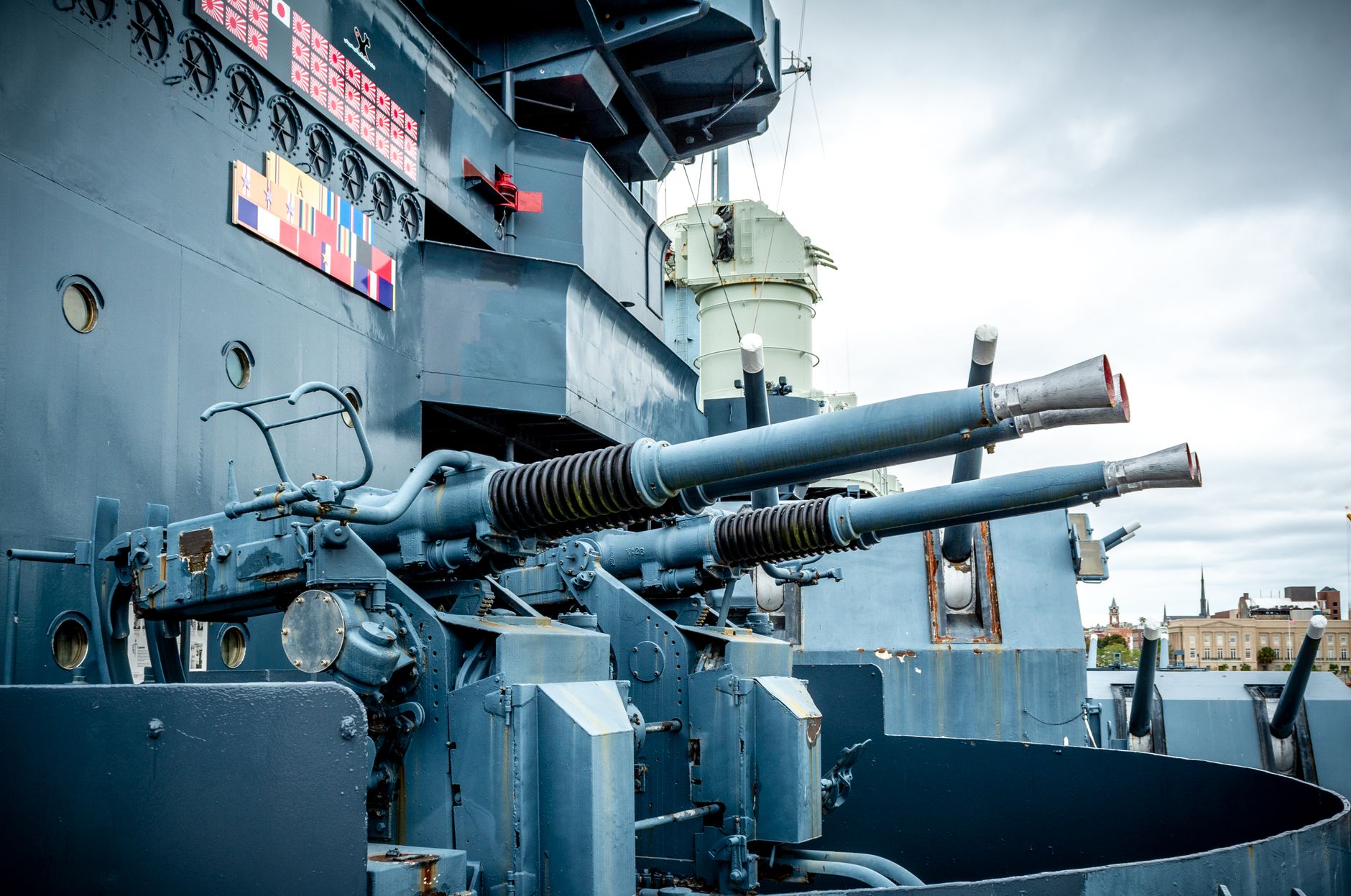
- Watch for the emergence of new technologies in warfare and their implications for civilian protection and conflict dynamics, as advancements in weaponry and information warfare continue to reshape modern battlefields.











Comments
No comments yet. Be the first to comment!