
Key Takeaways
- The Trump administration is actively considering rescinding Syria's designation as a state sponsor of terrorism, a move that would fundamentally alter U.S. foreign policy towards Damascus.
- This potential revocation could unlock significant economic aid and reconstruction funds for Syria, potentially easing humanitarian crises but also empowering the Assad regime.
- The decision carries immense geopolitical weight, potentially signaling a shift in U.S. engagement in the Middle East and impacting regional alliances and power dynamics.
- Critics argue that removing the designation would legitimize the Assad regime, which has been accused of heinous war crimes and human rights abuses, undermining international justice efforts.
- Proponents suggest that lifting sanctions could facilitate a more stable and less extremist Syria, allowing for reconstruction and potentially mitigating the conditions that foster radicalization.
- The move would face considerable resistance from Congress and human rights organizations, who view the Assad government as an illegitimate and brutal actor undeserving of international rehabilitation.
Background
Syria has been on the U.S. list of State Sponsors of Terrorism since 1979, a designation rooted in its historical support for various militant groups deemed terrorist organizations by Washington. This enduring classification has imposed stringent sanctions, effectively isolating the Syrian regime from the international financial system and severely limiting its access to foreign aid and trade. The designation is not merely symbolic; it triggers a cascade of legal and economic restrictions, including prohibitions on U.S. foreign assistance, defense exports, and certain financial transactions, all designed to pressure the regime into abandoning its support for terrorism.
The rationale behind Syria's initial inclusion on this list was multifaceted, primarily citing its support for groups like Hezbollah and various Palestinian factions. Over the decades, while the specific groups and geopolitical landscape have evolved, the core accusation of state-sponsored terrorism has remained a cornerstone of U.S. policy towards Damascus. This long-standing policy reflects a consistent U.S. stance that the Assad regime, both under Hafez al-Assad and his son Bashar al-Assad, has actively engaged in or supported acts of international terrorism, thereby posing a significant threat to regional and global security.
The Syrian civil war, which erupted in 2011, further complicated this designation. While the Assad regime fought against various opposition groups, some of which were also designated terrorist organizations by the U.S., its own actions, including the alleged use of chemical weapons and widespread human rights abuses, have only solidified its pariah status in the eyes of many international observers. The potential revocation of this designation now, amidst ongoing instability and a humanitarian catastrophe, represents a dramatic re-evaluation of decades of U.S. policy and could signal a profound shift in how the international community views and engages with the Syrian government.
Why It Matters
Revoking Syria's designation as a state sponsor of terrorism would unleash a torrent of profound geopolitical and humanitarian consequences, reshaping the very fabric of the Middle East. Economically, it would immediately lift a significant portion of the crippling sanctions that have suffocated the Syrian economy for decades. This could pave the way for international aid, foreign investment, and reconstruction efforts, potentially alleviating the dire humanitarian crisis and allowing millions of displaced Syrians to consider returning home. However, it also risks inadvertently strengthening the Assad regime, providing it with the resources and legitimacy it desperately seeks without demanding accountability for past atrocities.
From a diplomatic perspective, such a move would send a clear, albeit controversial, signal to the international community. It could be interpreted as a de facto recognition of the Assad government, potentially encouraging other nations to re-establish diplomatic ties and normalize relations. This would be a significant victory for Damascus and its allies, particularly Russia and Iran, who have long advocated for the regime's rehabilitation. Conversely, it would be a devastating blow to opposition groups and human rights advocates who have tirelessly worked to isolate and hold the regime accountable for its actions during the civil war.
Furthermore, the implications for regional stability are immense. The designation has long been a tool for the U.S. to exert pressure and signal its disapproval of Syria's regional actions, particularly its ties to Iran and Hezbollah. Removing it could be perceived as a weakening of U.S. resolve against these actors, potentially emboldening them and altering the delicate balance of power in the Levant. This decision is not merely about Syria; it is about the broader U.S. strategy in the Middle East, its commitment to human rights, and its willingness to engage with regimes that have committed egregious violations.
Ground Reality
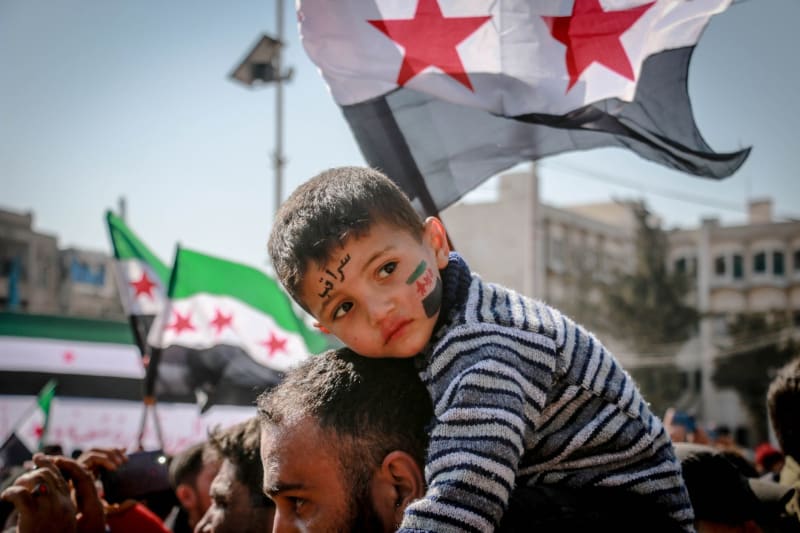
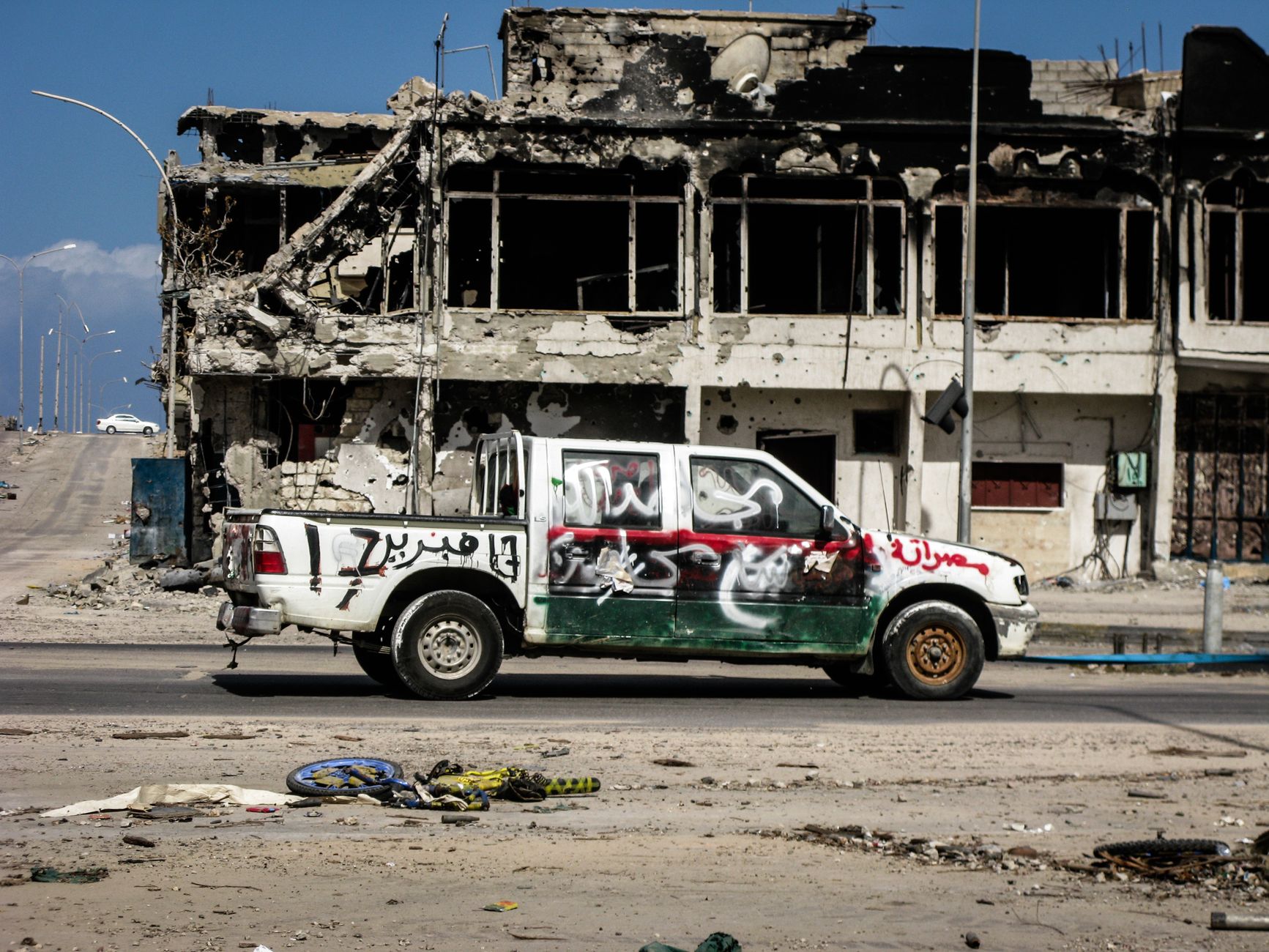
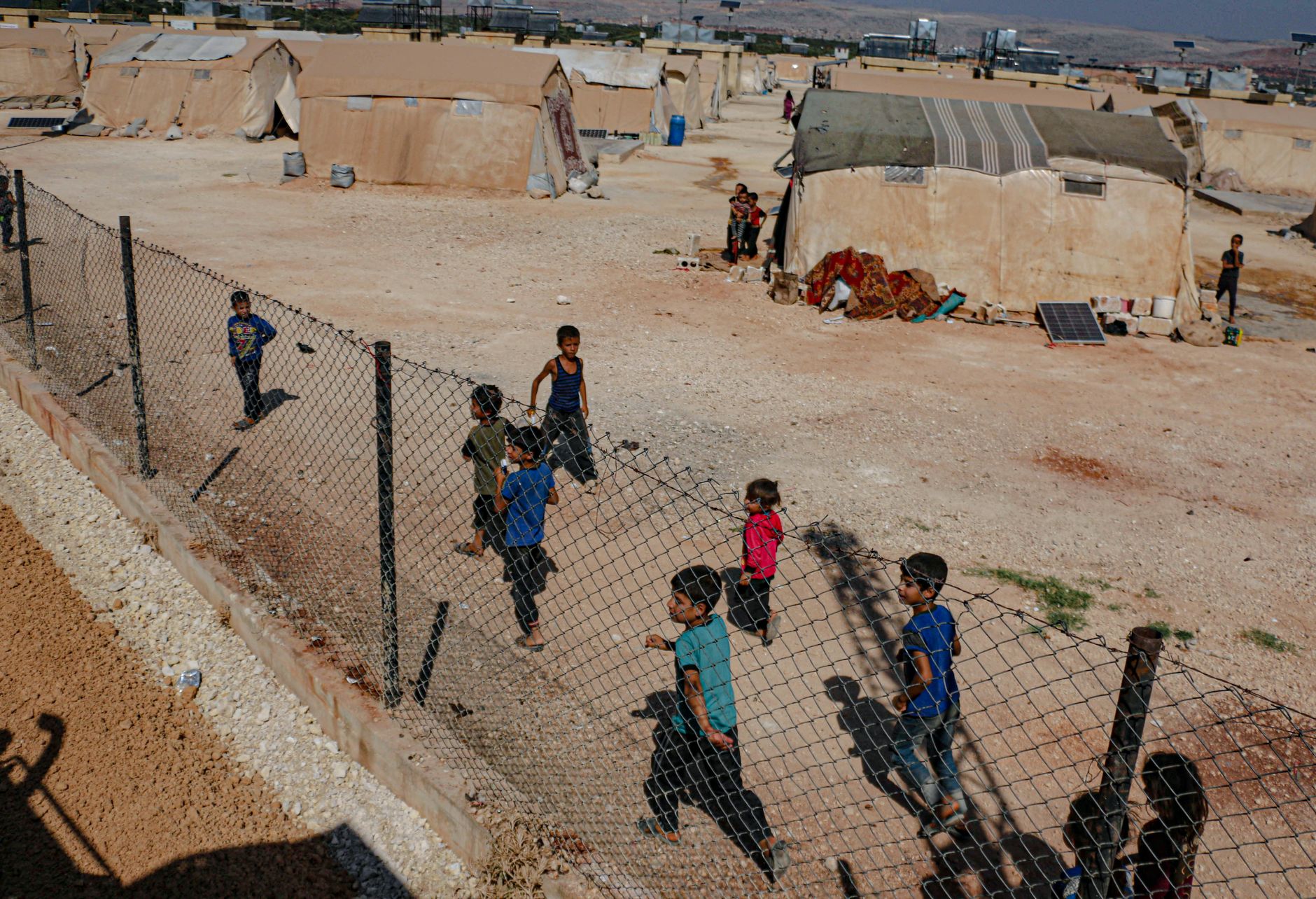
The ground reality in Syria remains devastatingly complex and deeply fractured, despite the Assad regime's consolidation of power over much of the country. Millions of Syrians remain internally displaced or live as refugees in neighboring countries, their homes and livelihoods destroyed by years of conflict. Infrastructure lies in ruins, essential services are severely lacking, and widespread poverty is endemic. The humanitarian crisis is profound, with countless individuals reliant on international aid for survival. The potential lifting of sanctions, while offering a glimmer of hope for reconstruction, also raises serious concerns about how any influx of resources would be managed and distributed, given the regime's track record of corruption and diversion.
Beyond the humanitarian catastrophe, the political landscape is far from resolved. While the major fighting has subsided in many areas, pockets of resistance and extremist groups persist, particularly in the northwest. The country remains effectively partitioned, with various foreign powers maintaining military presences and spheres of influence. Turkish forces occupy parts of the north, while U.S. troops are stationed in the east, ostensibly to counter ISIS and protect Kurdish allies. Russian and Iranian forces continue to bolster the Assad regime, further complicating any unified approach to Syria's future and ensuring that the conflict's underlying tensions are far from extinguished.
Moreover, the human rights situation in regime-controlled areas remains a grave concern. Reports from international organizations consistently detail ongoing arbitrary arrests, torture, and enforced disappearances. The prospect of normalizing relations with a regime responsible for such widespread abuses without significant accountability measures is deeply troubling to many. Any move to remove the terrorism designation would inevitably be viewed through the lens of these ongoing violations, raising questions about the international community's commitment to justice and the protection of civilian populations. The ethical implications of such a decision cannot be overstated, as it could be perceived as a tacit endorsement of the regime's brutal tactics.
What Experts Are Saying
Many foreign policy experts are expressing deep skepticism and alarm regarding the potential revocation of Syria's state sponsor of terrorism designation. Dr. Elizabeth Zelin, a senior fellow at the Washington Institute for Near East Policy, argues that such a move would be a "strategic blunder," effectively legitimizing a regime that has not ceased its brutal tactics against its own people and continues to maintain strong ties with designated terrorist organizations like Hezbollah. She emphasizes that removing the designation without significant, verifiable changes in Syrian behavior would undermine U.S. credibility and global efforts to combat terrorism, sending a dangerous message that egregious human rights violations can be overlooked for political expediency.
Conversely, a smaller contingent of analysts, often those advocating for a more pragmatic engagement, suggest that the designation has outlived its utility and is counterproductive to achieving stability. Dr. Joshua Landis, a prominent Syria expert and director of the Center for Middle East Studies at the University of Oklahoma, has previously posited that maintaining the designation only isolates Syria further, hindering reconstruction and inadvertently fostering conditions ripe for extremism. He suggests that a calibrated lifting of sanctions, tied to specific reforms, could offer a pathway to a more stable Syria, even if it means engaging with the current regime. However, even these proponents acknowledge the immense political and ethical challenges involved.
Human rights organizations, such as Human Rights Watch and Amnesty International, are unequivocally condemning any consideration of lifting the designation. They stress that the Assad regime's consistent pattern of war crimes, including the use of chemical weapons and systematic torture, disqualifies it from any form of international rehabilitation. These groups argue that removing the designation would betray the victims of the Syrian conflict and set a perilous precedent, signaling that accountability for mass atrocities can be sidestepped. They advocate for maintaining maximum pressure on the regime until genuine political transition and justice mechanisms are firmly in place, ensuring that any reconstruction efforts directly benefit the Syrian people, not the regime's coffers.

Frequently Asked Questions
What Happens Next
The path forward for the Trump administration regarding Syria's terrorism designation is fraught with political and diplomatic challenges. Should the administration decide to proceed with revocation, it would likely face immediate and intense backlash from a bipartisan coalition in Congress, as well as from human rights organizations and key international allies. This opposition could manifest in legislative efforts to block the move or impose new, equally stringent sanctions, effectively negating the intended impact. The administration would need to present a compelling justification, outlining how such a decision aligns with U.S. national security interests and promotes stability in the region, a task that many observers believe would be exceedingly difficult given the current realities in Syria.
Internationally, a revocation would send shockwaves through the diplomatic community. While Russia and Iran would undoubtedly welcome the move as a validation of their support for Assad, European allies and Arab nations that have been critical of the Syrian regime would likely express strong disapproval. This could further strain transatlantic relations and complicate efforts to forge a unified international approach to the Syrian crisis. The decision would also inevitably raise questions about the U.S.'s commitment to accountability for war crimes and its broader human rights agenda, potentially undermining its moral authority on the global stage.
Ultimately, the long-term implications of such a policy shift are highly uncertain. While proponents might hope for a pathway to reconstruction and stability, critics fear it could embolden the Assad regime, entrench its power, and prolong the suffering of the Syrian people by removing a crucial lever of international pressure. The decision would not only redefine the U.S.'s relationship with Syria but also set a precedent for how the U.S. engages with other problematic regimes, potentially altering the landscape of international diplomacy and human rights advocacy for years to come. The world watches to see if pragmatism or principle will ultimately prevail in this critical foreign policy decision.













Comments
No comments yet. Be the first to comment!