

The Numbers
- Oil prices have surged by an alarming 15% in the last 48 hours, reaching unprecedented levels not seen since the 2008 financial crisis, directly impacting global markets and consumer costs.
- Shipping insurance premiums for vessels transiting the Strait of Hormuz have skyrocketed by over 300%, making maritime trade significantly more expensive and riskier for all involved parties.
- Approximately 30% of global seaborne oil passes through the Strait of Hormuz daily, underscoring its critical importance to international energy security and the potential for severe disruption.
- The UAE stock market experienced a sharp decline of 8% in early trading, reflecting investor anxiety and a significant loss of confidence in regional stability amidst escalating tensions.
- Over 100,000 expatriates have reportedly begun making contingency plans, including exploring options for early departure or securing emergency travel documents, indicating widespread concern among foreign residents.
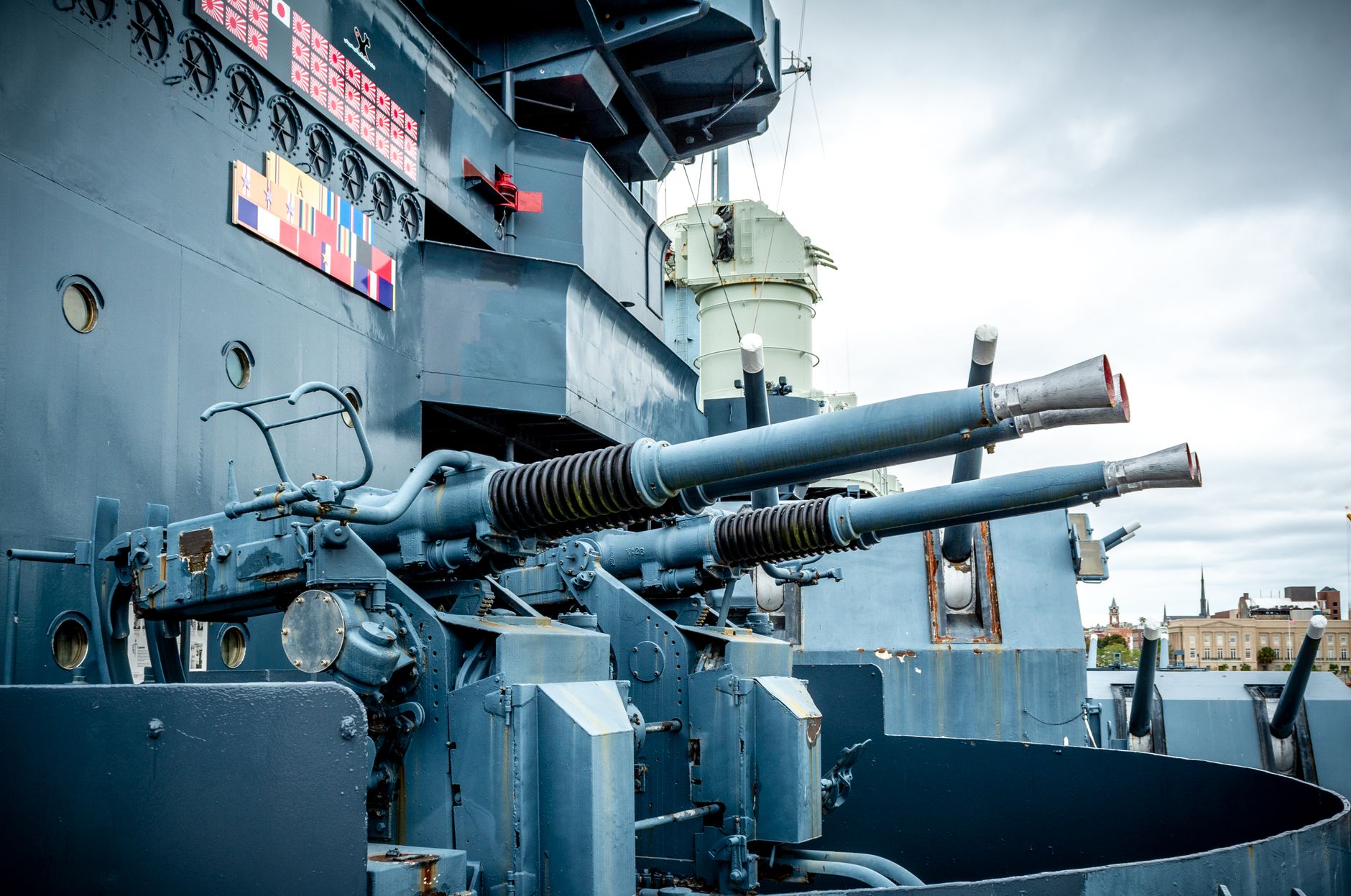
- The US Fifth Fleet, a formidable naval presence, has reportedly increased its operational readiness and deployed additional assets to the Arabian Gulf, signaling a heightened state of alert and potential for rapid response.
Context Check
The current geopolitical climate in the Arabian Gulf is undeniably fraught with peril, marked by a dangerous escalation in tensions between the United States and Iran. This precarious situation is not an isolated incident but rather the culmination of decades of complex historical grievances, ideological clashes, and strategic power plays that have consistently destabilized the region. Recent events, including alleged attacks on oil tankers and the downing of drones, have dramatically intensified the rhetoric and brought both nations to the brink of direct military confrontation, creating an atmosphere of profound uncertainty for everyone residing in or connected to the Gulf.
For UAE residents, this escalating standoff translates into tangible concerns that permeate daily life, from economic stability to personal safety. The UAE, a vital economic hub and a staunch US ally, finds itself geographically positioned at the epicenter of this potential conflict. Its strategic location, bordering the Strait of Hormuz, means that any significant disruption or military action in the waterway would have immediate and severe repercussions across various sectors, including energy, trade, and tourism. Understanding these dynamics is crucial for residents to make informed decisions and prepare for potential eventualities.
The ripple effects of this US-Iran confrontation extend far beyond the immediate military dimension. Global oil markets are already reacting with extreme volatility, impacting fuel prices and the cost of living worldwide, but particularly acutely in energy-dependent regions like the Gulf. International shipping routes, critical for global supply chains, face unprecedented risks, leading to increased insurance costs and potential delays. Furthermore, the psychological impact on residents, both local and expatriate, is significant, with many grappling with anxiety about their safety, job security, and the long-term stability of the region they call home. This complex interplay of factors demands careful monitoring and proactive planning.
Background
The roots of the current US-Iran animosity are deeply embedded in history, tracing back to the 1979 Iranian Revolution and the subsequent hostage crisis, which fundamentally reshaped bilateral relations. Decades of mistrust were further exacerbated by Iran's nuclear program, leading to stringent international sanctions and a persistent cycle of diplomatic friction. The 2015 Joint Comprehensive Plan of Action (JCPOA), or Iran nuclear deal, offered a brief respite, aiming to curb Iran's nuclear ambitions in exchange for sanctions relief. However, the unilateral withdrawal of the United States from this agreement in 2018 under the previous administration reignited tensions, paving the way for the current dangerous escalation. This withdrawal was a pivotal moment, dismantling a fragile diplomatic framework and reintroducing a climate of confrontation.
Since the US withdrawal from the JCPOA, a series of provocative actions and retaliatory measures have steadily intensified the crisis. These include the reimposition of crippling US sanctions on Iran's oil exports and financial sectors, which have severely damaged the Iranian economy. In response, Iran has incrementally reduced its commitments under the nuclear deal and has been accused of supporting regional proxy groups, further destabilizing countries like Yemen, Iraq, and Lebanon. The strategic Strait of Hormuz, a critical choke point for global oil supplies, has become a flashpoint, witnessing a series of incidents involving oil tankers and naval vessels, raising fears of a direct military clash. Each incident, however minor, has ratcheted up the pressure, making de-escalation increasingly challenging.
The UAE, as a key US ally and a major player in regional stability, finds itself in a particularly delicate position. While aligned with US policy on containing Iranian influence, the UAE also maintains significant economic ties within the region and understands the catastrophic implications of a full-scale conflict. Its strategic location, directly across the Gulf from Iran, means it would be among the first to feel the impact of any military action or disruption to maritime trade. The UAE has consistently advocated for diplomatic solutions and de-escalation, even while bolstering its own defensive capabilities, reflecting a pragmatic approach to navigating this complex and dangerous geopolitical landscape. Balancing these competing interests is a constant challenge for Emirati policymakers.
Winners and Losers
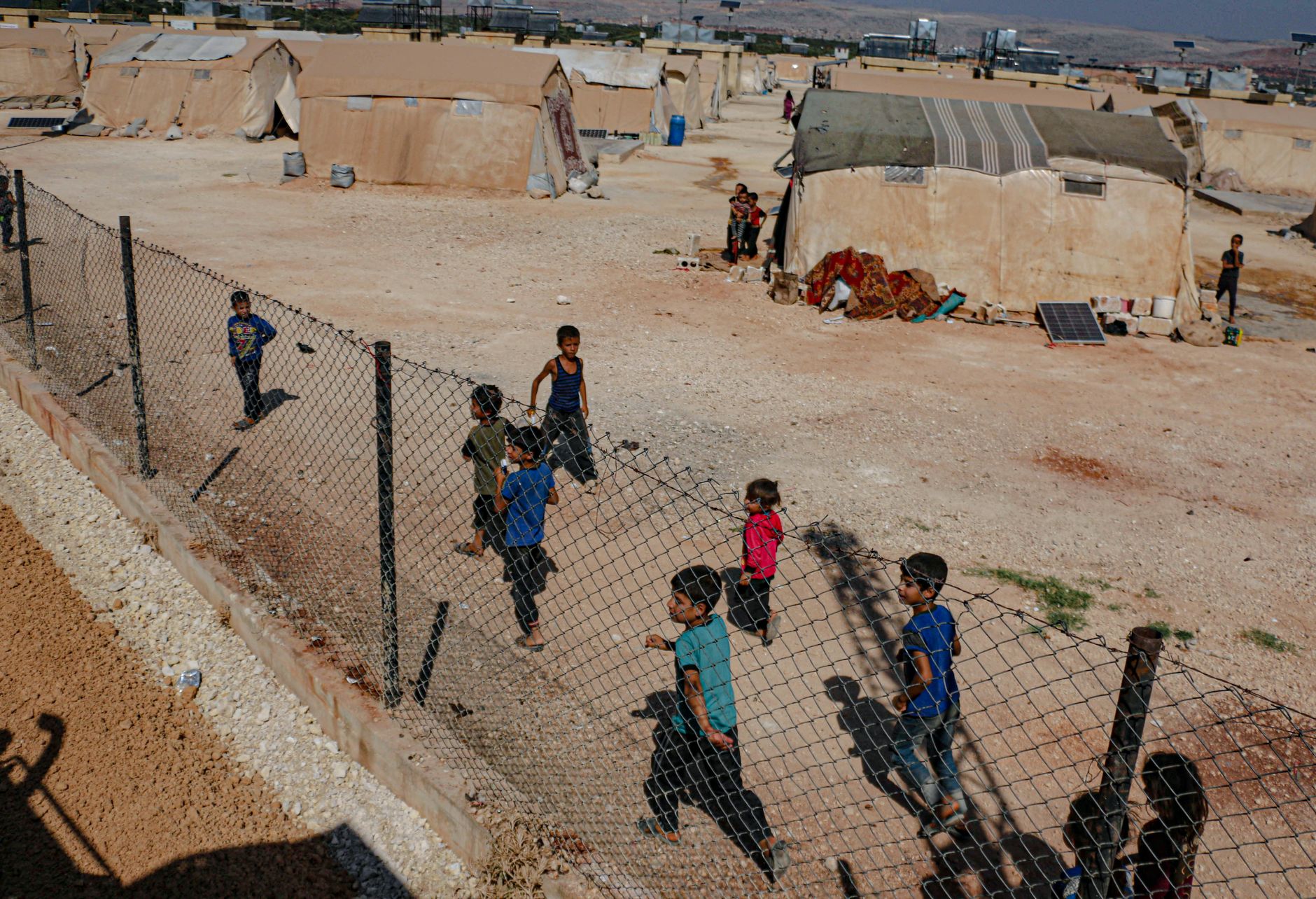
In a scenario of escalating conflict, there are very few clear winners, and the list of potential losers is extensive and devastating. The most immediate and profound losers would be the populations of the region, including UAE residents, who would face direct threats to their safety, livelihoods, and quality of life. Economic stability would evaporate, investment would flee, and daily routines would be severely disrupted. The human cost, both in terms of casualties and displacement, would be immense, creating a humanitarian crisis of unprecedented scale. Furthermore, the environmental impact of any large-scale conflict, particularly in an oil-rich region, would be catastrophic, with long-term consequences for ecosystems and public health.
Economically, the entire global community stands to lose significantly. A major conflict in the Gulf would send oil prices spiraling to unimaginable heights, triggering a worldwide recession. Supply chains, already fragile from recent global events, would be irrevocably broken, leading to shortages and inflation across all sectors. While certain defense industries might see a temporary boom in demand, this would be dwarfed by the overall economic devastation. Nations heavily reliant on Gulf oil, particularly in Asia and Europe, would face severe energy crises, further exacerbating the global downturn. The long-term economic recovery would be arduous and protracted, impacting generations.
Geopolitically, the situation is complex. While some hardliners on both sides might perceive a military victory as a win, the reality is that any conflict would likely lead to prolonged instability, the rise of new extremist groups, and a further erosion of international law and order. Regional powers not directly involved might attempt to leverage the chaos for their own strategic gains, but even these gains would be short-lived and overshadowed by the broader devastation. The international diplomatic framework would be severely tested, and the ability to address other global challenges, such as climate change or pandemics, would be significantly hampered. Ultimately, the true winners would be those who profit from chaos and instability, a grim prospect for global peace and security.
Analyst Perspectives
Regional security analysts are largely unified in their assessment that the current trajectory is unsustainable and fraught with extreme danger. Dr. Fatima Al-Ghazali, a prominent Gulf affairs expert, emphasizes that "the current standoff is a high-stakes poker game where both sides are convinced the other will fold, but the risk of miscalculation is astronomically high. One wrong move, one unintended consequence, could ignite a regional conflagration that no party truly desires, yet all are preparing for." Her analysis underscores the perilous nature of the situation, where brinkmanship could easily spiral out of control, leading to an outcome far worse than any envisioned by the primary actors.
Economists, meanwhile, are painting a grim picture of the potential financial fallout. Dr. Klaus Richter, a global energy market specialist, warns that "a full-blown conflict would not just disrupt oil supplies; it would fundamentally re-engineer global energy markets, potentially leading to oil prices exceeding $200 a barrel. This wouldn't just be an economic recession; it would be a global economic shockwave, impacting everything from food prices to manufacturing costs, with developing nations bearing the brunt of the devastation." The economic implications are not merely regional but have the potential to trigger a worldwide financial crisis, far surpassing previous downturns in severity and scope.
From a diplomatic standpoint, many experts believe that back-channel communications, though not publicly acknowledged, are likely ongoing to prevent an all-out war. Professor David Chen, an international relations scholar, suggests that "despite the fiery rhetoric, neither Washington nor Tehran wants a full-scale war. The challenge lies in finding an off-ramp that allows both sides to save face while de-escalating. This requires nuanced diplomacy, not just threats, and a willingness to compromise that currently appears to be in short supply." He highlights the critical need for a diplomatic solution, however difficult, to avert a catastrophic military confrontation, emphasizing that the current public posturing might mask more pragmatic, behind-the-scenes efforts.
Key Questions Explained
The Outlook
The immediate outlook for the US-Iran relationship remains precariously balanced on a knife-edge. While neither side appears to desire a full-scale, devastating war, the risk of miscalculation or an unintended incident spiraling out of control is alarmingly high. Diplomatic efforts, though often conducted behind closed doors, are crucial to de-escalation, but their effectiveness is constantly challenged by hardline rhetoric and a deep-seated lack of trust. The coming weeks will be critical in determining whether a diplomatic off-ramp can be found or if the region will continue its dangerous drift towards open conflict, with profound implications for global stability and the lives of millions.
For UAE residents, the imperative is to remain vigilant, informed, and prepared. Staying updated with official government announcements and credible news sources is paramount, avoiding the spread of misinformation or rumors that can fuel unnecessary panic. Having personal and family emergency plans in place, including financial contingencies and communication strategies, is a sensible precaution in these uncertain times. While life in the UAE continues with its characteristic resilience, acknowledging the heightened regional risks allows residents to navigate the situation with greater confidence and preparedness.
Looking further ahead, the long-term stability of the Gulf hinges on a fundamental shift in regional dynamics and a commitment to sustained diplomatic engagement. Without a comprehensive framework for de-escalation and trust-building between key regional and international players, the cycle of tension and confrontation is likely to persist. The current crisis serves as a stark reminder that peace and prosperity in this vital region are fragile and require continuous, concerted efforts from all stakeholders to prevent future escalations and foster a more secure and predictable environment for all its inhabitants.







Comments
No comments yet. Be the first to comment!