
The Numbers
- Approximately 72 hours: The duration of the recently declared ceasefire, which has now been unilaterally terminated by former President Trump, marking an extremely brief period of de-escalation.
- Over 1,500: The estimated number of casualties, both military and civilian, reported in the region during the preceding weeks of heightened hostilities, underscoring the severe human cost of this conflict.
- Billions of dollars: The projected economic impact on global oil markets and regional stability, as renewed military action threatens critical shipping lanes and energy infrastructure.
- 2 major powers: The United States and Iran, whose direct confrontation could draw in numerous regional and international allies, expanding the conflict's geographical and political scope.
- 3 key Strait of Hormuz transits: The number of vital maritime passages through which a significant portion of the world's oil supply flows, now under increased threat of disruption due to escalating tensions.
- 1 unilateral declaration: The method by which the ceasefire was ended, highlighting a rapid and decisive shift in policy that bypasses traditional diplomatic channels and international consensus.
Context Check
The declaration by former President Trump that the ceasefire with Iran is over, coupled with his ominous promise to "hit them hard again tonight," plunges an already volatile Middle East into an even more precarious state. This abrupt termination follows a period of intense, albeit brief, de-escalation efforts that many hoped would pave the way for more sustained diplomatic engagement. The immediate implications are profound, suggesting a rapid return to, or even an intensification of, military confrontation. Such a move risks unraveling the delicate balance of power in the region and could ignite a broader conflict with far-reaching global consequences.
The initial ceasefire, brokered through undisclosed channels, was seen by some as a fragile but necessary step to prevent an all-out war. It offered a momentary pause in hostilities, allowing for a glimmer of hope that a diplomatic off-ramp could be found. However, Trump's latest statement unequivocally signals an end to this brief respite, indicating a preference for a more aggressive posture. This strategic pivot raises critical questions about the underlying reasons for the ceasefire's failure and the specific intelligence or provocations that might have prompted such a dramatic shift in policy, especially given the potential for severe blowback.
Observers are now bracing for an immediate military response, with speculation rife about potential targets and the scale of the impending strikes. The rhetoric employed by Trump, particularly the phrase "hit them hard again tonight," leaves little room for ambiguity regarding the intent to inflict significant damage. This development places immense pressure on international actors to react, either by condemning the escalation, attempting to mediate, or preparing for the fallout. The international community's response will be crucial in shaping the trajectory of this renewed confrontation, as the risk of miscalculation and unintended escalation remains exceptionally high.
Background
The relationship between the United States and Iran has been fraught with tension for decades, characterized by periods of intense hostility punctuated by brief, often unsuccessful, attempts at rapprochement. The recent ceasefire, however short-lived, represented one such attempt to de-escalate a rapidly worsening situation. This fragile truce emerged after a series of tit-for-tat military actions, including drone strikes, naval confrontations, and cyberattacks, which brought both nations to the brink of open warfare. The underlying issues are complex, encompassing Iran's nuclear program, its regional proxy networks, and the presence of U.S. forces in the Persian Gulf.
Former President Trump's administration had previously adopted a "maximum pressure" campaign against Iran, withdrawing from the Joint Comprehensive Plan of Action (JCPOA) – the international nuclear deal – and imposing crippling sanctions. This strategy aimed to force Iran back to the negotiating table on terms more favorable to the U.S., but it largely failed to achieve its stated objectives, instead leading to increased Iranian defiance and regional instability. The current declaration of the ceasefire's end appears to be a continuation of this aggressive stance, suggesting a belief that only overwhelming force can compel Iran to alter its behavior.
The timing of this announcement is particularly significant, coming after a period where both sides seemed to be testing the waters for potential de-escalation. The sudden shift back to a confrontational stance implies that either the ceasefire terms were violated in a manner deemed intolerable by the U.S., or that a strategic decision was made to abandon diplomacy in favor of military action. Understanding the precise triggers for this policy reversal is crucial for analyzing the potential outcomes, as the stakes for regional stability and global energy markets have never been higher. The world now watches to see if this is a calculated move or a dangerous gamble.
Winners and Losers
In the immediate aftermath of this declaration, there are clear potential winners and losers. Hardliners within both the U.S. and Iranian political establishments might perceive themselves as winning, as their calls for a more aggressive stance appear to be validated. For U.S. military contractors and defense industries, a renewed conflict could mean increased demand for equipment and services, potentially leading to significant financial gains. Similarly, certain regional powers that benefit from instability or seek to diminish Iran's influence might see this as an opportune moment to advance their own agendas, potentially through proxy conflicts or increased military aid from the U.S. This complex web of interests ensures that any escalation will have multifaceted beneficiaries.
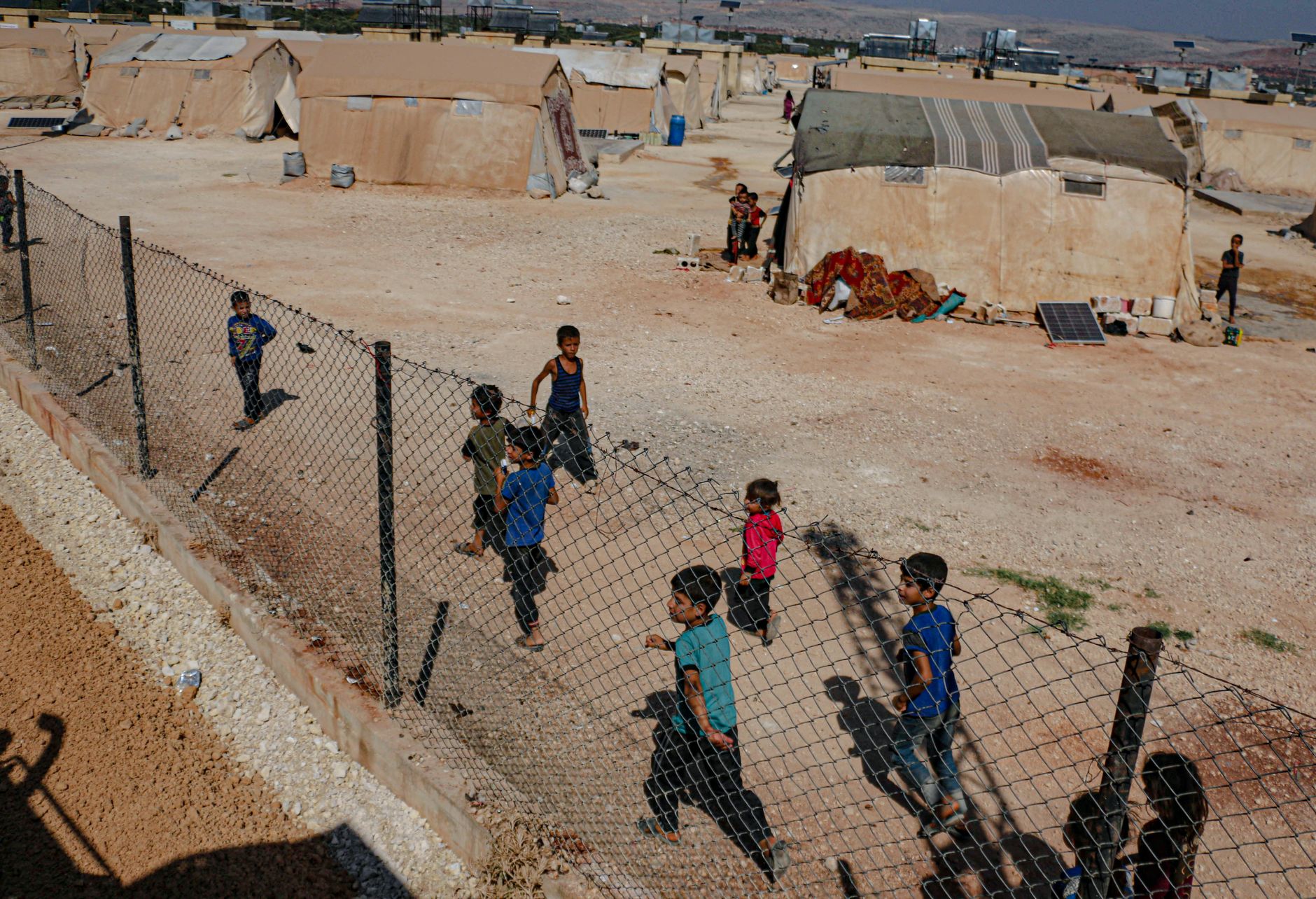
Conversely, the most significant losers will undoubtedly be the civilian populations in the region, particularly those in Iraq, Syria, and Yemen, who have already endured years of conflict and humanitarian crises. Renewed hostilities will inevitably lead to more displacement, casualties, and a deepening of existing humanitarian emergencies. Global financial markets are also likely to suffer, with oil prices surging and investor confidence plummeting, creating economic instability worldwide. Diplomatic efforts and the prospect of a peaceful resolution to regional disputes will also be severely undermined, setting back years of painstaking work by international mediators and organizations.
Furthermore, the credibility of international diplomacy and the concept of ceasefires as a tool for de-escalation will take a severe hit. This unilateral termination sends a powerful message that such agreements can be easily discarded, making future peace efforts even more challenging. Regional allies of the U.S., such as Saudi Arabia and Israel, might initially feel a sense of security from a stronger stance against Iran, but they also face the heightened risk of retaliatory attacks, drawing them further into a potentially devastating conflict. Ultimately, the long-term consequences of this escalation are likely to create a broader landscape of instability, with few genuine winners in the grand scheme.
Analyst Perspectives
Security analysts are largely in agreement that Trump's declaration marks a dangerous turning point, moving the U.S. and Iran from a state of uneasy truce back to active confrontation. Dr. Sarah Khan, a Middle East security expert at the Royal Institute of International Affairs, notes, "This isn't just a return to the status quo; it's an escalation. The rhetoric suggests a more punitive approach, which significantly raises the risk of miscalculation and unintended consequences. Both sides have demonstrated a willingness to push boundaries, and now those boundaries are being redrawn with potentially devastating implications for regional stability." Her analysis highlights the critical shift from deterrence to direct engagement.
Economists are particularly concerned about the impact on global energy markets. Johnathan Davies, a senior energy analyst at Chatham House, warns, "The Strait of Hormuz is a critical chokepoint for global oil supplies. Any significant disruption, or even the perception of it, will send oil prices skyrocketing. This isn't just about the U.S. and Iran; it's about the global economy absorbing another major shock at a time when many nations are already struggling with inflation and supply chain issues. The ripple effects will be felt from gas pumps to manufacturing plants worldwide, creating widespread economic uncertainty." This perspective underscores the broader economic vulnerabilities.
Diplomatic observers, such as Ambassador Elena Petrova, a former UN envoy, express profound disappointment and concern. "The international community worked tirelessly to establish that brief ceasefire. Its unilateral termination undermines the very foundations of international peacemaking," Petrova states. "It sends a chilling message that diplomatic solutions are secondary to unilateral military action, making future mediation efforts infinitely more difficult. The immediate challenge now is to prevent a full-scale regional war, which would have catastrophic humanitarian and geopolitical consequences, drawing in numerous other actors and potentially destabilizing the entire global order." Her insights emphasize the erosion of diplomatic norms and the urgent need for de-escalation.

Key Questions Explained
The Outlook
The immediate outlook for the Middle East is one of extreme volatility and heightened risk. With the ceasefire officially terminated and a promise of immediate, forceful action, the region is poised for a significant escalation in military conflict. This could manifest as targeted strikes, cyber warfare, or even broader engagements involving naval and air assets. The potential for miscalculation by either side remains critically high, and any initial strikes could quickly spiral into a wider, more destructive confrontation, drawing in other regional and international actors who have vested interests in the outcome.
Beyond the immediate military confrontation, the long-term geopolitical landscape of the Middle East will be profoundly reshaped. This renewed aggression could lead to a deeper entrenchment of existing alliances and rivalries, making future diplomatic breakthroughs even more elusive. The economic fallout, particularly concerning global oil supplies and shipping routes through the Strait of Hormuz, will likely persist, causing sustained instability in energy markets. Furthermore, the humanitarian crisis in already conflict-ridden areas will almost certainly worsen, displacing more populations and exacerbating suffering across the region.
The international community now faces a critical test. The ability of global powers and multilateral institutions to exert influence and de-escalate the situation will be severely challenged. Without a concerted and unified diplomatic effort, the cycle of violence is likely to continue, with devastating consequences for all involved. The path forward is fraught with danger, and the world watches anxiously to see whether reason and restraint can ultimately prevail over the escalating rhetoric and military posturing that currently define this perilous moment.














Comments
No comments yet. Be the first to comment!