

What We Know
- Houthi rebels launched a significant offensive in Yemen's Marib province, targeting strategic government positions, leading to intense and prolonged fighting.
- At least 16 Yemeni government troops, including high-ranking officers, were tragically killed in the fierce clashes, marking a severe blow to the internationally recognized government's forces.
- The recent confrontations are being described by military sources and observers as the most intense and deadliest fighting witnessed in the region in several years, signaling a dangerous escalation.
- The Houthi offensive appears to be a coordinated effort to gain control over key areas in Marib, a resource-rich province that remains a critical stronghold for the Yemeni government.
- This surge in violence directly undermines ongoing, albeit fragile, peace efforts and cease-fire initiatives that have been intermittently pursued by various international actors.
- Reports indicate that dozens of fighters from both sides sustained injuries, and the casualty count could potentially rise as more information emerges from the remote battlefronts.
What We Do Not Know Yet
- The precise number of Houthi casualties remains unconfirmed, with rebel forces typically opaque about their losses, making it difficult to assess the full scale of the human cost.
- The exact strategic objectives of the Houthi offensive beyond immediate territorial gains are unclear, including whether this represents a broader shift in their military strategy or a localized push.
- The extent of external support, if any, received by either side during these specific clashes is not yet fully detailed, though foreign involvement has been a consistent factor in the broader conflict.
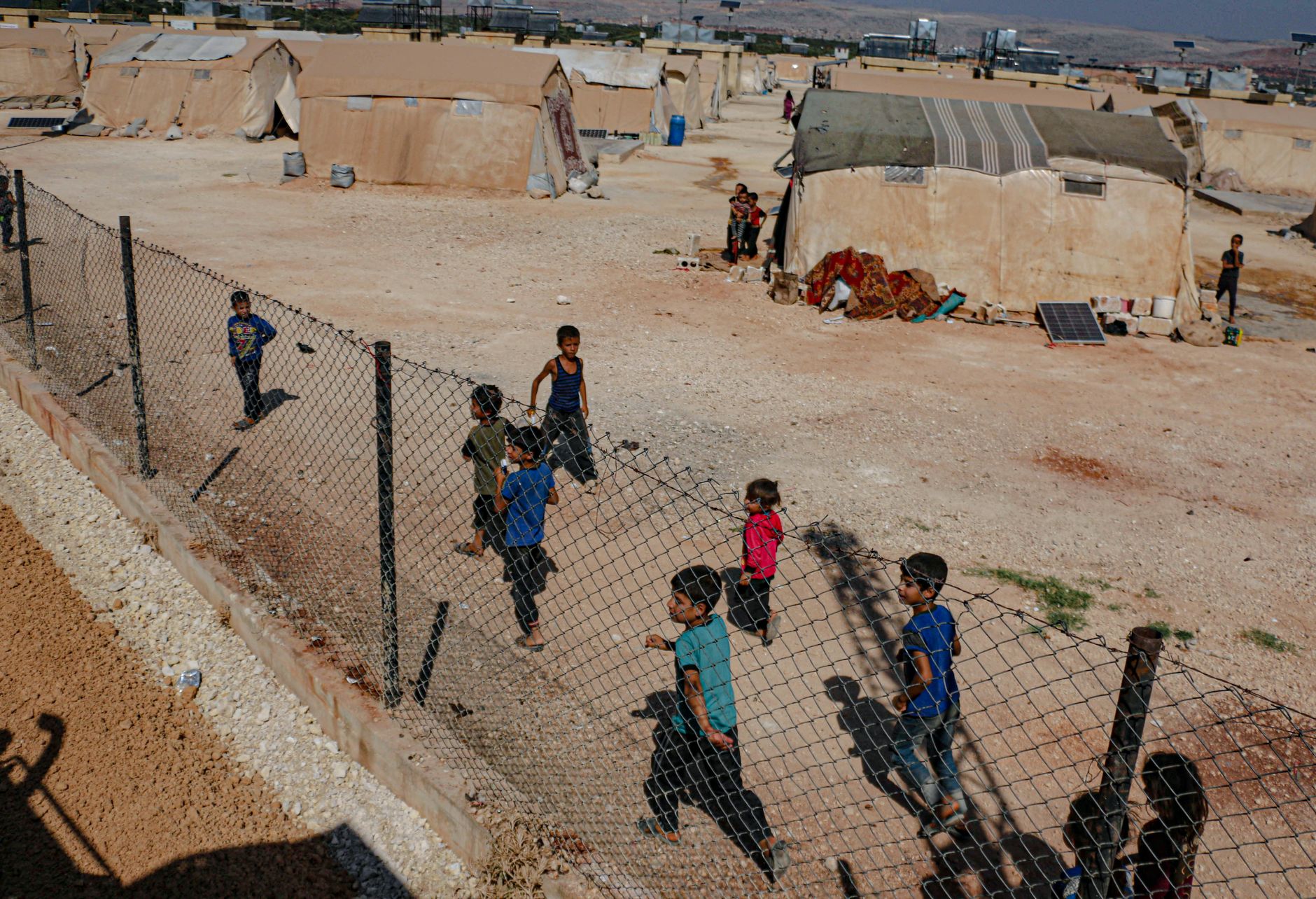
- The immediate impact of these renewed hostilities on the already dire humanitarian situation in Marib and surrounding areas, including displacement and aid access, is still being assessed.
- Whether this escalation will trigger a wider counter-offensive from government forces or their Saudi-led coalition allies, potentially expanding the conflict's geographical scope, is uncertain.
- The specific role and response of international mediators, such as the UN envoy for Yemen, in light of these grave developments, and their capacity to de-escalate the situation, are yet to be seen.
Background
Yemen has been embroiled in a brutal civil war since 2014, when Houthi rebels, an Iran-aligned group, seized the capital Sanaa and ousted the internationally recognized government. This conflict quickly escalated into a regional proxy war in 2015, with a Saudi Arabia-led coalition intervening to support the government, aiming to restore its authority and push back against Houthi advances. The ensuing years have seen devastating fighting, leading to what the United Nations has repeatedly called the world's worst humanitarian crisis, with millions facing starvation and displacement. The conflict has fragmented the country, creating multiple frontlines and a complex web of alliances and rivalries.
Marib province, located in central Yemen, holds immense strategic importance. It is one of the last major strongholds of the internationally recognized government in the northern part of the country and is rich in oil and gas resources. Control over Marib would provide the Houthis with significant economic leverage and a major psychological victory, further solidifying their territorial gains. For the government, losing Marib would be a catastrophic blow, potentially paving the way for further Houthi expansion and severely weakening their negotiating position in any future peace talks. The province also hosts a large population of internally displaced persons, making any military offensive there particularly perilous for civilians.
Despite numerous attempts at ceasefires and peace negotiations, a lasting resolution has remained elusive. The conflict has been characterized by cycles of intense fighting followed by periods of relative calm, often punctuated by renewed offensives. International efforts, primarily led by the United Nations, have struggled to bridge the deep divides between the warring parties and their external backers. The recent clashes in Marib represent a significant breakdown in these fragile diplomatic overtures, demonstrating a clear intent by the Houthi rebels to pursue military objectives, even at the cost of human lives and regional stability. This escalation underscores the persistent challenges in achieving peace in Yemen and the enduring human suffering it entails.
Why It Matters
This latest surge in violence in Marib is not merely another skirmish in a protracted war; it represents a critical inflection point that could derail any remaining hopes for a peaceful resolution in Yemen. The scale of casualties among government forces, the deadliest in years, signals a dangerous escalation that could provoke a robust counter-response from the Saudi-led coalition. Such an escalation would inevitably lead to more widespread fighting, further destabilizing a region already on edge. The international community's efforts to broker a lasting ceasefire and transition to political dialogue are now severely jeopardized, pushing Yemen further away from the path to recovery and stability.
Beyond the immediate military implications, the renewed offensive carries profound humanitarian consequences. Marib province is home to hundreds of thousands of internally displaced persons (IDPs) who have sought refuge from fighting in other parts of Yemen. A full-scale Houthi assault on Marib would force these vulnerable populations to flee once again, exacerbating an already catastrophic humanitarian crisis. Access for aid organizations would become even more challenging, potentially cutting off vital supplies to communities on the brink of famine. The human cost of this escalation, measured in lives lost, homes destroyed, and futures shattered, is immense and cannot be overstated.
Furthermore, the renewed intensity of fighting in Yemen has significant regional implications. It underscores the continued proxy conflict between Iran and Saudi Arabia, with Yemen serving as a key battleground. An emboldened Houthi movement, potentially gaining control of Marib, could shift the regional balance of power, leading to increased tensions and potentially drawing other regional actors deeper into the conflict. This instability could have ripple effects on global energy markets and maritime security in the crucial Bab al-Mandab Strait. The international community must recognize that a failure to address this escalation decisively will only perpetuate a cycle of violence with far-reaching and devastating consequences.
Timeline of Events
- September 2014: Houthi rebels seize control of Yemen's capital, Sanaa, effectively ousting the internationally recognized government and triggering the initial phase of the civil war.
- March 2015: A Saudi Arabia-led coalition, including the UAE and other Arab states, launches military operations in Yemen to support the government and counter Houthi advances.
- 2016-2018: Intense fighting escalates across multiple fronts, including the strategic port city of Hodeidah and the Marib province, with numerous attempts at peace talks failing.
- December 2018: The Stockholm Agreement is signed, establishing a ceasefire in Hodeidah and setting the stage for prisoner exchanges, offering a glimmer of hope for de-escalation.
- Early 2020: Houthi forces launch a major offensive on Marib, aiming to capture the government's last northern stronghold, leading to fierce battles and mass displacement.
- April 2022: A UN-brokered two-month truce comes into effect, providing a period of relative calm, which is later extended but ultimately expires without a renewed agreement.
- Late 2023: Reports emerge of increasing skirmishes and localized clashes in various parts of Yemen, signaling a gradual erosion of the fragile de-facto ceasefire.
- Early 2024: Houthi rebels initiate a significant new offensive in Marib, resulting in the deadliest clashes in years and the deaths of 16 Yemeni government troops, marking a critical escalation.

Rapid-Fire Q&A
What Is Coming
- Expect a likely counter-offensive from Yemeni government forces, potentially backed by the Saudi-led coalition, to reclaim lost ground and retaliate for the significant casualties sustained.
- Increased diplomatic pressure from the United Nations and other international bodies to de-escalate the situation and re-establish a ceasefire, though its effectiveness remains uncertain given the current aggression.
- A probable surge in humanitarian needs and displacement in Marib province and surrounding areas, requiring urgent attention from international aid organizations to prevent further catastrophe.
- Potential for the conflict to broaden beyond Marib, with both sides possibly launching attacks in other strategic areas, leading to a wider geographical spread of violence.
- Heightened regional tensions, as the escalation in Yemen could further strain relations between Iran and Saudi Arabia, potentially impacting other proxy conflicts in the Middle East.
- A renewed focus on the effectiveness and future viability of peace talks, as this major escalation severely undermines previous diplomatic efforts and raises questions about the commitment of warring parties to a political solution.














Comments
No comments yet. Be the first to comment!