
The Story in Brief
- Syria is currently experiencing a significant resurgence of unrest, characterized by widespread anti-government protests, particularly in the southern region of Sweida, which has historically been a stronghold of Druze loyalty but is now a hotbed of dissent.
- The Assad government is confronting a complex array of threats, including a deepening economic crisis that has led to severe shortages of essential goods and widespread public dissatisfaction, fueling the current wave of demonstrations.
- New and old insurgent groups are actively challenging government control in various territories, complicating the security landscape and forcing the regime to divert already stretched resources to multiple fronts across the country.
- International sanctions continue to cripple the Syrian economy, exacerbating the humanitarian crisis and limiting the government's capacity to address the basic needs of its population, thereby intensifying public grievances and calls for change.
- Regional dynamics, including the ongoing conflict in Gaza and shifting alliances, are significantly impacting Syria's internal stability and its relationships with neighboring states, creating an unpredictable geopolitical environment.
- The humanitarian situation remains dire, with millions displaced and reliant on aid, while the destruction of infrastructure and lack of essential services continue to undermine any prospects for long-term recovery and stability in the war-torn nation.
The Human Face
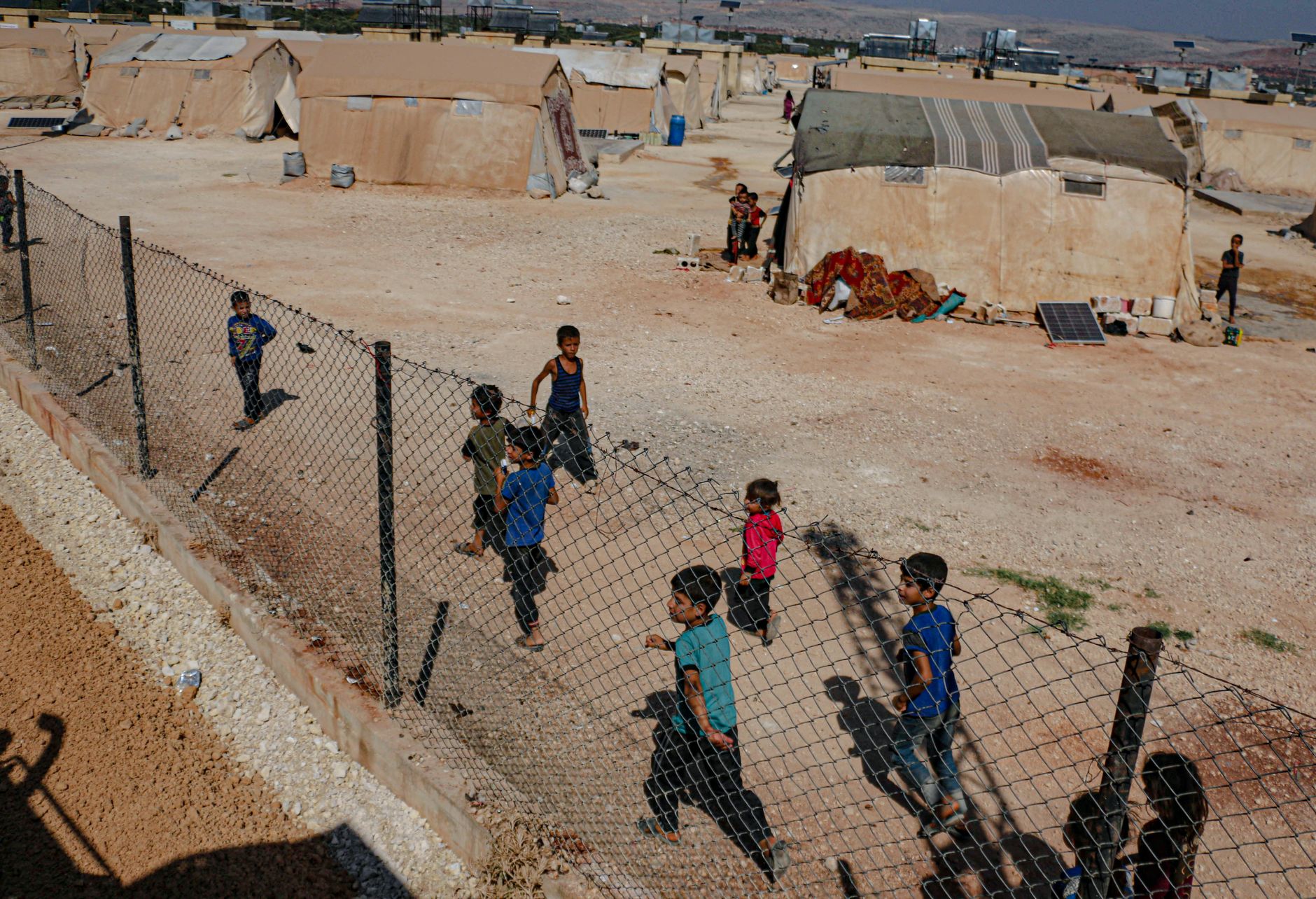
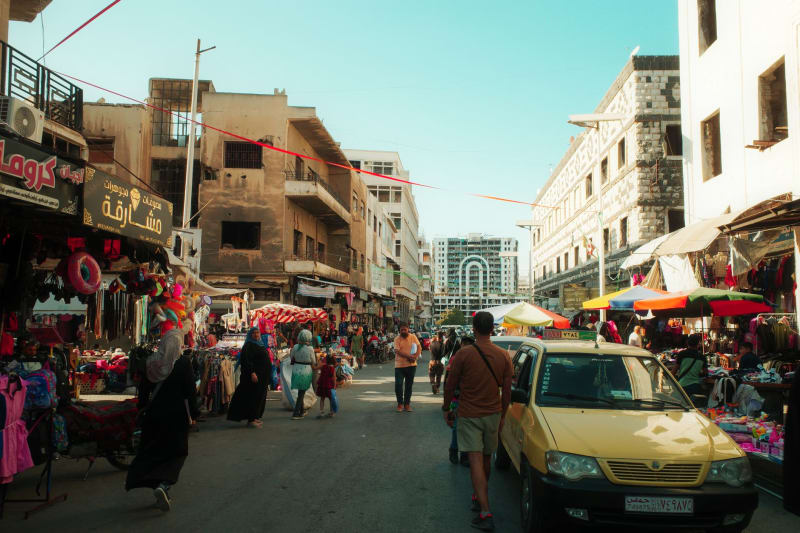
The daily lives of ordinary Syrians are a testament to relentless hardship and profound uncertainty. Families across the country grapple with crippling inflation, making basic necessities like food, medicine, and fuel increasingly unaffordable. The collapse of the national currency has eroded savings and wages, pushing millions into abject poverty. A father in Damascus, once a proud shop owner, now struggles to find even sporadic work, his children often going to bed hungry. This economic despair is not merely a statistic; it is a lived reality that manifests in malnutrition, limited access to healthcare, and the agonizing choice between survival and dignity.
Beyond the economic devastation, the psychological toll of over a decade of conflict is immense. Generations of children have known nothing but war, displacement, and instability. Many suffer from trauma, anxiety, and a profound lack of educational opportunities, jeopardizing their future prospects. The destruction of infrastructure means even basic services like clean water and electricity are luxuries in many areas, forcing communities to adapt to conditions that would be unimaginable elsewhere. This constant struggle for survival, coupled with the absence of a clear path to peace, breeds a pervasive sense of hopelessness that permeates every aspect of Syrian society.
The ongoing unrest and renewed insurgencies only amplify these struggles. In regions like Sweida, where protests have erupted, residents face not only government crackdowns but also the potential for increased violence and instability. The humanitarian aid lifeline, already stretched thin, is constantly threatened by shifting frontlines and bureaucratic hurdles, leaving vulnerable populations in precarious situations. For the millions of internally displaced persons and refugees, the dream of returning home or rebuilding their lives seems more distant than ever, trapped in a cycle of displacement and dependency with little international support to break free.
How We Got Here
Syria's current predicament is the culmination of over a decade of civil war, a conflict that began with peaceful protests in 2011 and rapidly escalated into a multi-faceted international proxy war. The initial demands for political reform and greater freedoms were met with brutal repression by the Assad regime, leading to widespread armed rebellion. This internal strife soon attracted regional and international powers, each with their own strategic interests, transforming Syria into a complex battleground. The intervention of Russia and Iran on behalf of the government, alongside support for various opposition groups from Western and Gulf states, prolonged the conflict and deepened its devastating impact.
While the Assad government, with crucial foreign backing, managed to regain control over significant territories by the late 2010s, the underlying grievances that sparked the initial uprising were never truly addressed. Instead, the country was left in ruins, its economy shattered, and its social fabric torn apart. The imposition of stringent international sanctions, particularly the Caesar Act by the United States, further exacerbated the economic crisis, severely limiting reconstruction efforts and access to vital resources. This economic strangulation, combined with rampant corruption and mismanagement, has created a fertile ground for renewed public discontent and a sense of desperation among the populace.
The current wave of unrest, particularly in areas like Sweida, represents a new phase of resistance, driven primarily by economic hardship rather than purely political demands. However, these protests quickly evolve to encompass calls for systemic change and an end to corruption, echoing the sentiments of 2011. Simultaneously, the persistence of various insurgent groups, including remnants of ISIS and other opposition factions in the northwest, means the government's control remains tenuous in several regions. This confluence of economic collapse, simmering political discontent, and ongoing security threats has pushed Syria to a critical and highly volatile juncture, threatening to reignite broader conflict.
Why This Cannot Be Ignored
The escalating crisis in Syria is not merely an internal affair; it carries profound regional and international implications that demand urgent attention. A renewed collapse of stability in Syria could trigger another massive wave of displacement, potentially overwhelming neighboring countries like Turkey, Lebanon, and Jordan, which are already struggling with the immense burden of hosting millions of Syrian refugees. Such a humanitarian crisis would inevitably spill over into Europe, reigniting debates on migration and straining international aid resources, creating instability far beyond Syria's borders.
Furthermore, Syria remains a crucible for regional power struggles, with Iran, Russia, Turkey, Israel, and the United States all maintaining a significant presence and competing interests. Any significant shift in the internal balance of power or a resurgence of widespread conflict could easily draw these external actors deeper into the fray, risking a broader regional conflagration. The potential for renewed clashes between various militias, state-backed forces, and terrorist groups like ISIS, which could exploit the chaos, poses a direct threat to international security and counter-terrorism efforts globally.
Ignoring Syria's deepening humanitarian and political crisis also perpetuates a cycle of suffering and injustice that undermines global norms and human rights. The continued economic devastation, the lack of accountability for atrocities committed during the war, and the systematic oppression of dissent create a breeding ground for extremism and instability. A failure to address these root causes will only ensure that Syria remains a source of regional instability and a humanitarian catastrophe, making future peace and security efforts significantly more challenging and costly for the international community.
Possible Paths Forward
Addressing Syria's multifaceted crisis requires a comprehensive and coordinated international approach, moving beyond fragmented interventions. One critical path involves a renewed diplomatic push to enforce UN Security Council Resolution 2254, which calls for a political transition, a new constitution, and free and fair elections. This would necessitate engaging all relevant stakeholders, including the Syrian government, opposition groups, and regional and international powers, in meaningful negotiations. A key component of this would be establishing a credible and inclusive transitional governing body that can genuinely represent the diverse aspirations of the Syrian people, rather than perpetuating the current power structures.
Another crucial avenue involves a significant increase in humanitarian aid and targeted development assistance, coupled with a relaxation of certain sanctions that disproportionately harm the civilian population. While maintaining pressure on the regime for political reforms, it is imperative to ensure that aid reaches those most in need without being diverted. This could involve establishing more robust monitoring mechanisms and exploring channels for direct support to local communities and civil society organizations. Rebuilding essential infrastructure, restoring basic services, and fostering economic recovery are vital steps to alleviate suffering and create conditions conducive to long-term stability, preventing further radicalization born from desperation.
Finally, a path forward must include robust mechanisms for accountability and justice for the widespread human rights abuses committed throughout the conflict. This could involve supporting international investigations, establishing hybrid courts, or strengthening existing legal frameworks to prosecute war crimes and crimes against humanity. Addressing the issue of detainees and missing persons is also paramount for reconciliation and trust-building. Without a clear commitment to justice, reconciliation will remain elusive, and the grievances that fuel conflict will continue to fester, making any sustainable peace agreement incredibly difficult to achieve. These measures, while challenging, are essential for breaking the cycle of violence and impunity.

Questions People Are Actually Asking
What to Watch
- **Escalation of Protests in Sweida:** Monitor the intensity and geographical spread of the anti-government protests, particularly in Sweida. Any significant increase in government crackdown or the involvement of other provinces could signal a broader resurgence of nationwide dissent.
- **Economic Indicators and Humanitarian Aid:** Keep a close watch on the Syrian pound's value, inflation rates, and the availability of essential goods. Changes in international aid flows or access for humanitarian organizations will directly impact the civilian population's well-being and potential for further unrest.
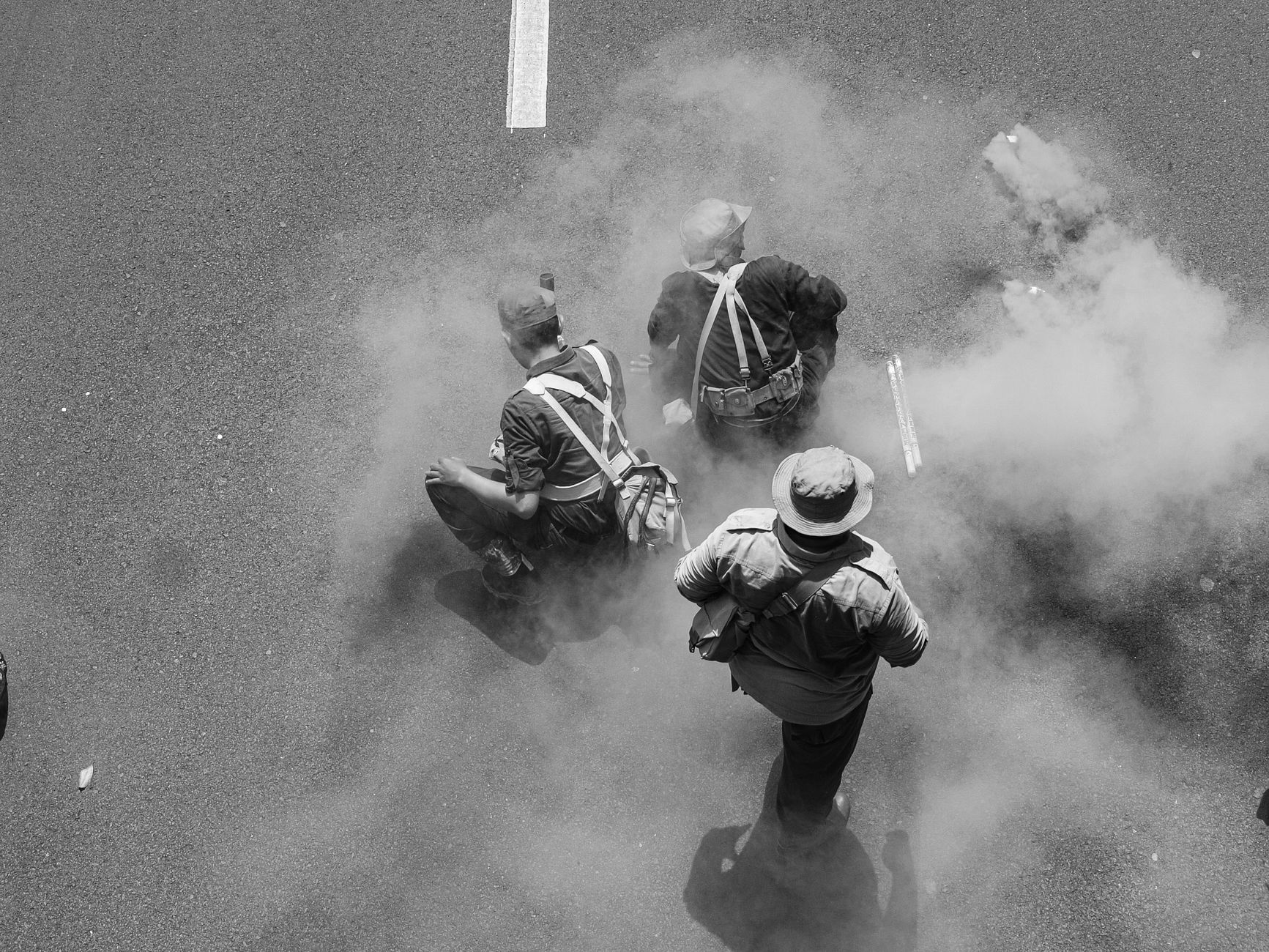
- **Insurgent Activity and Government Response:** Observe the frequency and scale of attacks by various insurgent groups and the government's military responses. A significant increase in clashes could indicate a shift in the security landscape and potentially draw in regional actors.
- **Regional Diplomatic Engagements:** Pay attention to any new diplomatic initiatives or shifts in alliances among regional powers (Turkey, Iran, Russia, Israel). These dynamics often have direct implications for Syria's internal stability and the potential for de-escalation or further conflict.
- **Impact of Gaza Conflict:** Analyze how the ongoing conflict in Gaza influences Syria's borders, particularly with Israel, and its internal political dynamics. Increased cross-border tensions or a shift in regional priorities could significantly affect Syria's precarious stability.
- **International Sanctions Review:** Watch for any discussions or potential adjustments to international sanctions regimes. While unlikely in the short term, any changes could have a profound impact on Syria's economic recovery and the government's ability to address public grievances.














Comments
No comments yet. Be the first to comment!