
What We Know
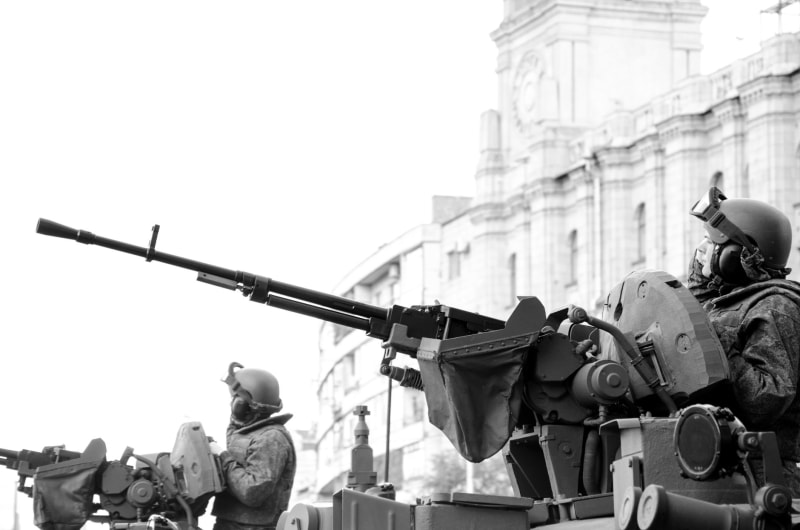
- Russian forces have intensified their offensive operations across multiple fronts, particularly in the eastern and southern regions of Ukraine, indicating a concerted effort to achieve significant territorial gains.
- Ukrainian defenses are reportedly holding firm in key strategic areas, though reports suggest increased pressure and a need for sustained international military aid to prevent breakthroughs.
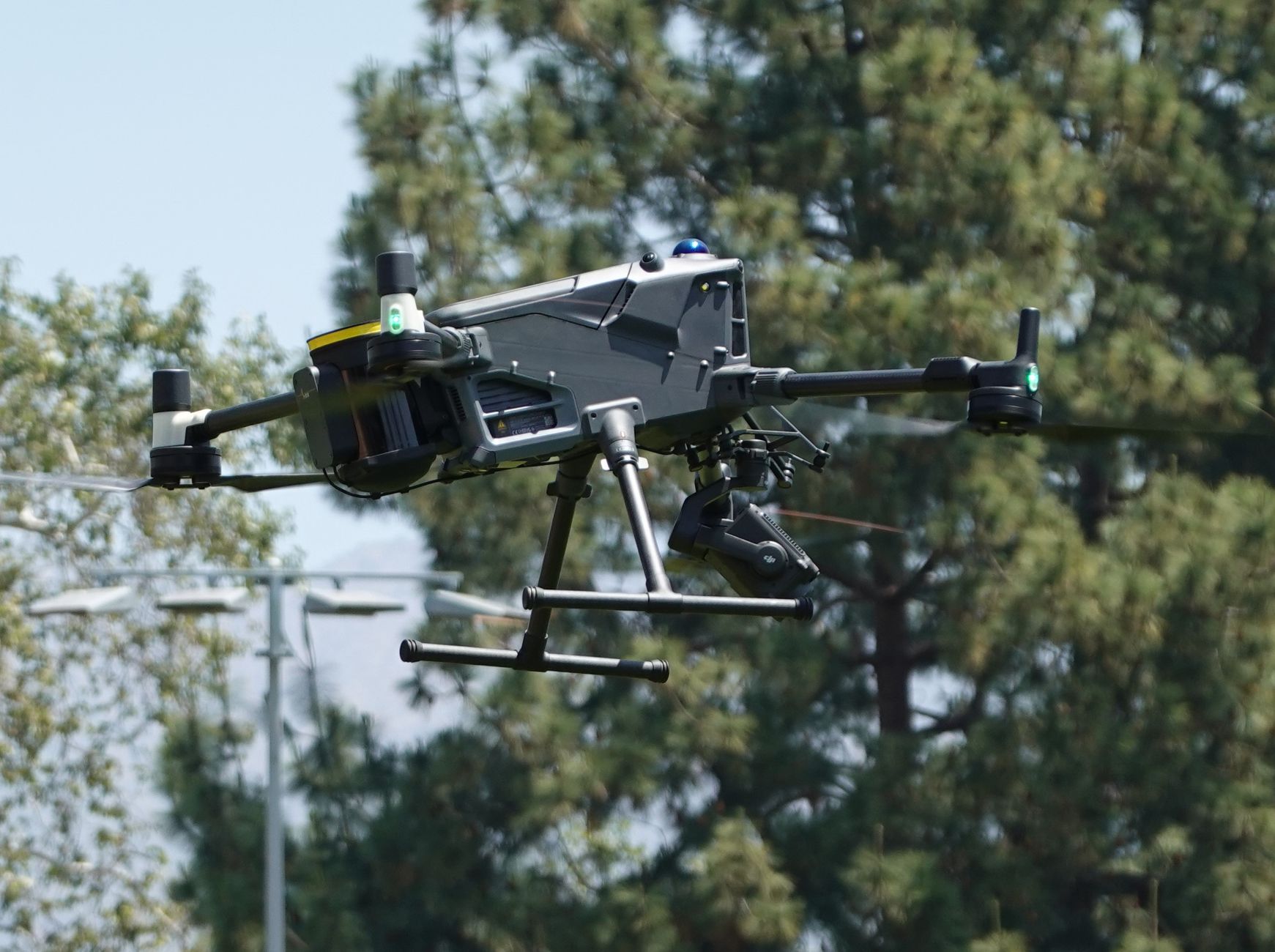
- Both sides are employing advanced drone technology for reconnaissance and targeted strikes, fundamentally altering battlefield dynamics and increasing the lethality of engagements.
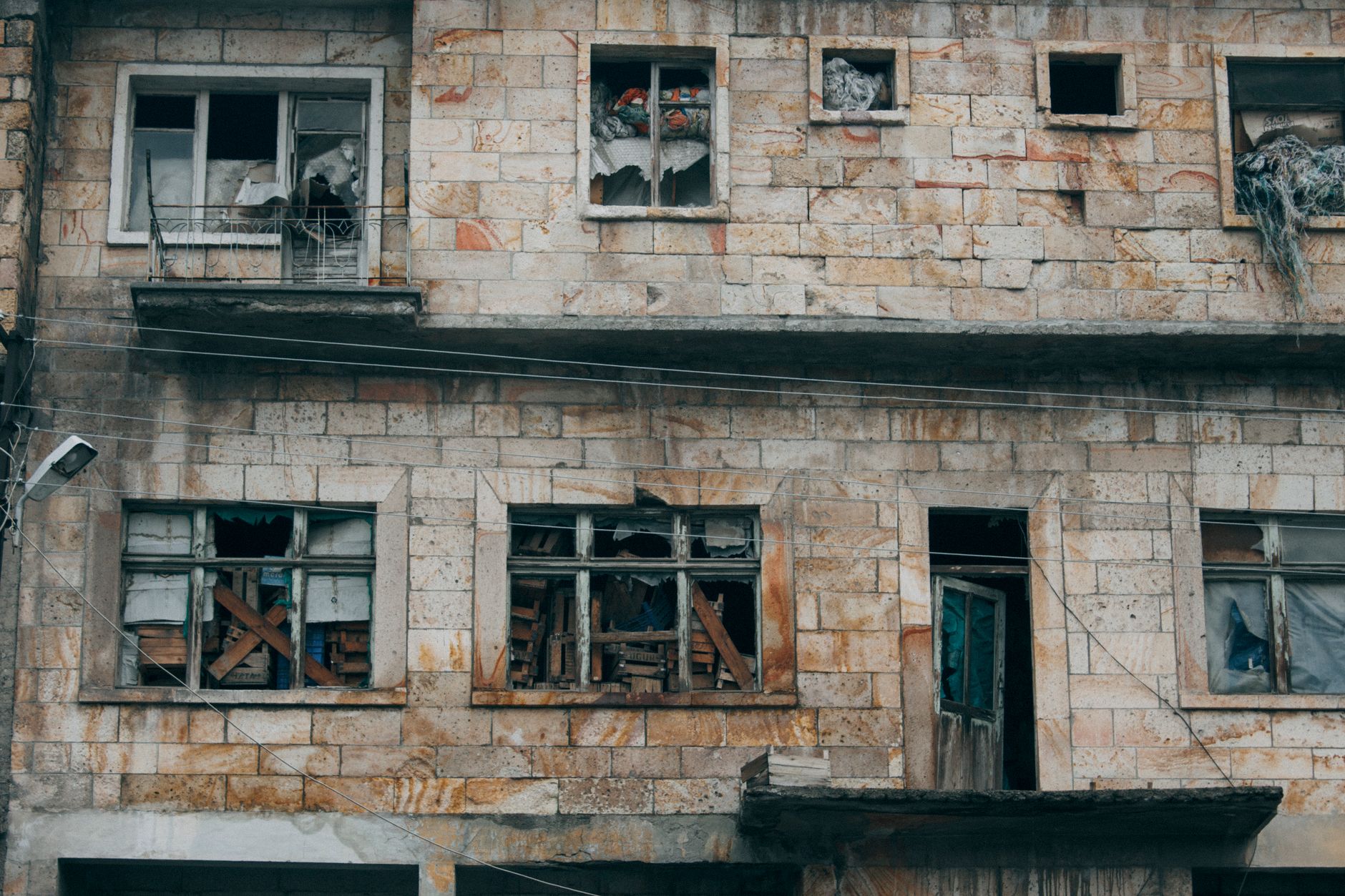
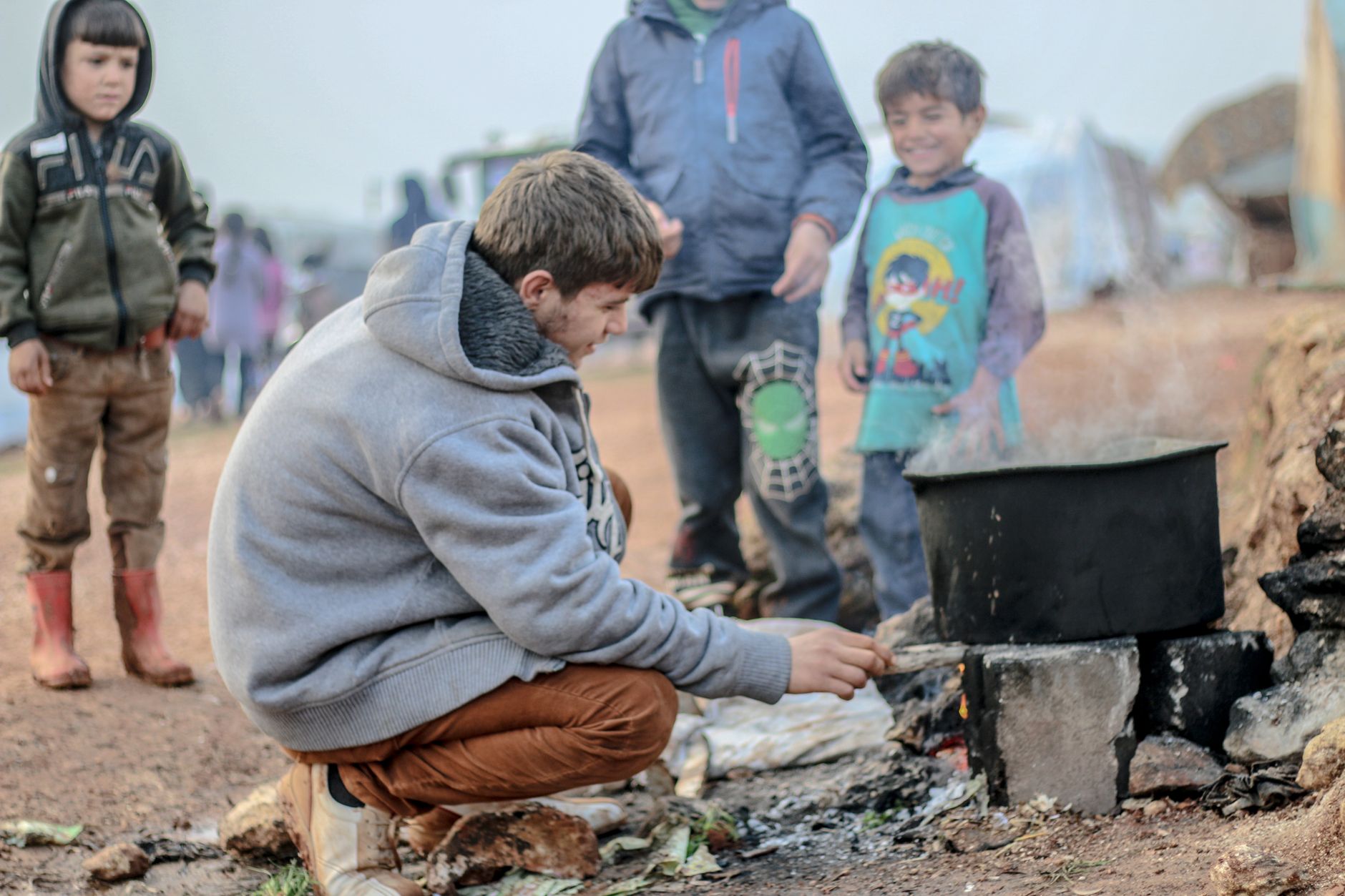
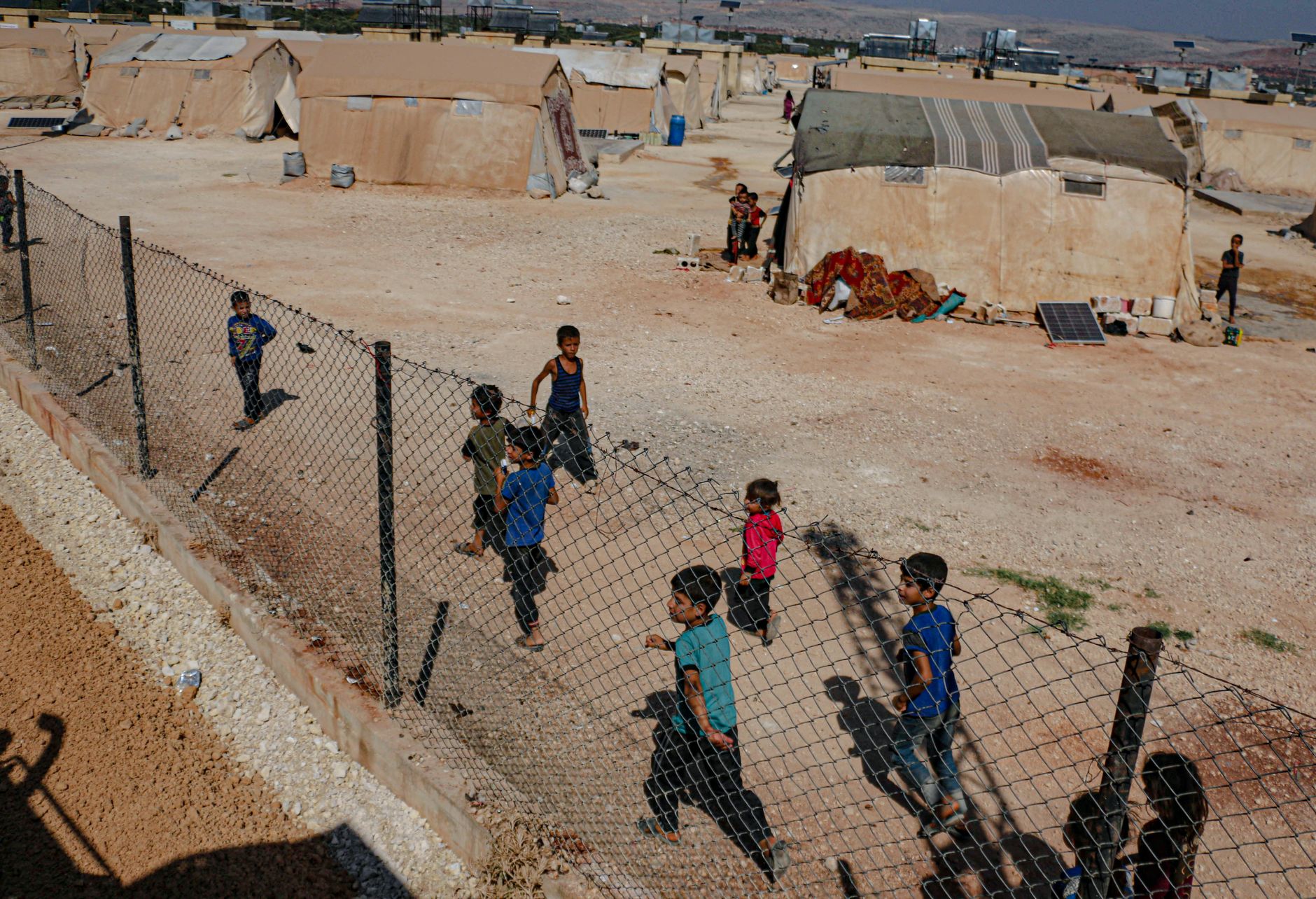
- Civilian infrastructure continues to be a target, leading to a worsening humanitarian crisis and further displacement of populations in conflict-affected zones, demanding urgent aid and protection.
- International diplomatic efforts remain stalled, with no immediate prospects for a ceasefire or de-escalation, highlighting the entrenched nature of the conflict and the difficulty in finding common ground.
- Economic sanctions against Russia are having a demonstrable impact on its industrial and financial sectors, though the Kremlin appears determined to absorb these costs in pursuit of its military objectives.
What We Do Not Know Yet
- The precise extent of Russian troop redeployments and their long-term strategic objectives for the current offensive remain unclear, making it difficult to predict future major thrusts.
- The true casualty figures for both sides are heavily disputed and difficult to verify independently, obscuring the human cost and operational effectiveness of ongoing military actions.
- The full impact of recent Western military aid packages on Ukraine's defensive capabilities and counter-offensive potential is still being assessed, as integration and training take time.
- Whether Russia possesses sufficient reserves and logistical capacity to sustain a high-intensity, multi-front offensive for an extended period is a critical unknown influencing the war's duration.
- The internal political stability within both Russia and Ukraine, particularly concerning public support for the war, is difficult to gauge accurately amidst wartime information controls.
- The potential for a significant third-party intervention or a dramatic shift in international alliances remains speculative, despite ongoing diplomatic maneuvering and rhetorical escalations.
Background
The conflict in Ukraine, which began with Russia's full-scale invasion in February 2022, has evolved into a protracted and brutal war of attrition. Initial Russian attempts to swiftly capture Kyiv were repelled, leading to a strategic shift towards consolidating control over eastern and southern Ukraine. This phase has been characterized by intense artillery duels, trench warfare, and localized offensives aimed at grinding down Ukrainian defenses and securing vital land corridors, particularly connecting Russia to Crimea and controlling the Sea of Azov coastline.
Over the past year, both sides have experienced significant gains and losses, with Ukrainian forces launching successful counter-offensives in regions like Kharkiv and Kherson, demonstrating their capacity to reclaim occupied territories. However, Russia has consistently maintained pressure through sheer numerical superiority and a willingness to absorb heavy casualties, particularly in areas like Bakhmut and Avdiivka. The international community has responded with extensive military and financial aid to Ukraine, alongside unprecedented sanctions against Russia, creating a geopolitical fault line not seen since the Cold War.
The current period, specifically July 2026, marks a critical juncture where Russia appears to be renewing its offensive impetus, possibly seeking to exploit perceived weaknesses or capitalize on delays in Western aid delivery. This renewed push comes after months of relative positional warfare, suggesting a strategic decision by the Kremlin to escalate operations before the onset of winter. Understanding these historical and immediate contexts is crucial for interpreting the daily developments and anticipating the potential future trajectory of this devastating conflict, which continues to reshape global security paradigms.
Why It Matters
The ongoing Russian offensive is not merely a localized conflict; it represents a direct challenge to the fundamental principles of international law and sovereign borders. Any significant Russian territorial gains would embolden revisionist powers globally, signaling that aggression can yield tangible rewards. This could destabilize other regions, encouraging similar acts of expansionism and undermining the collective security framework established since World War II. The implications extend far beyond Ukraine's borders, impacting global stability and the future of international relations.
Furthermore, the humanitarian catastrophe unfolding in Ukraine is immense and continues to worsen with each day of intensified fighting. Millions have been displaced, thousands have been killed or injured, and critical infrastructure has been systematically destroyed, leaving populations without essential services. The long-term societal and psychological trauma inflicted on the Ukrainian people will reverberate for generations. Ignoring or downplaying the severity of this crisis would be a profound moral failure, demanding sustained international attention and robust humanitarian responses to alleviate suffering.
Economically, the war continues to send shockwaves across the globe, disrupting supply chains, driving up energy and food prices, and contributing to inflationary pressures worldwide. Russia's role as a major energy and commodity exporter means its actions have direct consequences for global markets and household budgets in countries far removed from the conflict zone. The potential for further economic destabilization, coupled with the immense costs of reconstruction and humanitarian aid, underscores why the resolution of this conflict is not just a regional concern, but a global imperative with profound economic ramifications for every nation.
Timeline of Events
- February 24, 2022: Russia launches a full-scale invasion of Ukraine, marking a dramatic escalation of the conflict that began in 2014, targeting multiple cities including Kyiv.
- March-April 2022: Ukrainian forces successfully defend Kyiv, forcing Russian troops to withdraw from the capital region and refocus their efforts on the Donbas and southern Ukraine.
- September 2022: Ukraine launches a highly effective counter-offensive in the Kharkiv region, liberating significant swathes of territory and demonstrating its capacity for strategic surprise.
- November 2022: Ukrainian forces liberate Kherson city, a major strategic victory and the only regional capital captured by Russia since the full-scale invasion, forcing a Russian retreat across the Dnipro River.
- May 2023: After months of brutal fighting, Russian forces claim control of Bakhmut, a city largely destroyed but strategically significant for its symbolic value and logistical routes.
- June 2023 - Early 2024: Ukraine launches a major counter-offensive in the south, aiming to cut the land bridge to Crimea, achieving limited territorial gains against heavily fortified Russian defenses.
- Late 2024 - Early 2026: The conflict largely settles into a war of attrition, characterized by intense artillery duels and localized skirmishes, with both sides consolidating defensive lines.
- July 9, 2026: Reports indicate a significant intensification of Russian offensive operations across multiple fronts, signaling a renewed push to break through Ukrainian defenses and secure new territorial gains.
Rapid-Fire Q&A
What Is Coming
- Expect continued intense fighting in the eastern and southern sectors as Russia attempts to consolidate gains and break through Ukrainian defensive lines, potentially leading to new flashpoints.
- Increased calls for expedited and enhanced military aid to Ukraine from Western allies will likely dominate international discourse, emphasizing the urgency of sustaining Kyiv's defense capabilities.
- The humanitarian crisis is projected to worsen, necessitating expanded international relief efforts and potentially leading to new waves of internal displacement and refugees seeking safety.
- Cyber warfare activities are anticipated to escalate, targeting critical infrastructure in both Ukraine and potentially its allies, as a means of disruption and psychological warfare.
- Diplomatic efforts, though currently stalled, may see renewed, albeit cautious, attempts at de-escalation from neutral parties, particularly if the human cost of the conflict continues to mount dramatically.
- The global economic impact, including energy market volatility and food security concerns, will persist and possibly intensify, requiring adaptive policy responses from governments worldwide.







Comments
No comments yet. Be the first to comment!