
The Story in Brief
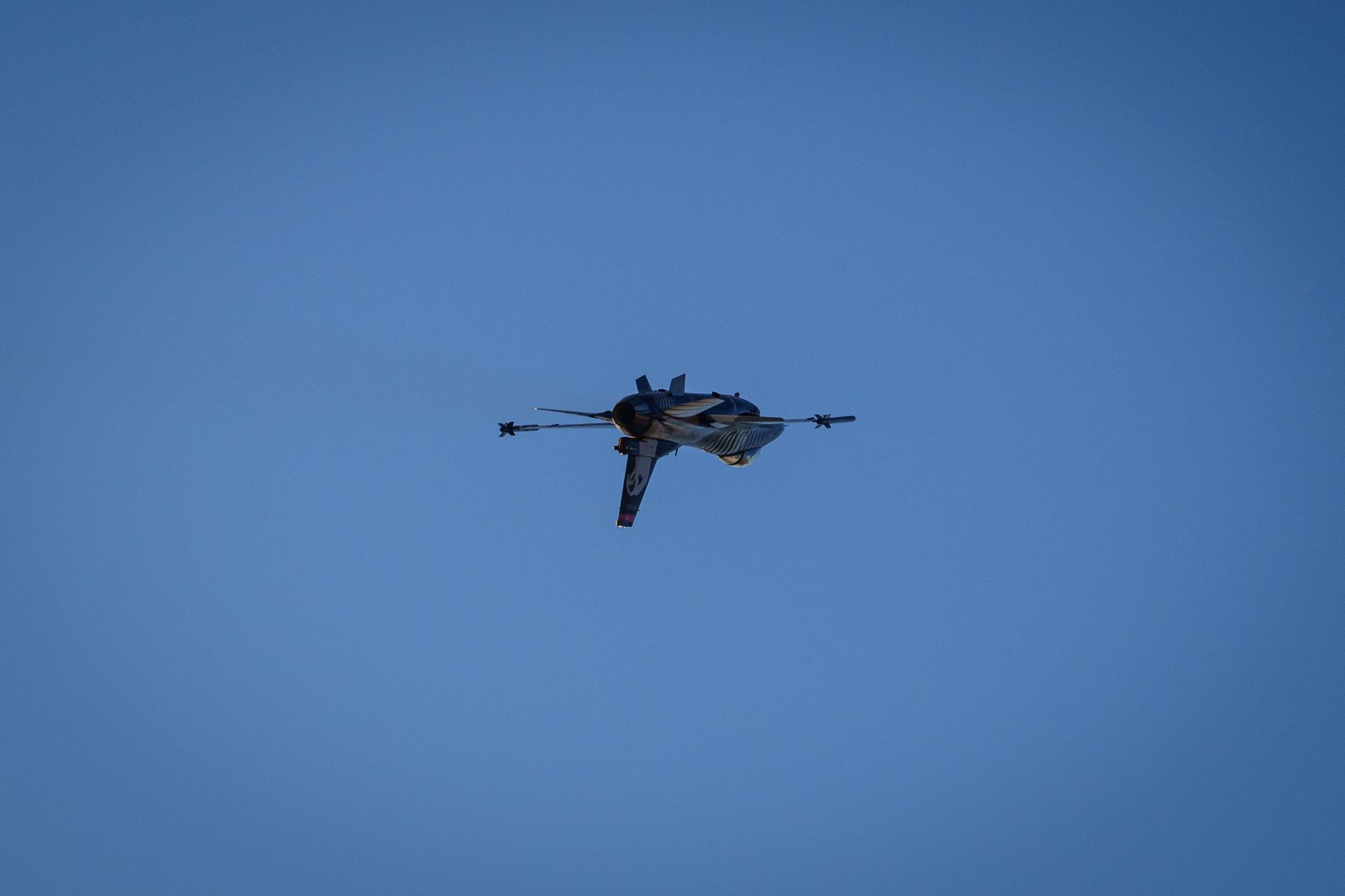
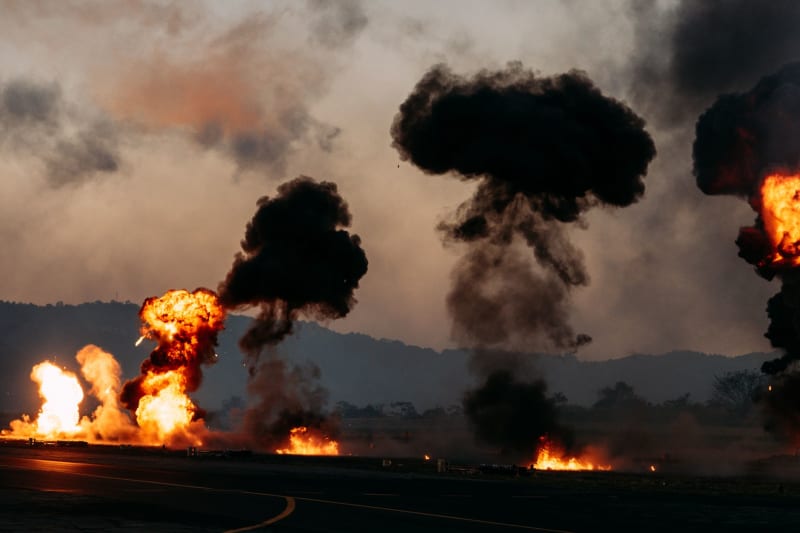
- The United States has launched a new wave of targeted airstrikes against facilities linked to Iran's Islamic Revolutionary Guard Corps (IRGC) within Syria and Iraq, marking a significant escalation in regional tensions.
- These recent military actions by the US are reportedly a direct response to a series of escalating attacks by Iran-backed militias on American forces stationed across the Middle East, particularly those in Iraq and Syria.
- Iran has swiftly condemned the US strikes, issuing stern warnings and vowing unequivocal retaliation, signaling a dangerous trajectory towards a direct confrontation that could destabilize the entire region.
- Crucially, all diplomatic efforts aimed at de-escalation and establishing a lasting ceasefire have completely stalled, with both Washington and Tehran showing no immediate signs of backing down from their hardened positions.
- International observers and regional powers are expressing profound concern over the rapidly deteriorating situation, fearing that a miscalculation or an unchecked retaliatory cycle could ignite a broader, devastating conflict.
- The renewed hostilities threaten to unravel fragile security arrangements and humanitarian aid efforts across the Levant, potentially leading to a severe worsening of an already dire humanitarian crisis in war-torn areas.
The Human Face
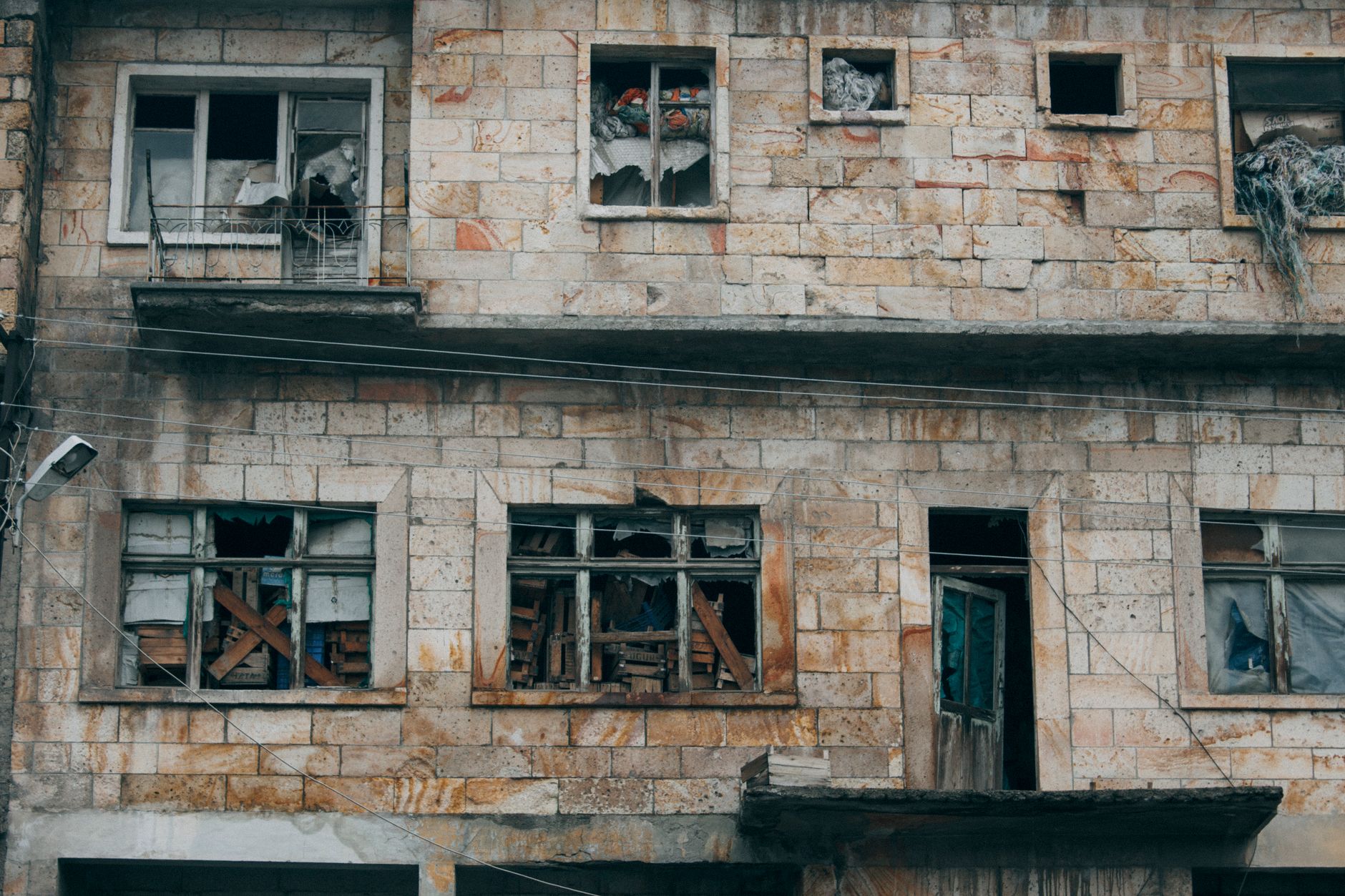
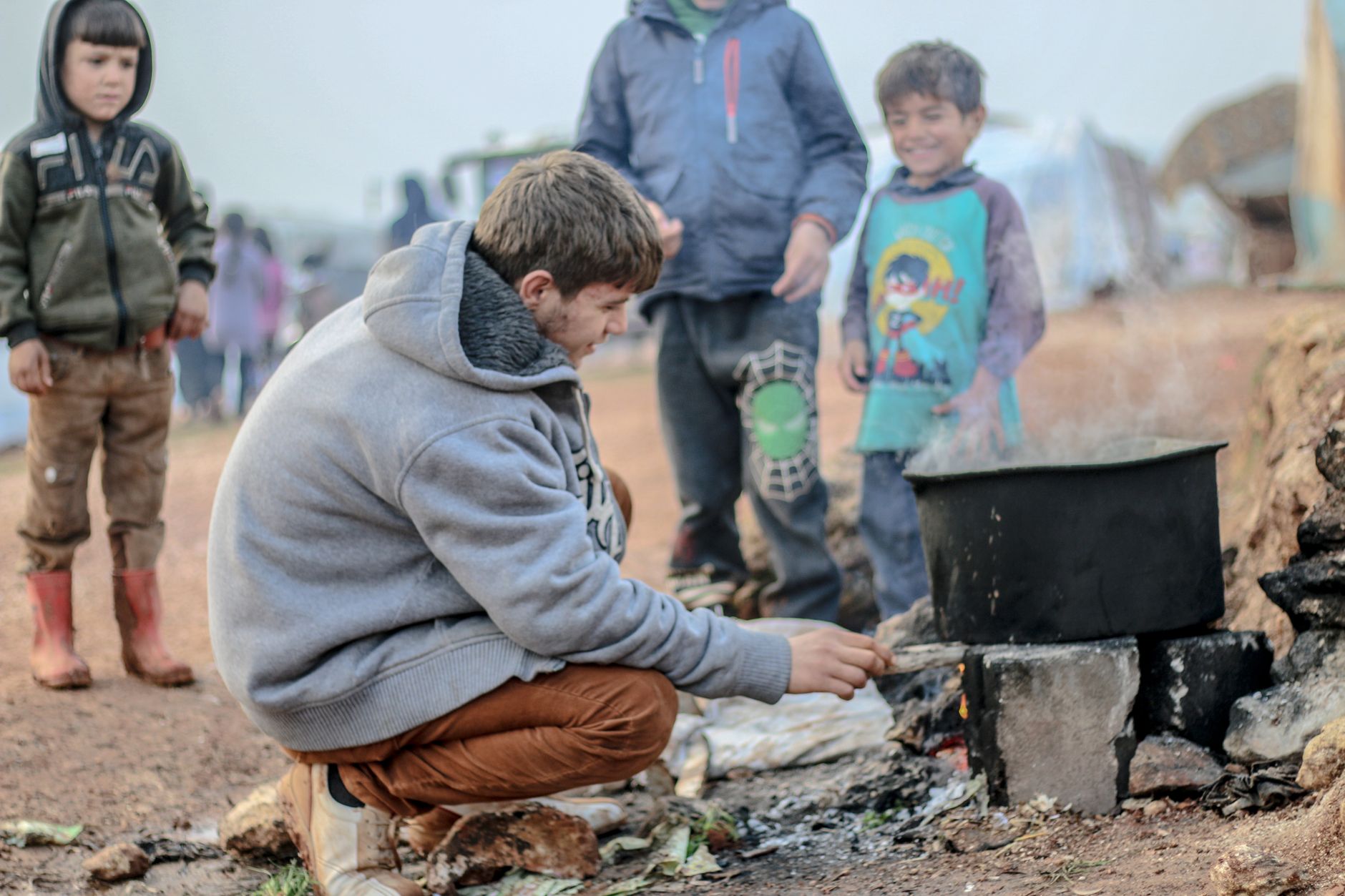
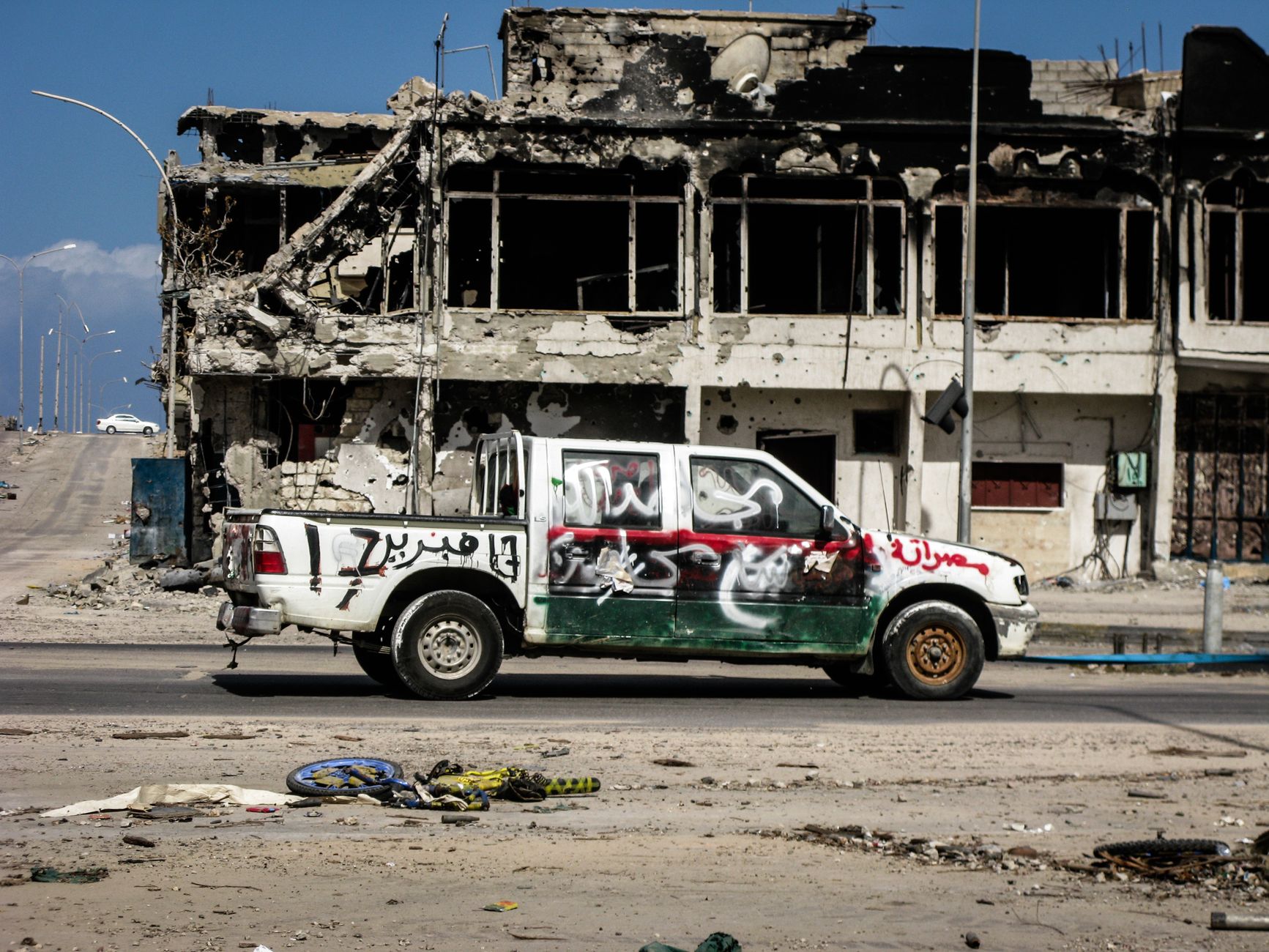
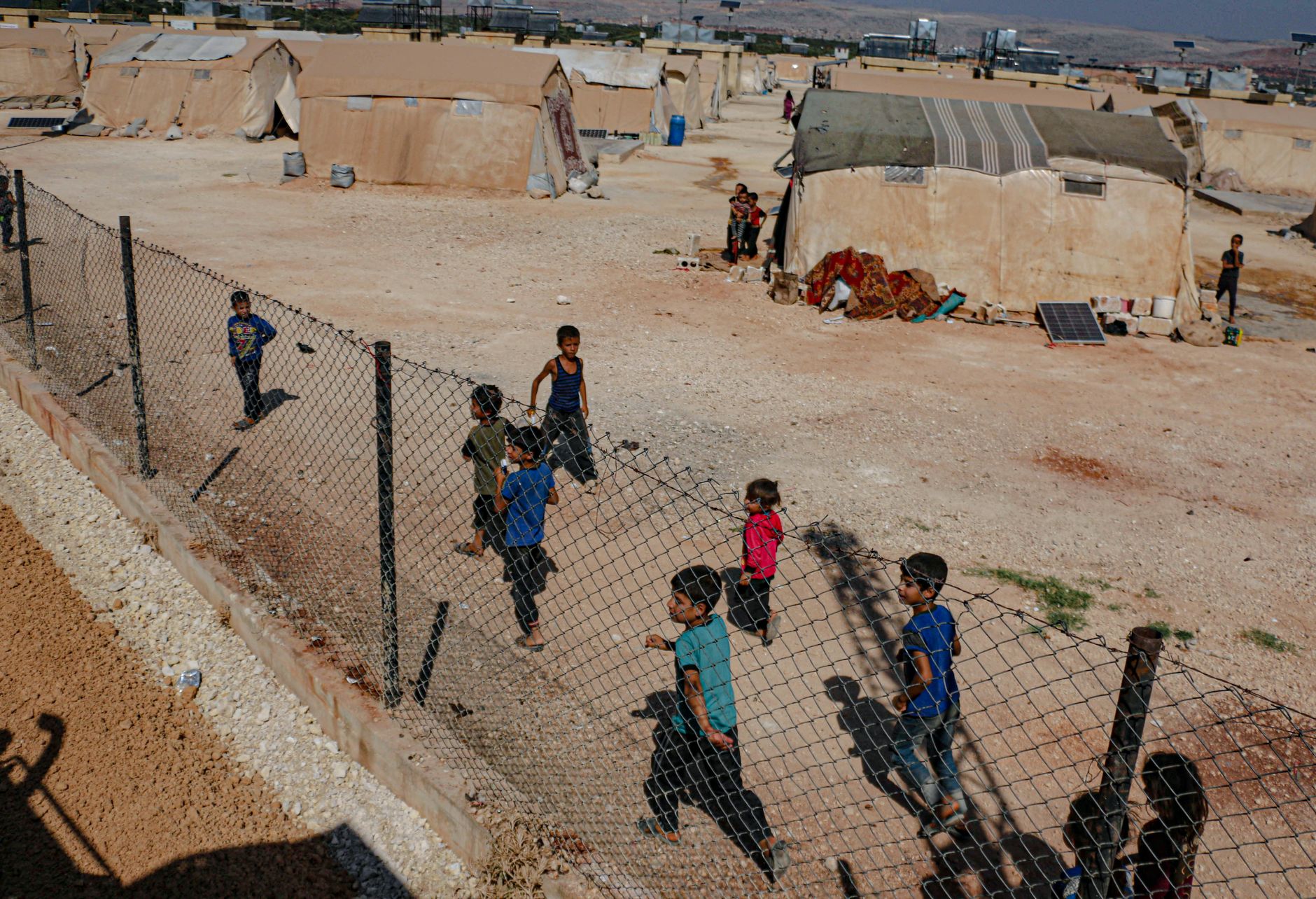
Beyond the geopolitical chess game and the high-stakes military maneuvers, the escalating conflict casts a long, dark shadow over the lives of ordinary citizens. In regions like Syria and Iraq, where communities have already endured decades of brutal conflict, displacement, and economic hardship, these renewed strikes and threats of retaliation mean an immediate return to fear and uncertainty. Families who had just begun to rebuild their shattered lives now face the terrifying prospect of another wave of violence, further displacement, and the breakdown of essential services. The human cost of this geopolitical standoff is immeasurable, manifesting in lost homes, shattered dreams, and the psychological scars of perpetual conflict.
Children, in particular, bear the heaviest burden. Growing up amidst the constant threat of airstrikes and the rhetoric of war, their development is severely hampered. Access to education becomes sporadic, if not impossible, and the trauma of violence can lead to lifelong psychological issues. Parents struggle with the impossible choice of staying in their homes, risking their children's safety, or fleeing as refugees, facing unknown perils and uncertain futures. The international community's failure to secure a lasting peace translates directly into the continued suffering of millions, whose basic human rights to safety, stability, and dignity are systematically denied.
Moreover, humanitarian aid organizations, already stretched thin and operating in extremely perilous conditions, find their vital work further complicated. Renewed hostilities often lead to blocked supply routes, increased danger for aid workers, and a surge in demand for emergency assistance that far outstrips available resources. The very infrastructure needed to deliver food, medicine, and shelter is often targeted or becomes inaccessible. This cycle of violence perpetuates a humanitarian crisis that is not merely a byproduct of conflict, but an integral part of its devastating impact, leaving vulnerable populations stranded and forgotten.
How We Got Here
The current volatile situation is the culmination of years of simmering tensions and a complex web of geopolitical maneuvers in the Middle East. The relationship between the United States and Iran has been fraught with antagonism since the 1979 Iranian Revolution, punctuated by periods of heightened confrontation and uneasy detente. A critical turning point occurred with the US withdrawal from the Joint Comprehensive Plan of Action (JCPOA), commonly known as the Iran nuclear deal, in 2018. This decision by the Trump administration reimposed crippling sanctions on Iran, which Tehran viewed as an act of economic warfare, leading it to gradually reduce its commitments under the nuclear agreement and intensify its support for regional proxy groups.
In the vacuum created by the breakdown of diplomatic channels, a shadow war intensified across the region. Iran-backed militias, including groups like Kataib Hezbollah and others operating under the umbrella of the Popular Mobilization Forces in Iraq, have frequently targeted US military personnel and diplomatic facilities. These attacks, often involving rockets and drones, have been framed by Tehran as legitimate responses to US military presence and sanctions, while Washington has consistently labeled them as acts of aggression and destabilization. Each attack and subsequent US retaliatory strike has chipped away at regional stability, inching closer to a direct, overt conflict.
The recent surge in US strikes is a direct response to a series of increasingly sophisticated and deadly attacks on American bases, particularly the one in Jordan that resulted in the deaths of three US service members. This incident crossed a critical threshold for the Biden administration, prompting a robust military response designed to deter further aggression and re-establish a sense of deterrence. However, Iran's immediate vow of retaliation suggests that instead of deterrence, these actions have only fueled a dangerous cycle of escalation, pushing both nations to the precipice of a broader, more devastating conflict in an already fragile region.
Why This Cannot Be Ignored
The renewed US strikes on IRGC targets and Iran's subsequent vows of retaliation represent a critical inflection point, threatening to ignite a far wider and more devastating conflict across the Middle East. This is not merely a localized skirmish; the region is a geopolitical powder keg, and any significant escalation between these major players could trigger a cascade of destabilizing events. The potential for a full-blown regional war involving multiple state and non-state actors is alarmingly high, with catastrophic implications for global energy markets, international trade routes, and the delicate balance of power that underpins global security.
Beyond the immediate military confrontation, the collapse of peace and ceasefire efforts signals a profound failure of diplomacy and a dangerous precedent for future international relations. When dialogue ceases and military action becomes the primary mode of communication, the risk of miscalculation skyrockets. Each side interprets the other's actions through a lens of suspicion and hostility, making de-escalation incredibly difficult. This erosion of diplomatic pathways means that even minor incidents could rapidly spiral out of control, leading to unintended consequences that neither party truly desires but finds itself unable to prevent.
Furthermore, the humanitarian consequences of an expanded conflict would be staggering. Millions of people in Syria, Iraq, and neighboring countries are already living in precarious conditions, displaced by previous wars and reliant on international aid. A new wave of conflict would exacerbate these crises exponentially, leading to mass displacement, severe food shortages, and a collapse of healthcare systems. The international community would face an unprecedented humanitarian challenge, potentially overwhelming existing resources and further destabilizing an already volatile region. Ignoring these developments is not an option; the reverberations of this conflict will be felt globally, impacting everything from oil prices to refugee flows.
Possible Paths Forward
Navigating the treacherous landscape of US-Iran tensions requires a multi-faceted approach, with several distinct paths forward, each carrying its own set of risks and potential rewards. One immediate path involves a concerted international diplomatic push, spearheaded by neutral third parties, to re-establish communication channels between Washington and Tehran. This would necessitate a temporary cessation of hostilities from both sides, allowing for discreet, back-channel negotiations aimed at de-escalation and rebuilding trust. The goal would be to move beyond the current tit-for-tat military exchanges and explore a framework for a more stable, albeit still challenging, relationship. Such a path demands significant political will and a willingness from both the US and Iran to compromise on some deeply entrenched positions.
Another potential trajectory involves a more robust and unified stance from regional powers, particularly those who stand to lose the most from an all-out conflict. Gulf states, Turkey, and even European allies could exert collective pressure on both the US and Iran to prioritize regional stability over strategic one-upmanship. This could manifest in economic incentives for de-escalation, or even coordinated security initiatives designed to patrol key waterways and prevent further provocations. However, achieving such regional unity is notoriously difficult given the diverse interests and historical rivalries among these nations, making this path challenging but potentially impactful if realized.
Finally, there is the perilous path of continued escalation, where each retaliatory strike begets another, leading inevitably to a direct military confrontation. While neither side explicitly desires a full-scale war, the current trajectory makes it a very real possibility. To avert this, a fundamental shift in strategy is required, moving away from purely punitive military actions towards a comprehensive strategy that combines deterrence with genuine diplomatic outreach. This might involve revisiting elements of the nuclear deal, addressing Iran's regional behavior through multilateral negotiations, and offering clear off-ramps for de-escalation. Without such a shift, the region risks being plunged into an even deeper and more destructive conflict, with global ramifications.
Questions People Are Actually Asking
What to Watch
- Monitor for any immediate retaliatory actions by Iran or its proxy forces against US interests or allies in the region. The nature and scale of such responses will dictate the next phase of escalation.
- Observe the rhetoric from both Washington and Tehran. Any softening or hardening of official statements could indicate a shift in strategy or a willingness to engage in de-escalation, or conversely, a further commitment to confrontation.
- Pay close attention to international diplomatic efforts. Watch for any public or discreet initiatives by the UN, EU, or regional powers to mediate or establish new channels of communication between the US and Iran.
- Track the movement of military assets in the region. Significant deployments or redeployments by either side could signal preparations for further military action or a defensive posture.
- Assess the impact on global oil prices and shipping routes. Any disruptions in the Strait of Hormuz or other critical waterways would have immediate and severe economic consequences globally.
- Look for any internal political developments within Iran, particularly concerning the IRGC's influence and the government's response to domestic pressures, which could affect its foreign policy decisions.
- Keep an eye on the humanitarian situation in Iraq and Syria. Any significant increase in displacement, casualties, or restrictions on aid delivery would underscore the human cost of the escalating conflict.
- Watch for statements or actions from key regional players like Saudi Arabia, Israel, and Turkey, as their reactions and involvement could significantly broaden or alter the scope of the conflict.





Comments
No comments yet. Be the first to comment!