


The Numbers
- Global growth is projected to decelerate to 2.8% in 2026, a significant downward revision from earlier forecasts, primarily driven by persistent geopolitical tensions and tightening financial conditions across major economies.
- Inflation remains stubbornly high in advanced economies, averaging 5.2%, necessitating continued vigilance from central banks and potentially prolonged periods of restrictive monetary policy to anchor expectations.
- Emerging market and developing economies are experiencing a more diverse growth trajectory, with some commodity exporters benefiting from elevated prices, while others grapple with debt distress and capital outflows.
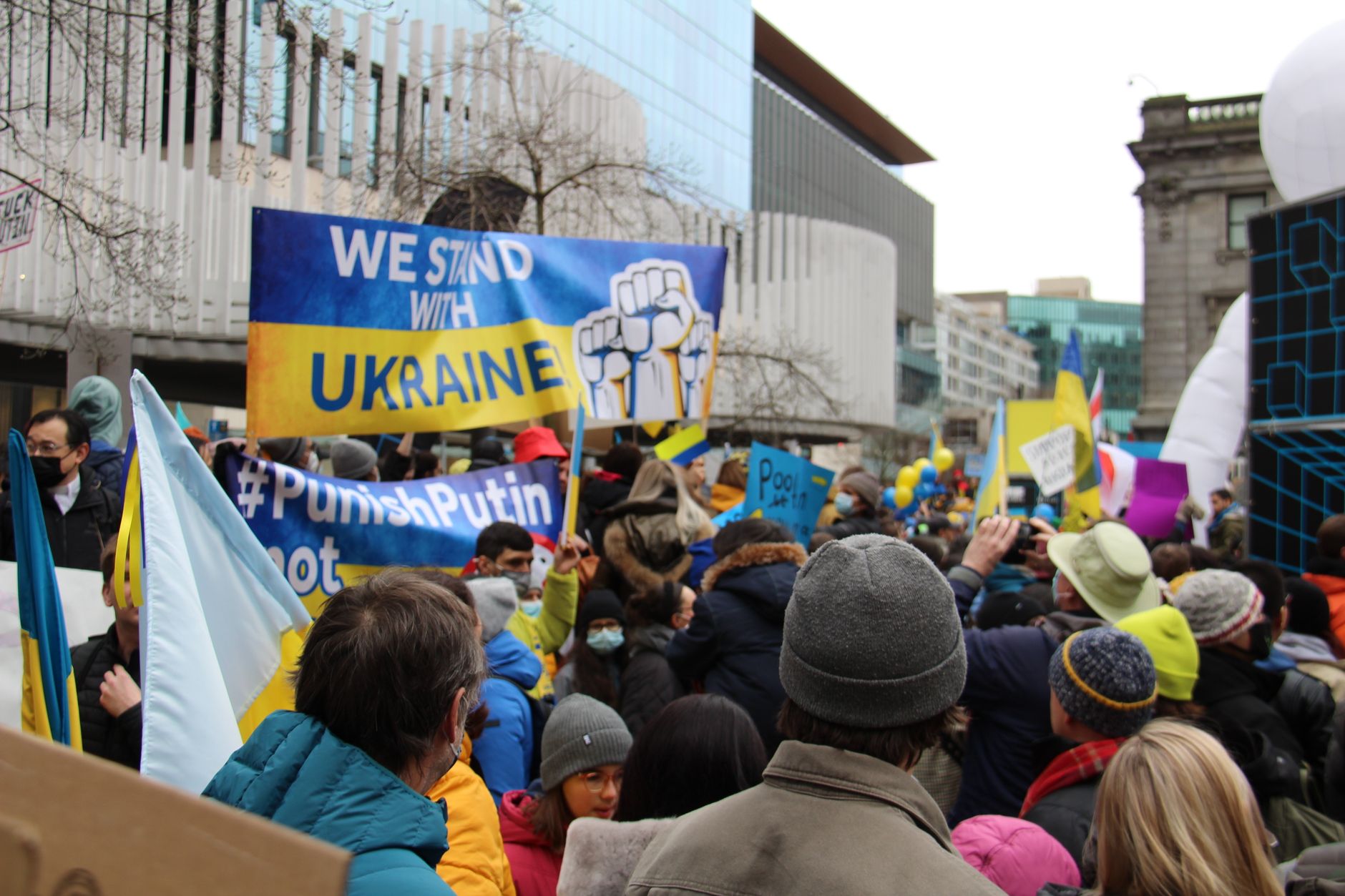
- The ongoing conflict in Eastern Europe continues to disrupt global supply chains and energy markets, contributing significantly to inflationary pressures and undermining consumer and business confidence worldwide.
- Technological advancements, particularly in artificial intelligence and automation, are creating both immense opportunities for productivity gains and substantial challenges related to labor market displacement and income inequality.
- Public debt levels have reached unprecedented highs in many nations, severely limiting fiscal space for governments to respond to future shocks and invest in critical infrastructure and social programs.
Context Check
The global economic landscape in mid-2026 is defined by an intricate web of interconnected challenges, far more complex than the typical cyclical downturns of previous decades. Geopolitical instability, particularly the protracted conflict in Eastern Europe, continues to cast a long shadow, disrupting established trade routes, exacerbating energy and food price volatility, and fueling a pervasive sense of uncertainty that chills investment and consumption decisions globally. This environment demands a nuanced understanding of how these external shocks interact with domestic policy choices and pre-existing vulnerabilities.
Simultaneously, the accelerating pace of technological innovation, particularly in areas like artificial intelligence, quantum computing, and advanced robotics, presents a double-edged sword. While these advancements promise unprecedented productivity gains and new avenues for economic growth, they also pose significant challenges. The potential for widespread job displacement, the deepening of digital divides, and the need for massive reskilling initiatives are pressing concerns that policymakers must address proactively to ensure that the benefits of technological progress are broadly shared and do not exacerbate existing inequalities.
Furthermore, the lingering effects of the recent global pandemic, coupled with the ongoing climate crisis, continue to strain public finances and expose systemic weaknesses in healthcare, social safety nets, and infrastructure. Many nations are grappling with elevated public debt, limiting their fiscal capacity to respond effectively to these multifaceted crises. The imperative for international cooperation and coordinated policy responses has never been more critical, yet the current geopolitical climate often hinders such collaborative efforts, leaving individual nations to navigate these turbulent waters largely on their own.
Background
The current economic trajectory is a direct consequence of a series of compounding shocks that began in the early 2020s. The COVID-19 pandemic triggered unprecedented disruptions to global supply chains and labor markets, leading to a surge in inflation as demand outstripped constrained supply. Governments and central banks responded with massive fiscal and monetary stimulus, which, while necessary to avert a deeper recession, also contributed to the inflationary pressures that persist today. This period set the stage for a delicate balancing act between supporting economic recovery and taming price increases, a challenge that continues to dominate policy discussions.
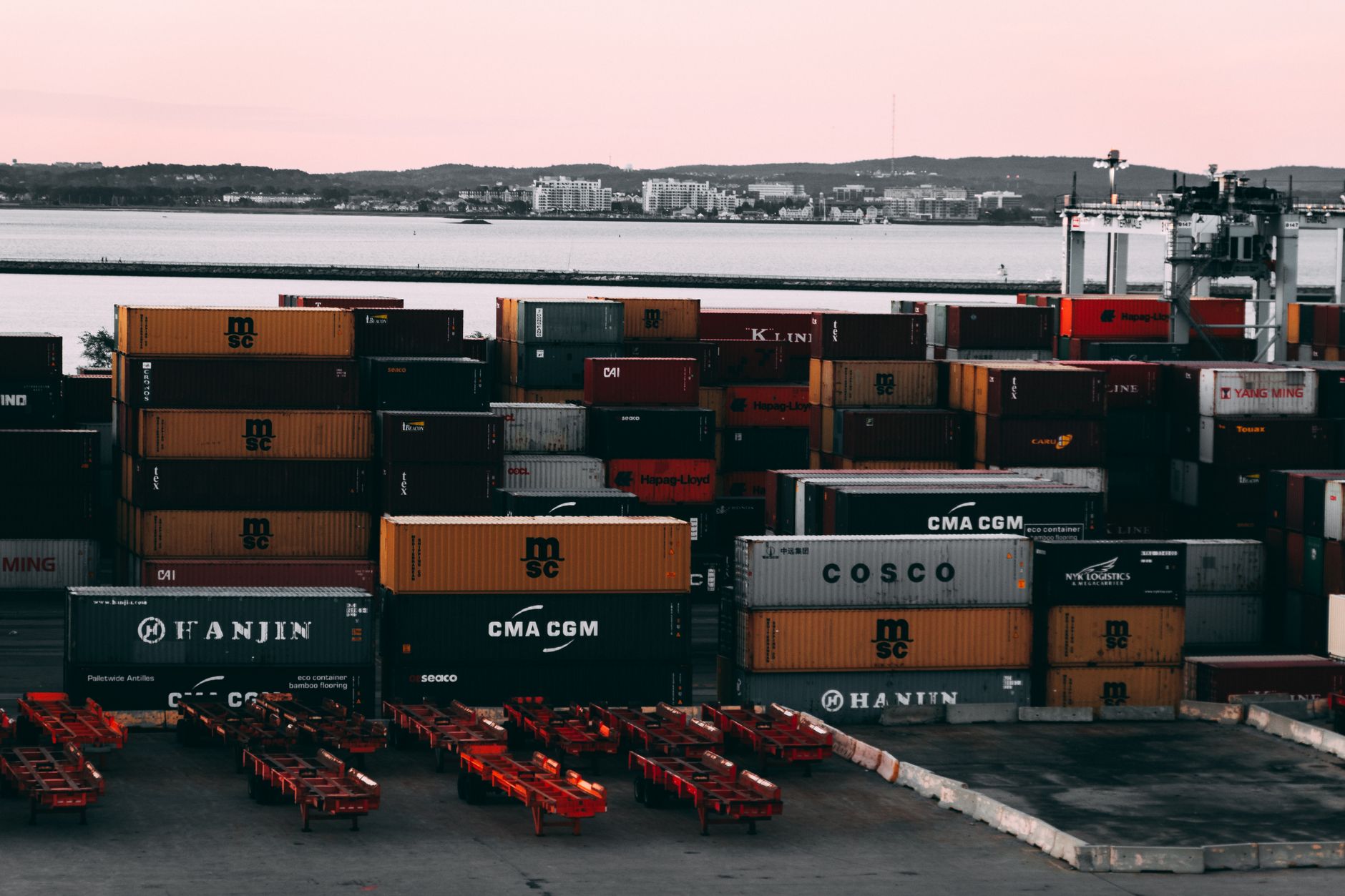
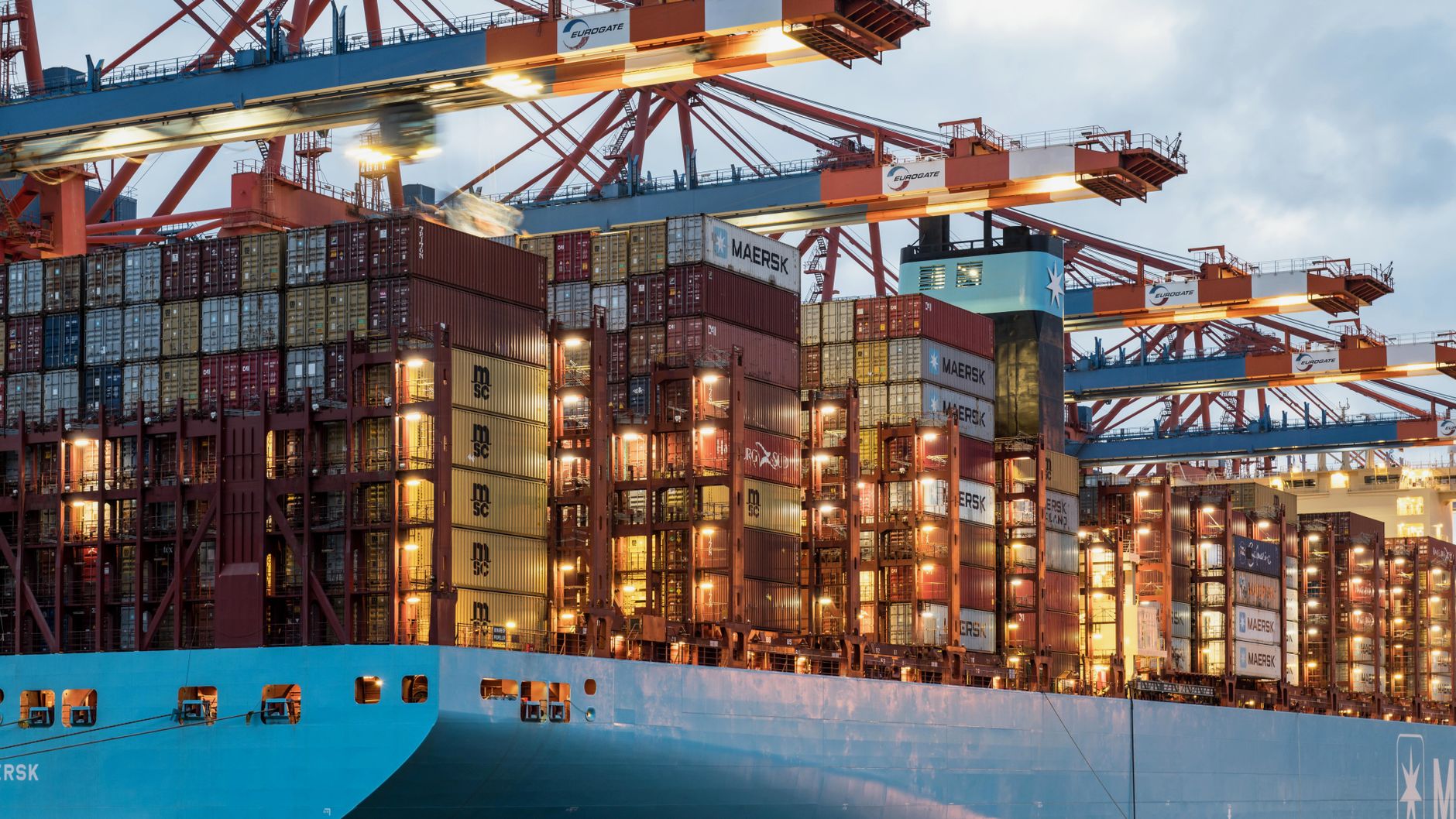
Just as economies began to show signs of recovery from the pandemic, the geopolitical landscape dramatically shifted with the escalation of conflict in Eastern Europe. This event sent shockwaves through global commodity markets, particularly for energy and food, further fueling inflation and creating significant uncertainty for businesses and consumers worldwide. The imposition of sanctions and counter-sanctions has fragmented global trade, forcing a costly reorientation of supply chains and increasing the risk of economic balkanization. The ripple effects of this conflict are far-reaching, impacting everything from energy security to food prices in distant developing nations.
Against this backdrop, the rapid advancement of digital technologies has continued unabated, fundamentally reshaping industries and labor markets. The acceleration of digitalization during the pandemic, coupled with breakthroughs in artificial intelligence, has created both immense opportunities for productivity growth and significant structural challenges. Policymakers are now grappling with how to harness these technological benefits while mitigating the risks of increased inequality, job displacement, and the need for continuous workforce adaptation. This technological revolution is not merely an economic factor but a societal one, demanding comprehensive strategies for education, training, and social safety nets.
Winners and Losers
In this volatile global economic environment, the distribution of gains and losses is becoming increasingly stark and uneven. Commodity-exporting nations, particularly those rich in oil, gas, and certain agricultural products, have seen their revenues swell due to elevated global prices, providing them with a temporary fiscal windfall. These countries are often able to invest in domestic infrastructure or pay down debt, positioning themselves more favorably for future economic shocks. However, this advantage is often contingent on the sustained high demand and price levels for their exports, which can be subject to significant volatility.
Conversely, import-dependent economies, especially those reliant on energy and food imports, are facing severe economic headwinds. High import bills are draining foreign exchange reserves, contributing to currency depreciation, and fueling domestic inflation, which disproportionately impacts lower-income households. Many developing nations, already burdened by high debt levels, find themselves in a precarious position, struggling to finance essential imports while simultaneously managing rising debt service costs. This creates a vicious cycle of economic instability and heightened vulnerability to external shocks.
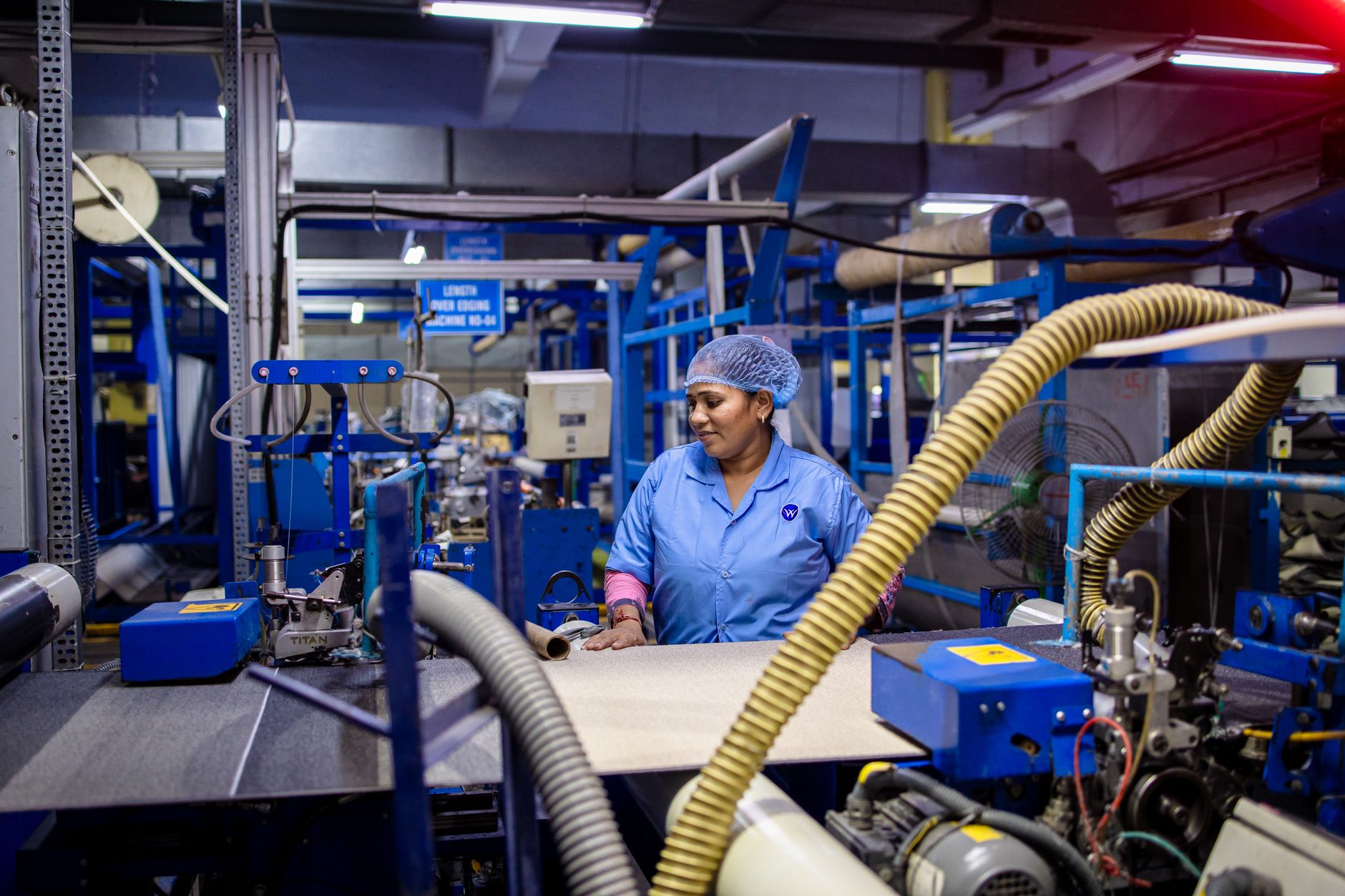
Within countries, the divide between skilled and unskilled labor is widening, largely driven by the accelerating adoption of advanced technologies. Workers with specialized skills in areas like AI, data science, and advanced manufacturing are commanding higher wages and experiencing greater job security. In contrast, those in routine or manual labor roles face increasing pressure from automation and global competition, leading to stagnant wages, job insecurity, and a growing need for extensive reskilling programs. This trend exacerbates income inequality and poses significant challenges for social cohesion and long-term economic stability.
Analyst Perspectives
Leading economic analysts are largely converging on a cautious outlook, emphasizing the unprecedented confluence of geopolitical, technological, and environmental risks. Dr. Anya Sharma, Chief Economist at Global Insights Group, notes, "The traditional economic models are struggling to fully capture the non-linear impacts of simultaneous crises. We're seeing a fundamental shift in global trade patterns and investment flows, driven less by pure economic efficiency and more by geopolitical alignment and supply chain resilience. This 'de-globalization' or 're-globalization' will have profound, long-term implications for growth potential and inflation dynamics." Her analysis underscores the need for a paradigm shift in how we understand and forecast global economic trends.
Many experts are particularly concerned about the fiscal sustainability of advanced economies. Professor David Chen, a fiscal policy expert at the University of London, warns, "Governments have exhausted significant fiscal buffers during the pandemic, and now face persistent inflationary pressures and higher interest rates. The room for maneuver is shrinking rapidly. Without credible medium-term fiscal consolidation plans, we risk a crisis of confidence in sovereign debt markets, which would have devastating consequences for global financial stability." This perspective highlights the urgent need for prudent fiscal management and structural reforms.
On the technological front, there's a consensus that the AI revolution is just beginning, but its economic impacts are still largely unquantified. Dr. Elena Petrova, a technology economist at the Brookings Institute, states, "While AI promises immense productivity gains, the transition will be disruptive. We need proactive policies – robust social safety nets, massive investments in education and vocational training, and international cooperation on AI governance – to ensure that the benefits are broadly shared and that the technological divide doesn't become an unbridgeable chasm." Her insights stress the importance of inclusive policy frameworks to manage technological transformation effectively.
Key Questions Explained
The Outlook
The immediate outlook for the global economy remains precariously balanced, characterized by persistent headwinds and elevated uncertainty. While some resilience has been observed in certain sectors and regions, the cumulative impact of geopolitical tensions, inflationary pressures, and tightening financial conditions suggests a period of subdued growth and heightened volatility. Policymakers face the unenviable task of navigating a complex landscape where traditional economic levers may have diminished efficacy against non-traditional shocks. A sustained recovery hinges on the ability of nations to collectively de-escalate conflicts and foster an environment conducive to investment and trade.
Looking further ahead, the long-term trajectory will largely be determined by how effectively governments and international institutions can adapt to and manage the twin transitions of digitalization and decarbonization. The potential for technological innovation to drive unprecedented productivity gains is immense, but only if accompanied by robust social safety nets, comprehensive education reforms, and policies that ensure equitable access to new opportunities. Similarly, addressing climate change requires massive, coordinated investments and a fundamental restructuring of energy systems, which, if mishandled, could create new economic dislocations.
Ultimately, the path to a more stable and prosperous global economy requires a renewed commitment to multilateralism and a willingness to prioritize collective action over nationalistic impulses. The interconnected nature of today's challenges—from pandemics and climate change to financial crises and technological disruption—demands coordinated policy responses and a shared vision for sustainable, inclusive growth. Without such collaboration, the global economy risks further fragmentation, increased inequality, and a diminished capacity to withstand future shocks, leaving many vulnerable in its wake.












Comments
No comments yet. Be the first to comment!