

What We Know
- The International Monetary Fund (IMF) has identified escalating Middle East conflicts and the unprecedented boom in data center construction as primary drivers shaping global economic growth through 2026, demanding immediate attention from global stakeholders.
- The ongoing geopolitical instability in the Middle East is significantly disrupting energy markets, supply chains, and investor confidence, creating a ripple effect that extends far beyond regional borders and impacts global trade dynamics.
- The surge in demand for data centers, fueled by artificial intelligence, cloud computing, and digital transformation, is creating substantial investment opportunities but also placing immense pressure on energy grids and critical infrastructure worldwide.
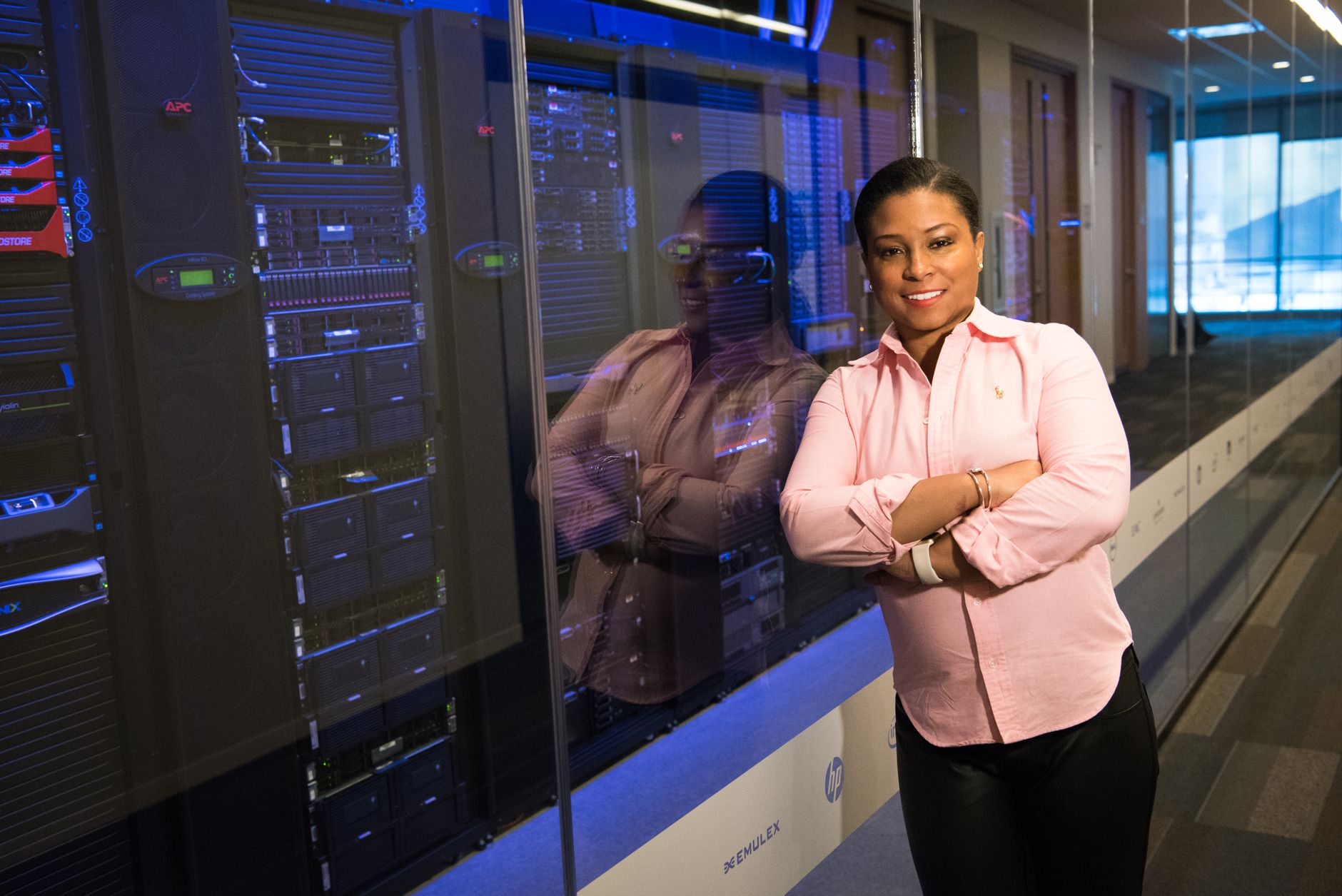
- Industrial Info Resources (IIR) projects a robust pipeline of over 1,000 data center projects globally, representing a staggering capital investment exceeding $300 billion, underscoring the scale of this digital infrastructure revolution.
- The United States leads the world in data center project activity, with over 300 projects valued at $100 billion, cementing its position as a global hub for digital innovation and infrastructure development.
- While the Middle East's direct contribution to data center investment is currently modest, the region's geopolitical stability is a critical factor influencing global investment decisions and the broader economic outlook.
What We Do Not Know Yet
- The precise duration and ultimate resolution of the Middle East conflicts remain highly uncertain, making it challenging to accurately forecast their long-term economic repercussions on global markets and regional stability.
- The full extent of the environmental impact from the massive energy consumption and carbon footprint of new data centers is still being assessed, with sustainable solutions and regulatory frameworks yet to be fully established.
- How global supply chains will adapt to persistent geopolitical tensions and the increasing demand for specialized components for data center construction is an evolving challenge that requires continuous monitoring and strategic adjustments.
- The long-term implications of artificial intelligence and advanced computing on labor markets and economic structures are still being understood, with potential for both significant job creation and displacement in various sectors.
- Whether current energy infrastructure can adequately support the exponential growth in data center power requirements without significant overhauls and investments in renewable energy sources remains a critical question.
- The effectiveness of international cooperation and diplomatic efforts in de-escalating Middle East conflicts and fostering regional stability, which is vital for global economic predictability, is an ongoing unknown.
Background
The global economy is at a critical juncture, facing a confluence of geopolitical instability and technological transformation. The International Monetary Fund (IMF) has recently highlighted two paramount forces that are poised to dictate economic growth patterns through 2026: the persistent conflicts in the Middle East and the explosive growth in data center infrastructure. These factors, while seemingly disparate, are deeply interconnected, influencing everything from energy prices and supply chain resilience to technological advancement and national security. Understanding their interplay is crucial for businesses, investors, and policymakers seeking to navigate the complex economic landscape of the coming years.
The Middle East, a region historically vital for global energy supplies, continues to grapple with a series of escalating conflicts. These geopolitical tensions have far-reaching consequences, extending beyond immediate humanitarian crises. They introduce significant volatility into global oil and gas markets, driving up energy costs and fueling inflationary pressures worldwide. Furthermore, these conflicts disrupt critical shipping lanes and trade routes, creating bottlenecks in global supply chains and increasing the cost of goods. The uncertainty generated by these hostilities also deters foreign direct investment, particularly in emerging markets, thereby dampening overall global economic confidence and growth prospects.
Simultaneously, the world is witnessing an unprecedented boom in data center construction, driven by the insatiable demand for digital services. The rapid proliferation of artificial intelligence, the expansion of cloud computing, and the ongoing global digital transformation are all fueling this surge. Industrial Info Resources (IIR) reports a staggering global pipeline of over 1,000 data center projects, representing a capital investment exceeding $300 billion. This massive investment in digital infrastructure is a testament to the foundational role data plays in modern economies, but it also presents significant challenges, particularly concerning energy consumption and environmental impact. The United States, with over 300 projects valued at $100 billion, stands at the forefront of this digital revolution, showcasing the immense scale and strategic importance of these developments.
Why It Matters
The convergence of Middle East conflicts and the data center boom creates a complex web of challenges and opportunities that will profoundly shape global economic trajectories. The instability in the Middle East directly impacts energy security and global trade, potentially leading to higher operational costs for businesses and increased living expenses for consumers worldwide. This geopolitical risk factor necessitates a re-evaluation of supply chain strategies and a renewed focus on energy diversification and resilience. Businesses must prepare for potential disruptions and price volatility, while governments must work towards diplomatic solutions to stabilize the region and mitigate its economic fallout.
The explosive growth of data centers, while a cornerstone of the digital economy, brings its own set of critical implications. These facilities are enormous consumers of electricity, raising serious concerns about grid stability, energy infrastructure capacity, and the transition to renewable energy sources. The environmental footprint of these energy-intensive operations also demands urgent attention, pushing for innovations in cooling technologies and sustainable power generation. For industries, this means a massive demand for skilled labor in construction, engineering, and IT, alongside opportunities for companies specializing in energy management, cybersecurity, and advanced hardware.
Ultimately, these two forces underscore a fundamental shift in the global economic paradigm. The ability of nations and corporations to navigate geopolitical uncertainties while simultaneously investing in and managing critical digital infrastructure will determine their competitive edge and economic resilience. Failure to address the energy demands and environmental impacts of data centers, or to mitigate the economic ripple effects of regional conflicts, could lead to significant economic instability and hinder technological progress. Proactive planning, strategic investments, and international cooperation are not merely advisable; they are absolutely essential for sustainable global growth in the coming years.
Timeline of Events
- Early 2020s: Accelerated global digital transformation driven by the COVID-19 pandemic significantly boosts demand for cloud services and data storage, setting the stage for the current data center boom.
- 2022-Present: Escalation of various conflicts and geopolitical tensions across the Middle East intensifies, leading to increased volatility in global energy markets and disruptions to international shipping routes.
- Late 2023: Major financial institutions and economic bodies, including the IMF, begin to flag the Middle East conflicts as a significant downside risk to global economic growth forecasts for the subsequent years.
- Early 2024: Industrial Info Resources (IIR) releases initial projections indicating a robust and rapidly expanding pipeline of data center projects worldwide, with capital investments reaching unprecedented levels.
- Mid-2024: Reports emerge detailing the substantial energy consumption of new and planned data centers, sparking debates and concerns among environmental groups and energy policymakers regarding grid capacity and sustainability.
- Late 2024: The IMF formally identifies both the ongoing Middle East conflicts and the burgeoning data center industry as key determinants shaping the trajectory of global economic growth through 2026, emphasizing their interconnected impact on various industrial sectors.
Rapid-Fire Q&A
What Is Coming
- Continued geopolitical volatility in the Middle East is anticipated, necessitating ongoing vigilance and strategic planning for global energy markets and supply chain resilience, with potential for further disruptions.
- The relentless growth in data center construction is set to continue, particularly driven by advancements in AI and the increasing global reliance on cloud services, demanding significant investment in power infrastructure and sustainable technologies.
- Increased focus on energy efficiency and renewable energy sources for data centers will become paramount, as environmental concerns and grid capacity limitations push for more sustainable operational models and innovative solutions.
- Governments and international bodies will likely intensify efforts to de-escalate Middle East conflicts and promote regional stability, recognizing the critical link between peace and global economic predictability and growth.
- The demand for skilled professionals in data center construction, operation, and cybersecurity will surge, creating new job markets and requiring substantial investment in education and workforce development programs.
- Expect a growing debate and potential regulatory frameworks concerning the environmental impact and energy consumption of data centers, leading to stricter standards and a push for greater transparency from industry players.










Comments
No comments yet. Be the first to comment!