

Key Takeaways
- The recent US-Iran confrontations have significantly heightened geopolitical instability, directly impacting European security calculations and necessitating a robust re-evaluation of defense strategies across the continent.
- Europe is now facing immense pressure to accelerate its pursuit of strategic autonomy, moving beyond traditional reliance on the United States for security guarantees and developing independent defense capabilities.
- The prospect of a direct military conflict in the Middle East poses severe economic repercussions for Europe, particularly concerning energy supply disruptions and the potential for a new refugee crisis, demanding proactive contingency planning.
- Transatlantic relations are under unprecedented strain as European nations grapple with diverging interests and approaches to Middle Eastern security, potentially leading to a fragmentation of NATO's unified front.
- The crisis highlights the urgent need for European nations to enhance their collective defense spending and modernize military assets, ensuring they possess the capacity to respond effectively to regional and global threats without sole dependence on external powers.
- This period of heightened tension serves as a critical litmus test for European diplomatic prowess, requiring sophisticated engagement with both Washington and Tehran to de-escalate conflicts and safeguard regional stability.
Background
The long-simmering tensions between the United States and Iran have recently reached a critical boiling point, marked by a series of escalating incidents that have sent shockwaves across the global political landscape. This renewed friction is not merely a bilateral dispute; it reverberates deeply through international alliances, particularly impacting Europe's security architecture. The historical context of this antagonism is crucial, stemming from decades of mistrust, sanctions, and proxy conflicts that have consistently destabilized the Middle East. The withdrawal of the U.S. from the Joint Comprehensive Plan of Action (JCPOA) in 2018, coupled with the subsequent imposition of stringent sanctions, significantly exacerbated these tensions, pushing the region closer to the brink of direct confrontation.
For Europe, this escalating crisis presents a multifaceted challenge. On one hand, European nations have largely sought to preserve the JCPOA, viewing it as a vital mechanism for preventing Iranian nuclear proliferation and maintaining regional stability. This stance often puts them at odds with Washington's more confrontational approach. On the other hand, Europe remains deeply reliant on the U.S. for its broader security framework, particularly through NATO. The current dynamic forces European leaders into an unenviable position: balancing their commitment to multilateral diplomacy and regional stability with the imperative of maintaining robust transatlantic ties, even as U.S. foreign policy increasingly diverges from European interests.
The immediate implications for European defense are profound. The possibility of a wider conflict in the Persian Gulf threatens not only global energy supplies, which are critical for European economies, but also risks triggering new waves of migration and radicalization. This necessitates a rapid re-evaluation of European defense capabilities, strategic readiness, and the very concept of strategic autonomy. The crisis compels Europe to confront uncomfortable questions about its capacity to act independently, to protect its own interests, and to project stability in its immediate neighborhood without relying solely on American leadership. This period is effectively a 'gut check' for Europe's long-term defense aspirations.
Why It Matters
The escalating US-Iran confrontation transcends a mere regional dispute; it fundamentally challenges the bedrock of European security and strategic autonomy. For decades, Europe has largely relied on the United States as the primary guarantor of its collective defense, a cornerstone of the post-World War II order. However, the current geopolitical climate, characterized by a more unpredictable U.S. foreign policy and a heightened focus on domestic priorities, forces Europe to confront the uncomfortable reality of its own vulnerabilities. This crisis acts as a potent catalyst, compelling European nations to accelerate their long-discussed, but often slow-moving, initiatives towards greater self-reliance in defense and security matters.
Beyond military considerations, the potential for conflict in the Persian Gulf carries severe economic ramifications for Europe. The region is a vital artery for global oil and gas supplies, and any significant disruption could trigger a massive surge in energy prices, plunging European economies already grappling with inflationary pressures into deeper instability. Moreover, a humanitarian crisis, including potential refugee flows, would place additional strain on social and political systems across the continent. The interconnectedness of global markets means that even a localized conflict can have cascading effects, directly impacting the livelihoods and stability of millions of Europeans.
Furthermore, the crisis tests the very fabric of transatlantic relations and the future viability of NATO. Divergent approaches to Iran policy expose deep fissures between Washington and its European allies, raising questions about the alliance's ability to present a united front against complex global threats. If Europe perceives its interests are not adequately represented or protected by its primary security partner, it could lead to a significant reorientation of strategic alliances and defense spending priorities. This moment is not just about Iran; it's about defining the future trajectory of European defense and its role on the global stage, independent of, or in closer partnership with, the United States.
Ground Reality
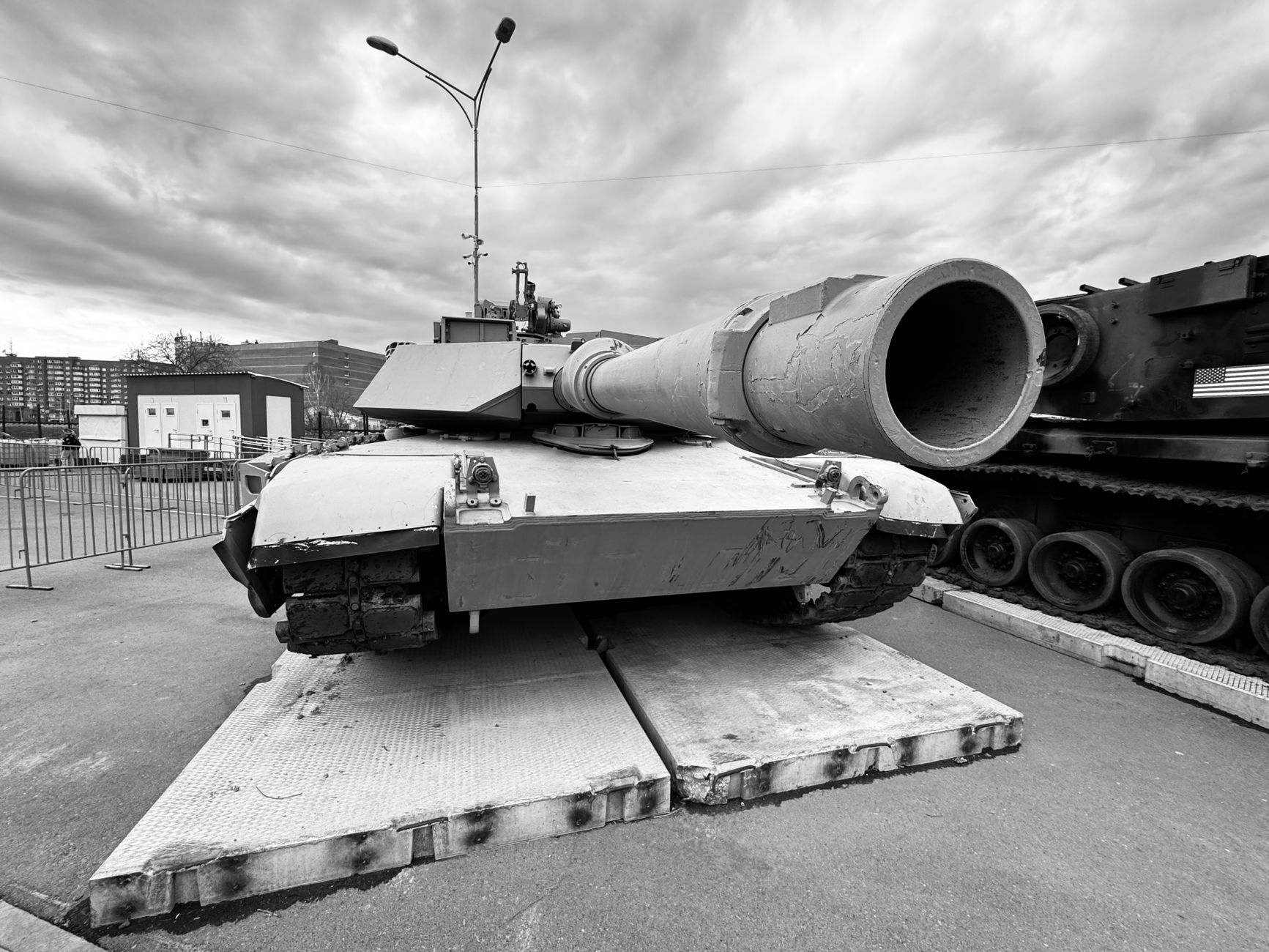
On the ground, the immediate impact of the US-Iran tensions is palpable across Europe. Defense ministries are actively reviewing their contingency plans, assessing the readiness of their forces, and evaluating potential vulnerabilities in their supply chains, particularly concerning energy. There's a noticeable uptick in discussions around increasing defense budgets, not just to meet NATO commitments but to build genuinely independent capabilities. Countries like France and Germany, long proponents of European strategic autonomy, are finding renewed impetus for initiatives like the European Intervention Initiative and the Permanent Structured Cooperation (PESCO), aiming to foster greater interoperability and shared defense projects among member states. This isn't theoretical; it's driving concrete policy shifts and investment decisions right now.
The political landscape within Europe is also shifting. While there's a broad consensus on the need for de-escalation in the Middle East, there are nuanced differences in how European capitals view the path forward. Some nations, particularly those with strong historical ties to the U.S. or those more directly exposed to Russian aggression, remain staunchly aligned with Washington's security posture. Others, however, are increasingly vocal about the need for Europe to forge its own foreign policy and security identity, independent of American influence. This internal debate, often played out in parliamentary discussions and diplomatic forums, highlights the complex balancing act European leaders must perform to maintain unity while pursuing diverse national interests.
Economically, the looming threat of instability in the Gulf is already impacting market sentiment. Oil prices remain volatile, and businesses are bracing for potential disruptions. European companies with significant investments or operations in the Middle East are re-evaluating their risk exposure, potentially leading to shifts in investment patterns. Furthermore, the humanitarian dimension cannot be overlooked. The memory of the 2015 refugee crisis still looms large, and any further destabilization in the Middle East could trigger new waves of displacement, posing significant challenges for European border management and social integration policies. The ground reality is one of heightened alert, strategic recalibration, and a profound sense of urgency across multiple sectors.
What Experts Are Saying
Security analysts across Europe are largely in agreement: the current US-Iran standoff represents a pivotal moment for European defense. Dr. Sophia Gaston, a leading expert on European security, recently stated, "This isn't just another crisis; it's an existential test for European strategic autonomy. If Europe cannot articulate and defend its own interests in a region so vital to its security and economy, then the concept of a truly independent European foreign policy remains an illusion." Her perspective underscores the widespread sentiment that Europe's long-term credibility on the global stage hinges on its response to this challenge, moving beyond rhetorical commitments to tangible actions.
Many defense strategists are emphasizing the urgent need for increased investment in European military capabilities. General (Ret.) Jean-Paul Perruche, a former high-ranking French military official, highlighted in a recent think tank brief, "The gap between Europe's defense aspirations and its actual capabilities is stark. We cannot expect to be taken seriously as a global actor if we continue to underinvest in critical areas like intelligence, strategic transport, and high-end conventional forces. The Iranian crisis merely exposes this long-standing deficiency, demanding immediate and coordinated action from all EU member states." This call for greater self-sufficiency resonates with many policy circles, advocating for concrete steps to reduce reliance on external powers.
Furthermore, political scientists are dissecting the implications for transatlantic relations. Dr. Elisabeth Braw from the American Enterprise Institute observed, "The US-Iran dynamic is creating a significant wedge within NATO. While European nations are united in wanting de-escalation, their approaches to achieving it, and their willingness to challenge Washington, vary considerably. This divergence could weaken the alliance at a time when it needs to be strongest against other emerging threats." This analytical viewpoint suggests that the crisis is not just about external threats but also about the internal cohesion and future direction of the Western alliance, prompting difficult conversations about shared values and strategic priorities.
Frequently Asked Questions
What Happens Next
The immediate future will likely see continued diplomatic maneuvering, with European powers attempting to de-escalate tensions between Washington and Tehran while simultaneously safeguarding their own interests. Expect intensified efforts from the EU's High Representative for Foreign Affairs to engage both sides, seeking channels for dialogue and proposing confidence-building measures. However, the success of these diplomatic overtures remains uncertain, heavily dependent on the willingness of both the U.S. and Iran to compromise, a prospect that has historically proven challenging. Europe's ability to present a truly united front will be crucial in lending weight to its diplomatic initiatives.
Domestically, European nations will continue to grapple with the implications for their defense policies. We anticipate an accelerated push for greater European defense integration, potentially leading to increased investment in joint military projects, enhanced intelligence cooperation, and a more streamlined decision-making process for deploying European forces. This will involve difficult political negotiations over burden-sharing and national sovereignty, but the urgency of the current situation may provide the necessary impetus for progress. The goal is to build a credible deterrent and a rapid response capability that can operate independently when necessary.
Looking further ahead, the US-Iran crisis could fundamentally reshape transatlantic relations. If the U.S. continues on a path that diverges significantly from European strategic interests, it could lead to a long-term recalibration of alliances, with Europe seeking to diversify its security partnerships and strengthen its own geopolitical standing. This doesn't necessarily mean an abandonment of NATO, but rather a more assertive and independent European foreign and security policy, capable of acting decisively in its own neighborhood and beyond. The coming months will be critical in determining whether this crisis leads to further fragmentation or a renewed, more balanced transatlantic partnership.









Comments
No comments yet. Be the first to comment!