

The Story in Brief
- Kyiv was subjected to a relentless overnight aerial assault by Russian forces, involving a combination of missiles and drones, marking one of the most intense barrages in recent weeks.
- The Ukrainian Air Force successfully intercepted and destroyed a significant number of incoming threats, including all ten ballistic missiles launched, alongside a substantial portion of the cruise missiles and drones targeting the capital.
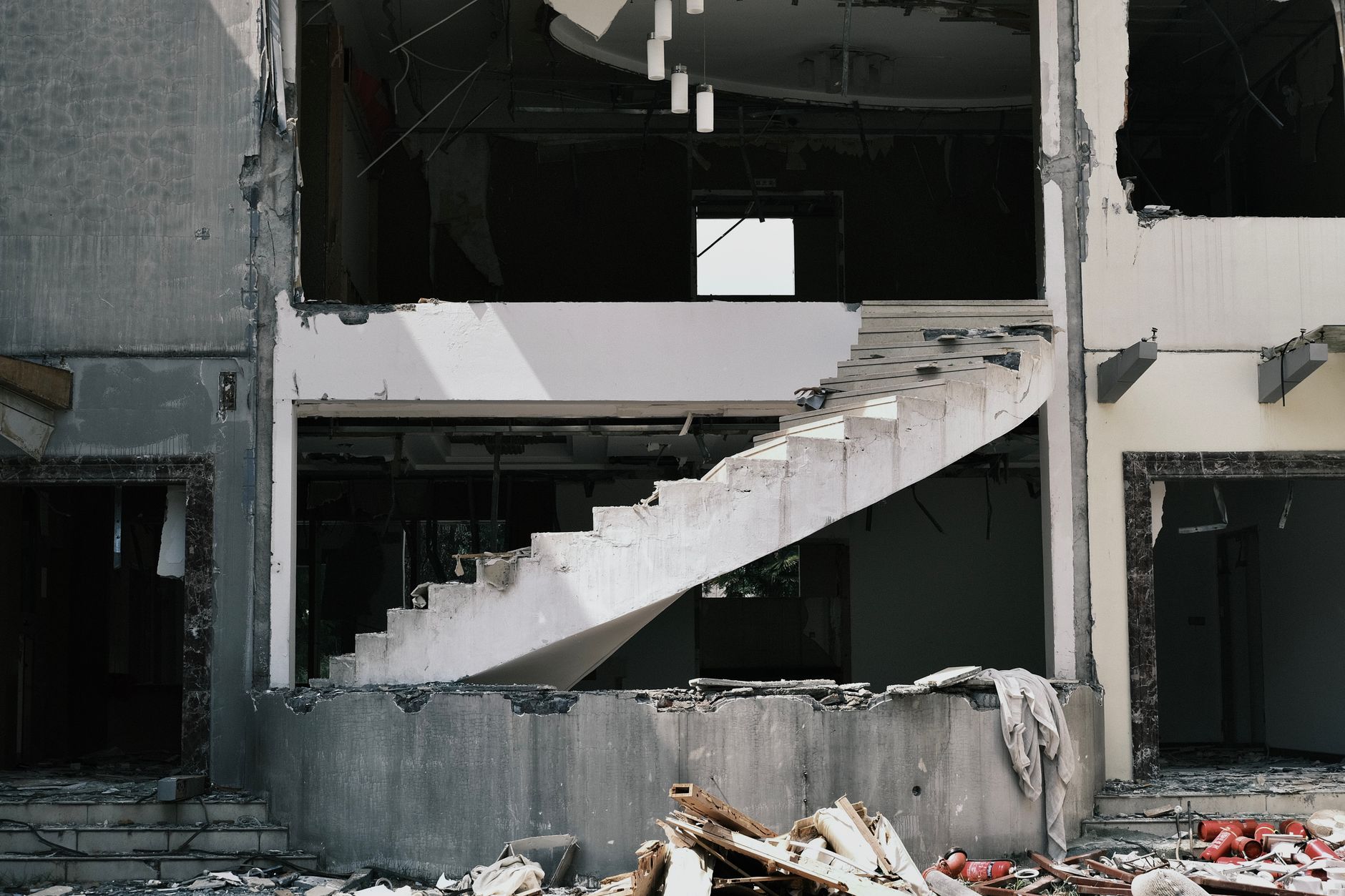
- Despite the robust air defense efforts, debris from downed projectiles caused widespread damage across multiple districts of Kyiv, impacting residential buildings, critical infrastructure, and even a gas pipeline.
- Tragically, at least ten individuals sustained injuries, with several requiring hospitalization for various degrees of trauma, underscoring the immediate human cost of these escalating attacks.
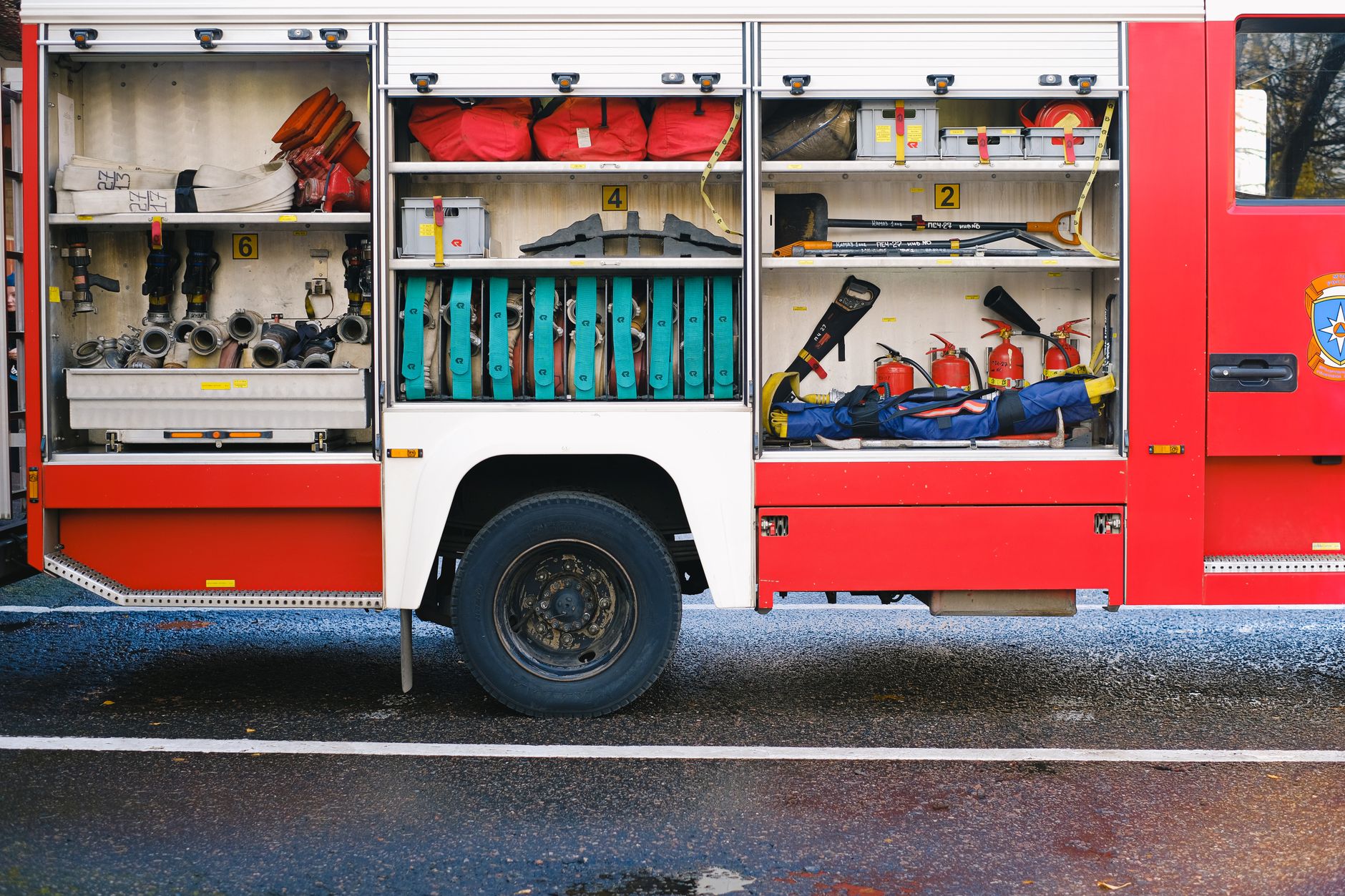
- Emergency services, including firefighters and paramedics, were immediately deployed to manage the numerous blazes and assist the wounded, working tirelessly through the night to mitigate the damage and provide aid.
- This latest assault highlights Russia's persistent strategy of targeting Ukrainian cities with devastating nighttime attacks, aiming to sow terror and degrade civilian infrastructure, despite international condemnation.
The Human Face
The human toll of Russia's unyielding aggression against Ukraine was starkly evident in Kyiv's latest overnight bombardment. Ten innocent civilians, roused from their sleep by the terrifying sounds of explosions and air raid sirens, found themselves caught in the crossfire. Their injuries, ranging from shrapnel wounds to concussions and psychological trauma, paint a grim picture of life under constant threat. These are not just numbers; they are individuals, families, and communities whose lives are irrevocably altered by each successive wave of attacks, forcing them to confront a reality where even their homes offer no sanctuary.
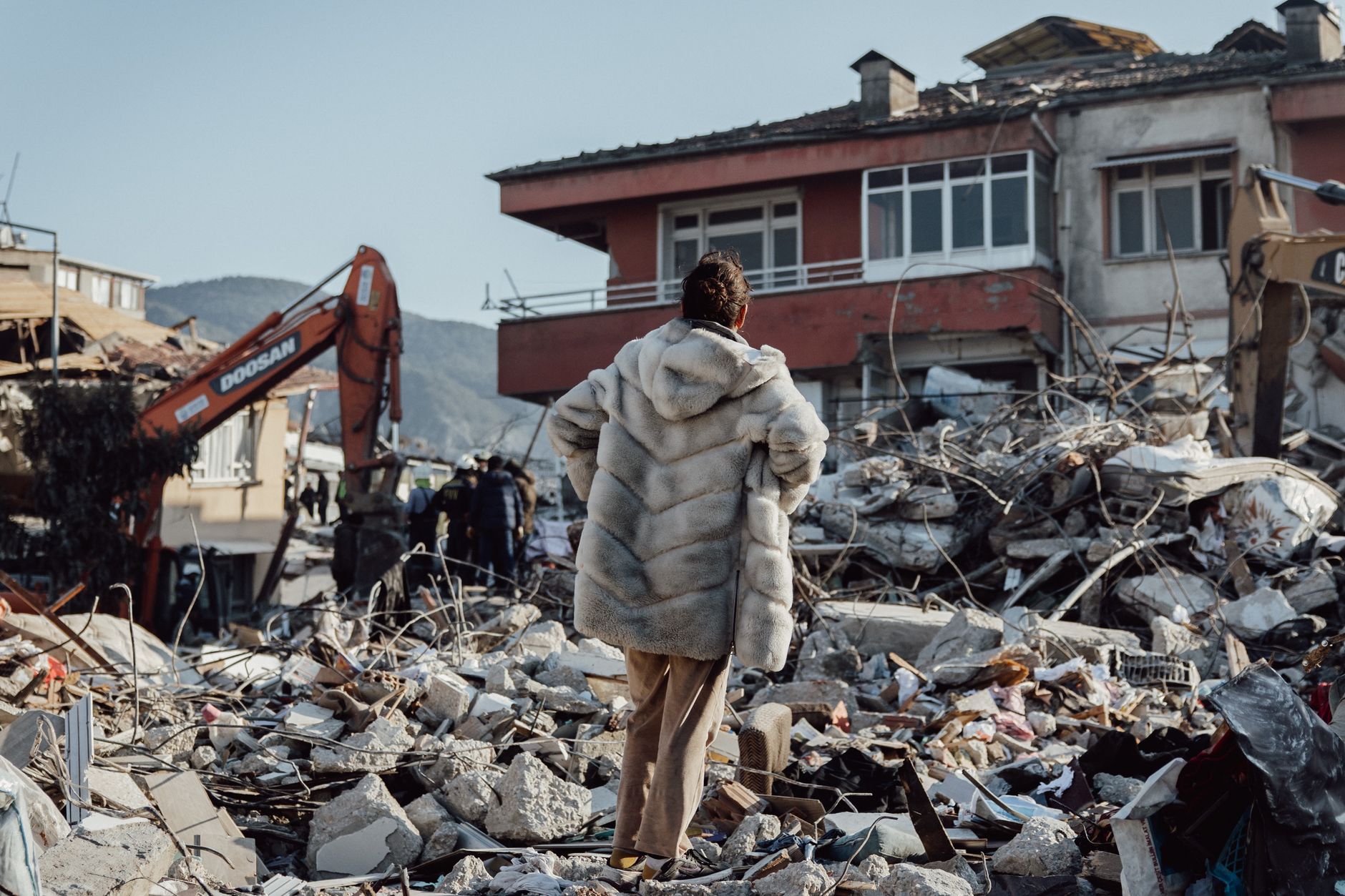
Eyewitness accounts from residents describe scenes of utter chaos and fear as debris rained down from the sky, shattering windows, igniting fires, and tearing through buildings. One resident, a mother of two, recounted huddling with her children in their apartment's hallway, praying for dawn, only to emerge to a landscape of destruction. The psychological scars left by such experiences are profound and long-lasting, contributing to a pervasive sense of anxiety and insecurity among the civilian population. This relentless targeting of urban centers is a deliberate tactic designed to break the spirit of the Ukrainian people, yet their resilience continues to shine through amidst the devastation.
Emergency responders, including paramedics and firefighters, worked heroically through the night, navigating dangerous conditions to rescue trapped individuals, extinguish raging fires, and provide urgent medical care. Their dedication in the face of such overwhelming destruction is a testament to the unwavering commitment of Ukraine's civil defense. The injured were swiftly transported to hospitals, where medical staff, already stretched thin, provided critical treatment. Each siren, each explosion, and each injured person serves as a potent reminder of the ongoing humanitarian crisis and the profound suffering inflicted upon ordinary Ukrainians.
How We Got Here
The recent escalation in aerial assaults on Kyiv is a direct continuation of Russia's full-scale invasion of Ukraine, which commenced in February 2022. From the outset, Russia has employed a strategy of targeting critical infrastructure and civilian areas, not only to degrade Ukraine's military capabilities but also to instill fear and erode public morale. Initial attempts to seize Kyiv directly were repelled by fierce Ukrainian resistance, leading Russia to shift its focus to sustained missile and drone campaigns, particularly against energy facilities and urban centers.
Throughout the past year, Kyiv has endured numerous waves of these devastating attacks. Russia frequently utilizes a mix of cruise missiles, ballistic missiles, and Iranian-made Shahed drones, often launched in complex patterns designed to overwhelm Ukrainian air defenses. These attacks have intensified during colder months, seemingly aimed at disrupting essential services and creating humanitarian crises. Despite international condemnation and sanctions, Russia has shown no sign of relenting, consistently escalating its aggression in response to perceived setbacks or strategic shifts on the battlefield.
The international community has responded with significant military aid to Ukraine, including advanced air defense systems such as Patriots and NASAMS. While these systems have proven highly effective in intercepting a large percentage of incoming threats, the sheer volume and sophistication of Russian attacks mean that some projectiles inevitably break through, causing damage and casualties. This ongoing aerial bombardment underscores the critical and urgent need for continuous and enhanced military support to Ukraine, particularly in bolstering its air defense capabilities to protect its civilian population and critical infrastructure from these relentless assaults.
Why This Cannot Be Ignored
The repeated and increasingly intense Russian aerial assaults on Kyiv are not merely isolated incidents; they represent a grave violation of international humanitarian law and a direct assault on civilian populations. Ignoring these attacks would set a dangerous precedent, signaling that such blatant disregard for human life and national sovereignty can go unpunished. The destruction of civilian infrastructure, the injury of innocent people, and the constant psychological terror inflicted upon millions are acts that demand unwavering global attention and a robust, unified response.
Beyond the immediate humanitarian crisis, these attacks have far-reaching geopolitical implications. They demonstrate Russia's persistent willingness to escalate conflict and destabilize the region, threatening the broader European security architecture. Allowing these actions to continue unchecked risks normalizing such aggression, potentially emboldening other authoritarian regimes to pursue similar tactics. The integrity of international law and the principle of national sovereignty are at stake, making it imperative for the global community to stand firm in its condemnation and support for Ukraine.
Furthermore, the ongoing targeting of Ukrainian cities, including the capital, underscores the critical need for sustained international aid, particularly in advanced air defense systems. Without adequate protection, Ukraine's ability to defend its citizens and maintain essential services is severely hampered. This is not just a conflict about territory; it is a battle for fundamental human rights and the future of democratic values. Therefore, the international community's continued engagement, both through humanitarian assistance and military support, is absolutely essential to mitigate further suffering and to ultimately bring an end to this brutal aggression.
Possible Paths Forward
One crucial path forward involves the immediate and significant enhancement of Ukraine's air defense capabilities. This requires a concerted effort from international partners to supply more advanced systems, such as additional Patriot batteries, NASAMS, and other short-to-medium range air defense assets, alongside a consistent supply of interceptor missiles. Training for Ukrainian personnel on these complex systems must also be accelerated to ensure maximum operational effectiveness. A robust, multi-layered air defense network is the most direct way to mitigate civilian casualties and protect critical infrastructure from Russia's relentless aerial bombardments, thereby reducing the humanitarian toll.
Another vital avenue is the intensification of diplomatic pressure and economic sanctions on Russia. While existing sanctions have had an impact, there is scope for further tightening loopholes and expanding targets to include sectors that continue to fund Russia's war machine. Diplomatic efforts, potentially involving neutral third parties, could explore pathways for de-escalation, though any such talks must unequivocally respect Ukraine's sovereignty and territorial integrity. The goal should be to make the cost of continued aggression so prohibitive that Russia is compelled to cease its attacks and engage in genuine peace negotiations.
Finally, long-term reconstruction and humanitarian aid must be scaled up to address the immense damage already inflicted and to support the resilience of the Ukrainian people. This includes funding for rebuilding efforts, psychological support for those traumatized by the conflict, and continued assistance for internally displaced persons. Concurrently, international bodies must continue to document and investigate war crimes, ensuring accountability for those responsible for targeting civilians. This comprehensive approach, combining immediate defense, sustained pressure, and long-term support, offers the most viable strategy for navigating this complex crisis and working towards a just and lasting peace.

Questions People Are Actually Asking
What to Watch
- The frequency and intensity of future Russian aerial assaults on Kyiv and other Ukrainian cities will be a critical indicator of Russia's strategic intentions and its capacity to sustain these destructive campaigns.
- Observe the international community's response, particularly regarding the provision of additional advanced air defense systems and interceptor missiles to Ukraine, as this directly impacts Kyiv's ability to defend itself.
- Monitor the humanitarian situation in Kyiv, including casualty figures, damage to infrastructure, and the ongoing efforts of emergency services and aid organizations to support affected populations.
- Keep an eye on any shifts in Russia's targeting strategy; whether they continue to focus on energy infrastructure, residential areas, or potentially escalate to other types of targets, will be telling.
- Any statements or actions from Ukrainian officials regarding their air defense needs, calls for international assistance, or assessments of the damage will provide crucial insights into the evolving situation.
- Watch for potential diplomatic initiatives or proposals from international mediators aimed at de-escalating the conflict or establishing humanitarian ceasefires, though prospects currently remain dim.














Comments
No comments yet. Be the first to comment!