

Key Takeaways
- The United States has initiated a new round of military strikes targeting Iranian-backed forces, marking a significant escalation in regional tensions following a period of relative calm.
- These recent strikes come at a critical juncture, directly coinciding with the apparent collapse of a fragile ceasefire agreement that had offered a glimmer of hope for de-escalation.
- The Pentagon confirmed the precision targeting of several sites associated with Iranian proxies, asserting these actions are defensive measures against ongoing threats to U.S. personnel and interests in the region.
- Iran has vehemently condemned the U.S. actions, labeling them as acts of aggression and vowing a robust response, raising serious concerns about a potential retaliatory spiral.
- International diplomatic efforts to salvage the ceasefire and prevent a broader conflict are now in jeopardy, with major global powers urging both sides to exercise extreme restraint and pursue de-escalation.
- The economic implications of this renewed conflict could be severe, potentially disrupting global oil supplies and destabilizing financial markets already grappling with uncertainty.
Background
The Middle East has long been a crucible of geopolitical tension, with the rivalry between the United States and Iran serving as a central, destabilizing axis. For decades, both nations have engaged in a complex dance of proxy conflicts, economic sanctions, and strategic posturing, often bringing the region to the brink of wider conflagration. The current crisis is not an isolated incident but rather the latest chapter in a protracted struggle for influence and security, deeply rooted in historical grievances and competing ideological visions. Understanding this intricate tapestry of past events is crucial to grasping the gravity of the present escalation.
Prior to this recent wave of strikes, there had been cautious optimism surrounding a series of back-channel negotiations aimed at fostering a ceasefire. These diplomatic overtures, facilitated by various international actors, sought to de-escalate hostilities and establish a framework for dialogue. The initial signs of a truce, however tenuous, had briefly lowered the temperature in several flashpoints across the region. This period of relative calm, though short-lived, underscored the international community's desperate desire to prevent an all-out conflict, which would inevitably have catastrophic humanitarian and economic consequences.
The United States maintains a significant military presence in the Middle East, primarily to counter terrorism, protect vital shipping lanes, and support regional allies. Iran, in turn, has cultivated a network of proxy forces across Iraq, Syria, Lebanon, and Yemen, which it views as essential for projecting its power and deterring external aggression. These interwoven interests and capabilities create a highly combustible environment, where any perceived provocation or miscalculation can rapidly spiral into direct confrontation. The latest U.S. strikes are a stark reminder of this precarious balance, indicating a decisive shift away from diplomatic engagement and towards overt military action.
Why It Matters
This renewed military engagement between the U.S. and Iranian-backed forces carries profound implications, threatening to unravel the fragile stability of the entire Middle East. A full-scale conflict in this region would not only devastate local populations but also send shockwaves across the globe, impacting everything from energy prices to international trade routes. The humanitarian cost would be immense, leading to mass displacement, increased refugee flows, and a deepening of existing crises. Furthermore, the potential for regional powers to be drawn into the fray could transform localized skirmishes into a sprawling, intractable war with unpredictable outcomes.
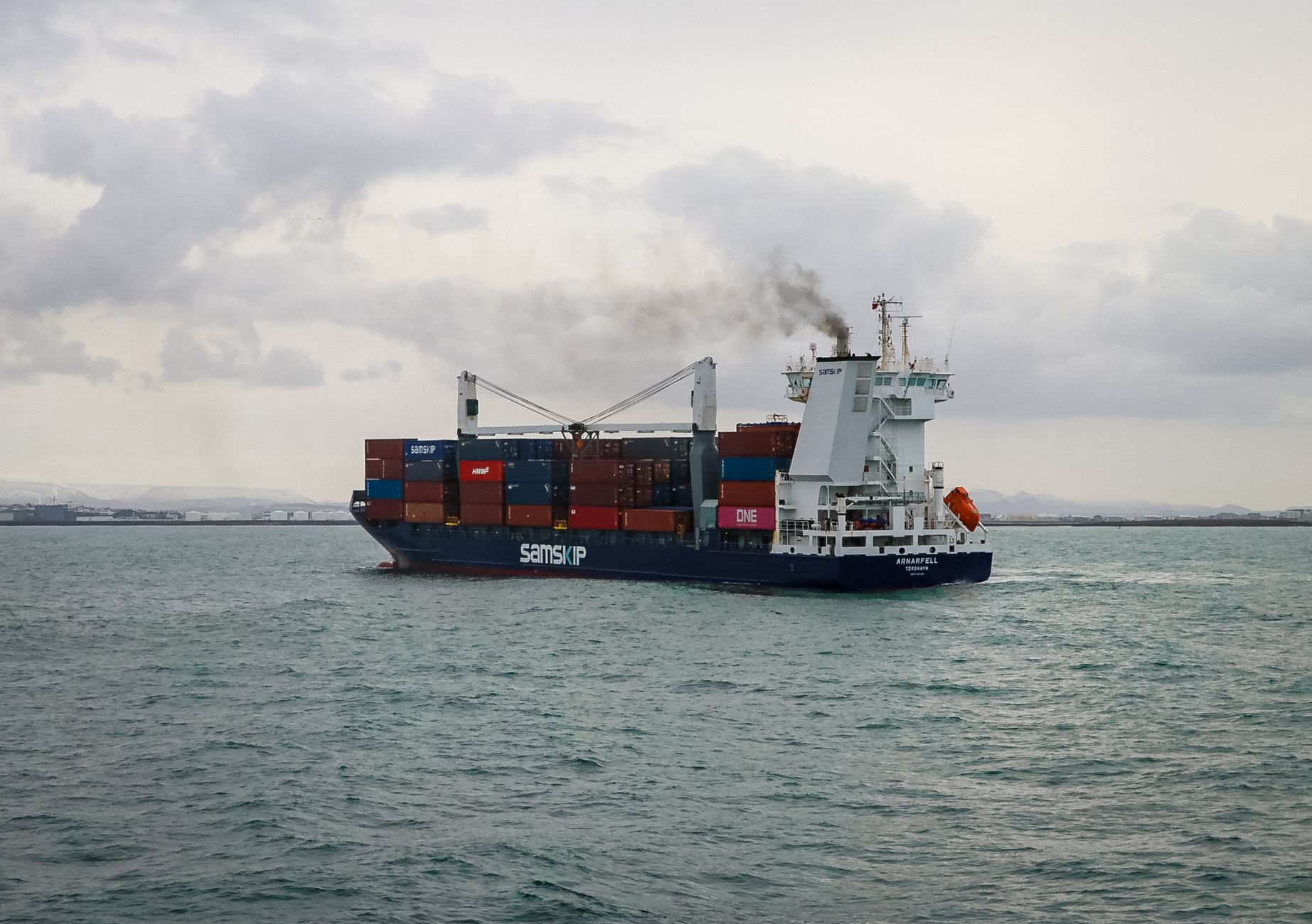
Economically, the stakes are extraordinarily high. The Middle East is a critical artery for global energy supplies, and any significant disruption to oil production or shipping through key chokepoints like the Strait of Hormuz would trigger a severe global energy crisis. Such an event would inevitably lead to soaring fuel prices, inflation, and a significant downturn in the world economy, impacting consumers and businesses worldwide. Investors are already reacting nervously to the escalating rhetoric, underscoring the immediate financial consequences of this geopolitical instability.
Beyond the immediate humanitarian and economic fallout, the long-term geopolitical repercussions are equally concerning. A protracted conflict could empower extremist groups, further destabilize fragile states, and fundamentally alter the regional power balance. It could also undermine international efforts to address other pressing global challenges, diverting attention and resources away from issues like climate change, pandemics, and nuclear proliferation. The world watches with bated breath as the situation unfolds, recognizing that the decisions made in the coming days will shape the future of the region and beyond for decades to come.
Ground Reality
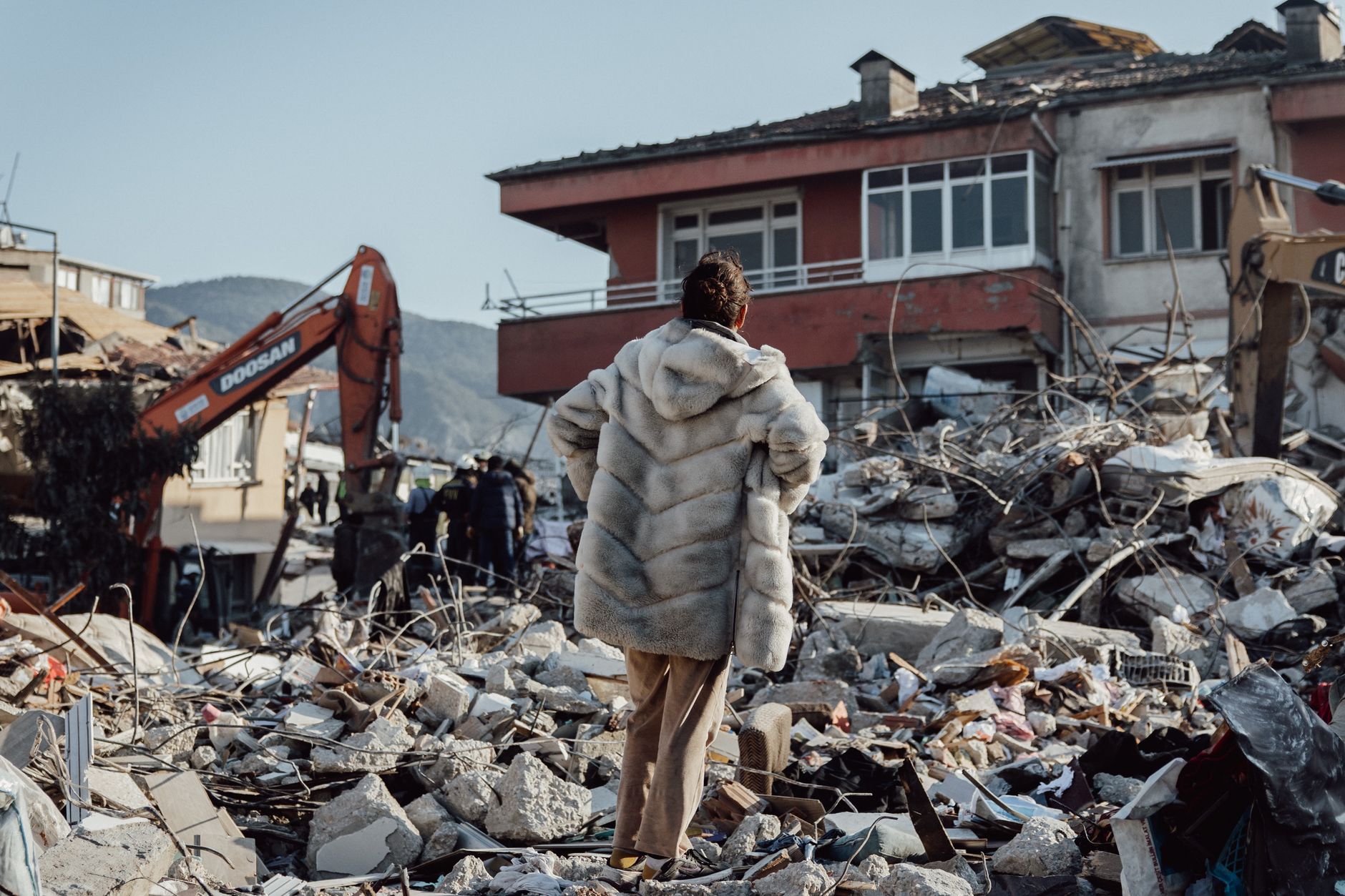
On the ground, the situation is tense and volatile. Reports from various sources indicate heightened military readiness across several countries in the region. U.S. forces have reportedly increased their defensive postures at key installations, while Iranian-backed militias are said to be on high alert, anticipating further strikes or preparing for potential retaliatory actions. Civilian populations, already weary from years of conflict and instability, are bracing for the worst, with many fearing a return to widespread violence. The fragile infrastructure in many areas, barely recovered from previous conflicts, stands little chance against a renewed onslaught, promising further devastation and humanitarian suffering.
Eyewitness accounts from affected areas describe a palpable sense of fear and uncertainty. Residents in proximity to targeted sites have reported significant damage and, tragically, casualties. The immediate aftermath of the strikes has seen emergency services scrambling to respond, while local authorities attempt to assess the full extent of the damage. Disinformation and rumors are also proliferating, making it challenging to ascertain the precise details of the situation. This information vacuum often exacerbates panic and mistrust, further complicating efforts to manage the crisis effectively and provide accurate updates to a concerned populace.
Diplomatic channels, though strained, are reportedly still open, albeit with reduced effectiveness. International mediators are working tirelessly behind the scenes to de-escalate the situation, but the recent military actions have significantly complicated their efforts. The breakdown of the ceasefire has eroded trust between the parties, making it harder to find common ground for negotiation. The immediate priority for many international observers is to prevent any further escalation that could trigger a wider regional conflict, which would have devastating and irreversible consequences for millions of people and the global economy. The current ground reality is one of extreme precariousness, where a single misstep could ignite a much larger conflagration.
What Experts Are Saying
Security analysts are largely in agreement that the latest U.S. strikes represent a significant and dangerous escalation, moving beyond mere deterrence into a more direct confrontation. Dr. Eleanor Vance, a senior fellow at the Institute for Global Security Studies, stated, "This isn't just a tit-for-tat; it signals a strategic shift. Washington is demonstrating a willingness to use kinetic force more assertively, which could be interpreted by Tehran as a direct challenge to its regional influence and a precursor to broader military action. The risk of miscalculation is now alarmingly high, and both sides are operating with extremely thin margins for error." Her assessment underscores the perilous nature of the current trajectory and the potential for unintended consequences.
Middle East policy experts are particularly concerned about the timing of these strikes, coming as they do on the heels of a faltering ceasefire. Professor David Chen, an expert on Iranian foreign policy at Georgetown University, commented, "The collapse of the ceasefire is deeply troubling. It suggests that diplomatic off-ramps are either being intentionally ignored or are simply no longer viable. The U.S. appears to be signaling that its patience has run out, but this approach risks alienating potential mediators and hardening Iran's resolve. We could be entering a prolonged period of direct military engagement, rather than the proxy warfare we've seen historically." This perspective highlights the strategic implications for future diplomatic efforts.
Economists and energy market analysts are also weighing in, projecting significant volatility. "The immediate impact on global oil prices is undeniable," noted Dr. Sarah Khan, an energy market specialist. "Any perceived threat to shipping in the Persian Gulf or disruptions to regional oil production will send prices soaring. Beyond that, the long-term uncertainty could deter investment in the region, further exacerbating economic instability. This isn't just a regional conflict; it has global economic ramifications that will be felt in every household." Her analysis emphasizes the far-reaching economic consequences that extend well beyond the immediate conflict zone, affecting global stability and prosperity.
Frequently Asked Questions
What Happens Next
The immediate future is fraught with uncertainty, as both the U.S. and Iran appear to be on a collision course. The most pressing concern is the potential for a retaliatory cycle, where each military action by one side provokes a response from the other, spiraling into a larger, uncontrollable conflict. Analysts are closely watching Iran's next moves, particularly whether it will opt for a direct military response or continue to leverage its network of proxy forces to strike U.S. interests or allies. Any direct engagement between U.S. and Iranian forces would mark a severe escalation, with unpredictable and devastating consequences for the entire region and potentially global stability.
Diplomatic efforts, though severely hampered by the recent strikes, will likely intensify behind the scenes. International mediators and key global powers are expected to redouble their efforts to de-escalate the situation, urging restraint from both Washington and Tehran. However, the breakdown of the ceasefire has significantly eroded trust, making it exceedingly difficult to bring the parties back to the negotiating table in good faith. The success of any future diplomatic initiatives will hinge on the willingness of both sides to step back from the brink and prioritize dialogue over military confrontation, a prospect that currently appears increasingly dim.
Looking further ahead, the geopolitical landscape of the Middle East could be irrevocably altered. A prolonged conflict would not only destabilize existing governments and empower non-state actors but also reshape alliances and power dynamics. The economic fallout, particularly concerning global energy markets, could trigger a recession, impacting countries far beyond the immediate conflict zone. The international community faces a critical juncture, where decisive and coordinated action is needed to prevent a regional crisis from metastasizing into a global catastrophe. The coming days and weeks will be crucial in determining whether diplomacy can prevail or if the region descends into a deeper, more destructive conflict.











Comments
No comments yet. Be the first to comment!