

The Story in Brief
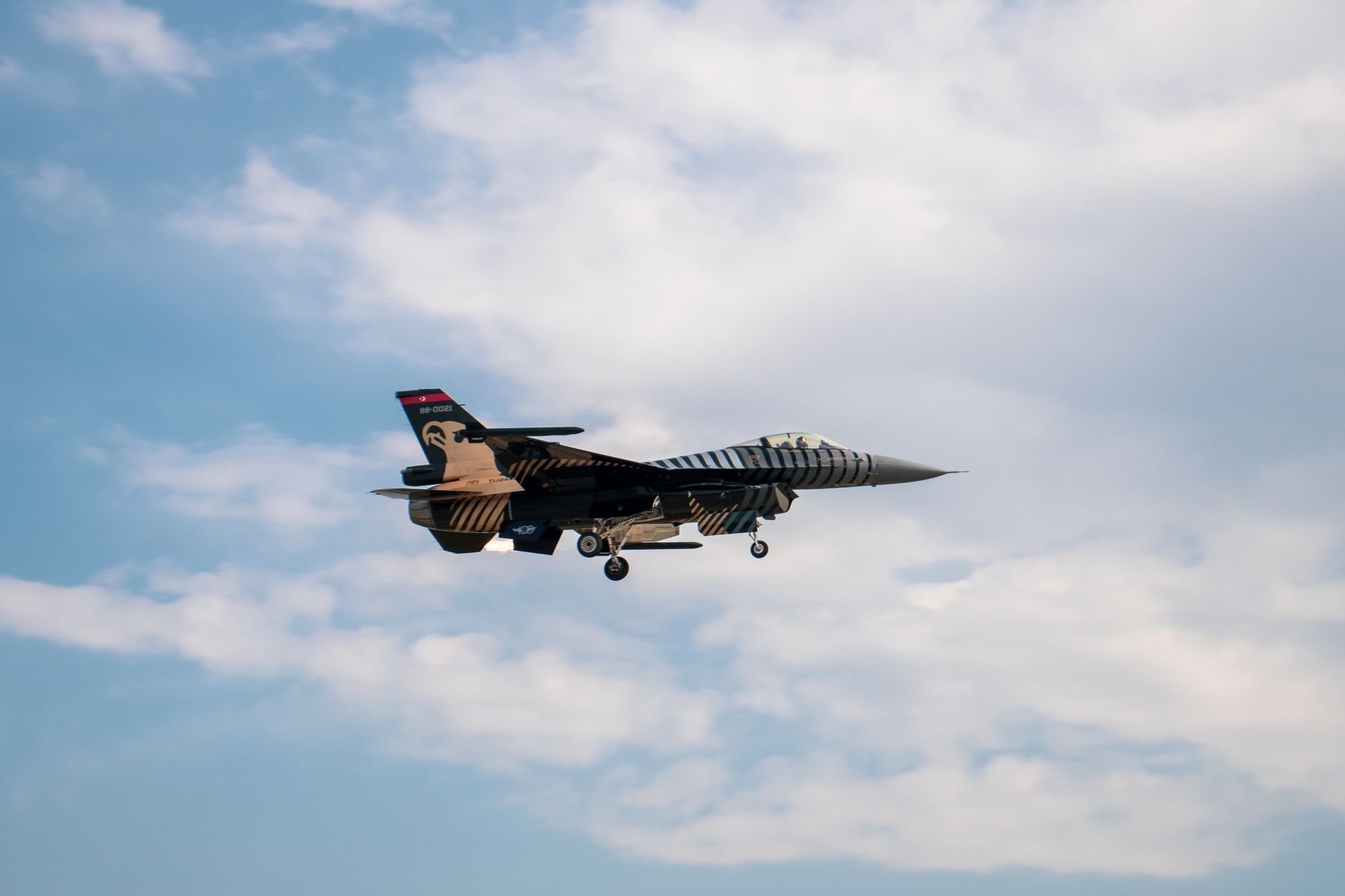
- NATO members have collectively committed to over $2.4 billion in new arms contracts, signaling a significant escalation in defense spending and a unified front against emerging global threats. This substantial investment is intended to modernize military capabilities and ensure interoperability across allied forces.
- The newly announced arms deals encompass a wide array of advanced military hardware, including sophisticated air defense systems, precision-guided munitions, and state-of-the-art surveillance technology, all critical for maintaining a technological edge.
- These strategic procurements are a direct response to the volatile geopolitical landscape, particularly the ongoing conflict in Ukraine and the increasing assertiveness of revisionist powers, underscoring NATO's resolve to deter aggression.
- Former U.S. President Donald Trump has reignited his controversial interest in purchasing Greenland, a move that has significant implications for Arctic geopolitics and international relations, potentially creating new diplomatic friction.
- Denmark, which governs Greenland, has consistently rejected any notion of selling the autonomous territory, reaffirming its sovereignty and highlighting the cultural and historical ties that bind Greenland to the Danish realm.
- The renewed discussion about Greenland's potential sale introduces a complex layer of strategic considerations, particularly concerning resource control, military positioning in the Arctic, and the broader balance of power in the region, which is becoming increasingly vital for global trade routes and natural resources.
The Human Face
For the soldiers and their families across NATO nations, these massive arms deals translate into tangible changes. Enhanced equipment means improved safety and effectiveness in the field, potentially reducing casualties and increasing the success rate of missions. However, it also signifies a heightened state of readiness, implying a greater likelihood of deployment and the inherent risks that accompany military service. Families face the emotional toll of longer separations and the constant anxiety that comes with loved ones serving in increasingly dangerous global hotspots. The human cost of maintaining peace through strength is always borne most acutely by those on the front lines and their support networks at home.
In Greenland, the renewed discussion about a potential sale evokes a complex mix of emotions, ranging from indignation to a pragmatic curiosity about the implications. For many indigenous Inuit communities, the land is not merely a commodity but an integral part of their identity, culture, and ancestral heritage. The idea of their homeland being treated as a real estate transaction by foreign powers is deeply offensive and ignites fears of cultural erosion and loss of sovereignty. Elders recall past colonial experiences, reinforcing a strong desire for self-determination and respect for their unique way of life, which is inextricably linked to the Arctic environment.
Beyond the immediate military and political circles, the ripple effects of these developments touch ordinary citizens. Increased defense spending often means a reallocation of national budgets, potentially impacting social programs, infrastructure development, or public services. While some may view robust defense as a necessary investment for national security, others might question the opportunity costs, particularly in times of economic strain. The geopolitical chess game, with its multi-billion-dollar moves and territorial ambitions, ultimately shapes the daily lives, economic prospects, and sense of security for millions of people who simply wish to live in a stable and peaceful world.
How We Got Here
The current surge in NATO defense spending and the consolidation of arms deals are direct consequences of a decade-long shift in global power dynamics. Following the initial post-Cold War optimism, which saw a reduction in defense budgets across many Western nations, the annexation of Crimea by Russia in 2014 served as a stark awakening. This aggressive act underscored the fragility of international norms and prompted a renewed focus on collective defense within the Alliance. Subsequent Russian military build-ups and cyber warfare campaigns further solidified the perception of an escalating threat, necessitating a robust and coordinated response to safeguard European security.
The ongoing full-scale invasion of Ukraine by Russia, commencing in February 2022, dramatically accelerated NATO's rearmament efforts. This conflict exposed critical vulnerabilities in European defense capabilities, particularly concerning ammunition stockpiles, air defense, and rapid deployment logistics. Member states, recognizing the immediate and existential threat posed by a resurgent Russia, moved swiftly to increase their defense budgets and streamline procurement processes. The billions in new arms deals are a direct reflection of this urgency, aiming to replenish depleted inventories, upgrade outdated equipment, and enhance the Alliance's overall deterrent posture against potential future aggressions.
Concurrently, the discussion surrounding Greenland's status has a unique, albeit intermittent, history. While former President Trump's 2019 proposal to buy Greenland was widely dismissed as eccentric, it was not entirely without precedent in American history, harking back to the purchase of Alaska. Trump's renewed interest now, amidst a backdrop of increasing great power competition in the Arctic, highlights the region's growing strategic importance. The melting ice caps are opening new shipping lanes and revealing vast untapped natural resources, making control over key Arctic territories like Greenland a significant geopolitical prize. This renewed focus on Greenland is less about a whimsical real estate deal and more about securing strategic advantage in a rapidly changing global environment.
Why This Cannot Be Ignored
The substantial increase in NATO's collective defense spending and the multi-billion-dollar arms contracts represent more than just financial transactions; they are a profound recalibration of global security priorities. This surge in military investment signals a clear and unambiguous message to potential adversaries: the Alliance is united, prepared, and committed to defending its territory and values. Ignoring these developments would mean overlooking the tangible shift in the balance of power, the strengthening of deterrence capabilities, and the potential for both increased stability and heightened tensions in a world grappling with complex geopolitical challenges. The scale of these investments underscores a perceived urgency that demands serious attention.
The re-emergence of discussions surrounding Greenland's potential acquisition by the United States, however unlikely its immediate success, cannot be dismissed as mere political theatrics. This conversation directly impacts the delicate geopolitical balance in the Arctic, a region rapidly transforming into a new frontier for strategic competition. Control over Greenland offers unparalleled access to vital shipping routes, abundant natural resources, and critical military positioning. Any shift in its status or even the persistent discussion of it has profound implications for international law, indigenous rights, and the future of Arctic governance, making it a critical issue for global stability and resource security.
Furthermore, these two seemingly disparate events—NATO's arms deals and the Greenland discussion—are intrinsically linked by the overarching theme of national security and strategic advantage in an increasingly volatile world. The former demonstrates a collective commitment to conventional deterrence, while the latter highlights the expanding scope of strategic interests into previously overlooked regions. Together, they paint a picture of a world where nations are actively preparing for future conflicts, securing vital resources, and asserting their influence through both military might and territorial claims. Understanding these interconnected developments is crucial for anyone seeking to comprehend the evolving landscape of international relations and the potential flashpoints of tomorrow.
Possible Paths Forward
One potential path forward for NATO involves continuing its current trajectory of robust defense spending and strategic modernization, focusing on interoperability and advanced technological integration. This approach would see the Alliance further solidify its collective defense posture, potentially expanding its rapid reaction forces and enhancing its cyber and space capabilities. Such a strategy would aim to deter aggression through overwhelming strength and readiness, ensuring that any potential adversary faces a formidable and united front. This path also necessitates sustained political will and financial commitment from all member states, possibly leading to even greater integration of defense industries and joint research and development initiatives across the Alliance.
Regarding Greenland, a path of reinforced diplomatic engagement and economic partnership between Denmark, Greenland, and the United States could be pursued. Instead of focusing on a controversial sale, this approach would prioritize collaborative efforts on Arctic research, climate change mitigation, and sustainable resource development, respecting Greenland's autonomy and Denmark's sovereignty. Such partnerships could leverage U.S. investment in infrastructure and technology while ensuring that the benefits directly accrue to the Greenlandic people, fostering trust and mutual respect. This would also serve to stabilize the Arctic region, preventing it from becoming a flashpoint for great power competition and promoting a cooperative security framework.
A third, more integrated path would involve NATO, in conjunction with its member states, developing a comprehensive Arctic strategy that directly addresses both military security and economic development. This strategy would acknowledge Greenland's pivotal role and seek to integrate its strategic importance into broader Alliance planning, while simultaneously supporting Greenland's self-determination and sustainable growth. This could include joint military exercises focused on Arctic conditions, investment in dual-use infrastructure, and robust diplomatic initiatives to manage competing interests in the region. Such an approach would aim to create a resilient and secure Arctic, where economic prosperity and environmental protection go hand-in-hand with robust defense capabilities, ensuring long-term stability for all stakeholders.

Questions People Are Actually Asking
What to Watch
- Monitor the actual deployment and integration of the newly acquired NATO arms. Observing how quickly and effectively these advanced systems are integrated into member states' forces will indicate the Alliance's true readiness and the impact on its collective defense capabilities. Pay close attention to joint exercises and operational reports.
- Keep an eye on any further statements or actions from former President Trump regarding Greenland. Even if not in office, his continued public commentary could influence U.S. foreign policy debates and potentially create diplomatic friction with Denmark and Greenland, impacting Arctic relations.
- Watch for reactions from non-NATO powers, particularly Russia and China, to NATO's enhanced military posture. Their responses, whether through military exercises, diplomatic statements, or increased presence in the Arctic, will be critical indicators of the evolving geopolitical landscape.
- Observe the internal political dynamics within Greenland and Denmark. Any shifts in public opinion or government policy regarding their relationship, particularly in light of external pressures or proposals, could have significant long-term implications for the territory's future and its role in Arctic security.
- Track the economic implications of increased defense spending across NATO nations. Assess whether these investments stimulate economic growth through defense industries or if they lead to significant trade-offs in other public sectors, impacting national budgets and public services.
- Pay attention to international discussions and agreements concerning Arctic governance. As the region becomes more accessible and strategically vital, the development of new treaties, resource management protocols, or security frameworks will be crucial for maintaining stability and preventing conflicts over territorial claims and resources.












Comments
No comments yet. Be the first to comment!