
What We Know
- Iran has consistently threatened to close the Strait of Hormuz, a critical global chokepoint for oil shipments, in response to increased international pressure and sanctions.
- The United States and its allies have repeatedly stated their commitment to maintaining freedom of navigation through the Strait, signaling a potential flashpoint if Iran acts on its threats.
- International sanctions, particularly those targeting Iran's oil exports, have severely impacted its economy, leading to a desperate search for alternative revenue streams and diplomatic leverage.
- Several naval exercises have been conducted by both Iran and international forces in the Persian Gulf, showcasing military capabilities and sending clear signals of deterrence and readiness.
- The rhetoric from both sides has escalated significantly, with leaders issuing strong warnings and outlining potential red lines, increasing the risk of miscalculation and unintended conflict.
- Key regional players, including Saudi Arabia and the UAE, are closely monitoring the situation, as any disruption in the Strait of Hormuz would have immediate and severe economic consequences for their oil exports.
What We Do Not Know Yet
- The precise threshold at which Iran would consider closing the Strait of Hormuz remains ambiguous, making it difficult to predict their exact response to future sanctions or military actions.
- The specific military tactics and resources Iran would employ to enforce a blockade, and the effectiveness of such measures against international naval forces, are largely unknown.
- The extent to which international powers, particularly the United States, would escalate their military response to an Iranian blockade is not fully clear, raising questions about potential conflict scenarios.
- The long-term economic impact of a sustained blockade on global oil prices and supply chains, beyond initial spikes, is a subject of intense speculation and complex modeling.
- Whether any back-channel diplomatic efforts are underway to de-escalate tensions and find a peaceful resolution to the standoff, or if all avenues for dialogue have been exhausted, remains undisclosed.
- The potential for a regional proxy conflict to ignite or intensify if the situation in the Strait of Hormuz escalates, drawing in other actors and further destabilizing the Middle East, is a significant unknown.
Background
The geopolitical standoff with Iran is deeply rooted in decades of mistrust, ideological differences, and strategic competition. At its core lies Iran's nuclear program, which Western powers fear is aimed at developing nuclear weapons, despite Tehran's persistent claims of peaceful intent. This suspicion has led to a stringent international sanctions regime designed to cripple Iran's economy and force it to abandon its nuclear ambitions. The sanctions, particularly those targeting its vital oil sector, have had a devastating effect, pushing Iran to the brink economically and fueling its rhetoric of resistance.
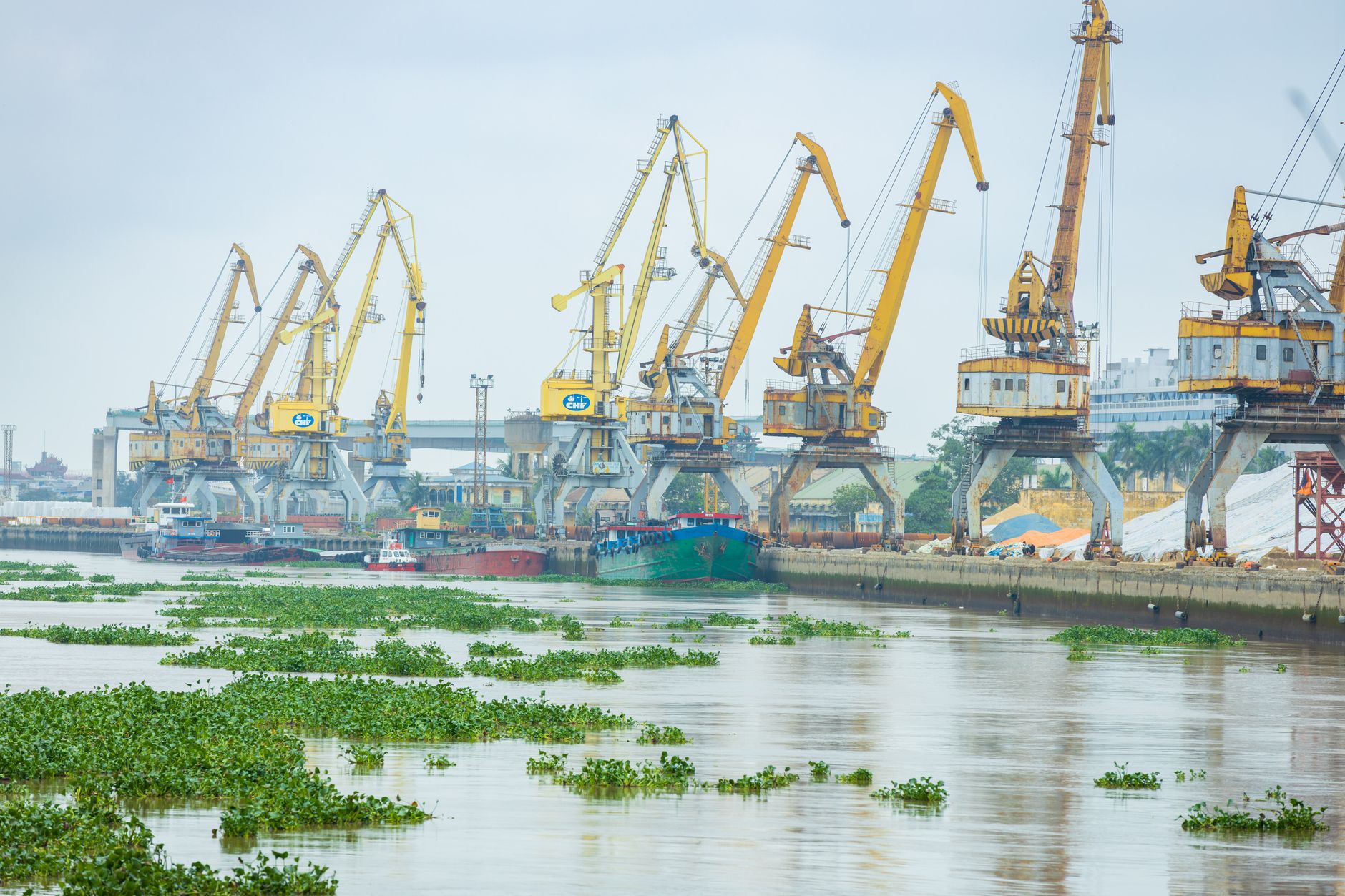
A crucial element in this high-stakes game is the Strait of Hormuz, a narrow waterway connecting the Persian Gulf to the open ocean. Approximately one-fifth of the world's total petroleum consumption, including a significant portion of crude oil and liquefied natural gas, passes through this strategic chokepoint daily. For Iran, threatening to close the Strait is its ultimate leverage, a powerful card it can play to disrupt global energy markets and inflict economic pain on its adversaries, thereby attempting to force a reconsideration of sanctions and diplomatic isolation. This threat is not merely rhetorical; Iran has demonstrated its capacity for disrupting shipping in the past, albeit on a smaller scale.
The international community, particularly the United States and its allies, views freedom of navigation through the Strait of Hormuz as a non-negotiable principle. Any attempt by Iran to impede this flow would be met with a robust military response, potentially triggering a direct conflict. The presence of significant naval assets from various nations in the region underscores the gravity of this commitment. This delicate balance of threat and deterrence creates a highly volatile environment, where miscalculation or an accidental escalation could have catastrophic consequences not only for the region but for the global economy and international security.
Why It Matters
The potential for a naval blockade in the Strait of Hormuz carries immense global implications, far beyond the immediate region. A disruption in this vital waterway would immediately send shockwaves through international oil markets, causing crude prices to skyrocket and potentially triggering a global economic recession. Industries reliant on stable energy prices, from manufacturing to transportation, would face unprecedented challenges, leading to widespread job losses and economic instability. The ripple effects would be felt by consumers worldwide through increased fuel costs and higher prices for goods and services, demonstrating how deeply intertwined global energy security is with regional stability.
Beyond the economic fallout, an escalation in the Persian Gulf could ignite a broader regional conflict, drawing in multiple state and non-state actors. The Middle East is already a crucible of complex rivalries and proxy wars, and a direct confrontation involving Iran and major global powers would undoubtedly destabilize the entire region further. This could lead to humanitarian crises, mass displacement, and a prolonged period of instability, exacerbating existing tensions and creating new security challenges that would be incredibly difficult to contain. The intricate web of alliances and antagonisms means that a localized conflict could rapidly spiral out of control.
This situation also fundamentally challenges the principles of international law and freedom of navigation, cornerstones of global trade and security. If a major chokepoint like the Strait of Hormuz can be unilaterally closed, it sets a dangerous precedent for other strategic waterways around the world. This would undermine the rules-based international order and encourage other nations to consider similar coercive tactics, leading to a more unpredictable and perilous global landscape. The outcome of this standoff will therefore have lasting implications for how international disputes are managed and how global commons are protected.
Timeline of Events
- **1980-1988 (Iran-Iraq War):** Both sides attacked oil tankers in the Persian Gulf, highlighting the vulnerability of shipping in the region and establishing the Strait of Hormuz as a strategic flashpoint.
- **2012 (Increased Sanctions):** The EU imposed an oil embargo on Iran, and the U.S. tightened financial sanctions, leading Iran to explicitly threaten to close the Strait of Hormuz in retaliation.
- **2015 (JCPOA Signed):** The Joint Comprehensive Plan of Action (JCPOA) offered sanctions relief in exchange for limitations on Iran's nuclear program, temporarily de-escalating tensions around the Strait.
- **2018 (U.S. Withdrawal from JCPOA):** The Trump administration withdrew from the nuclear deal and reimposed stringent sanctions, particularly on oil exports, prompting renewed Iranian threats regarding the Strait.
- **2019 (Tanker Attacks and Seizures):** A series of attacks on oil tankers in the Gulf of Oman and the seizure of a British-flagged tanker by Iran significantly heightened international concerns about maritime security.
- **224 (Ongoing Tensions):** With nuclear negotiations stalled and sanctions still in place, Iran continues to conduct naval exercises in the Gulf, while international naval forces maintain a strong presence, underscoring persistent high tensions.
Rapid-Fire Q&A
What Is Coming
- Expect continued heightened rhetoric and military posturing from both Iran and international forces, as each side attempts to project strength and deter the other from taking aggressive actions.
- Further economic sanctions against Iran are likely if diplomatic efforts remain stalled, potentially pushing Tehran to consider more drastic measures in response to mounting pressure.
- Increased naval patrols and surveillance by international coalitions in the Persian Gulf are anticipated, aimed at ensuring maritime security and deterring any attempts to disrupt shipping lanes.
- The possibility of 'grey zone' tactics, such as cyberattacks, proxy actions, or limited harassment of shipping, could intensify as both sides seek to gain leverage without triggering full-scale conflict.
- Diplomatic initiatives, possibly involving third-party mediators, may emerge as global powers seek to de-escalate tensions and find a peaceful resolution to the nuclear standoff and regional security concerns.
- Global energy markets will remain highly sensitive to any developments in the Strait of Hormuz, with even minor incidents capable of causing significant price volatility and impacting consumer confidence worldwide.












Comments
No comments yet. Be the first to comment!