

The Numbers
- Global energy demand is projected to increase by 25% by 2040, driven largely by emerging economies and population growth, placing immense pressure on existing supply chains and infrastructure.
- Renewable energy sources, including solar and wind, now account for over 30% of global electricity generation, a significant leap from just 10% a decade ago, indicating a rapid shift in the energy mix.
- Fossil fuels still constitute approximately 80% of the world's primary energy supply, highlighting the persistent challenge of decarbonization despite aggressive renewable deployment efforts.
- Investment in clean energy technologies reached a record $1.3 trillion in 2022, underscoring the accelerating commitment from both public and private sectors towards a sustainable future.
- Energy price volatility has surged by over 40% in the past two years, reflecting heightened geopolitical tensions and supply chain disruptions that directly impact consumer costs and economic stability.
- Over 700 million people globally still lack access to electricity, primarily in Sub-Saharan Africa and parts of Asia, emphasizing the critical need for equitable energy development alongside decarbonization goals.
Context Check
The global energy landscape is undergoing an unprecedented metamorphosis, driven by a confluence of geopolitical realignments, technological breakthroughs, and an urgent imperative to address climate change. This isn't merely an incremental shift; it's a fundamental restructuring of how energy is produced, distributed, and consumed worldwide. Nations are increasingly prioritizing energy security and resilience, moving away from over-reliance on single suppliers or volatile regions. This strategic pivot is manifesting in diversified supply chains, accelerated investment in domestic energy sources, and a renewed focus on strategic energy reserves, all against a backdrop of escalating global competition for critical resources.
The transition away from fossil fuels, while gaining undeniable momentum, is proving to be far more complex and uneven than initially anticipated. While renewable energy technologies like solar and wind power are expanding at record rates, their intermittency and the massive infrastructure required for grid integration present significant challenges. Furthermore, the global economy remains heavily dependent on hydrocarbons for transportation, industrial processes, and base-load power generation. This creates a delicate balancing act for policymakers: fostering innovation and deployment of clean energy while ensuring stable and affordable energy access during the multi-decade transition period. The path forward is not a simple linear progression but a dynamic, often turbulent, evolution.
Geopolitical events, particularly recent conflicts and trade disputes, have dramatically underscored the fragility of interconnected energy systems. These disruptions have exposed vulnerabilities in global supply chains, leading to unprecedented price spikes and renewed debates about energy independence. The weaponization of energy resources by certain state actors has forced many importing nations to re-evaluate their foreign policy and energy strategies, accelerating efforts to decouple from unreliable suppliers. This era demands a proactive, agile approach to energy policy, one that can adapt to rapid changes while simultaneously pursuing long-term sustainability goals. The stakes are incredibly high, impacting everything from national security to economic stability and environmental health.
Background
For decades, the global energy system operated on a relatively predictable framework, largely dominated by fossil fuels and a stable, albeit occasionally volatile, supply chain. Major oil and gas producers held significant sway, and consumption patterns in developed nations dictated much of the market. However, the early 21st century brought a series of disruptive forces that began to erode this stability. The rise of new economic powers dramatically increased global energy demand, while growing scientific consensus on climate change spurred calls for a fundamental shift towards cleaner energy sources. This period marked the beginning of a slow but inexorable move away from the status quo, setting the stage for the rapid changes we observe today.
The 2010s saw a surge in renewable energy technologies, driven by declining costs, government incentives, and increasing public awareness. Solar panels and wind turbines became increasingly competitive with traditional power generation, leading to significant investments and deployment across continents. Simultaneously, geopolitical tensions began to simmer, particularly in key energy-producing regions, leading to concerns about supply disruptions and price manipulation. The confluence of these factors – technological advancement, environmental urgency, and geopolitical instability – created a perfect storm, accelerating the need for nations to re-evaluate their energy strategies and diversify their portfolios. The era of cheap, abundant, and geopolitically stable fossil fuels was clearly drawing to a close.
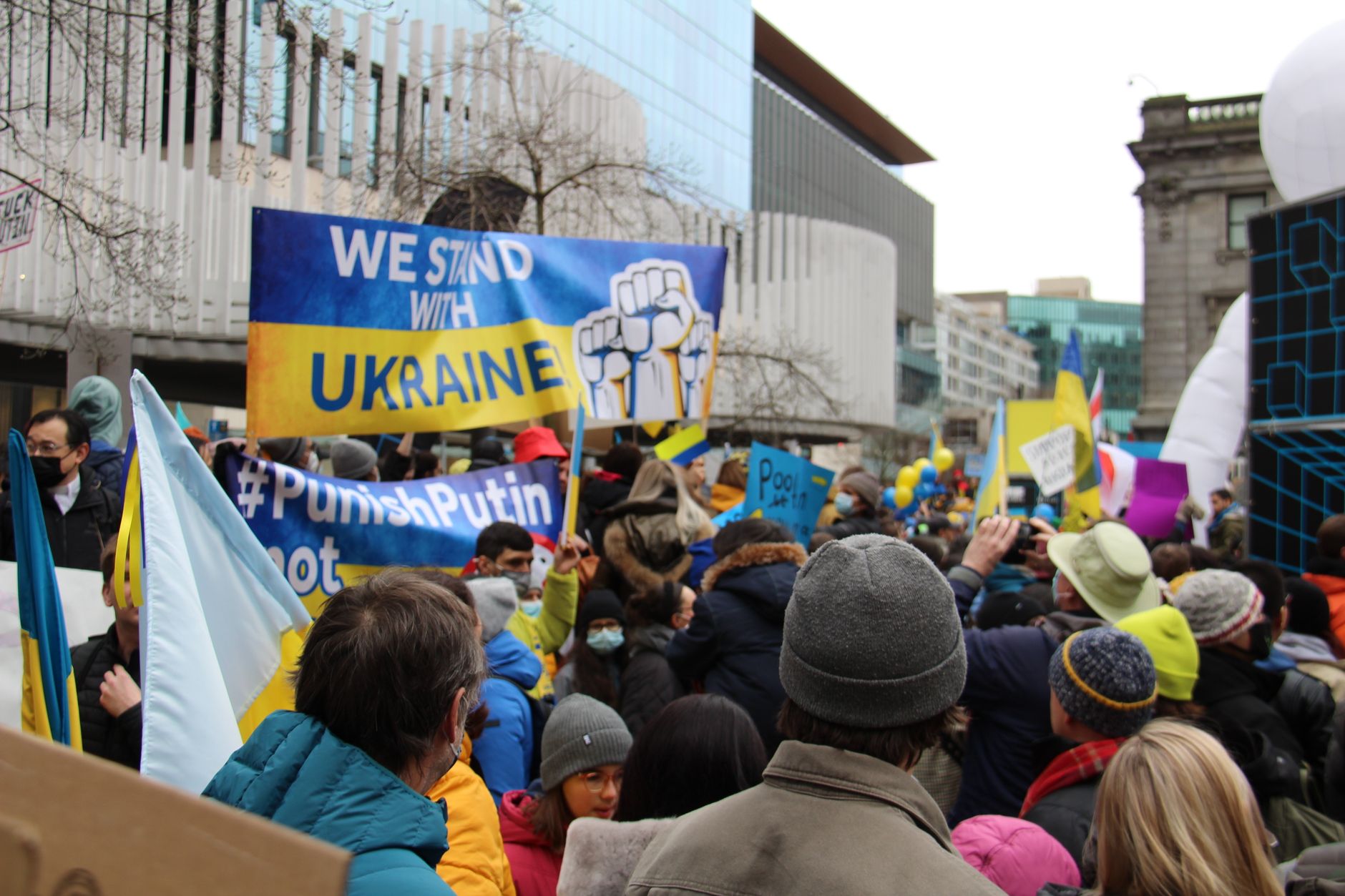
More recently, the ongoing conflict in Ukraine has served as a stark and immediate catalyst, dramatically accelerating existing trends and forcing an urgent re-evaluation of energy dependencies, particularly in Europe. The weaponization of natural gas supplies by Russia sent shockwaves through global markets, triggering unprecedented price hikes and a scramble for alternative sources. This crisis unequivocally demonstrated the profound link between energy security and national security, compelling countries to invest heavily in renewable energy, nuclear power, and new LNG infrastructure at an accelerated pace. The events of the past few years have cemented the understanding that energy is not just an economic commodity but a critical instrument of geopolitical power.
Winners and Losers
In this rapidly evolving energy landscape, certain nations and industries are emerging as clear winners. Countries rich in critical minerals essential for renewable energy technologies, such as lithium, cobalt, and rare earths, are gaining significant strategic leverage. Similarly, nations that have proactively invested in renewable energy infrastructure and smart grid technologies are now better positioned for energy independence and economic growth in the green economy. Technology companies at the forefront of battery storage, advanced solar, and green hydrogen solutions are experiencing unprecedented growth and investment, solidifying their roles as key drivers of the energy transition. These early adopters and resource-rich nations are set to reap substantial economic and geopolitical benefits.
Conversely, traditional fossil fuel-dependent economies, particularly those with limited diversification, face significant challenges. Nations whose economies are overwhelmingly reliant on oil and gas exports are confronting the dual threat of declining global demand for their primary commodity and the increasing urgency of decarbonization. Companies heavily invested in legacy fossil fuel infrastructure, without clear transition plans, risk stranded assets and diminishing market relevance. Furthermore, developing nations that lack the financial resources or technological capacity to invest in new energy infrastructure may find themselves at a disadvantage, struggling with energy poverty and the economic burdens of volatile global energy prices. The transition is creating a clear divide, exacerbating existing inequalities.
The geopolitical implications are profound. Energy importers who successfully diversify their energy mix and reduce reliance on volatile regions will enhance their national security and economic stability. Conversely, nations that fail to adapt risk increased vulnerability to supply shocks and geopolitical coercion. The shift towards decentralized, renewable energy systems could also empower local communities and reduce the strategic importance of traditional energy chokepoints. However, the intense competition for critical minerals and clean energy technologies could also spark new forms of resource nationalism and geopolitical rivalry, creating a new set of winners and losers in the global power struggle. The stakes are incredibly high for every nation on the planet.
Analyst Perspectives
Leading energy analysts consistently emphasize that the current energy transition is fundamentally different from previous shifts. "This isn't just about replacing one fuel with another; it's about decentralizing power generation, digitizing energy management, and fundamentally rethinking energy security," states Dr. Anya Sharma, a senior fellow at the Global Energy Institute. She argues that the intertwined nature of climate policy, technological innovation, and geopolitical strategy means that no single nation can navigate this transformation in isolation. International cooperation, particularly in areas like grid modernization and critical mineral supply chains, will be paramount to mitigating risks and accelerating progress. The complexity demands a holistic and collaborative approach.
Many experts warn that the pace of the energy transition, while accelerating, is still insufficient to meet ambitious climate targets. "While renewable energy deployment is impressive, the sheer scale of global energy demand means we're still adding more fossil fuel capacity than we're retiring," cautions Mark Jensen, an analyst at Energy Futures Group. He points to the critical need for massive investments in energy storage, carbon capture technologies, and advanced nuclear power to truly decarbonize hard-to-abate sectors. Jensen also highlights the looming challenge of securing vast quantities of critical minerals, noting that current supply chains are fragile and highly concentrated, posing significant geopolitical risks if not diversified.
A recurring theme in expert analysis is the concept of 'energy trilemma': balancing energy security, affordability, and environmental sustainability. "Policymakers are constantly walking a tightrope, trying to ensure reliable and affordable energy for their citizens while simultaneously pushing for decarbonization," explains Dr. Lena Petrova, a geopolitical energy strategist. She suggests that the recent energy crises have underscored the importance of resilience and diversification, even if it means short-term trade-offs on cost or emissions. Petrova also predicts a rise in 'energy nationalism' as countries prioritize domestic production and control over critical energy resources, potentially leading to new trade barriers and increased international friction.
Key Questions Explained
The Outlook
The trajectory of the global energy landscape points towards continued volatility and profound transformation. We can anticipate an accelerated push towards diversified energy portfolios, with countries prioritizing domestic renewable energy generation and strategic energy reserves to enhance national security. The competition for critical minerals will intensify, likely leading to new alliances and potential trade disputes as nations vie for control over essential resources. Technological advancements in areas like battery storage, green hydrogen, and advanced nuclear power will continue to reshape possibilities, offering innovative solutions to decarbonization challenges. This era demands adaptability and foresight from policymakers and industry leaders alike.
The geopolitical implications of this energy shift will be far-reaching. Traditional energy exporters will face increasing pressure to diversify their economies, while nations that successfully transition to clean energy leadership could gain significant diplomatic and economic influence. The potential for new energy corridors and trade routes, particularly for electricity and hydrogen, will redefine regional power dynamics. However, the risk of 'green protectionism' and resource nationalism could also rise, potentially fragmenting global energy markets and hindering collaborative climate action. Navigating these complex geopolitical currents will be a defining challenge for the coming decades.
Ultimately, the future of global energy will be shaped by a delicate balance between climate imperatives, economic realities, and geopolitical ambitions. While the path to a fully decarbonized, secure, and equitable energy system is fraught with challenges, the momentum for change is undeniable. Success will hinge on unprecedented international cooperation, sustained investment in innovation, and the political will to enact bold, long-term strategies. The decisions made today regarding energy policy, infrastructure development, and resource management will determine the stability and prosperity of future generations. The opportunity to build a more resilient and sustainable energy future is within reach, but it requires immediate and decisive action.













Comments
No comments yet. Be the first to comment!