

Policy Snapshot
- The Ministry of Health of Buenos Aires Province has issued an urgent epidemiological alert following confirmed cases of trichinosis in General Madariaga, emphasizing the critical need for public awareness and immediate action to prevent further transmission.
- Local health authorities have initiated a comprehensive investigation to trace the source of the contaminated pork, focusing on identifying the specific producer or vendor responsible for the infected products.
- Public health campaigns are being rapidly deployed across the affected region, educating residents on the dangers of consuming undercooked pork and the importance of purchasing meat from officially authorized and inspected sources.
- Strict controls and increased inspections of butcher shops, markets, and artisanal producers are being implemented to ensure compliance with food safety regulations and to prevent the sale of uninspected or improperly handled pork.
- Healthcare providers in General Madariaga and surrounding areas have been instructed to remain vigilant for symptoms consistent with trichinosis and to report any suspected cases immediately to provincial health authorities for prompt epidemiological tracking.
- Emergency protocols are being activated to provide rapid diagnostic testing and appropriate medical treatment for individuals presenting with symptoms, ensuring that affected patients receive timely care and support.
The Policy History
Trichinosis, a parasitic disease caused by the roundworm Trichinella, has historically posed a significant public health challenge in Argentina, particularly in regions where pork consumption is high and traditional, often unregulated, meat processing practices persist. The country has a long-standing framework of food safety regulations, primarily enforced by the National Service of Agrifood Health and Quality (SENASA) at the federal level, and complemented by provincial and municipal health departments. These regulations mandate strict controls on livestock farming, slaughterhouses, and meat processing facilities to prevent zoonotic diseases like trichinosis.
Despite these regulations, outbreaks continue to occur, often linked to the consumption of homemade or artisanal pork products, such as sausages, salamis, and cured hams, which may bypass official inspection channels. Public awareness campaigns have been intermittently launched over the years, aiming to educate consumers about the risks of consuming uninspected pork and the importance of thorough cooking. However, cultural traditions and economic factors sometimes lead to the circumvention of these guidelines, particularly in rural or semi-rural areas where direct farm-to-consumer sales are common.
The current outbreak in General Madariaga underscores the persistent vulnerabilities in the food safety chain and the critical need for continuous vigilance and enforcement. While policies exist to prevent such incidents, their effective implementation relies heavily on robust surveillance, public cooperation, and the capacity of local authorities to monitor and regulate informal food markets. This incident serves as a stark reminder that even with established protocols, gaps can emerge, leading to serious public health consequences.
Who Is Affected
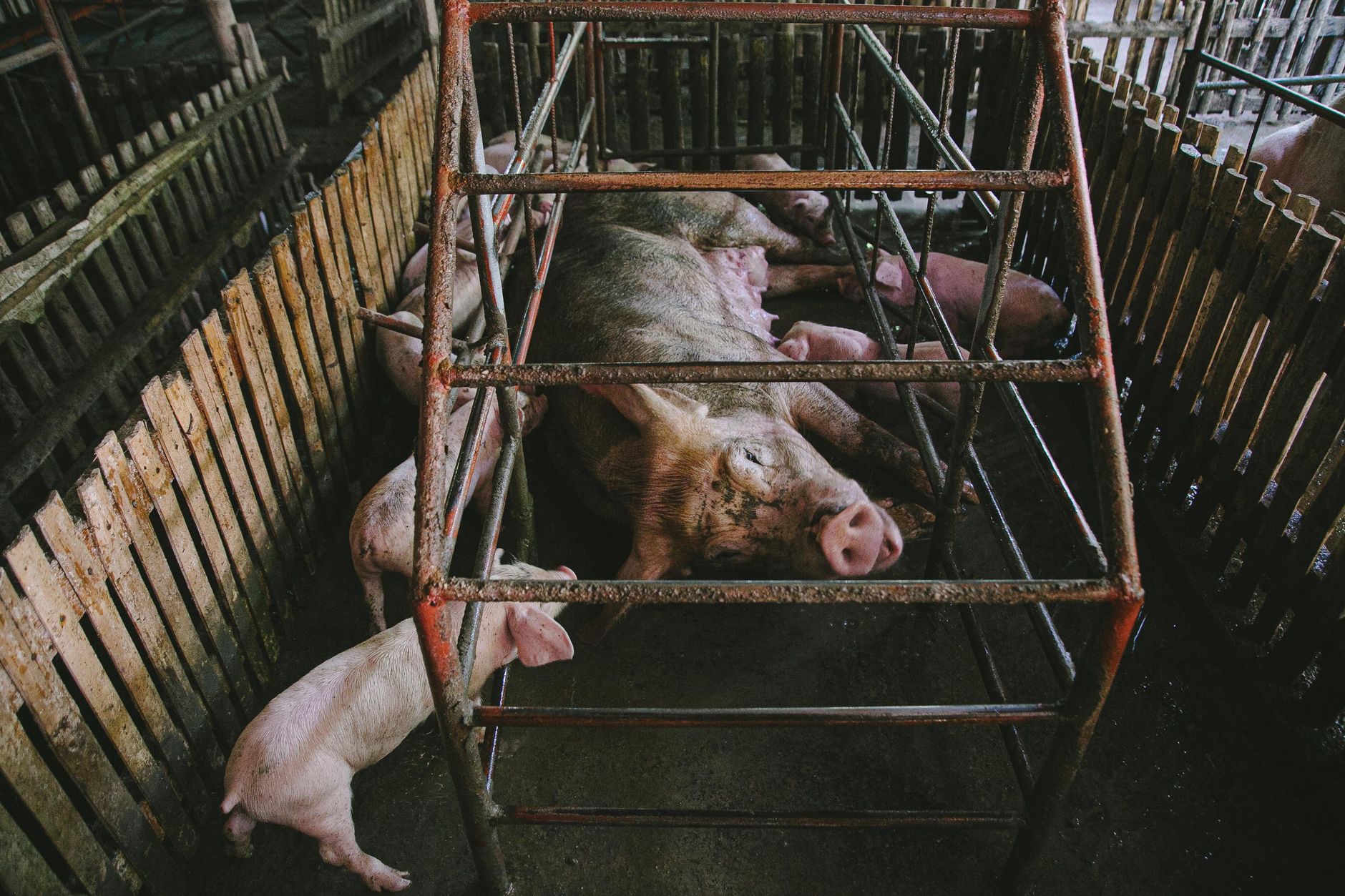
The primary individuals affected by this trichinosis outbreak are residents of General Madariaga, Buenos Aires Province, who consumed contaminated pork products. These products, likely artisanal or homemade, were not subjected to the rigorous inspections required for commercially distributed meat, making their consumption inherently risky. The initial cluster of cases suggests a localized exposure, potentially from a single source or a limited distribution chain, impacting families and social groups who shared the infected food.
Beyond the directly infected, the outbreak creates a ripple effect across the entire community. Local businesses, particularly those involved in pork production and sales, face heightened scrutiny and potential economic losses due to decreased consumer confidence. The broader public in General Madariaga and neighboring areas is also affected by the general anxiety and uncertainty surrounding food safety, leading to increased caution and a potential shift in dietary habits, at least temporarily. This collective impact highlights the far-reaching consequences of a public health crisis.
Healthcare systems are also significantly impacted, as they must rapidly mobilize resources for diagnosis, treatment, and epidemiological investigation. Doctors, nurses, and public health officials are on high alert, diverting resources and personnel to manage the influx of potential cases and to implement preventative measures. This places considerable strain on local health infrastructure, especially in smaller communities. Furthermore, the incident affects the reputation of the region's food industry, potentially leading to long-term economic repercussions if confidence is not quickly restored through transparent and effective public health responses.
The Case For
The immediate and decisive public health response to the trichinosis outbreak in General Madariaga is unequivocally justified and essential for safeguarding community well-being. Rapid epidemiological investigation, including source tracing and identification of contaminated products, is paramount. This proactive approach not only helps to contain the current outbreak but also provides crucial data for preventing future occurrences. Without swift action, the parasitic infection could spread further, leading to more widespread illness and potentially severe health complications among residents.
Furthermore, a robust public health campaign is vital to educate the populace on the dangers of consuming uninspected or undercooked pork. This includes clear guidelines on safe food handling practices, the importance of purchasing meat from certified sources, and recognizing the symptoms of trichinosis. Empowering citizens with this knowledge is a cornerstone of preventative medicine, enabling them to make informed choices that protect their health and reduce the burden on healthcare services. Such campaigns build long-term resilience against foodborne illnesses.
Finally, the implementation of stricter controls and increased inspections on local meat producers and vendors is a necessary measure to reinforce food safety standards. While potentially inconvenient for some businesses, these measures are critical for ensuring that all pork products entering the market are safe for consumption. This regulatory reinforcement not only protects consumers but also helps legitimate businesses by fostering trust and maintaining the integrity of the local food supply chain. It underscores a commitment to public safety that ultimately benefits everyone.
The Case Against
While the necessity of addressing a public health crisis like trichinosis is undeniable, some might argue against overly broad or draconian measures that could disproportionately impact small-scale, artisanal producers and local economies. Imposing blanket bans or excessively stringent new regulations without careful consideration could stifle traditional farming practices and local food markets, which often play a significant cultural and economic role in communities like General Madariaga. These producers, many of whom operate on thin margins, might struggle to comply with sudden, costly regulatory changes, potentially leading to business closures and job losses.
Another point of contention could be the potential for over-sensationalism or fear-mongering in public health messaging. While awareness is crucial, an alarmist approach could lead to an unwarranted collapse in demand for all local pork products, even those from reputable and inspected sources. This 'guilt by association' could harm the entire agricultural sector, extending beyond the actual source of contamination. A balanced communication strategy is essential to inform without causing undue panic or economic devastation to innocent parties.
Furthermore, questions might arise regarding the long-term sustainability and practicality of intensified, perpetual inspections, especially for informal or semi-formal food networks. While initial heightened scrutiny is warranted, maintaining such an elevated level of oversight indefinitely could strain public resources and become economically unfeasible. A more sustainable approach might involve investing in educational programs for small producers, providing accessible resources for safe processing, and fostering a culture of compliance rather than relying solely on punitive enforcement, which can be difficult to sustain and may not address underlying issues effectively.
Policy Questions Answered
Implementation Watch
The effectiveness of the current public health response in General Madariaga hinges critically on the swift and thorough implementation of established protocols. Monitoring the rollout of enhanced meat inspections is paramount; it's not enough to simply announce stricter controls, but to ensure that these inspections are consistently applied, properly funded, and conducted by adequately trained personnel. Any lapses in this area could undermine the entire effort, allowing contaminated products to re-enter the market and prolonging the outbreak's impact on public health.
Furthermore, the success of public awareness campaigns will be a key indicator of effective implementation. It is essential to track whether the messaging is reaching all segments of the population, particularly those who might be more reliant on informal food sources or traditional preparation methods. This requires diverse communication channels, culturally sensitive materials, and possibly direct community engagement. Measuring changes in consumer behavior, such as increased demand for certified pork or greater vigilance in cooking, will provide valuable feedback on the campaign's reach and impact.
Finally, the capacity of the local healthcare system to manage and track new cases will be under close scrutiny. This includes the availability of diagnostic tests, the efficiency of reporting mechanisms, and the provision of timely medical care. A robust surveillance system that can quickly identify and respond to new infections is crucial for containing the outbreak. Any bottlenecks in testing, treatment, or data collection could lead to a resurgence of cases and erode public trust in the authorities' ability to protect them. Continuous evaluation and adaptation of these measures will be vital.
















Comments
No comments yet. Be the first to comment!