

What We Know
- A specific bacterium, identified as a strain of Pseudomonas aeruginosa, isolated from the skin of certain frog species, has demonstrated remarkable efficacy in preclinical cancer models.
- Researchers have successfully engineered this bacterium to selectively target and infiltrate solid tumors, minimizing collateral damage to healthy tissues, which is a significant advancement over conventional chemotherapy.
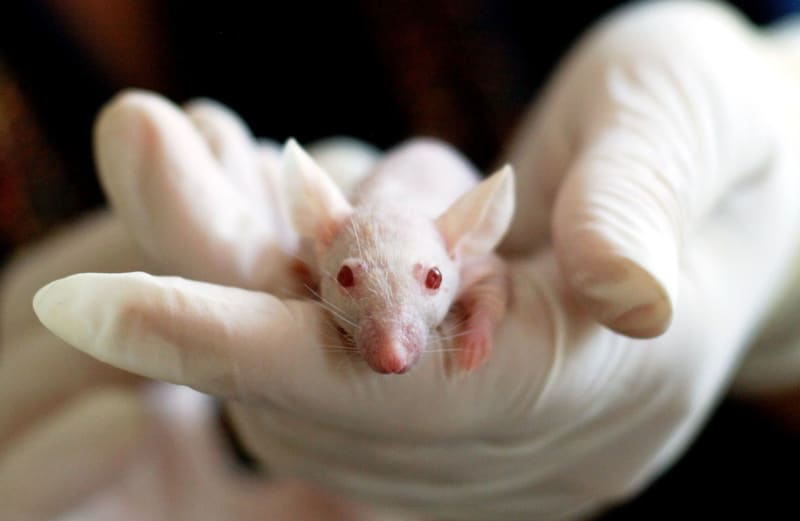
- In a series of rigorous mouse studies, a single, carefully calibrated dose of this modified bacterium led to the complete regression of various types of aggressive tumors, including melanoma and colon cancer.
- The mechanism of action involves the bacterium proliferating within the tumor microenvironment, releasing potent anti-cancer compounds, and stimulating a localized immune response that effectively destroys cancerous cells.
- This novel therapeutic strategy harnesses the natural predatory capabilities of bacteria, redirecting them to serve as highly precise biological agents against malignant growths, offering a paradigm shift in oncology.
- The initial safety profiles in animal models appear promising, with no significant systemic toxicity observed, suggesting a potentially safer alternative to current systemic cancer treatments that often come with severe side effects.
What We Do Not Know Yet
- The full spectrum of human cancers that this bacterial therapy could effectively treat remains unknown, requiring extensive testing across a broader range of tumor types and genetic profiles.
- The long-term safety and potential side effects of introducing a modified bacterium into the human body, including the risk of antibiotic resistance or unforeseen immunological reactions, are yet to be thoroughly investigated.
- Optimal dosing strategies, administration routes, and potential drug interactions for human patients have not been established, necessitating meticulous clinical trial design and execution.
- Whether the complete tumor regression observed in mice can be replicated in complex human physiological systems, which often present different immunological responses and tumor heterogeneity, is a critical unanswered question.
- The potential for the bacterium to evolve or adapt within the human host, possibly leading to altered efficacy or unintended pathogenic characteristics, requires careful monitoring and genetic stability studies.
- The regulatory pathways and timelines for bringing such a novel, living therapeutic agent to market are complex and largely uncharted, posing significant challenges for clinical translation and widespread availability.
Background
The quest for more effective and less toxic cancer treatments has driven scientific inquiry for decades. Traditional approaches, such as chemotherapy and radiation, often indiscriminately harm both cancerous and healthy cells, leading to debilitating side effects. Immunotherapy has emerged as a powerful tool, leveraging the body's own defenses, but it too has limitations, including patient non-response and immune-related adverse events. This persistent challenge has spurred researchers to explore unconventional sources for therapeutic agents, leading them to the natural world and the intricate microbiomes found within it.
The discovery of anti-cancer properties in bacteria is not entirely new; some bacterial toxins have been explored for their ability to target tumors, and certain anaerobic bacteria have been shown to thrive in the hypoxic core of solid tumors. However, the precision and efficacy demonstrated by this particular frog-derived Pseudomonas aeruginosa strain represent a significant leap forward. Frogs, known for their robust immune systems and diverse skin microbiomes, have long been a source of novel antimicrobial peptides and other bioactive compounds, making them a logical, albeit unexpected, reservoir for potential therapeutic agents.
This research builds upon a growing understanding of the tumor microenvironment and the potential for biological agents to exploit its unique characteristics. The ability of this modified bacterium to specifically colonize and proliferate within tumors, while largely avoiding healthy tissues, addresses a fundamental challenge in oncology: achieving high therapeutic index. By turning a common environmental bacterium into a targeted cancer assassin, scientists are opening doors to a new class of 'living drugs' that could revolutionize how we approach the fight against cancer, moving beyond synthetic compounds to harness the power of engineered biology.
Why It Matters
This breakthrough holds immense promise for transforming cancer treatment, offering a potentially less invasive and more targeted alternative to current therapies. The ability to achieve complete tumor regression with a single dose in preclinical models is a remarkable feat, suggesting a future where cancer treatment could be significantly streamlined and made more tolerable for patients. Imagine a scenario where debilitating cycles of chemotherapy are replaced by a single, precisely administered biological agent that eradicates the disease with minimal systemic impact. This could dramatically improve the quality of life for millions battling cancer.
Beyond the immediate therapeutic implications, this research underscores the untapped potential of biodiversity as a source of novel medicines. The natural world, particularly less-explored niches like amphibian microbiomes, may harbor countless biological solutions to some of humanity's most pressing health challenges. This discovery encourages further investment in bioprospecting and the study of extremophiles and unique ecosystems, reminding us that the answers to complex medical problems might be found in the most unexpected places, reinforcing the critical importance of preserving global biodiversity.
Moreover, this development could accelerate the broader field of bacterial immunotherapy and engineered living medicines. By demonstrating such potent efficacy and specificity, this frog-derived bacterium sets a new benchmark for what is achievable with bacterial vectors in oncology. It provides a compelling proof-of-concept that could inspire further innovation, leading to a new generation of highly sophisticated, self-replicating therapeutics capable of not just treating, but potentially curing, a wide array of diseases. The implications extend far beyond cancer, potentially influencing treatments for infectious diseases, autoimmune disorders, and even genetic conditions.
Timeline of Events
- Early 2000s: Initial research begins on the diverse microbial communities residing on amphibian skin, identifying various strains with antimicrobial properties.
- 2010-2015: Specific strains of Pseudomonas aeruginosa from frog skin are isolated and characterized, with preliminary observations of their unique metabolic pathways and interactions with host cells.
- 2016: Researchers identify a particular P. aeruginosa strain exhibiting novel characteristics, including a propensity to colonize certain mammalian cell types under specific conditions, sparking interest in its therapeutic potential.
- 2018: Genetic engineering efforts commence to modify the identified P. aeruginosa strain, enhancing its tumor-targeting capabilities and ensuring its safety profile for potential medical applications.
- 2020: First in vitro studies demonstrate the engineered bacterium's ability to selectively infiltrate and destroy human cancer cell lines, showing promising results in laboratory settings.
- 2022: Initial in vivo studies in mouse models begin, testing the bacterium's efficacy against various solid tumors, culminating in the observed complete tumor regression after a single dose.
- Late 2023: Publication of groundbreaking preclinical data, detailing the mechanism of action, efficacy, and preliminary safety of the frog-derived bacterium in mouse cancer models, generating significant scientific excitement.
- Early 2024: Plans for advanced toxicology studies and regulatory submissions for human clinical trials are initiated, marking the critical transition from laboratory discovery to potential patient application.
Rapid-Fire Q&A
What Is Coming
- Rigorous toxicology studies will be initiated to thoroughly evaluate the long-term safety profile of the engineered bacterium in larger animal models, assessing potential organ damage, immune responses, and any unforeseen adverse effects.
- Pre-Investigational New Drug (IND) meetings with regulatory bodies, such as the FDA, will be held to discuss the preclinical data, manufacturing processes, and the proposed design for initial human clinical trials, paving the way for regulatory submission.
- Development of scalable and consistent manufacturing processes for the bacterial therapeutic will be critical to ensure a reliable supply for clinical trials and, eventually, commercialization, addressing complex challenges in live biologic production.
- The first phase of human clinical trials (Phase I) will commence, focusing primarily on assessing the safety and tolerability of the bacterial therapy in a small group of cancer patients, while also gathering preliminary data on its pharmacokinetic and pharmacodynamic properties.
- Further research will explore combination therapies, investigating whether the frog bacterium can be synergistically paired with existing cancer treatments, such as chemotherapy or immunotherapy, to enhance overall efficacy and overcome resistance mechanisms.
- Expanded studies will be conducted to investigate the bacterium's efficacy against a wider array of human cancer types, including those that are currently difficult to treat, to determine the full therapeutic breadth of this innovative approach.










Comments
No comments yet. Be the first to comment!