
Key Takeaways
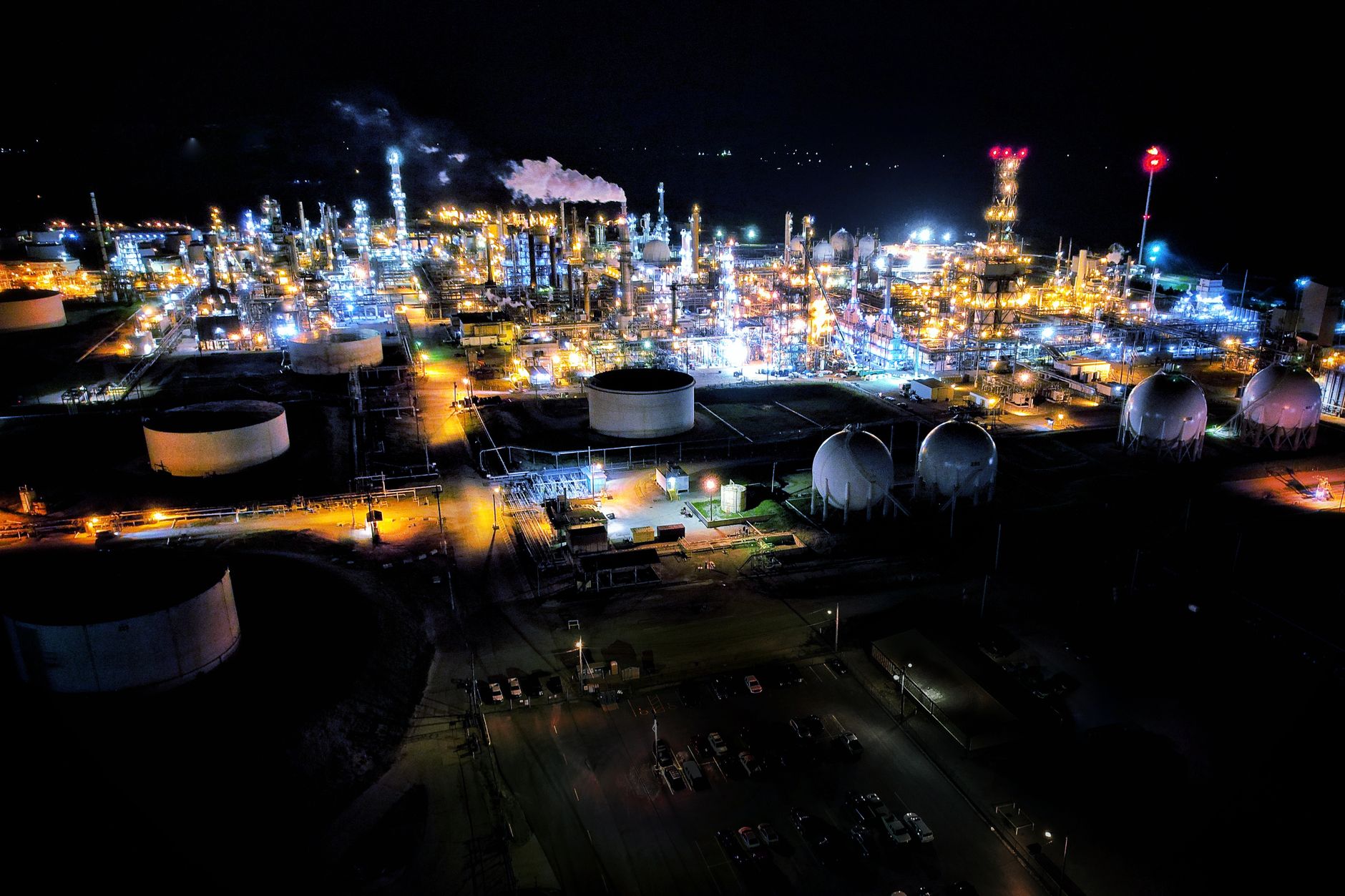
- Oil prices have surged dramatically following direct confrontations between US and Iranian forces, signaling heightened geopolitical risk in a critical energy transit region.
- The Strait of Hormuz, a narrow chokepoint, is central to this crisis, as approximately one-fifth of the world's oil supply passes through its waters daily, making it indispensable for global energy security.
- Both the United States and Iran have issued strong warnings and engaged in military maneuvers, raising fears of a broader conflict that could severely disrupt international shipping and energy markets.
- Global economies are now facing the potential for significant inflationary pressures and reduced growth prospects if oil supply disruptions become prolonged or widespread.
- International diplomatic efforts are intensifying behind the scenes, attempting to de-escalate the situation and prevent a full-blown military confrontation that could have catastrophic global consequences.
- Energy analysts are closely monitoring the situation, with many predicting sustained volatility in oil prices and advising businesses and consumers to prepare for potential market shocks.
Background
The Strait of Hormuz has long been a flashpoint in the volatile relationship between the United States and Iran. This critical waterway, connecting the Persian Gulf with the Arabian Sea, is not merely a geographical feature but a strategic artery through which a substantial portion of the world's crude oil supply flows. Its strategic importance has historically made it a focal point for regional power struggles and international geopolitical maneuvering, with both nations asserting their influence and readiness to protect their interests.
Recent months have seen a dangerous escalation of rhetoric and military posturing from both Washington and Tehran. The United States has reinforced its naval presence in the region, citing threats to international shipping and its allies, while Iran has conducted its own military exercises, demonstrating its capacity to potentially disrupt traffic through the Strait. This tit-for-tat escalation has created an increasingly precarious environment, where a miscalculation or an isolated incident could rapidly spiral into a much larger and more destructive conflict.
The current crisis is deeply rooted in a complex history of sanctions, nuclear negotiations, and regional proxy conflicts. Iran views the Strait as integral to its national security and economic survival, especially under the weight of international sanctions. The US, conversely, sees itself as a guarantor of freedom of navigation and global energy security. These fundamentally opposing viewpoints, coupled with a lack of direct diplomatic channels and a history of mistrust, contribute to a highly combustible situation that demands urgent and careful attention from the international community.
Why It Matters
The Strait of Hormuz is far more than just a shipping lane; it is the lifeblood of the global energy economy. With approximately 20% of the world's total petroleum liquids consumption, including crude oil and condensate, passing through this narrow passage daily, any significant disruption here would send immediate and devastating shockwaves across every continent. The sheer volume of oil, liquefied natural gas (LNG), and other vital commodities transiting this chokepoint means that its stability is directly tied to the economic health and energy security of nations worldwide.
A prolonged closure or even a significant slowdown of shipping through the Strait would trigger an unprecedented surge in oil prices, far beyond the initial jump already observed. This would not only impact gasoline prices at the pump but would also ripple through every sector of the global economy, increasing transportation costs, manufacturing expenses, and ultimately, consumer prices. Businesses would face higher operational costs, potentially leading to reduced investment, job losses, and a significant slowdown in global economic growth, pushing many economies towards recession.
Beyond the immediate economic fallout, a military conflict in the Strait of Hormuz carries immense geopolitical implications. It could destabilize the entire Middle East, drawing in other regional and international powers and potentially igniting a broader conflict with unpredictable consequences. The humanitarian cost would be immense, and the long-term impact on international relations, trade routes, and global security architecture would be profound. This isn't just about oil; it's about the delicate balance of global peace and prosperity.
Ground Reality
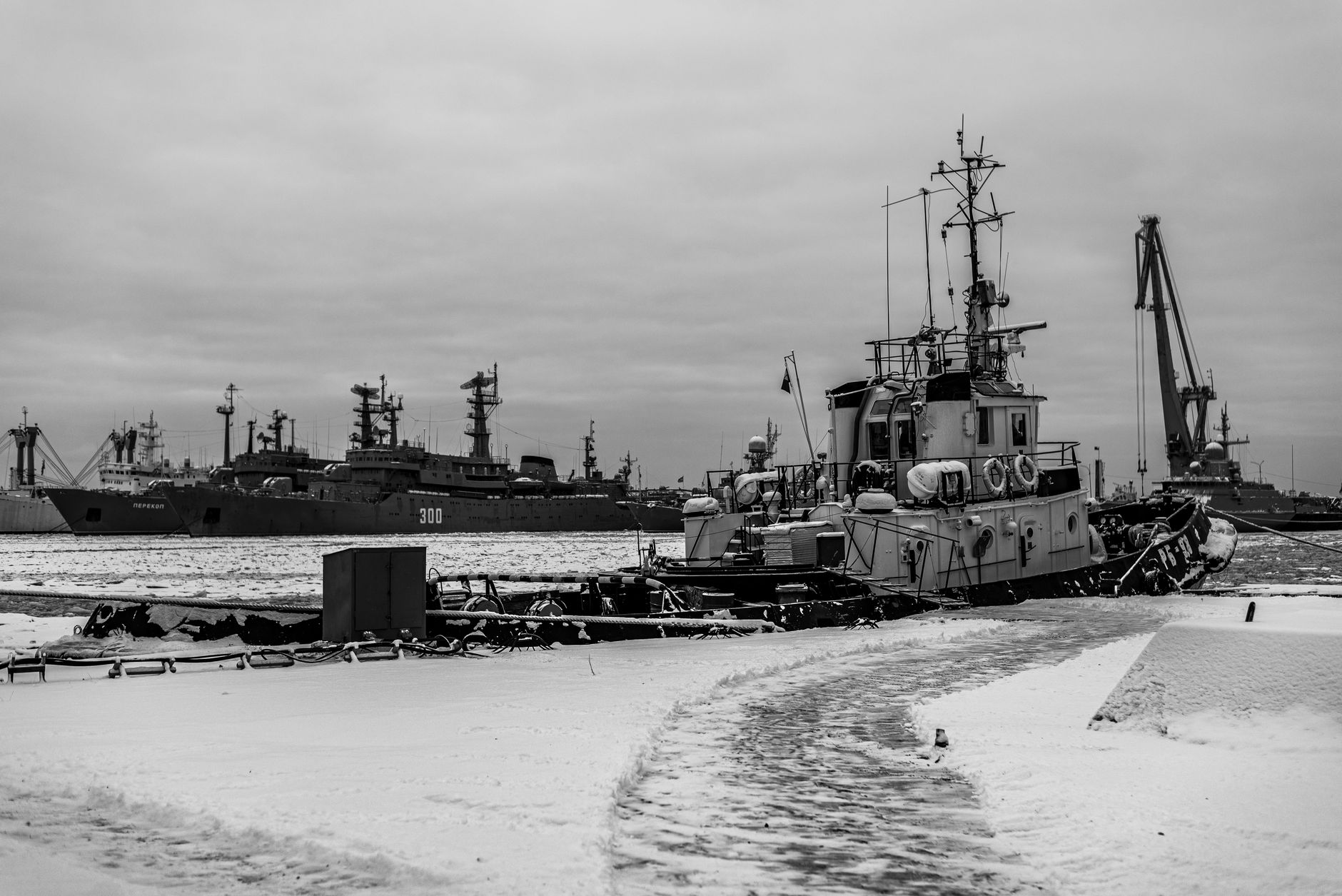
On the ground, the situation in and around the Strait of Hormuz is tense and highly volatile. Naval assets from both the United States and Iran are operating in close proximity, conducting exercises and patrols that underscore the heightened state of alert. Fishing vessels, commercial tankers, and local maritime traffic navigate these waters under the shadow of potential conflict, with crews and shipping companies on edge. The psychological impact on those living and working in the region is palpable, as the threat of an incident looms large over daily life.
Local populations in coastal areas of Iran and neighboring Gulf states are experiencing increased anxiety. While official statements from both sides often downplay the immediate risk to civilians, the reality of military buildup and aggressive rhetoric creates an environment of uncertainty and fear. Communities that rely on maritime trade and fishing for their livelihoods are particularly vulnerable, facing potential economic disruption and displacement should the situation deteriorate further. The human cost of this geopolitical standoff is already being felt, even before any direct military engagement.
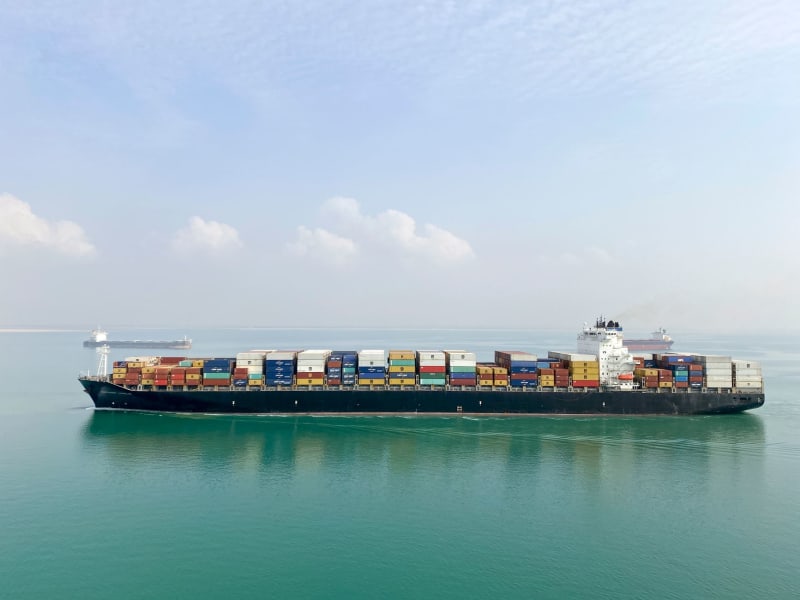
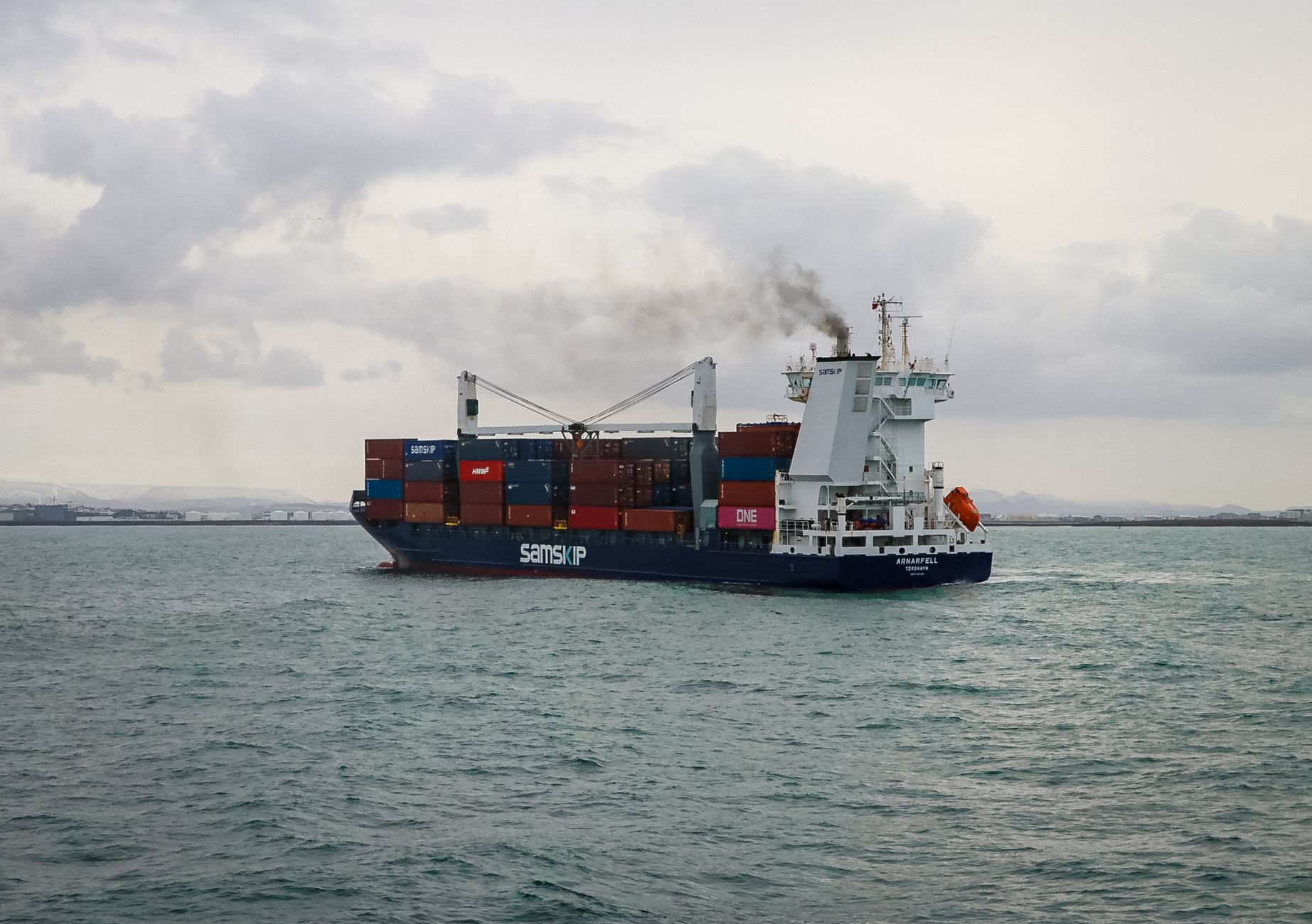
Economically, the immediate impact is most evident in the shipping industry. Insurance premiums for vessels transiting the Strait have skyrocketed, making trade more expensive and riskier. Some shipping companies are already exploring alternative, albeit longer and more costly, routes to avoid the potential dangers, further exacerbating supply chain issues. This shift, even if temporary, highlights the fragility of global logistics when a key chokepoint becomes a zone of contention. The ripple effect is already being seen in commodity markets, signaling broader economic challenges ahead.
What Experts Are Saying
Energy market analysts are universally sounding the alarm, emphasizing that the current oil price surge is not merely speculative but reflects a genuine and immediate threat to global supply. Dr. Sarah Jenkins, a senior energy economist at the Global Energy Institute, states, "This isn't just about futures trading; it's about the physical supply chain. Any sustained disruption in the Strait of Hormuz would immediately remove millions of barrels from the market, creating a supply deficit that current global inventories simply cannot absorb in the long term. We are looking at a potential price shock that could dwarf previous crises." Her analysis underscores the severity of the situation, highlighting the lack of readily available alternatives for such a massive volume of oil.
Geopolitical strategists are focusing on the delicate balance of deterrence and de-escalation. Dr. Mark Thompson, a Middle East security expert from the Council on Foreign Relations, warns, "Both sides are testing boundaries, and the risk of miscalculation is extraordinarily high. While neither Washington nor Tehran explicitly desires a full-scale war, the current tit-for-tat actions, combined with aggressive rhetoric, create a dangerous feedback loop. A minor incident, perhaps an accidental collision or a misinterpreted signal, could quickly escalate beyond anyone's control, leading to an unintended but devastating conflict." He stresses the importance of back-channel diplomacy to prevent an accidental conflagration.
Economists are particularly concerned about the broader macroeconomic implications. Professor Elena Petrova, an international economics specialist at the London School of Economics, notes, "A sustained period of high oil prices would act as a significant drag on an already fragile global economy. We're talking about increased inflation, reduced consumer spending power, and a potential contraction in global trade. Emerging markets, heavily reliant on imported energy, would be particularly vulnerable to severe economic downturns, potentially triggering debt crises and social unrest." Her perspective highlights the cascading effects that extend far beyond the energy sector, threatening global financial stability.
Frequently Asked Questions
What Happens Next
The immediate future hinges precariously on the ability of international diplomacy to de-escalate the current tensions. World leaders and international organizations are likely to intensify their efforts to open direct or indirect communication channels between the US and Iran, aiming to prevent any further military provocations or miscalculations. The focus will be on establishing clear red lines and finding a framework for dialogue that can address the underlying grievances and reduce the risk of an all-out conflict. The success of these diplomatic overtures will be critical in determining whether the situation stabilizes or spirals out of control.
On the economic front, oil markets are expected to remain highly volatile. Any new development, whether a diplomatic breakthrough or another military incident, will likely trigger significant price swings. Businesses and consumers should prepare for continued uncertainty, with potential for further price hikes at the pump and increased costs across various sectors. Central banks and governments worldwide will be closely monitoring the situation, ready to implement contingency plans to mitigate the economic fallout, including potential strategic oil reserve releases if supply disruptions become severe.
Longer term, this crisis underscores the urgent need for global energy diversification and the development of more resilient supply chains. Nations heavily reliant on Middle Eastern oil may accelerate investments in renewable energy sources, domestic production, and alternative trade routes to reduce their vulnerability to geopolitical chokepoints. While these are long-term solutions, the current crisis serves as a stark reminder of the inherent risks in the global energy landscape and will undoubtedly shape future energy policies and investment strategies for decades to come.











Comments
No comments yet. Be the first to comment!