

At a Glance
- The United States is imposing a substantial 25% tariff on specific imports originating from Brazil, effective July 22.
- This punitive measure targets a range of Brazilian goods, significantly impacting bilateral trade flows and supply chains.
- The U.S. government justifies the tariff by citing persistent and unresolved unfair trade practices by Brazil, which it claims disadvantage American industries.
- Brazilian officials have vehemently denied these allegations, characterizing the U.S. action as protectionist and a violation of international trade norms.
- The tariffs are expected to lead to higher prices for American consumers on affected products and could force U.S. importers to seek alternative suppliers.
- This move marks a notable escalation in trade tensions between the two nations, potentially triggering retaliatory measures from Brazil and impacting broader diplomatic relations.
The Record
The imposition of a 25% tariff on certain Brazilian imports by the United States, effective July 22, marks a significant turning point in the trade relationship between these two major economies. This isn't an isolated incident but rather the culmination of prolonged discussions and escalating frustrations from the U.S. side regarding what it perceives as Brazil's entrenched unfair trade practices. For years, American trade representatives have raised concerns about various Brazilian policies, including subsidies, local content requirements, and non-tariff barriers that allegedly hinder fair competition for U.S. businesses in the Brazilian market. These grievances have been formally communicated through diplomatic channels and at various multilateral trade forums, often without satisfactory resolution.
Historically, trade relations between the U.S. and Brazil have been complex, oscillating between periods of cooperation and friction. While both nations are significant agricultural and industrial players, their approaches to trade liberalization often diverge. Brazil, a member of Mercosur, has frequently been accused of maintaining protectionist policies to safeguard its domestic industries, a stance that the U.S. has consistently challenged. The U.S. trade office has meticulously documented instances where Brazilian regulations or subsidies have allegedly created an uneven playing field, leading to a competitive disadvantage for American exporters and investors. This latest tariff action is a clear signal that the U.S. is moving beyond diplomatic appeals to direct economic pressure.
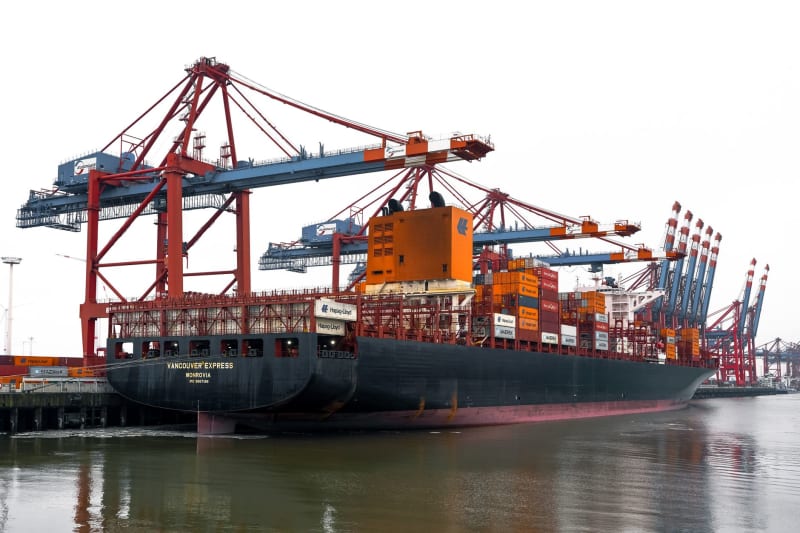
The specific products targeted by this new tariff have not been fully disclosed, but they are expected to be goods where the U.S. believes Brazil's unfair practices have had the most pronounced impact. This strategic targeting aims to maximize pressure on Brazil to alter its trade policies without causing undue disruption to the broader U.S. economy. However, such measures rarely come without consequences. The ripple effects could include increased costs for American consumers and businesses reliant on these imports, potential supply chain disruptions, and a likely negative impact on the overall volume of trade between the two countries. The stage is now set for a potentially protracted trade dispute, with both nations needing to carefully consider their next moves.
Who Knew and When
The U.S. government's intention to impose tariffs on Brazilian imports has been a topic of internal deliberation and external communication for several months, if not years. Discussions within the Office of the U.S. Trade Representative (USTR) and other relevant agencies intensified following a series of unsuccessful bilateral negotiations aimed at resolving the alleged unfair trade practices. Key stakeholders within the U.S. administration, including economic advisors and national security officials, were briefed extensively on the potential economic and geopolitical ramifications of such a move. The decision to proceed with tariffs was not made lightly, reflecting a growing frustration with the lack of progress in diplomatic resolutions.
While the public announcement of the July 22 implementation date was recent, the Brazilian government has been aware of the escalating U.S. concerns for a considerable period. High-level diplomatic exchanges, including meetings between trade ministers and ambassadors, have repeatedly addressed these issues. Brazilian officials were presented with specific examples of alleged unfair practices and given opportunities to respond or propose corrective actions. Despite these warnings, significant policy changes from Brazil's side did not materialize, leading the U.S. to conclude that more assertive measures were necessary to protect its economic interests. This suggests a breakdown in the effectiveness of prior diplomatic efforts.
Within the U.S. business community, particularly among sectors competing with Brazilian imports or relying on them, there has been a mixed reaction. Some industries, long advocating for stronger action against what they perceive as unfair competition, likely welcomed the news. Others, especially importers and retailers, may have been blindsided by the specific timing and magnitude of the tariff, despite general awareness of trade tensions. Companies with significant supply chain ties to Brazil have been monitoring the situation closely, anticipating potential disruptions. The short lead time until July 22 means that businesses will have to rapidly adjust their procurement strategies, pricing models, and inventory management to mitigate the impact of the new tariffs, creating an immediate operational challenge.
Voices from the Ground
The announcement of these tariffs has sent ripples through various sectors, eliciting strong reactions from both sides of the trade equation. In the U.S., industries that have long complained about Brazilian competition are expressing cautious optimism. "Finally, a level playing field," stated Sarah Chen, CEO of a major U.S. steel manufacturer. "For years, we've been undercut by subsidized Brazilian steel. This tariff, while painful in the short term for some, is a necessary step to protect American jobs and ensure fair competition in our own market." Her sentiment is echoed by other domestic producers who believe the tariffs will provide much-needed relief and allow them to compete more effectively against lower-priced imports, potentially leading to increased domestic production and employment.
Conversely, U.S. importers and retailers are bracing for significant challenges. "This is going to hit our bottom line hard, and ultimately, it's the American consumer who will pay," warned David Rodriguez, President of a large food import company specializing in Brazilian agricultural products. "We've built robust supply chains over decades, and suddenly, a 25% tariff makes many of our products unviable. We'll either have to pass on the cost, find new suppliers, or stop importing altogether. The immediate impact on pricing and product availability will be substantial." This perspective highlights the immediate inflationary pressure and potential for reduced consumer choice that these tariffs introduce, creating uncertainty for businesses and households alike.
In Brazil, the reaction is one of indignation and concern. "This is an unfair and protectionist measure that will harm Brazilian workers and exporters," declared Maria Silva, a spokesperson for the Brazilian Confederation of Agriculture and Livestock. "Our government has consistently sought dialogue, and these tariffs punish our legitimate industries. We urge our government to explore all avenues, including retaliatory measures, to protect our national interests." This strong condemnation underscores the potential for a tit-for-tat trade war, where Brazil might respond with its own tariffs on U.S. goods, further escalating tensions and disrupting global trade patterns. The livelihoods of countless Brazilian farmers and factory workers are now directly threatened by this policy shift.
The Debate
The imposition of tariffs has ignited a fervent debate among economists, policymakers, and industry leaders regarding its efficacy and potential consequences. Proponents of the tariffs argue that they are a necessary tool to counteract unfair trade practices and safeguard domestic industries. They contend that without such measures, foreign governments can exploit open markets, leading to job losses and economic decline in the tariff-imposing nation. This perspective often emphasizes national security implications, particularly for strategic industries, and the importance of ensuring a level playing field for domestic producers. They believe that tariffs compel offending nations to reconsider their policies, ultimately leading to fairer global trade.
Opponents, however, warn of a cascade of negative outcomes. They argue that tariffs are essentially taxes on domestic consumers and businesses, leading to higher prices, reduced purchasing power, and potential supply chain disruptions. Many economists highlight the risk of retaliatory tariffs, which can quickly escalate into trade wars, harming global economic growth and fostering international instability. Furthermore, critics suggest that tariffs can stifle innovation by reducing competition and may not always achieve their stated goal of changing foreign trade practices, often leading to prolonged disputes rather than resolutions. They advocate for diplomatic solutions, multilateral agreements, and targeted subsidies for domestic industries instead of broad tariffs.
The debate also extends to the specific criteria used to define "unfair trade practices." What one nation considers a legitimate policy to support its domestic economy, another might view as a protectionist barrier. This subjective interpretation often complicates international trade law and negotiations. The long-term effectiveness of tariffs in altering another country's fundamental economic policies is also a point of contention. While short-term pressure might be applied, deeply ingrained national industrial strategies are rarely abandoned solely due to tariffs. Therefore, the current U.S. action against Brazil is not just an economic policy; it's a test case for the broader strategy of using tariffs as a primary leverage point in complex international trade disputes.
Your Questions Answered
What Accountability Looks Like
Accountability in this trade dispute will be measured on multiple fronts, primarily by whether the tariffs achieve their stated objective: compelling Brazil to cease its alleged unfair trade practices. For the U.S. government, success would mean a demonstrable shift in Brazilian trade policy, leading to a more open and equitable market for American goods and services. This would involve Brazil dismantling subsidies, removing non-tariff barriers, or revising local content requirements that the U.S. deems protectionist. The USTR will likely monitor key economic indicators and policy changes in Brazil to assess the effectiveness of this punitive measure, looking for concrete actions rather than mere promises.
However, accountability also extends to the economic impact within the United States. The administration will face scrutiny over the tariffs' effects on American consumers and businesses. If the tariffs lead to significant price increases, widespread supply chain disruptions, or job losses in import-reliant sectors, the policy's success will be questioned, regardless of its impact on Brazil. Policymakers will need to demonstrate that the benefits of protecting domestic industries outweigh the costs borne by other segments of the U.S. economy. This balancing act is crucial for maintaining public and political support for such assertive trade actions, especially as the July 22 deadline approaches.
From Brazil's perspective, accountability will involve demonstrating its commitment to international trade norms while protecting its national interests. If Brazil chooses to retaliate, it will be held accountable for the economic consequences of such actions, both domestically and internationally. The global trading community will also be watching to see if this dispute can be resolved through diplomatic channels or if it further destabilizes international trade relations. Ultimately, true accountability will manifest in a resolution that fosters fairer trade without triggering a destructive trade war, a delicate balance that both nations must strive to achieve in the coming months.














Comments
No comments yet. Be the first to comment!