

Policy Snapshot
- The Trump administration implemented Executive Order 13928, authorizing sanctions against International Criminal Court (ICC) officials involved in investigating U.S. personnel or allies, a move that sparked immediate international condemnation.
- These sanctions specifically target individuals deemed to be directly or indirectly supporting any ICC investigation into U.S. military or intelligence personnel for alleged war crimes in Afghanistan, or into Israeli actions in Palestine.
- The Executive Order grants the U.S. government broad authority to block assets and impose travel bans on designated ICC officials, effectively criminalizing their professional duties and impeding the court's ability to function independently.
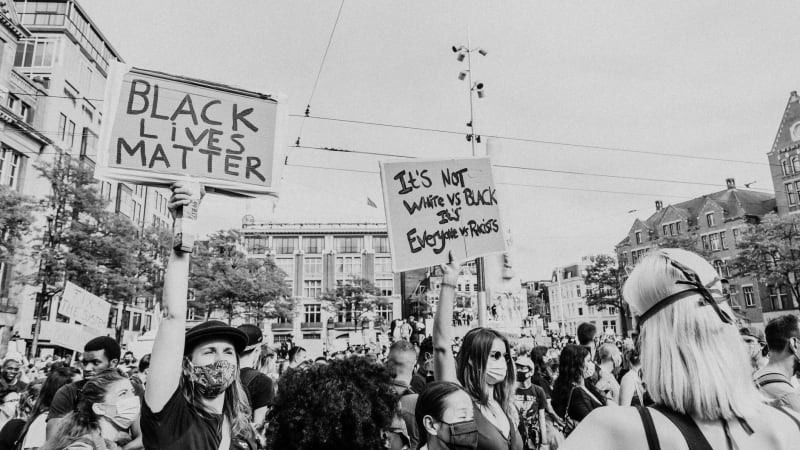
- A coalition of prominent human rights organizations, including Human Rights Watch and the Open Society Justice Initiative, has filed a lawsuit challenging the legality and constitutionality of these sanctions, arguing they violate fundamental rights.
- The lawsuit contends that the sanctions infringe upon the First Amendment rights of U.S. citizens and organizations to advocate for international justice and engage with international bodies without fear of reprisal or economic hardship.
- This policy represents a significant escalation in the U.S. government's long-standing opposition to the ICC's jurisdiction over American citizens, marking a departure from previous administrations' more nuanced approaches to international justice.
The Policy History
The United States has historically maintained a complex and often contentious relationship with the International Criminal Court (ICC). While the U.S. played a pivotal role in the creation of international tribunals like those for Nuremberg and Rwanda, it has consistently refused to ratify the Rome Statute, the treaty that established the ICC. This reluctance stems primarily from concerns about potential politically motivated prosecutions of American service members and officials, leading to a long-standing policy of non-cooperation with the court's jurisdiction over U.S. citizens. Various administrations have navigated this stance with differing degrees of engagement, from outright hostility under George W. Bush to cautious cooperation on specific issues under Barack Obama.
The Trump administration, however, marked a dramatic shift towards an aggressively confrontational posture. This escalation was particularly evident when the ICC's prosecutor announced an investigation into alleged war crimes in Afghanistan, which could potentially include actions by U.S. military and intelligence personnel. In response, the administration initiated a series of punitive measures, culminating in the issuance of Executive Order 13928. This order explicitly authorized sanctions against ICC officials, effectively declaring open hostility towards the court's mandate and those who uphold it. This move was widely seen as an attempt to intimidate the court and deter any investigations involving American citizens or allies.
The rationale behind the Executive Order was framed as protecting U.S. sovereignty and personnel from what the administration termed an illegitimate and overreaching international body. Officials argued that the ICC lacks jurisdiction over non-member states like the U.S. and that its investigations are politically motivated, posing a threat to national security interests. This stance, however, has been met with significant criticism from international legal experts and human rights advocates who argue that such actions undermine the rule of law, weaken international accountability mechanisms, and set a dangerous precedent for other nations seeking to evade scrutiny for potential atrocities. The legal battle now unfolding directly challenges the validity and implications of this unprecedented executive action.
Who Is Affected
The most immediate and directly affected parties are the officials of the International Criminal Court (ICC) and their families. Executive Order 13928 specifically targets individuals involved in the ICC's investigations into U.S. personnel or allies, authorizing asset freezes and travel bans. This directly impacts their ability to conduct their professional duties, travel internationally for work, and even access their financial resources. The chilling effect extends beyond those directly sanctioned, creating an atmosphere of fear and uncertainty for all ICC staff, potentially hindering their willingness to pursue sensitive investigations that could draw the ire of powerful nations. This direct assault on judicial independence is designed to cripple the court's functionality and deter future accountability efforts.
Beyond the ICC itself, the sanctions profoundly impact human rights organizations and legal advocates, particularly those based in the United States, who actively engage with the ICC. These groups often provide crucial evidence, legal analysis, and support to the court in its pursuit of justice for victims of war crimes, genocide, and crimes against humanity. The threat of sanctions, or even the perception of being associated with sanctioned individuals, creates a significant chilling effect, potentially forcing these organizations to curtail their vital work or face severe legal and financial repercussions. This directly infringes upon their First Amendment rights to free speech and association, as they are effectively penalized for advocating for international justice.
Ultimately, the true victims of these sanctions are the countless individuals worldwide who have suffered grave atrocities and look to the ICC for justice when their national systems fail. By undermining the court's ability to investigate and prosecute, the U.S. administration's policy effectively diminishes the prospects for accountability for war crimes and crimes against humanity. This sends a dangerous message that powerful nations can act with impunity, eroding the global framework for human rights and international law. The ripple effects extend to the broader international community, as the U.S. actions challenge the very legitimacy and efficacy of international institutions designed to uphold universal values.
The Case For
Proponents of the Trump administration's sanctions argue that these measures are a necessary defense of U.S. sovereignty and a critical safeguard for American service members and officials. The core argument rests on the premise that the United States, as a non-signatory to the Rome Statute, should not be subjected to the jurisdiction of the International Criminal Court. From this perspective, any attempt by the ICC to investigate U.S. personnel constitutes an illegitimate overreach that threatens national security interests and undermines the U.S. constitutional framework. Therefore, the sanctions are presented as a robust response to protect American citizens from what is perceived as a politically motivated and unwarranted international legal challenge.
Furthermore, supporters contend that the U.S. possesses its own robust legal system capable of investigating and prosecuting alleged misconduct by its military and intelligence personnel. They argue that American courts and military justice systems are fully equipped and committed to upholding the rule of law, rendering the ICC's intervention unnecessary and potentially duplicative. The sanctions, in this view, reinforce the principle that U.S. justice mechanisms are paramount for its citizens, and that external bodies should not supersede or interfere with domestic legal processes. This stance emphasizes national self-reliance in accountability, rejecting the notion that an international court is better positioned to adjudicate such matters.
Finally, some argue that the sanctions serve as a deterrent against what they perceive as an increasingly aggressive and politically biased ICC. By imposing severe penalties, the U.S. aims to send a clear message that it will not tolerate investigations targeting its personnel or allies, particularly those deemed to be without merit or based on questionable evidence. This assertive posture is seen as a way to protect U.S. interests on the global stage and prevent the ICC from becoming a tool for geopolitical adversaries. This perspective views the sanctions not as an attack on justice, but as a strategic defense of American power and influence against what is characterized as an overreaching international bureaucracy.
The Case Against
Opponents vehemently argue that the Trump administration's sanctions against ICC officials represent a dangerous and unprecedented assault on international law, judicial independence, and the global fight against impunity. These measures are widely condemned as an attempt to bully and intimidate an independent judicial body, undermining its ability to investigate and prosecute the most heinous crimes: genocide, war crimes, and crimes against humanity. Critics assert that by targeting officials for merely performing their duties, the U.S. is signaling a disregard for universal human rights principles and setting a perilous precedent that could embolden other authoritarian regimes to similarly obstruct international justice.
Moreover, the lawsuit filed by human rights groups highlights serious constitutional concerns, particularly regarding the First Amendment rights of U.S. citizens and organizations. The sanctions, by threatening individuals and entities that cooperate with or support the ICC, create a chilling effect on free speech, association, and advocacy for international justice. This effectively criminalizes legitimate human rights work and restricts the ability of American citizens to engage with international institutions that align with their values. Such broad executive power, critics argue, oversteps constitutional boundaries and stifles democratic participation in global governance and human rights discourse.
Beyond the legal and constitutional arguments, there are significant geopolitical implications. These sanctions isolate the U.S. from its allies, many of whom are strong supporters of the ICC and the principles of international justice. This move damages America's standing as a champion of human rights and the rule of law, making it harder to garner international cooperation on other critical issues. By actively undermining the ICC, the U.S. inadvertently weakens the very international legal framework that it often relies upon to hold adversaries accountable. This self-defeating policy ultimately harms global stability and the long-term prospects for justice for victims worldwide.
Policy Questions Answered
Implementation Watch
The implementation of Executive Order 13928 has already resulted in concrete actions, most notably the designation of specific International Criminal Court (ICC) officials for sanctions. In September 2020, the Trump administration announced sanctions against ICC Prosecutor Fatou Bensouda and Phakiso Mochochoko, the head of the ICC's Jurisdiction, Complementarity and Cooperation Division. These designations included asset freezes and travel bans, directly impacting their ability to conduct their duties and travel internationally. This immediate application of the sanctions demonstrates the administration's resolve to enforce the executive order, sending a clear message to the ICC and its personnel that the U.S. would actively penalize those involved in investigations concerning American interests.
The legal challenge launched by human rights organizations has introduced a critical layer of scrutiny and potential obstruction to the full implementation of these sanctions. The lawsuit seeks to enjoin the U.S. government from enforcing the executive order, arguing its unconstitutionality and overreach. Should the courts rule in favor of the plaintiffs, it could halt further designations, lift existing sanctions, and significantly curtail the administration's ability to use such punitive measures against international judicial bodies. The outcome of this litigation will therefore be pivotal in determining the long-term viability and scope of the executive order, and its implications for international legal cooperation.
Beyond the immediate legal battles, the broader international community is closely watching the unfolding situation. Many U.S. allies, who are also signatories to the Rome Statute, have expressed strong disapproval of the sanctions, viewing them as an attack on the rule of law and multilateralism. This international pressure, combined with the domestic legal challenge, creates a complex environment for the ongoing implementation of the policy. Future administrations may face significant diplomatic and legal hurdles if they choose to continue or expand these sanctions, highlighting the contentious nature and potential long-term damage of this policy to U.S. foreign relations and its standing in the global human rights arena.














Comments
No comments yet. Be the first to comment!