

The Story in Brief
- The Council of the European Union has imposed significant restrictive measures against nine individuals and four entities, directly linking them to various malicious cyber activities and destabilizing actions orchestrated by Russia.
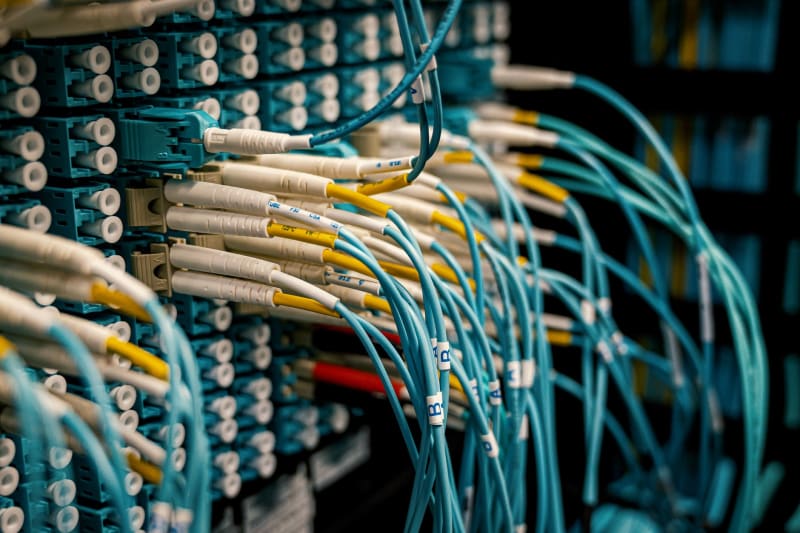
- These new sanctions specifically target those responsible for the notorious 'BlueBravo' cyber-attack campaign, which has relentlessly targeted critical infrastructure, government entities, and essential services across Europe, posing a severe threat to digital security.
- The individuals and entities sanctioned are also implicated in the 'Ghostwriter' campaign, a sophisticated disinformation operation designed to manipulate public opinion and sow discord within democratic processes across several EU member states.
- The sanctions include asset freezes, prohibiting EU citizens and entities from making funds available to those listed, and travel bans for the individuals, preventing their entry into or transit through EU territories.
- This move represents a robust and unified response from the EU, demonstrating its commitment to defending its cybersecurity framework and upholding democratic values against persistent foreign interference.
- The decision sends a clear message that the EU will not tolerate state-sponsored cyber aggression and will continue to leverage its diplomatic and economic tools to counter such threats effectively and decisively.
The Human Face
Behind every cyber-attack and disinformation campaign are real people whose lives are disrupted, whose privacy is violated, and whose trust in institutions is eroded. The 'BlueBravo' campaign, for instance, has not merely targeted abstract 'critical infrastructure'; it has aimed at the very systems that underpin daily life—hospitals, energy grids, and communication networks. When a hospital's systems are compromised, patient data is exposed, and life-saving procedures can be delayed or even canceled, directly impacting individuals and their families. This isn't just about data; it's about the tangible fear and anxiety experienced by citizens who rely on these services.
The 'Ghostwriter' disinformation campaign, on the other hand, preys on the psychological vulnerabilities of society. By spreading false narratives and manipulating public discourse, it undermines the very fabric of democratic societies. Citizens, bombarded with misleading information, struggle to discern truth from fiction, leading to increased polarization, distrust in media, and a general sense of instability. This erosion of trust can have profound long-term effects, making it harder for communities to unite and address common challenges. The human cost is a fractured society, where informed decision-making becomes increasingly difficult, and social cohesion is severely tested.
These sanctions, therefore, are not just a bureaucratic exercise; they are a direct response to the suffering and disruption caused by these malicious activities. By targeting the individuals and entities responsible, the EU aims to protect its citizens from further harm, safeguard their digital rights, and preserve the integrity of their democratic processes. The hope is that by imposing tangible consequences, future attacks will be deterred, and the human impact of cyber warfare and information manipulation can be mitigated, allowing individuals to live in a more secure and truthful environment.
How We Got Here
The path to these sanctions is paved with a history of escalating cyber aggression and persistent attempts by state-sponsored actors to destabilize democratic processes within the European Union and beyond. For years, intelligence agencies and cybersecurity experts have documented a growing number of sophisticated attacks originating from Russia, targeting a wide array of sectors. These incidents range from espionage and data theft to disruptive attacks on critical infrastructure and widespread disinformation campaigns. The 'BlueBravo' and 'Ghostwriter' campaigns are not isolated events but rather part of a broader, well-coordinated strategy to exert influence and sow discord, forcing the EU to develop a more robust and unified response mechanism.
The EU's journey towards a comprehensive cyber defense strategy has been incremental, initially focusing on information sharing and capacity building. However, the sheer volume and increasing sophistication of these threats necessitated a more assertive stance. The establishment of the EU's cyber diplomacy toolbox, which allows for the imposition of restrictive measures against those responsible for cyber-attacks, marked a significant turning point. This framework provides the legal and political basis for the kind of sanctions announced today, enabling the EU to move beyond mere condemnation to concrete action. This evolution reflects a growing recognition within the EU that cyber threats are not just technical challenges but fundamental threats to national security and democratic integrity.
Recent geopolitical events, particularly the ongoing war in Ukraine, have further intensified the urgency for the EU to act decisively. The conflict has been accompanied by an unprecedented surge in cyber warfare, with both sides engaging in digital battles that have global repercussions. This heightened threat landscape has galvanized EU member states to overcome previous hesitations and present a united front against external aggressors. The current sanctions are a direct consequence of this accumulated pressure and a clear signal that the EU is prepared to use all available tools to protect its interests and values in an increasingly volatile digital environment. This proactive measure aims to deter future hostile actions and reinforce the EU's commitment to a stable and secure cyberspace.
Why This Cannot Be Ignored
Ignoring these persistent cyber-attacks and destabilizing activities would be a catastrophic failure with far-reaching consequences for the European Union and its member states. At its core, these actions directly undermine national security, threatening critical infrastructure that sustains daily life—from power grids and water supplies to financial systems and healthcare networks. A successful, large-scale cyber-attack could cripple essential services, leading to widespread chaos, economic disruption, and even loss of life. The potential for such an event demands immediate and decisive countermeasures, as the cost of inaction far outweighs the effort of prevention and deterrence.
Beyond the immediate physical and economic threats, these activities pose an existential challenge to democratic governance and societal cohesion. Disinformation campaigns, like 'Ghostwriter,' are designed to erode public trust in institutions, manipulate electoral outcomes, and amplify societal divisions. When citizens can no longer distinguish verifiable facts from state-sponsored propaganda, the very foundation of informed public discourse crumbles. This erosion of trust can lead to political instability, decreased civic participation, and a weakening of democratic norms, making societies more vulnerable to external manipulation and internal strife. Allowing such campaigns to proliferate unchecked would effectively surrender the narrative to hostile foreign actors.
Furthermore, a failure to respond robustly would signal weakness, potentially emboldening other state and non-state actors to launch similar attacks. The EU's credibility as a global actor and its ability to protect its citizens would be severely compromised. These sanctions are not merely punitive; they are a crucial statement of intent, demonstrating the EU's unwavering commitment to defending its sovereignty, values, and digital frontiers. By imposing clear consequences, the EU aims to establish a strong deterrent, safeguarding its future against a constantly evolving landscape of hybrid threats and ensuring the continued resilience of its democratic systems and critical infrastructure.
Possible Paths Forward
Moving forward, the European Union must pursue a multi-faceted strategy that combines robust defensive measures with proactive diplomatic and punitive actions. One critical path involves significantly enhancing the collective cybersecurity capabilities of member states. This includes increased investment in advanced threat detection and response systems, fostering greater collaboration between national cybersecurity agencies, and developing a unified EU-wide cyber defense architecture. Regular joint exercises and intelligence sharing are paramount to ensure that the EU can anticipate, detect, and effectively neutralize emerging threats before they cause widespread damage. Furthermore, investing in the training and retention of skilled cybersecurity professionals is essential to build a resilient human firewall against sophisticated attacks.
Another crucial path lies in strengthening international partnerships and alliances to create a broader front against state-sponsored cyber aggression. Collaborating with like-minded nations, such as the United States, the United Kingdom, and NATO allies, can facilitate the sharing of best practices, intelligence, and technological innovations. Jointly developed frameworks for attributing cyber-attacks and imposing coordinated sanctions can amplify the deterrent effect and make it more difficult for malicious actors to operate with impunity. Diplomacy also plays a vital role in establishing international norms for responsible state behavior in cyberspace, pushing for global agreements that condemn and penalize cyber warfare, thereby creating a more predictable and secure digital environment for all.
Finally, the EU must continue to adapt its legal and regulatory frameworks to keep pace with the rapidly evolving threat landscape. This includes refining the existing cyber diplomacy toolbox to ensure it remains agile and effective in imposing restrictive measures. Additionally, investing in public awareness campaigns to educate citizens about disinformation tactics and enhance media literacy is crucial. Empowering individuals to critically evaluate information can significantly reduce the impact of propaganda campaigns. By combining strong defensive capabilities, strategic international collaboration, and adaptive legal frameworks, the EU can forge a path towards greater digital resilience and effectively counter the persistent challenges posed by state-sponsored cyber-attacks and destabilizing activities.
Questions People Are Actually Asking
What to Watch
- The immediate response from Russia: Observe any official statements, retaliatory measures, or shifts in the nature of their cyber operations following these sanctions. Will they escalate, change tactics, or attempt to downplay the impact?
- The effectiveness of the sanctions: Monitor whether the targeted individuals and entities show signs of financial or operational disruption, and if the sanctions genuinely impede their ability to conduct further malicious activities.
- The EU's continued unity and resolve: Watch for any signs of divergence among member states regarding future cyber defense policies or the willingness to impose further sanctions, which could impact the overall strength of the EU's stance.
- Developments in international cyber norms: Keep an eye on ongoing discussions and initiatives at the UN and other international forums regarding responsible state behavior in cyberspace, as these sanctions could influence global debates.
- The evolution of cyber threats: Track any new or adapted cyber-attack campaigns that emerge, particularly those targeting critical infrastructure or democratic processes, to assess if the sanctions have altered the threat landscape.
- The impact on EU-Russia relations: Observe how these sanctions further strain diplomatic ties and whether they lead to broader geopolitical implications beyond the realm of cybersecurity, potentially affecting other areas of cooperation or conflict.













Comments
No comments yet. Be the first to comment!