

The Story in Brief
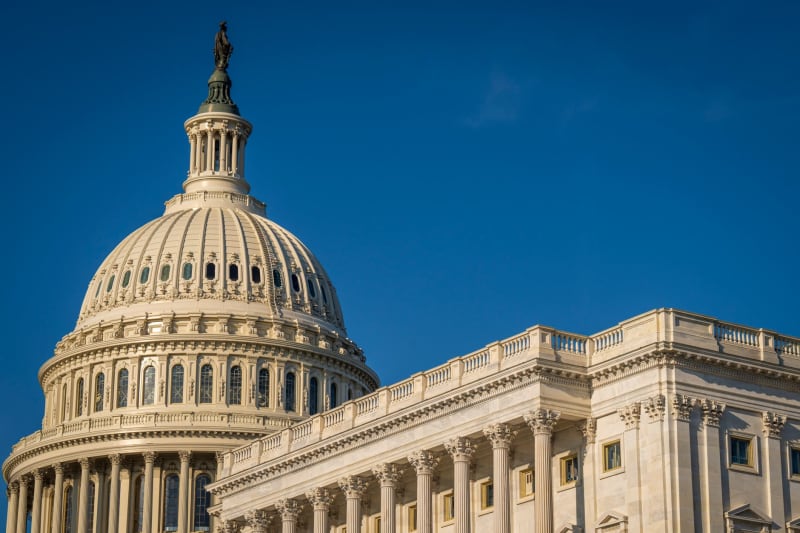
- Senator Lindsey Graham has introduced a comprehensive bill aimed at imposing severe new sanctions on Russia, a move that significantly escalates the existing pressure campaign against Moscow.
- A critical, and highly controversial, component of this legislation grants the President unprecedented authority to levy tariffs on any country that does not align with U.S. sanctions against Russia, fundamentally altering global trade dynamics.
- The bill specifically targets Russia's energy sector, aiming to disrupt its primary revenue streams by sanctioning oil and gas projects, which could have ripple effects on global energy markets and prices.
- This proposed legislation seeks to codify and expand existing executive orders related to Russian sanctions, embedding them into law and making them more difficult for future administrations to unilaterally reverse.
- Beyond economic measures, the bill also addresses cyber warfare and interference in democratic processes, proposing stricter penalties for entities involved in such activities, signaling a robust defense of democratic institutions.
- The introduction of this bill sparks a contentious debate within Congress, pitting those advocating for a harder line against Russia against concerns over presidential overreach and potential economic fallout from broad tariff powers.
The Human Face
While the headlines focus on geopolitical maneuvering and presidential powers, the real impact of these sweeping sanctions and tariff authorities will inevitably be felt by ordinary citizens, both in Russia and potentially globally. For Russian citizens, particularly those working in the energy sector or industries reliant on international trade, the sanctions could translate into job losses, reduced incomes, and a diminished quality of life as the economy contracts. The ripple effects of a struggling Russian economy could also exacerbate social tensions and political instability within the country, creating an environment of uncertainty and hardship for millions.
Beyond Russia's borders, the proposed tariff powers carry significant risks for consumers and businesses in countries deemed non-compliant with U.S. sanctions. Imagine a scenario where a European nation, heavily reliant on Russian energy, faces punitive tariffs on its exports to the U.S. because it cannot fully disengage from Russian economic ties overnight. This could lead to higher prices for imported goods in the U.S., reduced competitiveness for European businesses, and ultimately, a strain on household budgets. The global supply chains are intricately linked, and arbitrary tariffs, even if well-intentioned, can have unintended and far-reaching consequences that hurt everyday people.
Furthermore, the bill's emphasis on cyber warfare and interference, while crucial for national security, also highlights the increasing vulnerability of individuals in an interconnected world. The human face of cyberattacks often involves stolen personal data, disrupted essential services, and erosion of trust in digital systems. This legislation, by aiming to deter such actions, implicitly acknowledges the profound human cost of these modern conflicts, underscoring the need for robust protections that safeguard individual privacy and digital security against state-sponsored threats and geopolitical skirmishes.
How We Got Here
The journey to this proposed legislation is rooted in a long and complex history of U.S.-Russia relations, marked by periods of cooperation, intense rivalry, and escalating distrust. Following the collapse of the Soviet Union, initial hopes for a new era of partnership gradually eroded, replaced by growing concerns over Russia's assertive foreign policy, particularly its actions in Ukraine, Georgia, and its alleged interference in Western democratic processes. These events, coupled with Russia's human rights record, galvanized a bipartisan consensus in Washington that a stronger, more punitive approach was necessary to deter further aggression and uphold international norms. This sentiment has been building for years, culminating in a legislative environment ripe for comprehensive action.
Existing sanctions against Russia, primarily enacted through executive orders and previous congressional acts like the Magnitsky Act and CAATSA (Countering America's Adversaries Through Sanctions Act), have targeted specific individuals, entities, and sectors in response to various provocations. However, many lawmakers, including Senator Graham, argue that these measures have not been sufficiently deterrent. The perception that Russia continues to engage in destabilizing activities, from cyberattacks to military interventions, has fueled a desire for more robust, wide-ranging, and legally entrenched sanctions. This bill represents an attempt to move beyond incremental measures towards a more decisive and enduring framework for U.S. policy.
The inclusion of broad tariff powers for the President marks a significant departure from traditional sanctions policy and reflects a growing willingness within certain political circles to leverage economic tools in unconventional ways. This shift can be traced to the current administration's embrace of tariffs as a primary instrument of foreign policy and trade negotiation, challenging long-standing multilateral trade agreements. The idea of linking tariff authority directly to compliance with sanctions against a specific nation like Russia represents an unprecedented expansion of presidential economic power, signaling a potential new era where trade policy becomes inextricably intertwined with national security imperatives and geopolitical allegiances.
Why This Cannot Be Ignored
This bill is not merely another piece of legislation; it represents a potential paradigm shift in U.S. foreign policy and global economic relations. The proposed sanctions on Russia's energy sector, a cornerstone of its economy, could significantly impact global oil and gas prices, affecting industries and consumers worldwide. Disrupting Russia's primary revenue stream is a high-stakes gamble that could destabilize energy markets, potentially leading to price volatility and supply chain disruptions. Furthermore, it could push Russia closer to other economic powers, creating new geopolitical alignments that challenge existing international frameworks. The ramifications extend far beyond bilateral relations, touching the pockets and stability of nations across continents.
Even more critically, the provision granting the President sweeping authority to impose tariffs on any country not complying with U.S. sanctions against Russia introduces an unprecedented level of economic leverage and potential coercion. This power could fundamentally alter international trade norms, creating a complex web of compliance and retaliation. Nations might find themselves caught between maintaining economic ties with Russia and avoiding punitive tariffs from the U.S., forcing difficult choices that could strain alliances and fragment global trade systems. The weaponization of tariffs in this manner could set a dangerous precedent, making economic policy an even more volatile instrument of geopolitical pressure.
Beyond the immediate economic and geopolitical implications, this bill also raises profound constitutional questions regarding the balance of power between the executive and legislative branches. Granting such broad tariff authority to the President could be seen as an erosion of congressional oversight on trade policy, concentrating immense economic power in the White House. This shift could have long-term consequences for democratic governance, potentially leading to more unilateral decision-making in foreign policy and trade. Therefore, this legislation demands rigorous scrutiny not just for its immediate impact, but for the enduring precedents it could establish for the future of American governance and its role on the global stage.
Possible Paths Forward
One primary path forward involves a robust legislative debate within Congress, where the bill undergoes significant scrutiny and potential amendments. Lawmakers could choose to refine the scope of the sanctions, ensuring they are targeted and effective without causing undue harm to global markets or U.S. allies. This might involve setting clearer parameters for the presidential tariff authority, perhaps requiring congressional approval for certain tariff actions or establishing specific criteria for non-compliance. A more collaborative approach between the executive and legislative branches could lead to a more balanced and sustainable policy, mitigating the risks of overreach while still addressing the core concerns about Russian aggression. This path emphasizes deliberation and consensus-building.
Another potential trajectory involves a more unilateral approach, where the bill passes largely as is, granting the President expansive new powers. In this scenario, the executive branch would then wield significant leverage over international trade and foreign policy, potentially leading to swift and decisive actions against countries deemed non-compliant. While this might offer a quicker response to perceived threats, it also carries the risk of alienating allies, sparking trade wars, and undermining multilateral institutions. The effectiveness of such a path would heavily depend on the President's diplomatic skill and willingness to engage with international partners, rather than solely relying on punitive measures. This path prioritizes executive agility over broad consensus.
A third, more diplomatic path could see the U.S. leveraging the threat of this legislation as a bargaining chip, engaging in intensified negotiations with Russia and its partners to de-escalate tensions and seek diplomatic resolutions. Instead of immediate implementation, the bill could serve as a powerful signal of U.S. resolve, encouraging dialogue and concessions. This would involve coordinated efforts with international allies to present a united front, offering a pathway for Russia to alter its behavior without necessarily triggering the full force of the proposed sanctions and tariffs. This approach prioritizes diplomacy and strategic leverage, using the bill as a tool for negotiation rather than immediate enforcement.

Questions People Are Actually Asking
What to Watch
- Closely monitor the legislative progress of Senator Graham's bill in Congress, paying attention to any amendments or compromises that might alter its scope, particularly regarding the controversial presidential tariff powers.
- Observe the reactions from key U.S. allies, especially in Europe, to the proposed tariff provisions, as their responses will indicate the potential for international friction and the viability of a united front against Russia.
- Track the rhetoric and actions of the Trump administration regarding Russia and trade, as the President's stance will heavily influence how these new powers, if granted, would be utilized and the immediate impact on global markets.
- Keep an eye on global energy markets for any early signs of volatility or price shifts in anticipation or response to potential sanctions on Russia's oil and gas sector, which could have widespread economic effects.
- Watch for any diplomatic overtures or counter-measures from Russia, as Moscow's response to the escalating pressure will be crucial in determining the future trajectory of U.S.-Russia relations and regional stability.
- Follow expert analyses from economists and foreign policy specialists regarding the potential long-term economic and geopolitical implications of the bill, particularly concerning its impact on international trade agreements and global alliances.















Comments
No comments yet. Be the first to comment!