

At a Glance
- The ongoing Middle East conflict has triggered a significant surge in global energy prices, directly impacting transportation costs and the manufacturing sector, leading to higher consumer prices.
- Food security is deteriorating rapidly in affected regions and beyond, as supply chain disruptions and increased commodity prices make essential foodstuffs unaffordable for many low-income families.
- Inflationary pressures are intensifying worldwide, with the most vulnerable households experiencing a disproportionate erosion of their purchasing power, making it harder to afford basic necessities.
- Economic instability is spreading, as investor confidence wanes and trade routes are jeopardized, threatening job security and economic growth in developing nations heavily reliant on global markets.
- Humanitarian crises are deepening, with millions displaced and essential services collapsing, exacerbating poverty and creating long-term developmental setbacks for entire communities.
- Governments are grappling with the dual challenge of providing immediate relief to affected populations while also implementing sustainable economic policies to mitigate the conflict's far-reaching consequences.
The Record
The conflict in the Middle East has rapidly escalated, transforming regional tensions into a global economic concern. Initially localized, the hostilities have now disrupted critical shipping lanes and energy supplies, sending shockwaves through international markets. This escalation has been particularly devastating for economies already struggling with post-pandemic recovery and pre-existing vulnerabilities, pushing many closer to the brink of recession. The immediate impact is evident in the volatile swings of oil and gas prices, which directly translate into higher costs for consumers and businesses alike, creating an urgent need for stability.
A primary consequence of this geopolitical instability is the sharp increase in global energy prices. The Middle East is a pivotal region for oil and gas production, and any disruption there inevitably affects supply and pricing worldwide. This surge in energy costs directly impacts transportation, manufacturing, and agriculture, leading to a cascading effect on the prices of goods and services. For low-income households, this means higher utility bills, more expensive groceries, and increased commuting costs, effectively shrinking their already tight budgets and forcing difficult choices between essential needs. The ripple effect is profound, exacerbating existing inequalities.
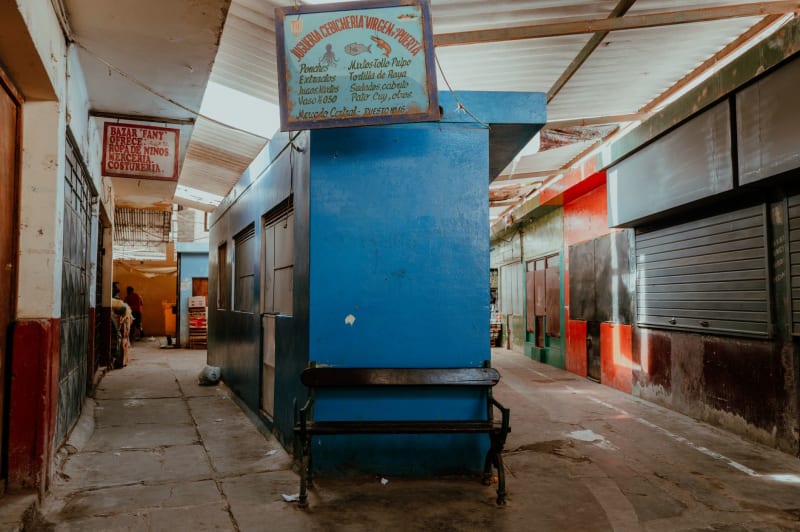
Beyond energy, the conflict has severely strained global supply chains, particularly for food commodities. Regions reliant on imports are now facing unprecedented challenges as shipping routes become riskier and insurance premiums soar. This disruption, coupled with speculative trading in commodity markets, has driven up food prices, making staple foods unaffordable for millions. The specter of food insecurity looms large, especially in developing countries where a significant portion of household income is spent on food. This situation is not merely an economic inconvenience; it is a humanitarian crisis unfolding in real-time, demanding immediate and coordinated international responses to prevent widespread suffering and malnutrition.
Who Knew and When
Economists and geopolitical analysts have long warned about the potential for regional conflicts in the Middle East to trigger global economic instability. Reports from institutions like the World Bank and the International Monetary Fund, published as early as late 2022 and throughout 2023, highlighted the fragility of global supply chains and the critical dependence on Middle Eastern energy resources. These analyses consistently pointed out that any significant disruption in the region would inevitably lead to inflationary pressures and economic slowdowns, particularly impacting vulnerable economies and low-income populations that lack the buffers to absorb such shocks. The warnings were clear, yet the full scope of the current crisis's impact is still unfolding.
Specific intelligence briefings and risk assessments from various international bodies and national security agencies also underscored the escalating tensions in the region. These reports, often confidential but sometimes alluded to in public statements, detailed the increasing likelihood of a broader conflict and its potential to disrupt maritime trade routes, especially through vital chokepoints like the Suez Canal and the Strait of Hormuz. The implications for global shipping and energy transit were well-understood by policymakers, who were advised to prepare for contingencies that included spikes in oil prices and significant logistical challenges. Despite these insights, the speed and severity of the economic fallout have caught many off guard.
Furthermore, humanitarian organizations and NGOs operating in the region have consistently raised alarms about the deteriorating living conditions and the looming threat of widespread poverty and food insecurity, even before the current conflict reached its peak. Their on-the-ground observations provided early indicators of the economic vulnerability of local populations, which would inevitably be exacerbated by any large-scale conflict. These warnings, often overshadowed by political headlines, emphasized the urgent need for long-term development aid and robust social safety nets. The current crisis tragically validates these earlier concerns, demonstrating a critical gap between early warnings and effective preventative action on a global scale.
Voices from the Ground
In Cairo, Egypt, Aisha, a mother of three, shares her daily struggle: "Before the war, we could manage. Now, the price of bread has gone up by 30%, cooking oil by 40%. My husband's daily wage hasn't changed. We skip meals, and my children often go to bed hungry. It's not just about surviving; it's about watching everything you've worked for disappear, piece by piece. The future feels incredibly bleak when you can't even afford today's dinner." Her testimony highlights the immediate and devastating impact on household budgets, where every penny counts and inflation becomes a matter of life and death.
Across the border in Jordan, Omar, a taxi driver, laments the rising fuel costs: "Every time I fill up my tank, it costs more than I earn in a day. People are cutting back on travel, so fewer fares. I used to make enough to send money to my family in Syria, but now I can barely feed my own. This conflict, it's not just in one place; it's everywhere, in our pockets, in our homes. We are caught in a trap, with no way out, just watching our livelihoods erode day by day." His experience illustrates the profound ripple effect on informal sector workers and those reliant on a stable economy.
From a refugee camp in Lebanon, Fatima, who fled her home years ago, expresses profound despair: "We thought we had seen the worst, but this new war brings new suffering. Aid is scarcer, prices in the market outside the camp are impossible. My children are sick, and I can't afford medicine. We are forgotten, living on the edge of existence, constantly reminded that our lives are expendable in the face of global conflicts. The international community must remember us, the innocent victims who pay the highest price for wars we did not start." Her poignant words underscore the compounding crises faced by already vulnerable populations.
The Debate
The debate surrounding the economic fallout of the Middle East conflict primarily centers on the most effective strategies to mitigate its impact, particularly on low-income households. One school of thought advocates for immediate, targeted financial aid and humanitarian assistance to affected regions. Proponents argue that direct cash transfers, food vouchers, and emergency medical supplies are crucial for preventing widespread starvation and social unrest, emphasizing the moral imperative to protect the most vulnerable. This approach, they contend, provides a vital safety net, ensuring basic survival while longer-term solutions are sought, and prevents the complete collapse of local economies.
Conversely, another perspective emphasizes the need for broader, structural economic interventions to address the root causes of vulnerability. This includes diversifying global energy sources, strengthening international trade agreements to reduce reliance on volatile regions, and investing in sustainable local agricultural practices. Critics of solely humanitarian aid argue that it offers only temporary relief and does not build resilience against future shocks. They advocate for policies that empower local economies, create sustainable employment opportunities, and establish robust social safety nets that can withstand geopolitical turbulence, thereby fostering long-term stability and reducing dependence on external aid.
A third, more nuanced viewpoint suggests a combination of both immediate relief and long-term structural reforms. This integrated approach recognizes the urgency of humanitarian crises while simultaneously working towards building more resilient economic systems. It involves coordinated international efforts to stabilize commodity markets, negotiate safe passage for critical goods, and implement financial mechanisms to support countries most affected by inflationary pressures. Furthermore, this perspective stresses the importance of diplomatic efforts to de-escalate the conflict itself, acknowledging that true economic stability for low-income households ultimately depends on lasting peace in the region. The complexity of the situation demands a multi-faceted response.

Your Questions Answered
What Accountability Looks Like
Accountability in the context of the Middle East conflict's economic fallout demands a multi-faceted approach, starting with transparent reporting from international organizations and national governments. This means providing clear, verifiable data on the humanitarian and economic costs, identifying specific vulnerabilities, and tracking the effectiveness of aid and policy interventions. Such transparency is crucial for ensuring that resources are allocated efficiently and reach those most in need, preventing corruption and ensuring that the true scale of the crisis is understood by all stakeholders. Without accurate information, effective solutions remain elusive.
Furthermore, accountability extends to the international community's responsibility to uphold humanitarian law and facilitate safe passage for aid. This includes holding all parties involved in the conflict responsible for ensuring the protection of civilians and critical infrastructure, as well as refraining from actions that exacerbate economic hardship, such as blockades or attacks on essential supply routes. International bodies must actively monitor compliance and impose consequences for violations, demonstrating a commitment to protecting human lives and livelihoods amidst geopolitical strife. This proactive stance is essential for mitigating the worst impacts of conflict.
Finally, long-term accountability requires a commitment from global leaders to address the underlying causes of economic vulnerability and conflict. This involves investing in sustainable development, promoting diplomatic solutions, and building resilient economic systems that can withstand future shocks. For low-income households, this means ensuring access to education, healthcare, and economic opportunities, thereby empowering them to build more secure futures. It also entails creating mechanisms for post-conflict reconstruction and economic recovery that prioritize equity and inclusion, ensuring that the burden of conflict is not disproportionately borne by the most vulnerable populations in perpetuity.










Comments
No comments yet. Be the first to comment!