


Key Takeaways
- The International Monetary Fund (IMF) projects a global economic growth rate of a mere 3% for the current year, signaling a persistent slowdown in worldwide economic activity that demands careful monitoring and proactive policy responses.
- Geopolitical tensions, particularly the escalating conflict in Iran, are identified as significant headwinds, threatening to disrupt global supply chains, inflate energy prices, and dampen investor confidence across various sectors.
- Despite the looming challenges, the rapid advancement and integration of Artificial Intelligence (AI) are seen as a potential silver lining, offering new avenues for productivity gains, innovation, and economic diversification.
- This 3% forecast represents a delicate balance between persistent inflationary pressures and the potential for technological breakthroughs, underscoring the complex interplay of forces shaping the global economic landscape.
- Policymakers face the intricate task of mitigating the negative impacts of geopolitical instability while simultaneously fostering an environment conducive to technological adoption and equitable growth.
- The report emphasizes the urgent need for international cooperation to address shared economic vulnerabilities and to harness the benefits of emerging technologies responsibly, ensuring a more resilient and inclusive global economy.
Background
The International Monetary Fund (IMF) recently released its updated World Economic Outlook, painting a picture of a global economy grappling with multiple, often conflicting, forces. The headline figure—a projected 3% growth rate for the current year—underscores a persistent trend of moderate expansion, a stark contrast to the more robust growth seen in pre-pandemic decades. This forecast is not merely a number; it represents the aggregate impact of ongoing geopolitical conflicts, persistent inflationary pressures in key economies, and the uneven recovery trajectories observed across different regions. Understanding this backdrop is crucial for appreciating the complexities and the delicate balance that policymakers must maintain.
For several years now, the global economy has been buffeted by a series of unprecedented shocks, ranging from the COVID-19 pandemic and its ensuing supply chain disruptions to the war in Ukraine, which sent energy and food prices soaring. These events have not only created immediate economic instability but have also exacerbated underlying structural issues, such as rising public debt levels and widening income inequality. The current forecast reflects the lingering effects of these past crises, indicating that the world economy is still very much in a recovery phase, albeit one fraught with new and evolving risks. The IMF's assessment serves as a critical barometer, guiding international financial institutions and national governments in their strategic planning.
The 3% growth projection, while not a recession, is significantly below the historical average for global growth, signaling a period of sustained sluggishness. This slowdown is particularly concerning given the urgent need for robust economic expansion to address global challenges like poverty reduction, climate change mitigation, and infrastructure development. The report highlights that this moderate growth is a result of a complex interplay of factors, including tight monetary policies implemented by central banks to combat inflation, persistent supply-side constraints, and a general cooling of demand in major economies. Furthermore, the fragmentation of global trade and investment, driven by protectionist tendencies and geopolitical rivalries, continues to cast a long shadow over the economic outlook, making sustained, broad-based recovery an increasingly difficult endeavor.
Why It Matters
A 3% global growth rate, while seemingly positive, is a precarious figure that carries significant implications for billions worldwide. This moderate expansion means fewer jobs created, slower wage growth, and reduced investment in critical public services like healthcare and education, particularly in developing nations. For businesses, it translates to tighter profit margins, increased competition, and a more challenging environment for expansion and innovation. The ripple effects of this subdued growth will be felt in every household, impacting purchasing power, savings, and overall economic security, making it a critical concern for every government and international organization.
The dual influence of geopolitical conflict and technological disruption creates a highly volatile economic landscape. The ongoing Iran war, for instance, not only threatens regional stability but also has the potential to send oil prices skyrocketing, triggering inflationary spirals and supply chain chaos globally. Such disruptions can derail economic recovery efforts, erode consumer confidence, and force central banks into difficult policy choices that could further dampen growth. Conversely, the rapid ascent of Artificial Intelligence presents an unparalleled opportunity for productivity gains and economic transformation, but also poses challenges related to job displacement and the need for significant workforce reskilling. The stakes are incredibly high, requiring nimble and forward-thinking policy responses.
This delicate balance between destructive geopolitical forces and transformative technological advancements demands immediate and strategic attention from leaders across the globe. Failure to adequately address the risks posed by conflicts could plunge parts of the world into deeper economic distress, while a failure to harness the potential of AI could leave nations behind in the next wave of global innovation. The decisions made today regarding trade policies, investment in R&D, and international cooperation will profoundly shape the economic trajectory for decades to come. It is not merely about managing current crises, but about strategically positioning the global economy for sustainable and inclusive growth in an increasingly complex world.
Ground Reality
On the ground, the 3% growth forecast manifests in varied and often contradictory ways across different economies. In developed nations, consumers are still grappling with the lingering effects of inflation, even as central banks signal a potential easing of monetary policy. High interest rates have made borrowing more expensive for both businesses and individuals, slowing down investment in new projects and dampening consumer spending on big-ticket items. Labor markets, while generally robust, are showing signs of cooling, with some sectors experiencing layoffs as companies adjust to a more cautious economic outlook. This creates a challenging environment where the cost of living remains high, yet the prospects for significant income growth appear limited for many.
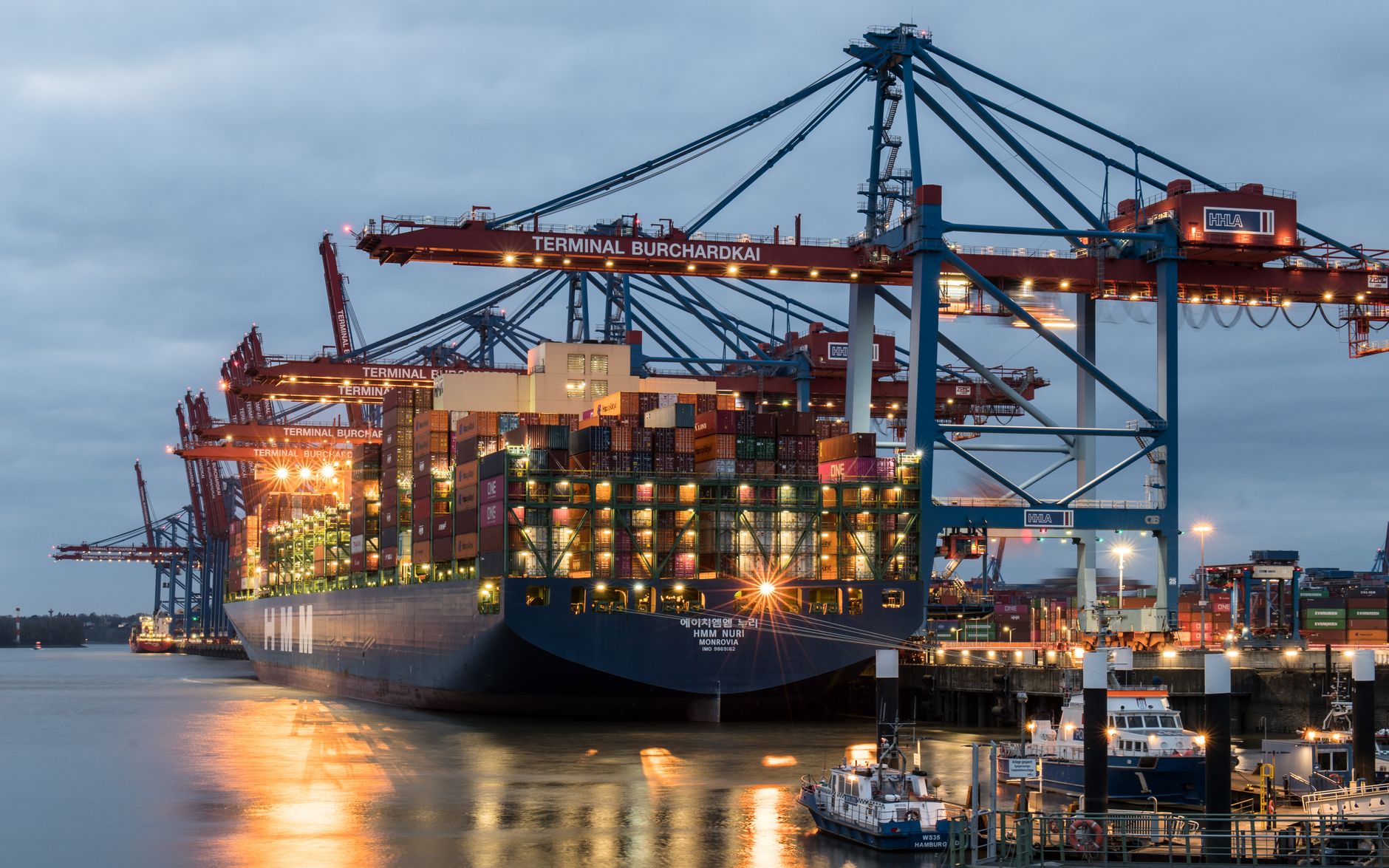
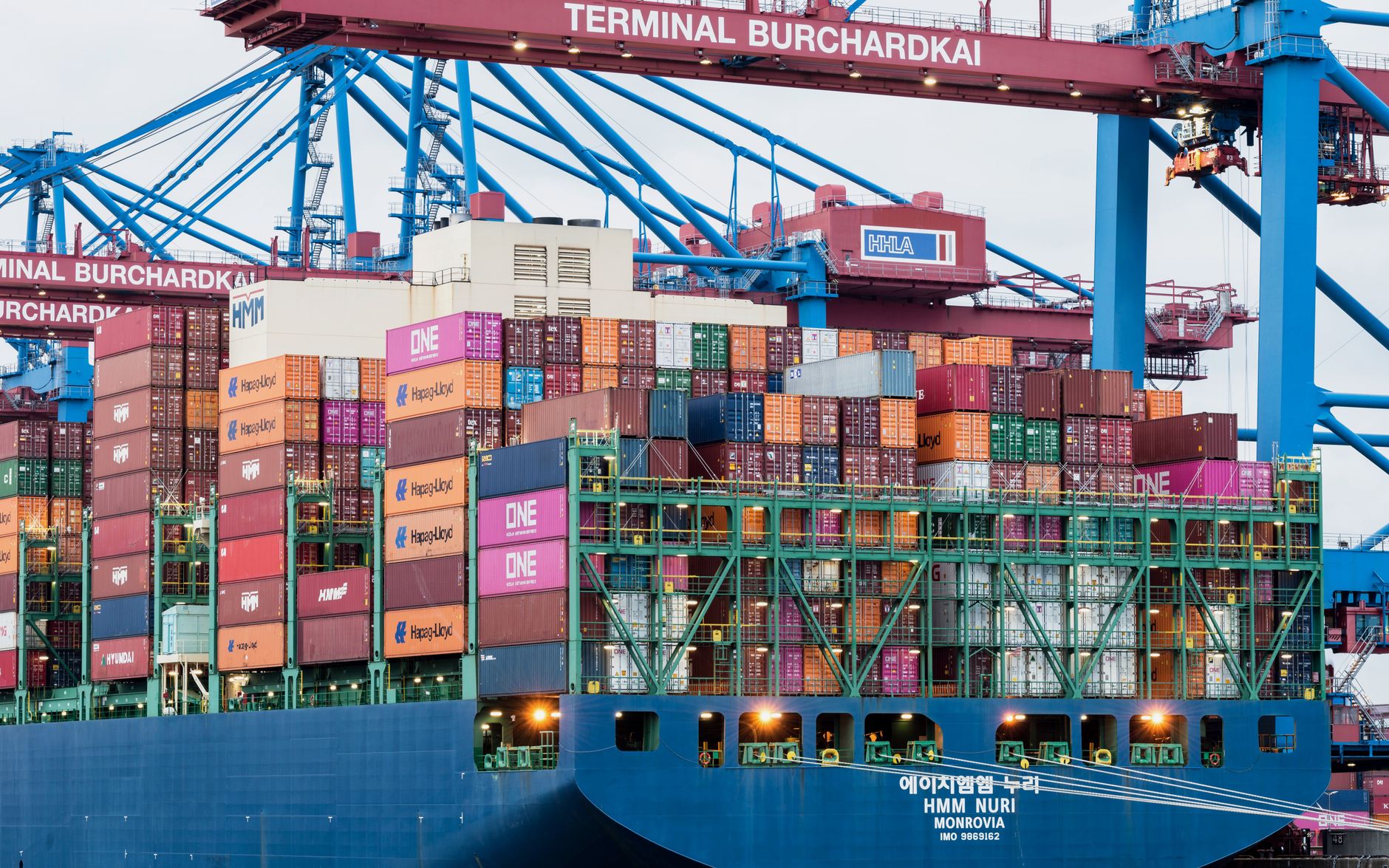
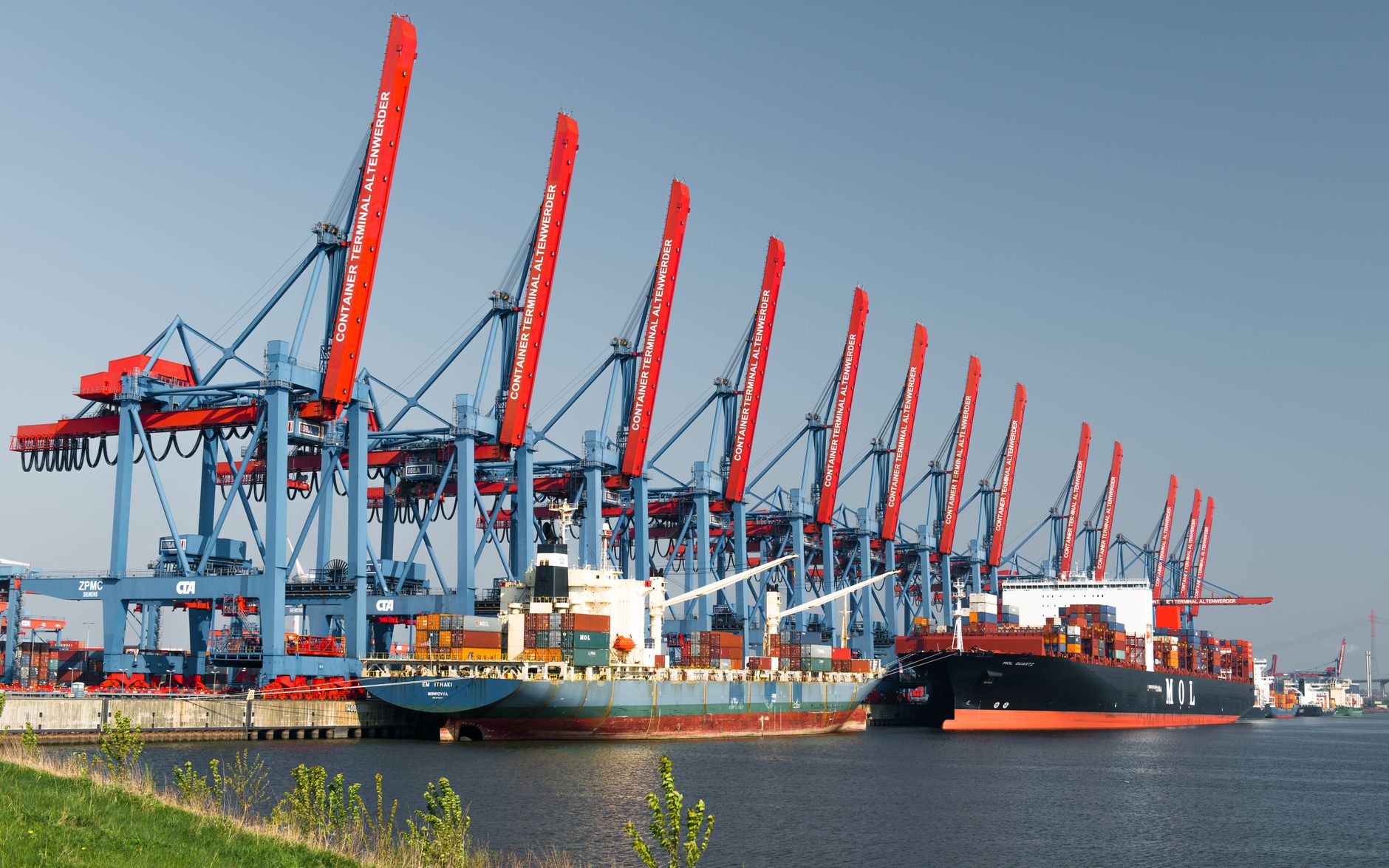
The impact of geopolitical tensions, particularly the Iran war, is acutely felt in energy markets and global supply chains. Businesses reliant on international trade face increased shipping costs, longer delivery times, and heightened uncertainty, forcing them to re-evaluate their sourcing strategies and build greater resilience into their operations. For consumers, this translates to higher prices for imported goods and potentially volatile fuel costs, directly impacting household budgets. The conflict also creates a climate of investor apprehension, leading to capital flight from perceived riskier markets and a preference for safer assets, which can stifle much-needed investment in emerging economies. The interconnectedness of the global economy means that regional conflicts have far-reaching consequences that touch every corner of the world.
Conversely, the ground reality for AI is one of accelerating adoption and transformative potential, albeit with significant regional disparities. Companies across various sectors are investing heavily in AI technologies, from automating routine tasks to developing sophisticated analytical tools, driving efficiency gains and creating new products and services. However, the benefits are not evenly distributed; nations and businesses with the infrastructure, talent, and regulatory frameworks to embrace AI are surging ahead, while others risk being left behind. This technological divergence could exacerbate existing inequalities between countries and within societies, creating a new digital divide. The challenge lies in ensuring that the productivity gains from AI translate into broad-based economic benefits, rather than concentrating wealth and power in the hands of a few.
What Experts Are Saying
Economists and policy analysts are largely in agreement that the 3% growth forecast represents a 'new normal' of slower, more volatile global expansion. Dr. Elena Petrova, a senior fellow at the Global Economic Institute, notes, "This isn't just a cyclical downturn; we're witnessing a structural shift driven by demographic changes, persistent debt burdens, and the fragmentation of global trade. The days of robust, synchronized global growth appear to be behind us for the foreseeable future, requiring a fundamental rethinking of economic policy frameworks." Her analysis underscores the deep-seated issues that contribute to the current sluggish outlook, moving beyond mere short-term fluctuations.
Regarding the Iran war's impact, energy market expert Dr. Marcus Thorne from the Geopolitical Risk Center warns, "Any significant escalation in the Middle East could easily push oil prices well above current levels, triggering a fresh wave of inflation and potentially tipping several vulnerable economies into recession. The current forecast might even be optimistic if the conflict widens or disrupts critical shipping lanes." This highlights the extreme fragility of the global energy supply and the outsized influence of geopolitical events on economic stability. His perspective emphasizes the need for contingency planning and diversification of energy sources to mitigate such risks.
On the other hand, AI futurist and technology economist Dr. Anya Sharma believes that the IMF's forecast might be underestimating AI's long-term potential. "While the immediate impacts are still being quantified, the productivity gains from AI, once fully integrated across industries, could be truly revolutionary. We're talking about a potential step-change in efficiency and innovation that could offset many of the geopolitical headwinds, provided we manage the transition effectively and invest in the necessary infrastructure and human capital." Her optimistic outlook suggests that AI could be the key to unlocking new avenues of growth, but she also stresses the importance of proactive policy to ensure inclusive benefits and manage potential disruptions.

Frequently Asked Questions
What Happens Next
The immediate future of the global economy will be heavily influenced by the trajectory of geopolitical events and the policy responses from major central banks. Any de-escalation of the Iran war or other regional conflicts could provide a much-needed boost to global confidence and stabilize energy markets, potentially leading to a slight upward revision of growth forecasts. Conversely, an intensification of these conflicts would almost certainly dampen economic prospects further, necessitating more aggressive and coordinated international interventions. Central banks, particularly the U.S. Federal Reserve and the European Central Bank, will be closely watched for signals on interest rate adjustments, as their decisions will dictate the cost of borrowing and investment across the world. Their cautious approach to monetary easing suggests that high interest rates will likely persist for some time, continuing to exert downward pressure on demand.
In the medium term, the integration and regulation of Artificial Intelligence will become an increasingly dominant theme. Governments worldwide are expected to accelerate discussions on frameworks for AI governance, aiming to harness its economic benefits while mitigating risks such as job displacement, ethical concerns, and potential for misuse. This will involve significant investments in education and workforce retraining programs to equip populations with the skills needed for an AI-driven economy. Businesses that successfully adopt and adapt to AI technologies will likely gain a significant competitive advantage, while those that lag behind may struggle. The next few years will be critical in shaping how AI fundamentally reshapes labor markets, productivity, and global economic power dynamics.
Looking further ahead, the global economy faces structural challenges that transcend immediate crises. Issues such as climate change, demographic shifts (aging populations in many developed countries, youth bulges in others), and rising national debt levels will continue to demand strategic, long-term solutions. The 3% growth forecast underscores the urgency for international cooperation on these fronts, as no single nation can effectively address them alone. The coming period will test the resilience of global institutions and the willingness of nations to collaborate on shared economic prosperity, rather than retreating into protectionism. The choices made now will determine whether the world can achieve more robust, sustainable, and equitable growth in the decades to come.









Comments
No comments yet. Be the first to comment!