
Policy Snapshot
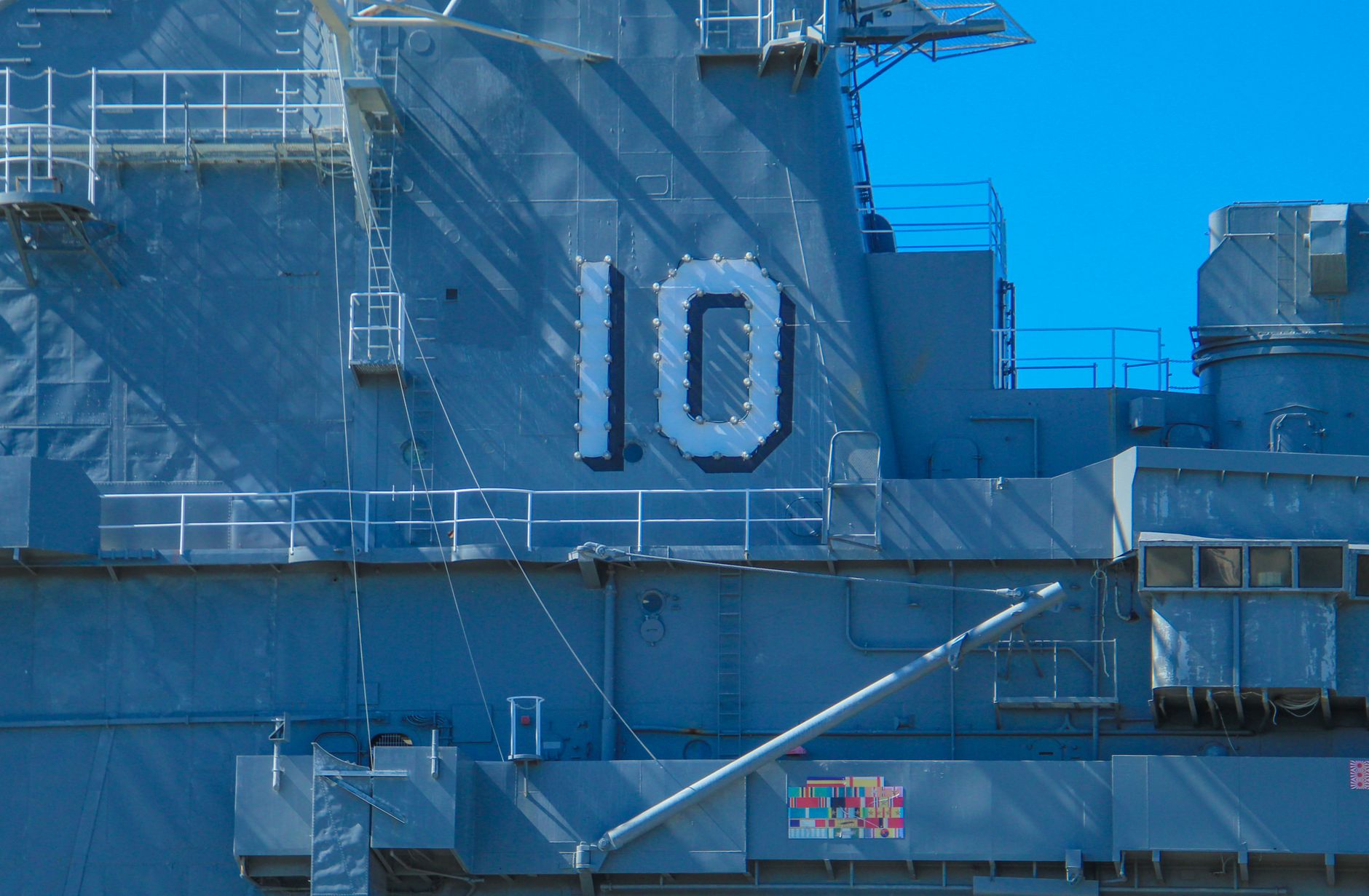
- Former President Donald Trump has publicly declared his intention to implement a naval blockade of the Strait of Hormuz if re-elected, a move designed to exert maximum economic pressure on Iran.
- The proposed policy involves the U.S. Navy intercepting all vessels attempting to transit the Strait and imposing a 'toll' or fee for safe passage, effectively monetizing access to this critical global chokepoint.
- This blockade would specifically target Iranian oil exports, aiming to completely cut off the regime's primary source of revenue and cripple its ability to fund regional proxies and nuclear ambitions.
- The policy represents a significant departure from existing international maritime law, which generally upholds the right of innocent passage through international straits, potentially setting a dangerous precedent.
- Such an action would undoubtedly provoke a severe response from Iran, which has historically threatened to close the Strait in retaliation for perceived aggressions, raising the specter of direct military confrontation.
- The economic ramifications would be global, as the Strait of Hormuz is vital for the transit of roughly one-fifth of the world's total petroleum liquids, making oil price volatility almost certain.
- This aggressive stance is framed by Trump as a necessary measure to force Iran to negotiate a new, more stringent nuclear deal and cease its destabilizing activities in the Middle East.
- The proposal also signals a potential shift towards a more unilateral and assertive U.S. foreign policy, prioritizing national interests and leverage over multilateral agreements and international norms.
The Policy History
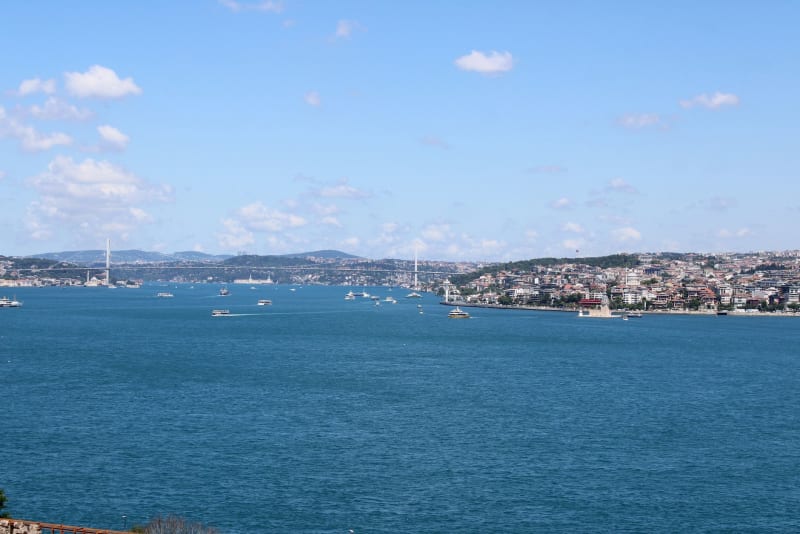
The Strait of Hormuz, a narrow waterway connecting the Persian Gulf with the Arabian Sea and the open ocean, has long been a geopolitical flashpoint. Its strategic importance cannot be overstated; approximately 21 million barrels of oil per day, representing about 21% of global petroleum liquids consumption, pass through this chokepoint. For decades, the U.S. has maintained a naval presence in the region, primarily to ensure the free flow of commerce and deter Iranian aggression, adhering to international principles of freedom of navigation. This long-standing commitment has been a cornerstone of global energy security, providing stability to oil markets and reassuring international shipping.
The relationship between the U.S. and Iran has been fraught with tension since the 1979 Islamic Revolution, marked by periods of confrontation and proxy conflicts. Sanctions have been a primary tool of U.S. policy, designed to pressure Iran over its nuclear program, support for terrorism, and human rights abuses. The Obama administration pursued a diplomatic approach, culminating in the 2015 Joint Comprehensive Plan of Action (JCPOA), which lifted many international sanctions in exchange for verifiable limits on Iran's nuclear activities. This agreement, while controversial, temporarily de-escalated tensions and provided a framework for managing the nuclear issue.
However, the Trump administration dramatically shifted course in 2018, withdrawing from the JCPOA and reimposing a stringent 'maximum pressure' campaign of sanctions aimed at crippling Iran's economy. This campaign significantly curtailed Iran's oil exports and exacerbated economic hardship within the country. The proposed blockade of the Strait of Hormuz represents an extreme escalation of this maximum pressure strategy, moving beyond economic sanctions to a direct physical interdiction of maritime traffic. This unprecedented step would fundamentally alter the geopolitical landscape of the Middle East, challenging established international norms and risking direct military confrontation in one of the world's most sensitive regions. The implications for global trade, energy prices, and regional stability are immense, demanding a thorough examination of its potential consequences.
Who Is Affected
The most immediate and profoundly affected entity would be Iran itself. A blockade of the Strait of Hormuz would effectively sever Iran's primary economic lifeline, cutting off its oil exports and severely restricting its ability to import essential goods. This would lead to a catastrophic economic collapse, exacerbating existing internal pressures and potentially destabilizing the regime. The Iranian populace, already grappling with high inflation and unemployment due to existing sanctions, would face unprecedented hardship, potentially leading to widespread social unrest and a humanitarian crisis. The regime's ability to fund its military, maintain its security apparatus, and support its regional proxies would be severely compromised, fundamentally altering the balance of power in the Middle East.
Globally, the impact on energy markets would be immediate and severe. Nations heavily reliant on oil transiting the Strait of Hormuz, particularly in Asia like China, India, Japan, and South Korea, would face critical supply disruptions and soaring energy prices. Even countries not directly dependent on Hormuz oil would experience ripple effects as global crude prices spike, impacting everything from transportation costs to manufacturing expenses. This would trigger a global economic downturn, potentially pushing vulnerable economies into recession. The uncertainty and volatility introduced into the international shipping industry would also lead to increased insurance premiums and logistical challenges, further disrupting global supply chains and increasing consumer costs worldwide.
Furthermore, the proposed blockade would have far-reaching implications for international law and global security. The principle of freedom of navigation, a cornerstone of international maritime law, would be directly challenged, setting a dangerous precedent for other strategic waterways. This could embolden other nations to assert similar control over international straits, leading to a fragmentation of maritime governance and increased geopolitical instability. Regional allies of the U.S., such as Saudi Arabia and the UAE, would find themselves in an even more precarious position, caught between a belligerent Iran and an unpredictable U.S. policy. The risk of miscalculation and unintended escalation, potentially leading to a broader regional conflict, would be alarmingly high, drawing in multiple international actors and threatening global peace and security.
The Case For
Proponents of a Hormuz blockade argue that it represents the ultimate form of economic leverage, a decisive measure to force Iran to capitulate to U.S. demands. By completely cutting off Iran's oil revenue, the regime would be starved of the funds necessary to pursue its nuclear ambitions, develop ballistic missiles, and support proxy groups like Hezbollah and the Houthis. This strategy aims to bring Iran to the negotiating table from a position of extreme weakness, compelling them to accept a more comprehensive and stringent deal than the JCPOA, one that addresses all aspects of its destabilizing behavior. The argument is that only such overwhelming pressure can truly alter Iran's strategic calculus and compel a fundamental shift in its foreign policy.
Another key argument is that a blockade would restore American credibility and demonstrate resolve on the global stage. After years of perceived Iranian defiance and continued regional aggression, this action would signal that the U.S. is prepared to take extraordinary measures to protect its interests and those of its allies. This show of force, it is argued, would deter other adversarial nations from challenging U.S. hegemony and international norms. The proponents believe that a strong, decisive action is necessary to reassert American leadership and send an unequivocal message that Iranian provocations will no longer be tolerated, thereby stabilizing the region through a clear demonstration of power.
Furthermore, advocates suggest that the 'toll' mechanism could generate substantial revenue for the U.S., effectively making other nations contribute to the cost of maintaining security in the Strait. This revenue, they argue, could offset the significant expenses of U.S. naval operations in the Persian Gulf and potentially be used to fund other strategic initiatives. The blockade is also presented as a means to protect global shipping from potential Iranian threats, even if those threats are a response to the blockade itself. By taking control of the Strait, the U.S. would ostensibly guarantee safe passage for compliant vessels, albeit at a price, thereby asserting a new form of maritime governance in a critical global chokepoint.
The Case Against
Critics vehemently argue that a U.S. blockade of the Strait of Hormuz would be an act of war, a direct violation of international law, and an unprecedented provocation that would inevitably lead to military conflict with Iran. Such an action would be viewed by Tehran as an existential threat, leaving them with little choice but to retaliate, potentially by attempting to close the Strait themselves or launching attacks on U.S. assets and regional allies. The risk of miscalculation and rapid escalation into a full-blown regional war, with devastating consequences for global stability and the world economy, is extraordinarily high. This move would be seen globally as a dangerous unilateral action, eroding international trust in U.S. leadership and undermining the very principles of freedom of navigation it purports to uphold.
Economically, the consequences would be catastrophic and far-reaching, extending well beyond Iran. A blockade would trigger an immediate and massive surge in global oil prices, potentially to unprecedented levels, as a significant portion of the world's oil supply is suddenly jeopardized. This would plunge the global economy into a severe recession, impacting every nation and every consumer through higher energy costs, increased inflation, and disrupted supply chains. Major oil-importing nations, including key U.S. allies, would face immense economic pressure, potentially leading to a breakdown of international economic cooperation and increased global instability. The 'toll' concept is seen as an extortionate demand that would only exacerbate global economic pain.
Furthermore, a U.S. blockade would isolate the United States on the international stage. Such a unilateral and aggressive action would be condemned by most nations, including many traditional allies, who rely on the free flow of commerce through international waters. It would likely lead to widespread diplomatic opposition, undermine international legal frameworks, and potentially push Iran closer to rivals like China and Russia, creating a more entrenched and dangerous geopolitical alignment. The long-term damage to U.S. diplomatic standing and its ability to build consensus on critical global issues would be immense, making future international cooperation significantly more challenging and leaving the U.S. increasingly isolated in its foreign policy endeavors.
Policy Questions Answered
Implementation Watch
The operational complexities of implementing a full naval blockade of the Strait of Hormuz are immense and fraught with peril. The U.S. Navy would need to deploy a significant number of warships, aircraft, and personnel to effectively interdict all commercial and military traffic through the narrow waterway, which is approximately 21 nautical miles wide at its narrowest point. This would require an unprecedented logistical effort and sustained military presence, far beyond current deployments. Furthermore, establishing and enforcing a 'toll' system would necessitate a robust legal framework, clear rules of engagement, and a mechanism for collection, all of which are currently non-existent and would face severe international opposition. The sheer scale of the undertaking, coupled with the constant threat of Iranian counter-actions, makes this an incredibly challenging and dangerous proposition.
The international community's response would be a critical factor in the viability and legitimacy of any such blockade. Widespread condemnation from key allies and major trading partners, particularly those heavily reliant on Hormuz oil, would undermine the U.S. position and potentially lead to diplomatic isolation. Nations like China and India, significant importers of Middle Eastern oil, would likely challenge the legality and economic impact of the blockade, potentially refusing to pay any imposed tolls or even attempting to circumvent the blockade. This could create direct confrontations not just with Iran, but also with other global powers, further complicating enforcement and increasing the risk of international incidents.
Even if militarily feasible, the long-term sustainability of a blockade, both economically and politically, is highly questionable. The continuous deployment of a large naval force would incur astronomical costs for the U.S. taxpayer, while the global economic fallout from soaring oil prices would generate immense pressure for its cessation. Politically, maintaining such a controversial and destabilizing policy would be incredibly difficult, especially in the face of international opposition and potential domestic dissent. The risk of attrition, both military and diplomatic, suggests that a blockade, if implemented, would likely be unsustainable in the long run, potentially achieving short-term leverage at the cost of long-term global stability and U.S. standing.










Comments
No comments yet. Be the first to comment!