

Policy Snapshot
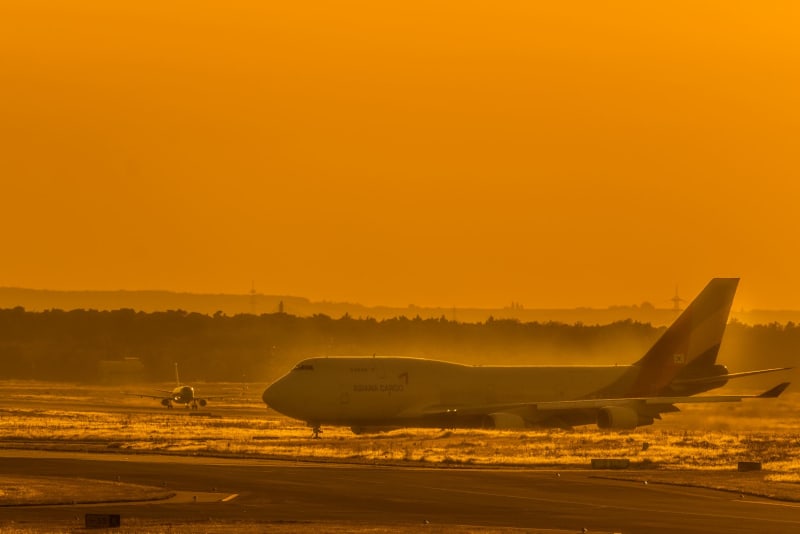
- The United States Trade Representative (USTR) has officially announced a temporary hold on the imposition of new tariffs targeting commercial aircraft imports, a move that provides a brief reprieve for an industry already navigating significant global economic headwinds.
- This decision specifically impacts tariffs that were under consideration as part of the long-standing and contentious dispute over aircraft subsidies between the U.S. and the European Union, preventing an immediate escalation of trade tensions.
- The delay is widely interpreted as a strategic gesture, potentially aimed at fostering a more conducive environment for ongoing negotiations between Washington and Brussels to resolve the deeply entrenched subsidy disagreements.
- While the immediate threat of new tariffs has receded, existing tariffs on certain European goods, which were implemented in response to earlier World Trade Organization (WTO) rulings, remain firmly in place, continuing to affect various sectors.
- The USTR's announcement underscores a complex diplomatic dance, balancing the need to assert U.S. trade interests with the desire to avoid further destabilizing global supply chains and international trade relations.
- Industry stakeholders, particularly those in the aerospace sector, are closely monitoring the situation, recognizing that this delay offers a window of opportunity for dialogue but does not signify a definitive end to the trade dispute.
The Policy History
The genesis of this protracted trade dispute dates back nearly two decades, when both the United States and the European Union initiated complaints at the World Trade Organization (WTO) alleging illegal state subsidies to their respective aircraft manufacturers, Boeing and Airbus. These complaints sparked a complex legal battle, with each side accusing the other of providing billions of dollars in unfair aid, distorting the global market for commercial aircraft. The WTO's dispute settlement body has issued numerous rulings over the years, often finding fault with both parties, leading to a tit-for-tat authorization of retaliatory tariffs.
In 2019, the WTO authorized the U.S. to impose tariffs on $7.5 billion worth of European goods, including aircraft, wine, and cheese, in response to illegal subsidies provided to Airbus. The following year, the WTO granted the EU permission to levy tariffs on $4 billion worth of U.S. products, including Boeing aircraft, agricultural goods, and industrial products, due to illegal subsidies received by Boeing. These reciprocal tariffs have significantly complicated transatlantic trade relations, adding layers of cost and uncertainty for businesses on both sides of the Atlantic, and have been a constant source of friction.
The current decision to delay additional tariffs comes at a critical juncture, as both the U.S. and the EU are attempting to reset their trade relationship under new administrations and amidst a global economic downturn exacerbated by the pandemic. This pause is seen as a strategic move to de-escalate tensions and create a more constructive environment for negotiations. However, the underlying issues of state aid and market fairness remain unresolved, meaning that while the immediate threat of new tariffs is averted, the potential for future escalation continues to loom large over the aerospace industry and broader transatlantic trade.
Who Is Affected
The immediate beneficiaries of this tariff delay are European aircraft manufacturers, primarily Airbus, and their extensive supply chains. A significant portion of Airbus's production, including components and finished aircraft, is destined for the U.S. market. New tariffs would have directly increased the cost of these imports, potentially reducing their competitiveness and impacting sales volumes. This reprieve offers crucial breathing room for these companies, allowing them to maintain existing pricing structures and avoid further financial strain in an already challenging global aviation market that has been severely hit by reduced travel demand.
U.S. airlines and aircraft leasing companies also stand to gain from this decision. As major purchasers of Airbus aircraft, they would have faced higher acquisition costs if tariffs were imposed, which could have been passed on to consumers through increased ticket prices or reduced investment in fleet modernization. The delay helps to stabilize their operational costs and provides greater predictability in their procurement strategies, which is vital for long-term planning in an industry still recovering from the pandemic's devastating impact. This stability is particularly important for airlines looking to expand or upgrade their fleets.
Conversely, American aircraft manufacturer Boeing, while not directly impacted by tariffs on its own products, operates within a highly competitive global market where the pricing and availability of rival aircraft are critical factors. While the delay prevents further punitive measures against its European competitor, it also means that the underlying issue of alleged illegal subsidies to Airbus remains unaddressed, which Boeing views as an unfair market advantage. This ongoing dispute continues to cast a shadow over fair competition, influencing strategic decisions and market share battles between the two aviation giants, making the playing field feel uneven.
The Case For
Advocates for the tariff delay argue that it is a pragmatic and necessary step to de-escalate a damaging trade war, especially at a time when the global economy is still reeling from the effects of the COVID-19 pandemic. Imposing additional tariffs would have simply added another layer of complexity and cost to an already fragile supply chain, hurting businesses and consumers on both sides of the Atlantic. This pause provides an invaluable opportunity for the U.S. and EU to engage in meaningful negotiations, fostering a more collaborative approach to resolving their long-standing differences rather than resorting to punitive measures that ultimately harm economic recovery and stability.
Furthermore, delaying tariffs preserves crucial diplomatic goodwill, which is essential for addressing other pressing global challenges that require transatlantic cooperation, such as climate change, cybersecurity, and geopolitical stability. A prolonged and escalating trade dispute risks alienating key allies and diverting attention and resources from these shared priorities. By showing a willingness to negotiate rather than retaliate, the U.S. can strengthen its alliances and demonstrate a commitment to multilateralism, which is vital for navigating the complexities of the 21st-century international landscape and building stronger, more resilient global partnerships.
From an economic perspective, preventing new tariffs helps to stabilize pricing and reduce uncertainty for the aerospace industry, which is a significant employer and economic driver. Airlines, still struggling with reduced passenger demand, would have faced increased costs, potentially delaying fleet upgrades and expansion plans. This delay provides a measure of predictability, allowing companies to make more informed investment decisions and support job retention and creation. It also prevents further disruption to the intricate global supply chains that underpin the aviation sector, ensuring a smoother path to recovery for this vital industry.
The Case Against
Critics of the tariff delay argue that it sends a weak signal regarding the U.S.'s commitment to enforcing fair trade practices and holding foreign governments accountable for illegal subsidies. By postponing additional tariffs, the U.S. might be perceived as ceding leverage in ongoing negotiations, potentially emboldening the EU to continue its alleged unfair support for Airbus. This approach, they contend, undermines the very purpose of the WTO's dispute resolution mechanism, which is designed to provide recourse against trade-distorting practices, and could prolong the resolution of the core issue rather than expedite it.
From the perspective of domestic industries, particularly Boeing and its U.S. supply chain, the delay means that the competitive playing field remains uneven. They argue that as long as Airbus continues to benefit from what the WTO has deemed illegal subsidies, American companies face an inherent disadvantage in the global market. The absence of new tariffs, while providing temporary relief to some, fails to address the fundamental issue of market distortion, which can hinder the long-term growth and innovation of U.S. aerospace manufacturers, potentially leading to job losses and reduced investment in critical technologies.
Furthermore, some analysts suggest that this delay could simply kick the can down the road, prolonging a dispute that needs a definitive resolution. While negotiations are ongoing, a lack of firm action might reduce the urgency for the EU to make significant concessions regarding its subsidy programs. This could lead to a protracted period of uncertainty for the industry, where the threat of tariffs constantly looms, making long-term strategic planning difficult for all stakeholders. A more decisive stance, some argue, might have forced a quicker and more comprehensive settlement, bringing true stability to the market.
Policy Questions Answered
Implementation Watch
While the immediate threat of new tariffs has been averted, the focus now shifts to the effectiveness of ongoing negotiations between the U.S. and the EU. The success of this delay hinges entirely on whether it genuinely facilitates a breakthrough in the long-standing dispute over aircraft subsidies. Both sides have expressed a desire to find a permanent solution, but the historical complexity and entrenched positions suggest that a swift resolution is far from guaranteed. The coming months will be critical in observing whether this diplomatic gesture translates into tangible progress or merely postpones an inevitable escalation, keeping the industry on edge.
Industry stakeholders, particularly in the aerospace and related sectors, will be closely monitoring any statements or actions from trade representatives on both sides of the Atlantic. Any indication of stalled talks or renewed threats of tariffs could quickly reignite market uncertainty and force companies to reconsider their supply chain strategies and investment plans. The aviation sector, still recovering from the pandemic, desperately needs stability, and any perceived lack of progress in these negotiations could undermine the fragile recovery and create further headwinds for manufacturers, airlines, and their vast networks of suppliers.
Furthermore, the implementation watch extends beyond just the direct negotiations. The broader geopolitical landscape and other trade priorities of both the U.S. and the EU could influence the pace and direction of these discussions. Should other trade disputes or international crises emerge, the aircraft subsidy issue might either gain urgency as a symbol of transatlantic cooperation or be sidelined, potentially prolonging its resolution. The true impact of this tariff delay will only be measurable by the concrete steps taken towards a comprehensive and lasting agreement that addresses the root causes of the dispute, ensuring a level playing field for all.













Comments
No comments yet. Be the first to comment!