
What We Know
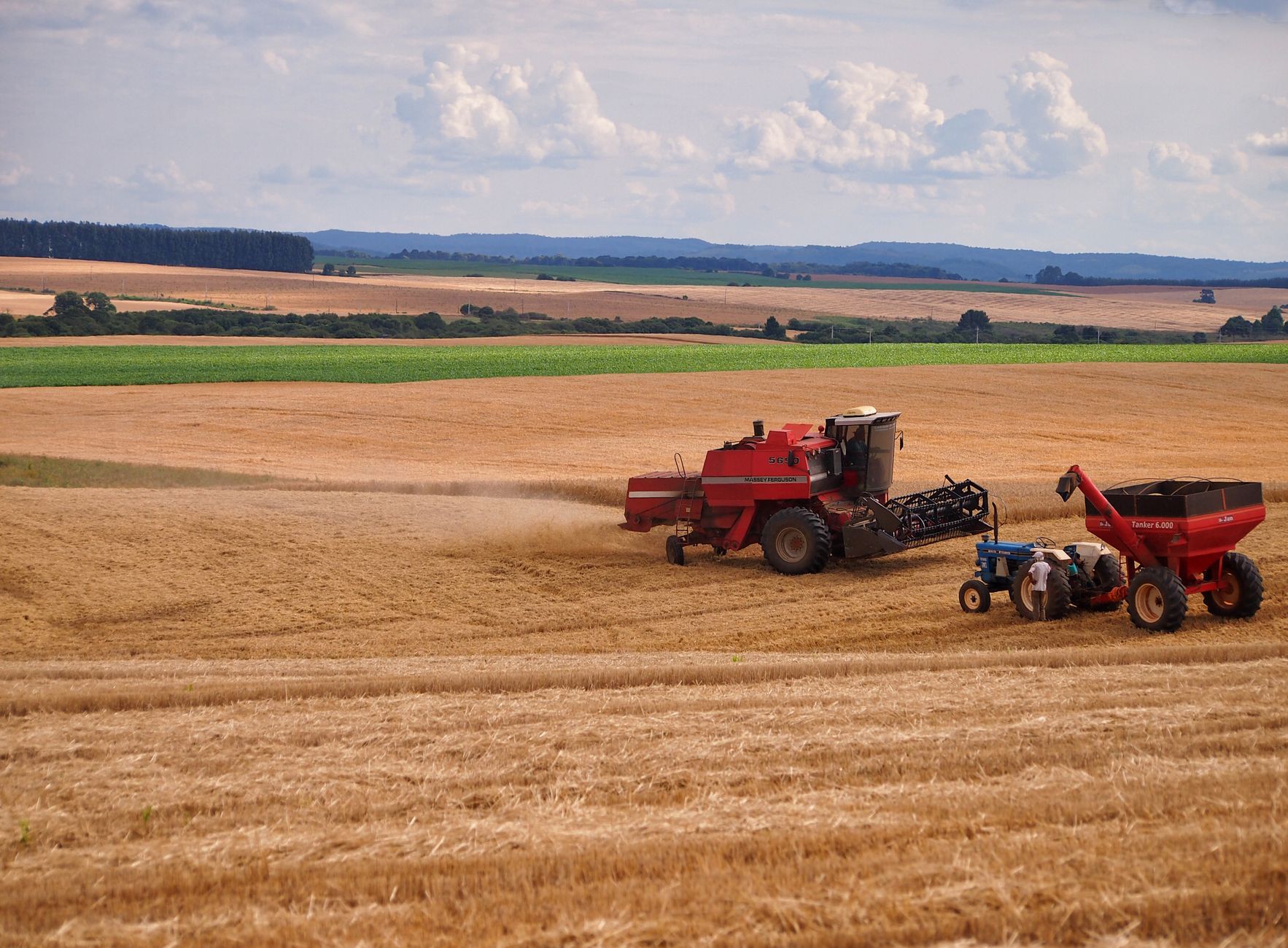
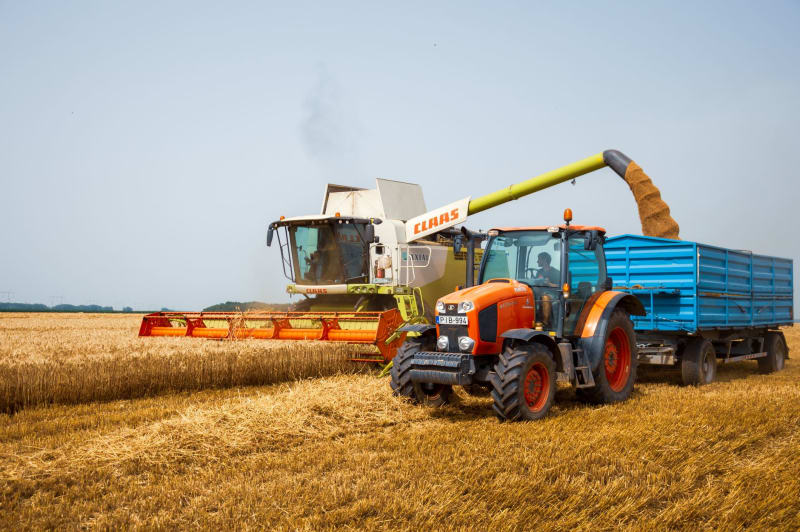
- The Trump administration implemented a significant reduction in tariffs on imported farm machinery, a move initially perceived as a direct benefit to the agricultural sector by lowering equipment costs.
- Despite these tariff cuts, industry analysts and economists are projecting an increase in the prices of farm machinery, driven by a complex interplay of global economic factors and supply chain disruptions.
- Farmers are currently grappling with the uncertainty of future equipment costs, which directly impacts their operational budgets, investment decisions, and overall financial stability in an already volatile market.
- The global supply chain for agricultural machinery components remains under considerable strain, contributing to higher manufacturing costs and extended delivery times for essential equipment.
- Rising raw material costs, particularly for steel and other metals crucial in machinery production, are exerting upward pressure on manufacturing expenses, negating some of the benefits from reduced tariffs.
- The demand for new and advanced farm machinery continues to grow as farmers seek to enhance efficiency and productivity, further influencing market prices despite the recent policy changes.
What We Do Not Know Yet
- The precise magnitude of the projected price increases for various categories of farm machinery remains unclear, making it difficult for farmers to accurately forecast their future capital expenditures.
- Whether the current administration will implement additional policies or subsidies to mitigate the impact of rising machinery prices on the agricultural sector is still an open question, leaving farmers in a state of anticipation.
- The long-term effects of these price increases on farm profitability and the competitiveness of American agriculture in global markets are yet to be fully assessed, posing a significant analytical challenge.
- How different regions and types of farms will be disproportionately affected by these price hikes is not yet understood, as local economic conditions and crop specializations could lead to varied impacts.
- The extent to which manufacturers will absorb some of the increased costs versus passing them entirely onto consumers is an ongoing point of speculation, influencing the final sticker price for farmers.
- Whether alternative sourcing strategies or technological innovations can effectively offset these rising costs in the near future remains an area of active investigation and development within the industry.
Background
The Trump administration's decision to reduce tariffs on imported farm machinery was a strategic move aimed at alleviating financial pressures on American farmers. These tariffs, often imposed to protect domestic industries or as part of broader trade negotiations, can significantly increase the cost of essential equipment. The reduction was widely heralded as a win for the agricultural sector, promising lower input costs and potentially boosting farm profitability. This policy shift was intended to provide a much-needed reprieve, especially for farmers who rely heavily on advanced machinery to maintain efficiency and competitiveness in a global market.
However, the global economic landscape has proven to be far more complex and volatile than anticipated. Even with reduced tariffs, a confluence of factors is now pushing machinery prices upward. Supply chain disruptions, exacerbated by the lingering effects of the pandemic and geopolitical tensions, have made it harder and more expensive to source components and transport finished goods. Furthermore, the rising cost of raw materials, particularly steel, aluminum, and various plastics, which are integral to manufacturing robust farm equipment, has added another layer of cost pressure. These external forces are effectively neutralizing the intended benefits of the tariff reductions, creating a challenging environment for agricultural producers.
The agricultural sector's reliance on sophisticated machinery has grown exponentially over the past few decades. Modern farming demands precision, efficiency, and scale, all of which are enabled by high-tech equipment, from GPS-guided tractors to automated harvesters. Consequently, the cost of acquiring and maintaining this machinery represents a substantial portion of a farm's operational budget. Any significant increase in these costs can severely impact farmers' ability to invest in necessary upgrades, expand their operations, or even maintain current levels of productivity. This situation underscores the delicate balance between trade policy, global economics, and the fundamental needs of the agricultural industry.
Why It Matters
The projected increase in farm machinery prices, despite tariff reductions, represents a critical challenge for American agriculture. This isn't merely an inconvenience; it's a direct threat to the financial viability of countless farms across the nation. Higher equipment costs translate directly into increased operational expenses, squeezing already thin profit margins for farmers who are often at the mercy of fluctuating commodity prices and unpredictable weather patterns. This situation could force some farmers to delay essential equipment upgrades, leading to less efficient operations, higher maintenance costs for aging machinery, and a potential decline in overall productivity, ultimately impacting the nation's food supply chain.
Beyond individual farm economics, the ripple effects of rising machinery costs could be profound for the broader agricultural industry and the national economy. When farmers struggle, rural communities, which often depend heavily on agricultural prosperity, also suffer. Reduced farm income can lead to decreased spending in local businesses, job losses, and a general economic downturn in agricultural regions. Furthermore, if the cost of producing food rises significantly, consumers could eventually face higher prices at the grocery store, contributing to inflationary pressures and impacting household budgets across the country. This issue transcends the farm gate, touching every aspect of our economic fabric.
This situation also highlights the complex interplay between trade policy, global supply chains, and domestic economic realities. What appears to be a beneficial policy on paper—tariff reduction—can be undermined by unforeseen global dynamics. It underscores the need for a holistic approach to agricultural policy that considers not only direct financial incentives but also the resilience of supply chains, the volatility of raw material markets, and the long-term sustainability of farming practices. Understanding and addressing these multifaceted challenges is crucial to ensuring a stable and prosperous future for American agriculture and maintaining food security for the nation.
Timeline of Events
- Early 2018: The Trump administration begins implementing a series of tariffs on imported goods, including certain steel and aluminum products critical for farm machinery manufacturing, sparking initial concerns among agricultural producers about rising input costs.
- Late 2019: Amidst ongoing trade negotiations and pressure from agricultural lobbies, discussions begin within the administration about potential tariff adjustments to support the farming sector, which had been significantly impacted by trade disputes.
- March 2020: The Trump administration announces specific tariff reductions on various imported farm machinery and components, aiming to lower equipment costs for American farmers and provide economic relief during a challenging period.
- Mid-2020 to Early 2021: Global supply chains experience unprecedented disruptions due to the COVID-19 pandemic, leading to factory closures, shipping delays, and increased logistics costs, which begin to exert upward pressure on manufacturing expenses.
- Throughout 2021: Raw material prices, particularly for steel, copper, and other metals essential for heavy machinery, experience significant spikes, further increasing production costs for agricultural equipment manufacturers worldwide.
- Late 2022: Industry reports and analyst projections begin to indicate that despite the earlier tariff reductions, the combined effect of supply chain issues and rising raw material costs is likely to result in increased prices for new farm machinery in the coming year.
- Early 2023: Major farm machinery manufacturers start signaling potential price adjustments to their dealer networks, citing persistent cost pressures and global market dynamics, confirming the impending price hikes for farmers.

Rapid-Fire Q&A
What Is Coming
- Farmers should brace for continued volatility in farm machinery prices throughout the upcoming planting and harvesting seasons, making budget planning and capital investment decisions increasingly challenging.
- Industry analysts anticipate that manufacturers may introduce new financing options or lease programs to help farmers manage the higher upfront costs of essential equipment, though these solutions will come with their own financial implications.
- There is a growing expectation that the agricultural technology sector will accelerate innovations aimed at improving equipment efficiency and reducing maintenance needs, potentially offering long-term cost savings despite initial purchase prices.
- Policymakers are likely to face increased pressure from agricultural advocacy groups to explore additional support mechanisms, such as targeted subsidies or tax incentives, to alleviate the financial burden on farmers.
- The market for used farm machinery is expected to see a significant surge in demand as farmers seek more cost-effective alternatives to new equipment, potentially driving up prices in that segment as well.
- Discussions around diversifying supply chains and increasing domestic production of critical machinery components are likely to gain traction, aiming to reduce future vulnerability to global disruptions and stabilize pricing.












Comments
No comments yet. Be the first to comment!