

At a Glance
- Mexico has witnessed an alarming 200% increase in leishmaniasis cases during the first quarter of 2024 compared to the same period last year, indicating a rapidly escalating public health challenge.
- The states of Tabasco, Campeche, and Quintana Roo are identified as the primary epicenters of this outbreak, reporting the highest number of confirmed infections and requiring urgent attention.
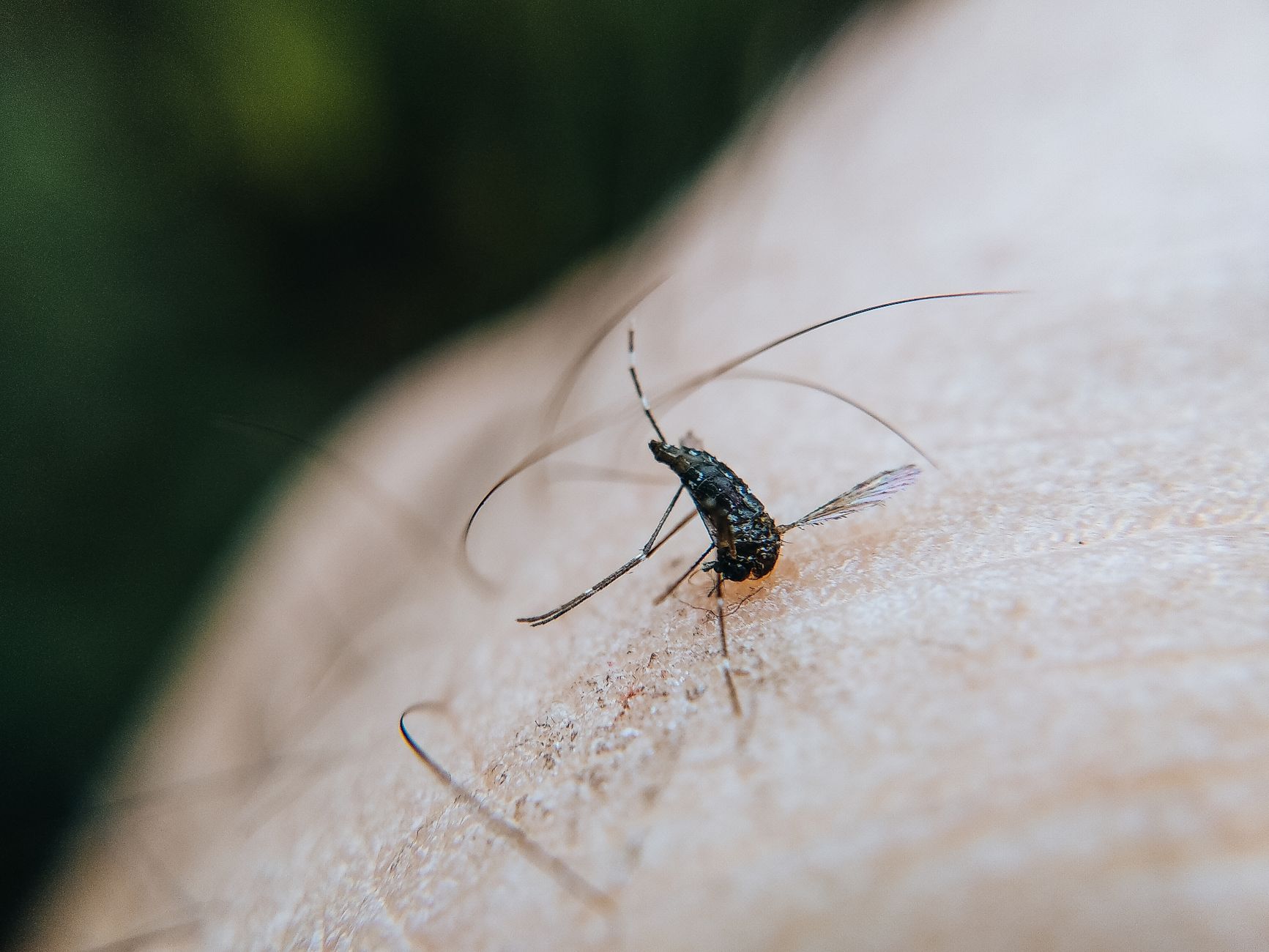
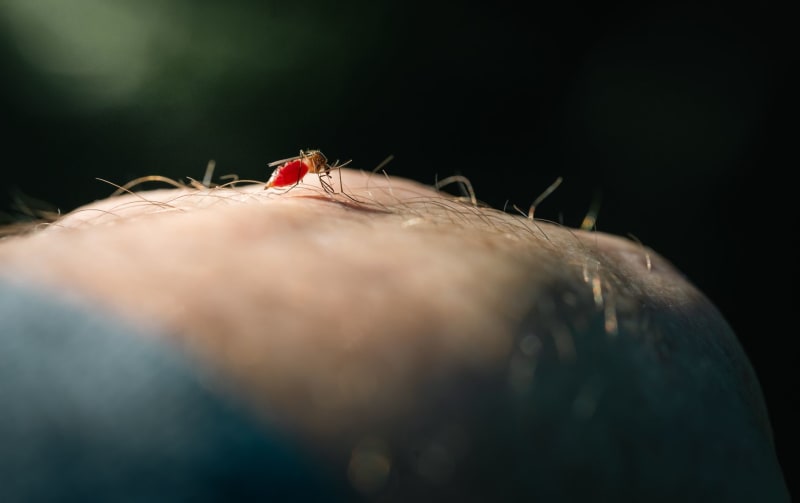
- Leishmaniasis, a parasitic disease transmitted by sandflies, manifests in various forms, including cutaneous, mucocutaneous, and visceral, with the latter being potentially fatal if left untreated.
- Health authorities are intensifying surveillance efforts, vector control measures, and public awareness campaigns to curb the spread and educate communities on prevention strategies.
- The current surge underscores the critical need for enhanced diagnostic capabilities and readily available treatment options, particularly in remote and underserved regions where access to healthcare is limited.
- Environmental factors, such as deforestation and climate change, are suspected to contribute to the expansion of sandfly habitats, thereby increasing the risk of human exposure and disease transmission.
The Record
The Mexican Ministry of Health has officially reported a staggering 200% increase in leishmaniasis cases across the nation during the first three months of 2024. This dramatic surge represents a significant public health concern, far exceeding the figures recorded in the corresponding period of the previous year. The data, compiled from various state health departments, paints a grim picture of a parasitic disease rapidly gaining ground, challenging existing control mechanisms and demanding an immediate, robust response from federal and local authorities.
Specifically, the states of Tabasco, Campeche, and Quintana Roo have emerged as the hotspots of this escalating crisis. These regions, known for their tropical and subtropical climates, provide ideal breeding grounds for the sandfly vectors responsible for transmitting the Leishmania parasite. The concentration of cases in these areas suggests a complex interplay of environmental, social, and epidemiological factors, including potential shifts in vector distribution, human population movements, and varying levels of public health infrastructure and awareness.
Historically, leishmaniasis has been endemic in certain parts of Mexico, but the current rate of increase is unprecedented in recent memory. This sharp rise necessitates a thorough re-evaluation of current prevention and control strategies. Public health officials are now under immense pressure to not only manage the immediate outbreak but also to develop sustainable long-term solutions that address the root causes of this resurgence, including environmental changes and socioeconomic determinants of health that leave communities vulnerable.
Who Knew and When
Early warning signs of an uptick in leishmaniasis cases began to surface towards the end of 2023, with local health clinics in endemic regions reporting an unusual number of patients presenting with characteristic skin lesions. These initial observations, however, were largely localized and did not immediately trigger a nationwide alarm. The fragmented nature of data collection and reporting at the municipal level meant that a comprehensive understanding of the emerging threat was delayed, allowing the parasite to gain a stronger foothold before a coordinated response could be mounted.
By January and February of 2024, the increase became undeniable as state health departments in Tabasco, Campeche, and Quintana Roo started to register a significant and consistent rise in confirmed diagnoses. It was at this point that federal health authorities, through the national epidemiological surveillance system, began to consolidate the data and recognize the pattern of a widespread outbreak. The official declaration of a 200% increase in cases for the first quarter served as a stark confirmation of what local healthcare providers had been observing on the ground for several months.
The delay in recognizing the full scope of the problem highlights systemic challenges in Mexico's public health surveillance infrastructure, particularly in the rapid aggregation and analysis of data from diverse regions. While individual clinics and state health bodies were aware of localized increases, the critical step of synthesizing this information into a national alert took time. This lag underscores the urgent need for more robust, integrated, and real-time epidemiological monitoring systems to ensure that future outbreaks of vector-borne diseases can be detected and addressed with greater speed and efficiency, minimizing their impact on public health.
Voices from the Ground
In rural communities across Tabasco, the fear of leishmaniasis is palpable. "My neighbor's child has these terrible sores on her face, and they just don't heal," shared María Elena, a resident of a small village near Villahermosa. "We've seen more mosquitoes and these tiny flies than ever before, especially after the recent heavy rains. It's hard to get to the clinic, and even harder to get the medicines they say we need. We feel forgotten." Her words echo the sentiments of many who feel isolated and vulnerable, struggling with limited access to healthcare and effective treatments.
A healthcare worker in Campeche, who wished to remain anonymous, described the overwhelming situation in local clinics. "We are seeing cases every day, many of them severe, especially among children and agricultural workers. Our supplies of diagnostic kits and specific medications are often stretched thin, leading to delays in treatment. Patients sometimes have to travel long distances, and by the time they arrive, their condition has worsened. We need more resources, more trained personnel, and a faster supply chain for critical drugs to truly make a difference in this fight." This highlights the systemic strain on the healthcare system.
Environmental activists in Quintana Roo have also voiced concerns, linking the rise in cases to rapid deforestation and unchecked urban expansion. "When you destroy natural habitats, you disrupt ecological balances," stated Ricardo Morales from a local environmental group. "The sandflies lose their usual hosts and breeding grounds, pushing them closer to human settlements. We are paying the price for unsustainable development. This isn't just a health crisis; it's an ecological one that directly impacts human well-being." Their perspective underscores the broader environmental context contributing to the outbreak.
The Debate
The escalating leishmaniasis outbreak has ignited a fierce debate among public health experts, government officials, and environmental advocates regarding the most effective strategies for containment and prevention. One faction argues for an intensified focus on vector control, advocating for widespread insecticide spraying campaigns, distribution of insecticide-treated nets, and environmental modifications to reduce sandfly breeding sites. Proponents of this approach emphasize the immediate need to break the transmission cycle, pointing to the rapid increase in cases as evidence that current vector control measures are insufficient or poorly implemented. They believe that a direct assault on the vector population is the fastest way to protect human health.
Conversely, another significant voice in the debate stresses the importance of strengthening healthcare infrastructure, improving diagnostic capabilities, and ensuring universal access to treatment. This perspective highlights that even with robust vector control, cases will still emerge, and timely diagnosis and effective treatment are paramount to prevent severe disease progression, reduce suffering, and limit further transmission. Critics of an over-reliance on vector control alone argue that such measures are often temporary, environmentally disruptive, and may not be sustainable in the long run, especially in diverse ecological settings. They advocate for a more patient-centered approach, focusing on early detection and comprehensive patient care.
A third, increasingly vocal group, comprising environmental scientists and public health ecologists, argues that neither vector control nor treatment alone will suffice without addressing the underlying environmental determinants. They contend that deforestation, climate change, and habitat destruction are fundamentally altering the epidemiology of vector-borne diseases, pushing vectors into closer contact with human populations. This perspective calls for integrated strategies that include reforestation, sustainable land management practices, and climate change adaptation measures, alongside traditional public health interventions. This holistic view suggests that without tackling the root ecological causes, any short-term gains will be quickly undone by ongoing environmental degradation, making the current crisis a symptom of a larger, systemic problem.
Your Questions Answered
What Accountability Looks Like
Accountability in the face of this escalating leishmaniasis outbreak demands a clear-eyed assessment of responsibilities across multiple levels of governance and public health. At the federal level, the Ministry of Health must be held accountable for the timely allocation of resources, including sufficient funding for surveillance, diagnostic tools, and specific medications. This includes ensuring that supply chains are robust enough to reach even the most remote affected communities without delays. Furthermore, the federal government's role in coordinating a unified national response, setting clear epidemiological targets, and fostering inter-state collaboration is paramount.
State health departments in Tabasco, Campeche, and Quintana Roo bear significant responsibility for the on-the-ground implementation of control measures. This includes effective vector control programs, accurate and timely data reporting, and the proactive engagement of local communities in prevention efforts. Accountability here means demonstrating measurable improvements in case detection rates, reduction in transmission, and ensuring that healthcare facilities are adequately staffed and equipped to manage the influx of patients. Any failure to translate federal directives into effective local action must be scrutinized.
Beyond direct health agencies, other governmental bodies, particularly those responsible for environmental protection and urban planning, also have a critical role. Accountability extends to addressing the environmental factors that contribute to the spread of leishmaniasis, such as deforestation and unsustainable development practices that disrupt natural ecosystems and bring sandflies closer to human populations. A truly accountable response requires a holistic, inter-sectoral approach where environmental policies are integrated with public health strategies to create a more resilient and healthier Mexico, preventing future outbreaks rather than just reacting to them.















Comments
No comments yet. Be the first to comment!