

The Story in Brief
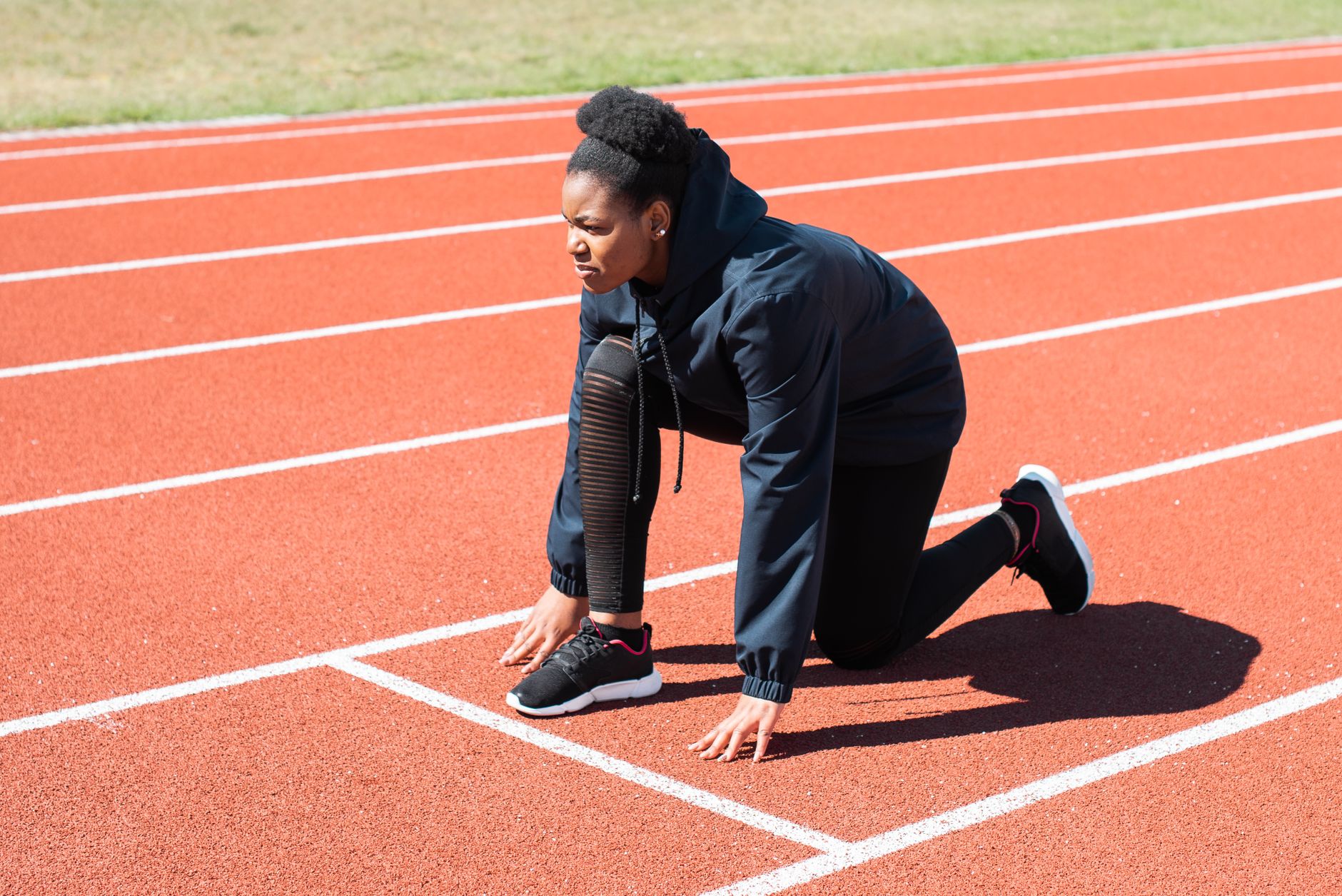
- Allyson Felix, the most decorated American track and field Olympian, is reportedly considering a return to competitive racing for the 2028 Los Angeles Olympic Games, a move that would see her compete at the age of 42.
- Her potential comeback would mark an extraordinary extension of an already legendary career, challenging conventional notions of athletic longevity and peak performance in elite sprinting.
- Felix officially retired from the sport in 2022 after securing her 11th Olympic medal at the Tokyo Games, making this rumored return a significant and surprising development for the athletics world.
- The Los Angeles 2028 Olympics hold particular significance for Felix, as they would be hosted in her home city, providing a compelling narrative backdrop for a final competitive hurrah.
- If she competes, Felix would aim to add to her unprecedented medal haul, further cementing her status as one of the greatest athletes in Olympic history across any sport, not just track and field.
- This potential return raises questions about her training regimen, event selection, and the physical demands of competing at such a high level after a period of retirement and at an advanced athletic age.
The Human Face
Allyson Felix has always been more than just an athlete; she is a symbol of resilience, dedication, and the relentless pursuit of excellence. Her journey has captivated millions, from her early days as a prodigious talent to her evolution into a vocal advocate for maternal rights in sports. This rumored comeback isn't just about medals; it's about a personal challenge, a final chapter written on her own terms, potentially in front of a home crowd in Los Angeles. It speaks to an unyielding spirit that refuses to be defined by age or past achievements, constantly seeking new horizons.
The human element of Felix's story is particularly poignant when considering her previous retirement. She stepped away from the track in 2022, having achieved virtually everything possible in the sport, including a record-breaking 11 Olympic medals. Her decision was widely understood as a natural progression, allowing her to focus on family and advocacy. Yet, the allure of the Olympic stage, especially one in her hometown, seems to be a powerful magnet, pulling her back into the rigorous world of elite competition. This internal struggle between past accomplishments and future aspirations makes her potential return incredibly compelling.
For many, Felix represents the pinnacle of athletic grace and determination. Her career has been a masterclass in longevity, adapting her training and racing strategies over two decades. A return at 42 would not only defy biological expectations but also serve as an immense source of inspiration for athletes across all disciplines, demonstrating that passion and discipline can extend careers far beyond what was once thought possible. It would be a testament to the power of the human will and the enduring love for one's craft, proving that true champions never truly stop challenging themselves.
How We Got Here
Allyson Felix's journey to this potential comeback began decades ago, with her meteoric rise in track and field. She burst onto the international scene as a teenager, quickly establishing herself as a dominant force in the 200m and 400m events. Over five Olympic cycles, from Athens 2004 to Tokyo 2020, she consistently medaled, accumulating an astonishing 11 Olympic medals, including seven golds. This unparalleled consistency and her ability to perform at the highest level for so long set the stage for her initial retirement in 2022, a decision that felt like the natural conclusion to an extraordinary career.
Her retirement was not without its own significant moments, notably her powerful advocacy for athlete mothers and her partnership with brands like Athleta, which championed her causes. Felix used her platform to highlight systemic issues within sports, particularly concerning sponsorship and support for female athletes who choose to start families. This period away from competitive racing allowed her to focus on these crucial social issues, further solidifying her legacy beyond the track. However, the whispers of a return began to circulate as the 2028 Los Angeles Games, her home city, drew closer into focus.
The prospect of competing in her hometown, potentially for a sixth Olympic Games, at an age where most sprinters are long retired, appears to be the primary catalyst for this consideration. The emotional resonance of a final Olympic appearance in Los Angeles, where her journey began, offers a compelling narrative arc. While no official announcement has been made, the very discussion of her return underscores her enduring connection to the sport and her desire to perhaps write one more unforgettable chapter in front of a supportive, familiar audience. This speculation is fueled by her continued fitness and the sheer passion she has always exhibited for running.
Why This Cannot Be Ignored
Allyson Felix's potential return for the 2028 Los Angeles Olympics is not merely a sports story; it's a profound statement on human potential, athletic longevity, and the evolving landscape of elite competition. If she competes at 42, she will be challenging deeply ingrained perceptions about age and performance in sprinting, a discipline traditionally dominated by athletes in their 20s. This isn't just about one athlete; it's about pushing the boundaries of what is considered possible, inspiring a generation to rethink limitations, and proving that dedication and advanced training methodologies can extend careers far beyond previous expectations. Her comeback would force a re-evaluation of athletic development and peak performance models across all sports, making it a critical discussion point for coaches, scientists, and athletes globally.
Beyond the physical implications, Felix's return carries immense cultural and inspirational weight. As a mother, an advocate for women's rights in sports, and a beacon of resilience, her presence on the Olympic stage would amplify her powerful message. It would demonstrate to young athletes, particularly girls and women, that having a family does not mean the end of an elite career, and that passion can drive extraordinary achievements at any age. Her narrative would offer a compelling counter-story to the often-singular focus on youth in sports, highlighting the value of experience, wisdom, and sustained effort. This is a story that transcends medals, speaking directly to the heart of what it means to be a modern athlete.
Furthermore, the commercial and media impact of an Allyson Felix comeback would be substantial. Her presence would undoubtedly draw massive viewership and sponsorship interest, injecting significant excitement into the build-up for the Los Angeles Games. It would provide a compelling, feel-good narrative that media outlets would eagerly cover, offering a familiar and beloved face to a global audience. For the sport of track and field, which often struggles for mainstream attention outside of Olympic years, Felix's return would be an invaluable boost, shining a spotlight on the sport and attracting new fans. The sheer spectacle of watching a legend attempt to defy time itself makes this an unmissable event, demanding attention from every corner of the sports world.
Possible Paths Forward
Should Allyson Felix commit to a comeback, her path forward would involve a meticulously planned and highly individualized training regimen. Given her age and previous retirement, a full return to individual sprint events like the 200m or 400m might be exceedingly challenging, though not entirely out of the question for an athlete of her caliber. A more probable and strategic approach could involve focusing on relay events, such as the 4x400m or even the mixed 4x400m, where her experience, leadership, and still formidable speed could be invaluable for Team USA. This would allow her to contribute significantly without the relentless individual grind of multiple rounds in solo events, maximizing her chances of making the team and medaling.
Another crucial aspect of her path would be the careful management of her body and recovery. At 42, injury prevention and rehabilitation become paramount. This would necessitate a comprehensive team of sports scientists, physical therapists, nutritionists, and coaches working in concert to optimize her performance and minimize risks. Her training would likely incorporate advanced recovery techniques, strength and conditioning tailored for an older athlete, and a flexible schedule that prioritizes health over sheer volume. The focus would shift from raw power to efficiency, technique, and strategic race execution, leveraging her vast experience to compensate for any marginal decline in pure speed.
Finally, the psychological and mental preparation for such a monumental comeback cannot be overstated. Felix would face immense pressure and scrutiny, both from herself and the public. Her path would involve cultivating a strong mental fortitude, setting realistic yet ambitious goals, and maintaining a positive mindset throughout the arduous training process. This journey would not only be about physical prowess but also about demonstrating the power of mental resilience and the unwavering belief in one's ability to overcome seemingly insurmountable odds. Her ability to inspire and lead, even in a supporting role, would be a significant asset to any team she joins, making her comeback a multi-faceted endeavor.

Questions People Are Actually Asking
What to Watch
- Official Announcement: The most immediate thing to watch for is any official statement from Allyson Felix or her representatives regarding her intentions for the 2028 Los Angeles Olympics. A formal declaration would set the entire process in motion and confirm the speculation.
- Training Regimen Details: Should she announce a comeback, pay close attention to the specifics of her training regimen. Insights into her coaching staff, training locations, and any innovative recovery or performance techniques she employs will be crucial indicators of her strategic approach to competing at 42.
- Early Season Performances (if applicable): If Felix begins competing in the lead-up to 2028, her initial race results and performances will be closely scrutinized. These early outings will offer the first tangible evidence of her current fitness level and competitive readiness, particularly in relay splits.
- Event Selection: Keep an eye on which events she targets for qualification. A focus on relay events would signal a strategic approach to maximizing her chances, while attempting individual sprints would indicate an even more audacious and challenging path for the legendary athlete.
- Public and Media Reaction: The response from the track and field community, fellow athletes, and the broader public will be important. Overwhelming support could provide a significant psychological boost, while skepticism might add pressure to her already challenging endeavor.
- Sponsorship and Endorsement Deals: New or renewed sponsorship deals could indicate significant investment and belief in her comeback, providing the financial and logistical support necessary for an elite athlete's return. These partnerships often precede major announcements and reflect market confidence.
















Comments
No comments yet. Be the first to comment!