

At a Glance
- Alex Zanardi, a celebrated figure in both Formula 1 and Paralympic handcycling, passed away at the age of 59, leaving behind a legacy of unparalleled courage and sporting excellence.
- His life was a testament to extraordinary resilience, famously overcoming a devastating 2001 racing accident that resulted in the amputation of both his legs, only to return to elite competition.
- Zanardi transitioned from a successful open-wheel racing career, including two CART championships, to become a multi-gold medalist in Paralympic handcycling, inspiring millions globally.
- His remarkable achievements include four Paralympic gold medals and twelve world championship titles in handcycling, demonstrating an incredible ability to adapt and excel in new disciplines.
- Beyond his athletic prowess, Zanardi was a beloved public figure, known for his infectious optimism, unwavering spirit, and profound impact on disability advocacy and sportsmanship.
- The news of his passing has prompted an outpouring of tributes from the motorsport community, Paralympic athletes, and fans worldwide, all acknowledging his immense contribution to sport and humanity.
The Record
Alex Zanardi's journey through life was nothing short of epic, a narrative woven with threads of triumph, tragedy, and an unyielding will to overcome. Born in Bologna, Italy, in 1966, Zanardi began his illustrious motorsport career in karting before progressing through junior formulae, eventually making his mark in Formula 1. While his F1 stint was challenging, it was in the American CART series that he truly shone, capturing back-to-back championships in 1997 and 1998 with his aggressive driving style and charismatic personality, cementing his status as a racing superstar.
The pivotal moment that forever altered his path occurred on September 15, 2001, at the EuroSpeedway Lausitz in Germany. During a CART race, Zanardi was involved in a horrific high-speed collision that led to the amputation of both his legs. Many believed this would mark the end of his competitive career, but Zanardi defied all expectations. His recovery was not just physical but a profound mental and emotional transformation, showcasing a level of resilience that captivated the world. He returned to racing just two years later, competing in touring cars with specially adapted vehicles, proving his passion for speed remained undimmed.
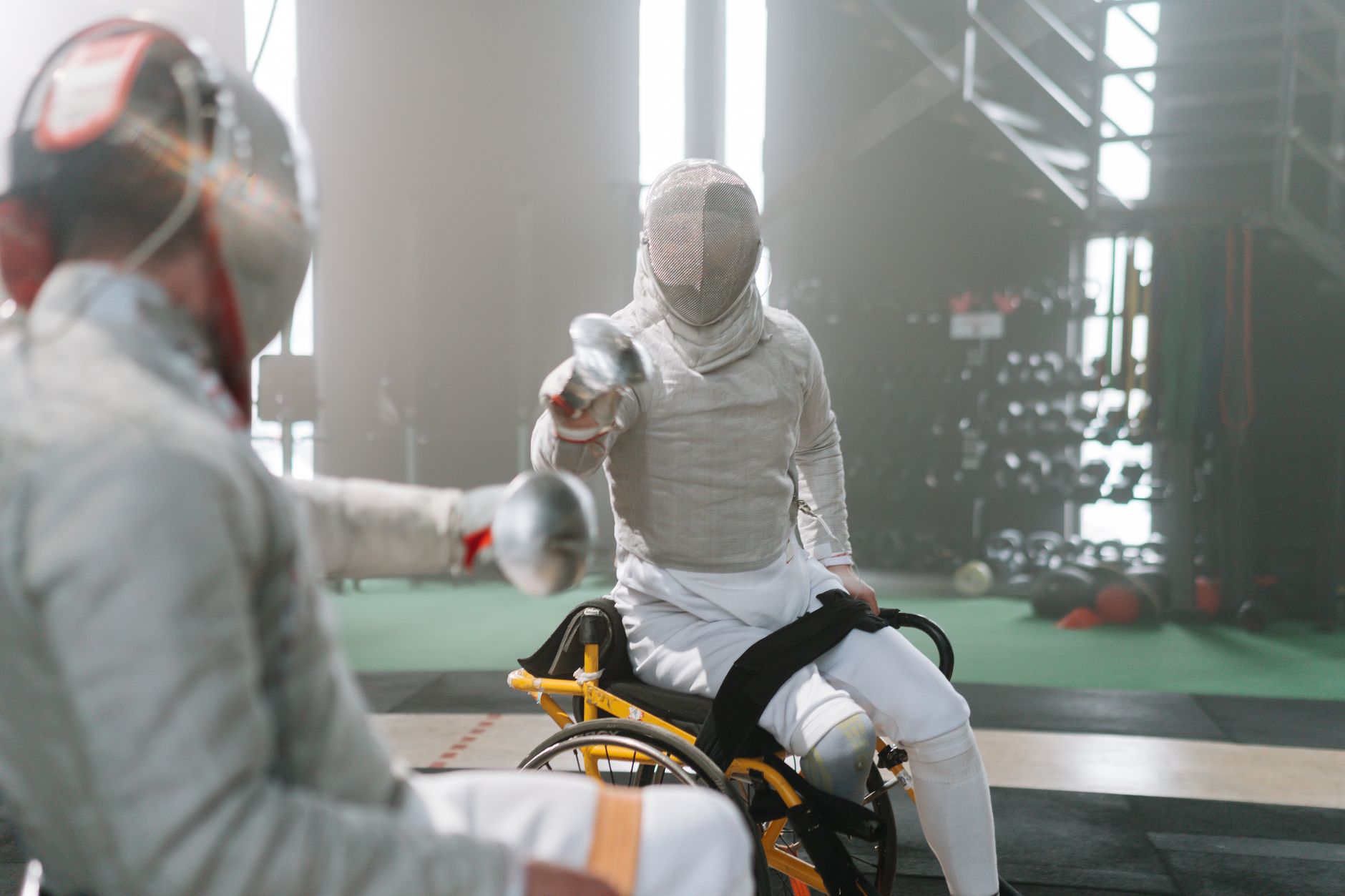
However, it was his transition to handcycling that truly solidified his legend. With an almost superhuman dedication, Zanardi embraced Paralympic sport, quickly becoming a dominant force. He earned four gold medals across the 2012 London and 2016 Rio Paralympic Games, along with numerous world championship titles. His ability to not only adapt but to excel at the highest level in a completely different sport, after such a life-altering injury, made him a global icon of inspiration, demonstrating that true limits often exist only in the mind. His passing marks the end of an era for a man who continually pushed the boundaries of human endurance and spirit.
Who Knew and When
The news of Alex Zanardi's passing, while deeply saddening, was not entirely unexpected given the severity of the injuries he sustained in a separate handcycling accident in June 2020. That incident, which occurred during a road race in Tuscany, saw him collide with a truck, resulting in severe head trauma and multiple complex fractures. From that moment, his condition was critical, and he underwent multiple intricate surgeries and extensive rehabilitation efforts over the subsequent years. Medical updates were periodically released, indicating a long and arduous recovery process, often with guarded optimism.
The global sporting community, particularly those within motorsport and Paralympic circles, had been closely following his health status since the 2020 accident. Regular reports from his family and medical team, though often sparse, kept the public informed of his battle. While there were moments of slight improvement and glimmers of hope, the underlying severity of his brain injuries meant that his long-term prognosis remained uncertain. Fans worldwide held their breath, sending messages of support and hope, acutely aware of the monumental challenge he faced.
Ultimately, the official announcement of his death came from his family and representatives, confirming that he succumbed to the complications arising from his 2020 accident. This news, though anticipated by those familiar with his medical journey, still sent shockwaves through the hearts of millions who admired his extraordinary resilience. The timing underscores the prolonged and valiant fight he waged, a fight that, even in its conclusion, exemplified the same indomitable spirit he displayed throughout his life and career, inspiring countless individuals to confront their own adversities with courage.
Voices from the Ground
The outpouring of grief and admiration following Alex Zanardi's death has been immense, reflecting his profound impact across diverse communities. From the highest echelons of motorsport to the grassroots of Paralympic sport, tributes have flooded in, painting a picture of a man who transcended athletic achievement. Stefano Domenicali, CEO of Formula 1, remarked, "Alex was an inspiration to all of us. His determination and spirit were unmatched, and he showed us what's possible when you refuse to give up." This sentiment was echoed by countless drivers, team principals, and fans who remembered his infectious smile and unwavering positivity, even in the face of unimaginable adversity. His legacy in F1 is not just about his wins, but about the sheer force of his character.
Within the Paralympic movement, Zanardi was revered as a true pioneer and an embodiment of the Paralympic spirit. Fellow handcyclists and athletes from various disciplines spoke of him as a mentor and a beacon of hope. Tatyana McFadden, a multi-gold medalist in wheelchair racing, shared, "Alex taught us all that disability is not a limitation, but a different way to achieve greatness. His kindness, his humor, and his relentless pursuit of excellence will forever inspire us." His ability to connect with people from all walks of life, sharing his journey with raw honesty and profound optimism, made him a unique and beloved figure, whose influence extended far beyond the race track.
Beyond the sporting world, ordinary individuals whose lives were touched by Zanardi's story expressed deep sorrow. Many shared personal anecdotes of how his resilience motivated them through their own struggles, whether physical or mental. Social media platforms became a mosaic of tributes, with people recounting how his 'never give up' attitude became their mantra. His ability to transform personal tragedy into a source of global inspiration resonated deeply, making him not just a sports hero, but a symbol of human triumph over adversity. His voice, once a powerful advocate for adaptive sports and inclusion, will be profoundly missed, but his message will undoubtedly continue to echo.
The Debate
While the overarching sentiment surrounding Alex Zanardi's life and passing is one of profound admiration and respect, his journey also subtly reignites discussions within the sporting world about the inherent risks of high-speed competition and the boundaries of human endurance. The 2001 CART accident that cost him his legs sparked significant debate at the time regarding safety protocols in open-wheel racing, leading to various improvements in car design and track safety. His subsequent handcycling accident in 2020, though less discussed in terms of systemic failures, still brings into focus the dangers even in seemingly less extreme sports when operating at elite levels.
Some commentators and safety advocates might argue that Zanardi's repeated brushes with life-threatening injuries, while testament to his courage, also highlight the fine line between pushing limits and unnecessary risk. This perspective doesn't diminish his achievements but rather prompts a broader conversation about athlete welfare, the psychological drive to compete, and the responsibilities of organizers in ensuring the safest possible environments. While Zanardi himself always embraced the risks as part of his passion, his story serves as a powerful, albeit tragic, reminder of the potential consequences when pursuing excellence at the very edge of human capability.
Conversely, many argue that Zanardi's life is a testament to the human spirit's ability to transcend perceived limitations, and that the pursuit of such high-level competition, despite its risks, is a fundamental aspect of human endeavor and innovation. His ability to adapt, reinvent himself, and achieve unparalleled success in two vastly different sporting arenas is seen as an argument for embracing challenge, not shying away from it. The debate isn't about blaming Zanardi, but rather using his extraordinary life to reflect on the nature of risk, resilience, and the relentless human quest for achievement, even when faced with overwhelming odds.

Your Questions Answered
What Accountability Looks Like
In the context of Alex Zanardi's passing, accountability primarily centers on the ongoing investigations into his 2020 handcycling accident. While the immediate cause was a collision with a truck, authorities in Italy initiated a probe to determine if there were any contributing factors related to road safety, event organization, or other circumstances. This type of inquiry is standard for serious incidents, aiming to establish a comprehensive understanding of what occurred and whether any negligence or systemic issues played a role. The objective is not to assign blame in a punitive sense, but to ensure lessons are learned and future risks mitigated.
For the racing and sporting communities, accountability also extends to a continuous re-evaluation of safety standards. Zanardi's 2001 CART accident led to significant advancements in open-wheel racing safety, from track design to car construction. His 2020 handcycling incident, while tragic, may also prompt further scrutiny of safety measures in adaptive sports, particularly for road events where athletes share public roads. This involves collaboration between event organizers, local authorities, and athlete representatives to ensure that the pursuit of sport does not inadvertently expose participants to avoidable dangers, even as they push personal boundaries.
Ultimately, the most profound form of accountability in Zanardi's case might be the collective commitment to upholding his legacy of resilience and inspiration. This means continuing to support adaptive sports, promoting inclusivity for individuals with disabilities, and fostering a culture where challenges are met with courage and determination. While legal and procedural accountability for the accident's circumstances is important, the broader responsibility lies in ensuring that Zanardi's extraordinary life continues to serve as a powerful testament to the human spirit, driving positive change and inspiring countless others to overcome their own adversities.













Comments
No comments yet. Be the first to comment!