

The Story in Brief
- The 2026 Open Championship is slated to return to Royal Birkdale, a course renowned for its challenging links layout and unpredictable weather conditions, which historically favors seasoned players with exceptional short games and resilience.
- Early betting markets are already active, presenting intriguing value opportunities for astute bettors looking to capitalize on future performance indicators and potential dark horse candidates before the odds tighten.
- Key contenders like Rory McIlroy, Jon Rahm, and Scottie Scheffler are consistently at the forefront of discussions, their past major championship performances and current form making them perennial favorites in any elite field.
- Understanding the unique demands of links golf, including strategic shot placement, masterful control in windy conditions, and the ability to adapt to firm, fast fairways, is crucial for identifying potential winners.
- Long-shot bets can offer significant payouts, but require careful analysis of players who excel in specific conditions or have shown flashes of brilliance in similar tournaments, making them high-risk, high-reward propositions.
- The historical data from previous Open Championships at Royal Birkdale provides invaluable insights into the player profiles and strategic approaches that tend to succeed on this iconic course, guiding informed betting decisions.
The Human Face
The Open Championship is more than just a golf tournament; it's a crucible where legends are forged and dreams are realized or shattered under the intense pressure of major championship golf. For the players, it represents the pinnacle of their careers, a chance to etch their name into history and join the exclusive club of Champion Golfers of the Year. The emotional toll and immense preparation required to compete at this level are often underestimated, with every swing, every putt, and every decision carrying profound weight.
Fans, too, are deeply invested, not just in the outcome, but in the narratives that unfold. The roar of the crowd, the collective gasp at a missed putt, the surge of excitement when a long-shot contender makes a charge – these are the moments that define the Open experience. For many, it's an annual pilgrimage, a chance to witness history firsthand and connect with the sport on a visceral level. The human drama, the triumphs, and the heartbreaks are what make this tournament so compelling, drawing millions of viewers and thousands of spectators.
The betting aspect adds another layer of engagement, transforming casual observers into active participants. For those placing wagers, every shot becomes a personal stake, amplifying the tension and excitement. It's not just about predicting a winner; it's about understanding the nuances of the game, the psychology of the players, and the unpredictable nature of links golf. This deep dive into the sport fosters a unique connection, making the Open Championship an unparalleled event for both players and fans alike.
How We Got Here
The Open Championship, often referred to as The British Open, boasts a storied history dating back to 1860, making it the oldest golf tournament in the world. Its origins are rooted in the desire to determine the 'Champion Golfer' among the professionals of the era. The iconic Claret Jug, first awarded in 1873, symbolizes the pinnacle of achievement in links golf and is one of the most coveted trophies in the sport. Over the decades, the tournament has evolved from a small gathering of professionals to a global spectacle, attracting the world's elite golfers and millions of fans.
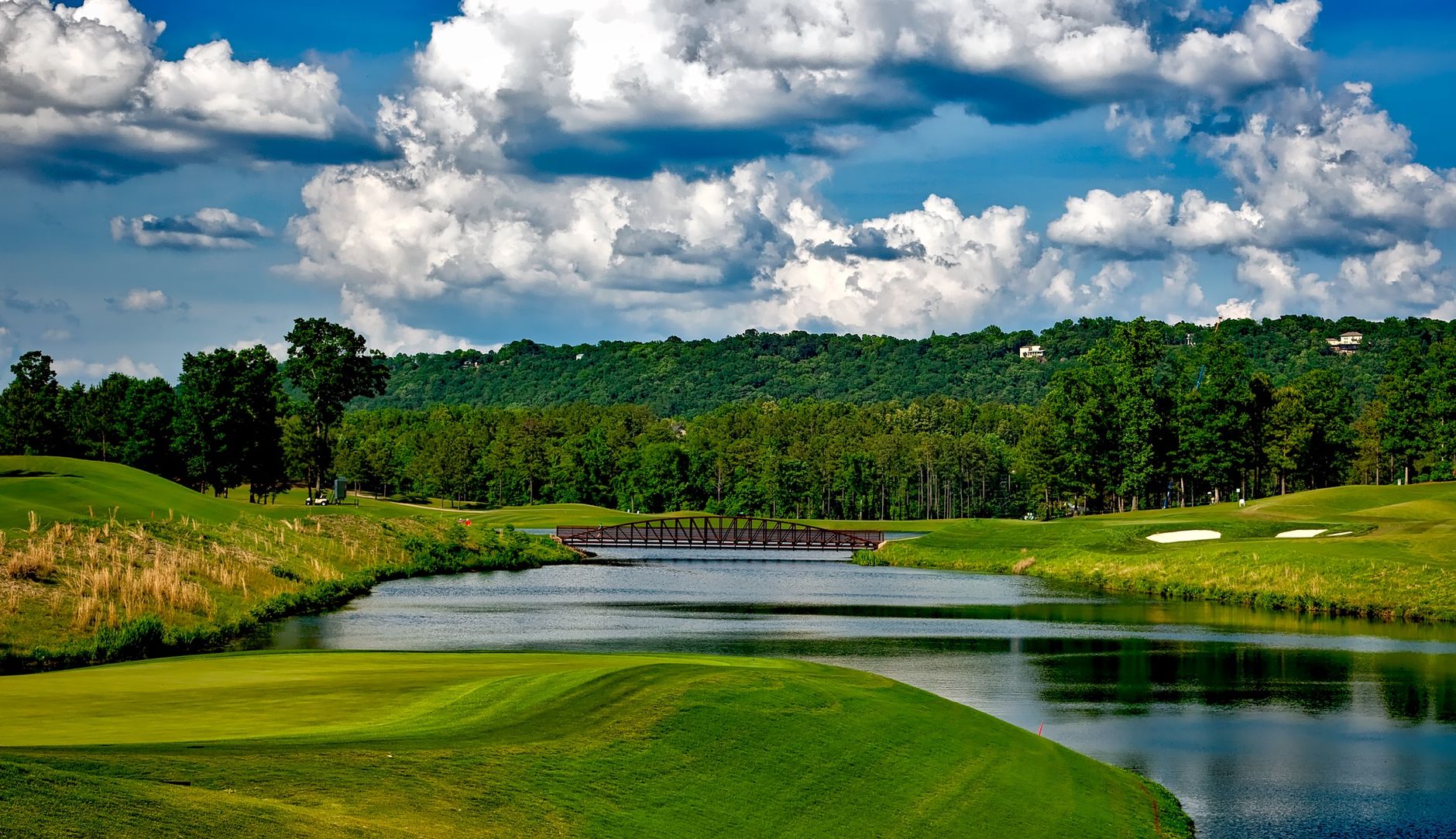
Royal Birkdale, the host course for 2026, has a rich history of its own, having hosted The Open ten times previously. Its reputation as a fair yet formidable test of golf is well-earned, with past champions including legends like Arnold Palmer, Tom Watson, and Jordan Spieth. Each return to Birkdale brings with it the anticipation of new drama and the potential for historic moments. The course's unique layout, characterized by towering dunes and strategically placed bunkers, demands precision and creativity, ensuring that only the most complete golfers can truly conquer it.
The selection of Royal Birkdale for 2026 continues a tradition of rotating the Open Championship among a select group of prestigious links courses in the UK. This rotation ensures that the tournament maintains its unique character and challenges players with diverse conditions. The anticipation for the 2026 event has been building since the announcement, with golf enthusiasts and bettors alike already speculating on who might rise to the occasion. The historical context of both the tournament and the venue provides a rich backdrop for understanding the significance of the upcoming championship.
Why This Cannot Be Ignored
The Open Championship is not merely another stop on the golf calendar; it is one of golf's four major championships, carrying immense prestige and career-defining implications for every player in the field. Winning the Claret Jug catapults a golfer into an elite echelon, securing their legacy and often providing exemptions into future major championships for years to come. For fans and bettors, it represents a unique opportunity to witness golf at its most challenging and unpredictable, where the elements often play as significant a role as the players themselves.
From a betting perspective, the Open Championship presents some of the most compelling value and strategic depth of any sporting event. The unpredictable nature of links golf, combined with the sheer depth of talent, means that long shots can and often do contend, offering incredible payouts for those who can identify them. Ignoring the early lines and detailed analysis means missing out on potential advantages that diminish as the tournament approaches and public perception shifts. Savvy bettors understand that preparation and early engagement are key to maximizing returns.
Beyond the financial stakes, the Open Championship serves as a crucial barometer for the state of professional golf. It highlights emerging talents, reaffirms the dominance of established stars, and often sets the tone for the remainder of the season. The narratives that emerge from Royal Birkdale in 2026 will resonate throughout the golf world, influencing rankings, sponsorships, and future tournament dynamics. Therefore, understanding the potential outcomes and key players is essential for anyone deeply invested in the sport's trajectory.
Possible Paths Forward
When approaching the 2026 Open Championship from a betting perspective, several strategic paths emerge. One popular strategy involves identifying a core group of elite players who consistently perform well in major championships and possess a proven links golf pedigree. These include perennial contenders like Rory McIlroy, whose ball-striking prowess and experience in varied conditions make him a strong candidate, and Jon Rahm, known for his powerful game and mental fortitude. Scottie Scheffler, with his consistent top finishes, also remains a formidable presence, despite a less extensive links resume.
Another viable path is to seek out value in the mid-tier and long-shot categories. This requires a deeper dive into player statistics, recent form on similar courses, and even weather predictions. Players who might not be household names but excel in windy conditions, possess exceptional short games, or have a history of surprising performances in majors could offer significant returns. Consider players like Shane Lowry, a former Open champion known for his gritty play, or rising stars who have shown flashes of brilliance in European Tour events, which often feature links-style courses.
Furthermore, a nuanced approach involves considering prop bets and head-to-head matchups. Instead of solely focusing on the outright winner, bettors can explore options like top-10 finishes, first-round leader, or specific player matchups. These bets can provide more consistent opportunities for profit, especially when deep research reveals specific player strengths or weaknesses that might not be reflected in outright winner odds. Diversifying your betting portfolio across these different types of wagers can mitigate risk while still offering exciting potential payouts.
Questions People Are Actually Asking
What to Watch
- Monitor the performance of top contenders in the lead-up tournaments, particularly those played on links-style courses or in challenging weather conditions, as this will be a strong indicator of their readiness for Royal Birkdale.
- Keep a close eye on any injury reports or withdrawals from key players, as these can dramatically shift the betting landscape and open up opportunities for other golfers to contend.
- Observe the weather forecasts for Royal Birkdale in the weeks leading up to the tournament; strong winds or heavy rain can significantly impact play and favor specific types of golfers with particular skill sets.
- Track the movement of betting odds across various sportsbooks, identifying where value might emerge as public money comes in and oddsmakers adjust their lines based on new information and player performances.
- Pay attention to expert analysis and predictions from seasoned golf commentators and betting analysts, as their insights can often highlight overlooked players or strategic angles that might not be immediately obvious.
- Review historical data from previous Open Championships held at Royal Birkdale, noting common characteristics of past winners and how they navigated the course's unique challenges, which can inform future predictions.
















Comments
No comments yet. Be the first to comment!