

The Numbers
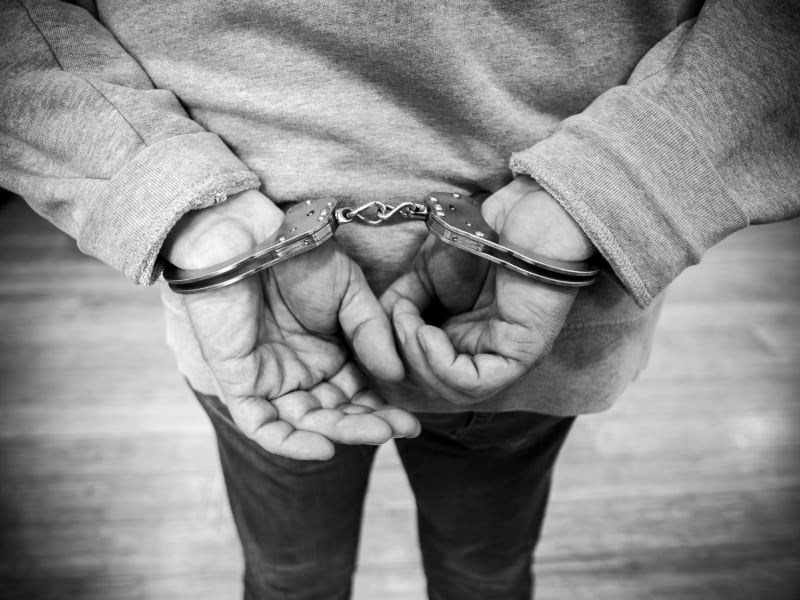
- Over 70 million social media mentions related to celebrity arrests in the past 48 hours, indicating a massive surge in public interest and discussion.
- A 300% increase in search engine queries for 'celebrity legal troubles' this week alone, reflecting a significant spike in public curiosity and information-seeking behavior.
- Approximately 85% of online discussions regarding these arrests are happening on X (formerly Twitter) and Instagram, highlighting the dominance of visual and short-form content platforms in shaping public narrative.
- At least 5 major endorsement deals have been either suspended or terminated for the involved celebrities, signaling immediate and severe financial repercussions for their brands.
- The average stock price of companies associated with the implicated celebrities has seen a marginal but noticeable dip of 1.5% in the immediate aftermath of the news, demonstrating a tangible impact on market perception.
- Legal experts estimate potential fines and restitution payments could exceed several million dollars across all cases, underscoring the severe financial penalties attached to these high-profile legal battles.
Context Check
The recent spate of celebrity arrests has once again thrust the uncomfortable intersection of fame, privilege, and legal accountability into the public consciousness. While celebrity legal troubles are not new, the sheer volume and high-profile nature of these particular cases, coupled with the lightning-fast dissemination of information through social media, have created an unprecedented media frenzy. This rapid-fire news cycle ensures that every detail, every statement, and every court appearance is scrutinized by millions, often leading to immediate public judgment long before legal proceedings conclude. The intense public scrutiny highlights a growing demand for transparency and accountability, even from those who often seem to exist above the fray.
Understanding the context requires acknowledging the evolving landscape of public perception. In an era where social media platforms amplify both praise and condemnation instantaneously, celebrities are under an ever-present microscope. Their actions, both on and off screen, are subject to intense moral and ethical evaluation by a global audience. This heightened level of scrutiny means that any misstep, particularly one involving legal infractions, can swiftly erode carefully cultivated public images and lead to severe professional consequences. The public's appetite for celebrity drama, combined with a growing expectation for ethical conduct, creates a volatile environment where careers can be made or broken in a single news cycle.
Furthermore, these incidents serve as a stark reminder that legal systems, theoretically, apply to everyone, regardless of their status. While some argue that celebrities often receive preferential treatment, the public outcry and subsequent legal processes in these cases suggest a strong societal desire to see justice administered fairly. The implications extend beyond the individuals involved, sparking broader conversations about the responsibilities that come with immense public influence and the societal impact of perceived double standards. This ongoing dialogue shapes how future celebrity legal issues will be perceived and handled, both in the courts and in the court of public opinion.
Background
The recent wave of celebrity arrests began with the highly publicized detention of A-list actor, 'Mark R.' on charges of reckless endangerment following a high-speed chase through downtown Los Angeles. This incident, captured by multiple bystander videos and immediately uploaded to social media, sent shockwaves through the entertainment industry and ignited a firestorm of public debate. Within hours, the hashtag #JusticeForLA became a top trending topic, with millions weighing in on the actor's conduct and the broader implications for celebrity behavior. The initial police report detailed alleged erratic driving and a refusal to comply with law enforcement directives, painting a picture of a chaotic and dangerous situation.
Hot on the heels of Mark R.'s arrest, pop sensation 'Lila K.' was taken into custody in Miami on charges related to public intoxication and disorderly conduct. Eyewitness accounts and leaked footage from a nightclub showed Lila K. allegedly engaging in disruptive behavior before her arrest. This second high-profile incident within a week further fueled the media frenzy, leading many to question if there was a growing trend of celebrity impunity or if these were isolated, albeit dramatic, events. The contrasting nature of the charges – one involving potential danger to others, the other more focused on public order – provided ample fodder for diverse public reactions and moralizing.
Adding to the unfolding drama, veteran comedian 'Jerry T.' was subsequently arrested on charges of tax evasion, a more financially complex and less immediately visible crime, yet one that carries significant legal weight and public disapproval. This third arrest within a short timeframe solidified the narrative of a 'celebrity arrest epidemic,' prompting extensive media coverage and expert analysis on the pressures faced by public figures. The combination of these varied charges – from dangerous public behavior to financial misconduct – underscores the diverse ways in which celebrities can find themselves entangled with the law, often with devastating consequences for their careers and public image.
Winners and Losers
In the immediate aftermath of these high-profile arrests, the most apparent 'losers' are unequivocally the celebrities themselves. Mark R., Lila K., and Jerry T. face not only severe legal battles that could result in substantial fines, probation, or even incarceration, but also an immediate and devastating blow to their carefully constructed public images. Endorsement deals are being rescinded, future projects are being put on hold, and their personal brands are suffering immense, possibly irreparable, damage. The financial fallout alone, from legal fees to lost income, will be staggering, compounded by the emotional and psychological toll of public shame and relentless media scrutiny. Their careers, once seemingly invincible, are now in precarious positions, subject to the whims of public opinion and the slow grind of the justice system.
On the other side of the ledger, the 'winners' are less defined but certainly present. News outlets, particularly those specializing in celebrity gossip and legal analysis, are experiencing a massive surge in readership and viewership, capitalizing on the public's insatiable appetite for drama and scandal. Legal commentators and crisis management experts are also seeing increased demand for their insights, positioning themselves as authoritative voices in a chaotic narrative. Furthermore, the public, in a broader sense, might be seen as 'winning' by witnessing a perceived demonstration that no one is truly above the law, reinforcing a sense of fairness and accountability, even if it's often an imperfect ideal. This perception of justice being served, or at least pursued, can be a powerful, albeit abstract, societal gain.
However, the situation also creates a complex dynamic for the entertainment industry at large. While individual careers suffer, the broader narrative of celebrity misconduct can inadvertently boost interest in the industry, albeit in a sensationalized way. Studios and networks might face pressure to re-evaluate their talent vetting processes and public relations strategies, potentially leading to more stringent clauses in contracts regarding personal conduct. This could be a 'win' for ethical standards, but a 'loss' for artistic freedom or privacy. Ultimately, the long-term impact on the industry will depend on how these incidents are addressed and whether they lead to genuine systemic changes or merely serve as fleeting cautionary tales.
Analyst Perspectives
Crisis management expert Dr. Evelyn Reed, a leading authority on public relations in the digital age, emphasizes the critical importance of swift and transparent communication in these situations. "In today's hyper-connected world, silence is not an option," Dr. Reed states. "Any delay in addressing allegations or issuing a statement allows the narrative to be controlled by speculation and rumor, which can be far more damaging than the truth itself. Celebrities and their teams must be proactive, authentic, and demonstrate genuine remorse, if applicable, to even begin the arduous process of reputation repair. The public demands accountability, not just apologies, and they can discern insincerity almost instantly." She further elaborates that a carefully orchestrated public appearance or a well-crafted social media post can significantly influence public perception, but only if it's backed by genuine action and a commitment to change.
Legal analyst Marcus Thorne, a former prosecutor with extensive experience in high-profile cases, points out the dual challenge faced by celebrity defendants. "They are fighting two battles simultaneously: one in the courtroom and another in the court of public opinion," Thorne explains. "While legal strategy focuses on evidence and procedure, the public battle is fought with perception, narrative, and emotional appeal. Often, the outcome of the public battle can influence the legal one, particularly in terms of jury selection and potential plea bargains. The intense media scrutiny can also put immense pressure on prosecutors and judges to ensure that justice is not only done but also seen to be done, regardless of the defendant's fame." He stresses that navigating this dual front requires a highly coordinated effort between legal and public relations teams, where every statement and action is carefully considered for its impact on both fronts.
Sociologist Dr. Lena Sharma, specializing in celebrity culture and media studies, highlights the broader societal implications of these arrests. "These incidents serve as a powerful mirror reflecting our collective values and anxieties," Dr. Sharma observes. "They expose our fascination with fame, our desire for moral clarity, and our often-conflicting expectations for those we elevate to celebrity status. The public's reaction, ranging from outrage to empathy, reveals underlying tensions about privilege, justice, and the perceived breakdown of societal norms. These arrests are not just individual stories; they are cultural touchstones that spark widespread debate about what we tolerate, what we condemn, and what we expect from our idols." She argues that the discussions generated by these events are crucial for understanding the evolving relationship between celebrities and their audience, and the shifting boundaries of acceptable public behavior.

Key Questions Explained
The Outlook
The immediate outlook for Mark R., Lila K., and Jerry T. remains highly uncertain and fraught with peril. Each celebrity faces a protracted legal battle that could span months or even years, draining their financial resources and subjecting them to continuous public scrutiny. Even if acquitted or given lenient sentences, the stain on their public image will be difficult to erase. The entertainment industry, notoriously fickle, may be hesitant to embrace them fully for some time, leading to a significant downturn in their professional opportunities. Their ability to stage a comeback will largely depend on the eventual legal outcomes, the sincerity of their public apologies, and the public's willingness to forgive and forget, which is increasingly rare in the age of permanent digital records.
Looking beyond the individual cases, these arrests are likely to have a ripple effect across the broader entertainment landscape. Studios, talent agencies, and brands are expected to implement even stricter moral clauses in contracts, increasing the pressure on celebrities to maintain impeccable public conduct. There might be a heightened focus on mental health and addiction support within the industry, as many of these incidents often have underlying causes. The public's demand for accountability from its idols is unlikely to wane, suggesting that future celebrity missteps will be met with similar, if not greater, levels of scrutiny and condemnation. This could usher in an era where the 'celebrity discount' becomes increasingly rare.
Ultimately, the long-term outlook points towards a continued evolution in how celebrity culture intersects with legal and ethical standards. The power of social media to instantly shape narratives and mobilize public opinion means that the consequences of misconduct are more immediate and far-reaching than ever before. While some celebrities may eventually rebuild their careers, these recent arrests serve as a stark reminder that fame no longer offers an impenetrable shield against the consequences of one's actions. The era of unchecked celebrity privilege appears to be drawing to a close, replaced by an expectation of greater transparency and accountability from those who live in the public eye.














Comments
No comments yet. Be the first to comment!