
What We Know
- China's industrial capacity is currently experiencing a significant surplus, particularly in sectors like electric vehicles (EVs), solar panels, and batteries, driven by massive state subsidies and a domestic demand slowdown.
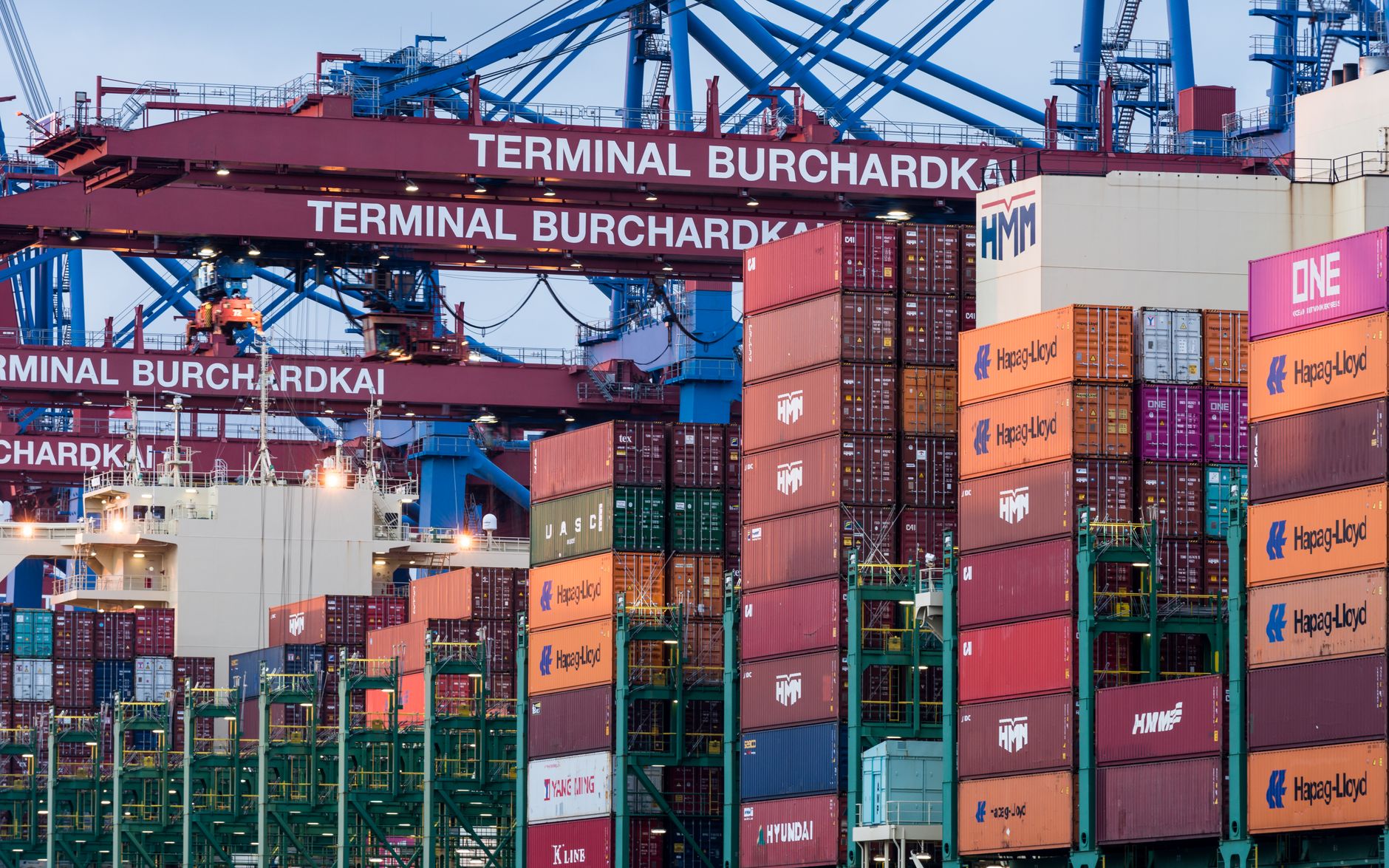
- This excess capacity is now being aggressively channeled into global export markets, leading to a dramatic surge in competitively priced Chinese goods that threaten to overwhelm established industries worldwide.
- The impending influx of these low-cost Chinese exports is being widely termed 'China Shock 2.0,' drawing parallels to the profound economic disruption experienced by the U.S. manufacturing sector after China joined the WTO in 2001.
- European and emerging economies are particularly vulnerable to this new wave of competition, as their domestic industries may struggle to compete with the scale and pricing power of Chinese producers.
- Policymakers in various countries are actively debating and considering a range of protective measures, including tariffs, subsidies for domestic industries, and other trade barriers, to safeguard their economies.
- The economic implications extend beyond manufacturing, potentially affecting employment, innovation, and geopolitical stability as nations grapple with the ramifications of China's industrial strategy.
What We Do Not Know Yet
- The precise scale and duration of this second 'China Shock' remain uncertain, as do the specific industries that will be most severely impacted beyond the already identified sectors like EVs and renewable energy.
- How various national governments, particularly those in Europe and developing nations, will ultimately respond to this challenge is still unfolding, and the coordination of international policy responses is unclear.
- The long-term effects on global supply chains and trade relationships are not yet fully understood, and whether this will lead to a significant restructuring of global manufacturing remains to be seen.
- The extent to which Chinese domestic consumption might rebound, potentially absorbing some of the excess capacity and mitigating export pressures, is a critical unknown variable.
- Whether this surge in exports will lead to a new era of trade wars or foster greater international cooperation in managing global industrial capacity imbalances is a key question for the future.
- The impact on technological innovation and the competitive landscape for green technologies, specifically, is still being assessed, as Chinese dominance could stifle innovation elsewhere or accelerate global adoption.
Background
The original 'China Shock' refers to the profound economic disruption experienced by the United States manufacturing sector following China's accession to the World Trade Organization (WTO) in 2001. This period saw a massive influx of low-cost Chinese manufactured goods into the U.S. market, leading to significant job losses, factory closures, and widespread economic dislocation in specific regions and industries. Research by economists like Autor, Dorn, and Hanson meticulously documented the severe localized impacts, highlighting how communities heavily reliant on manufacturing struggled to adapt to the sudden and intense foreign competition. The shock exposed vulnerabilities in globalized supply chains and ignited a contentious debate about the benefits and costs of free trade, particularly when engaging with economies that operate under different state-driven models.
Fast forward to today, and the global economy is bracing for what many are calling 'China Shock 2.0.' This new iteration is driven by a different, yet equally potent, set of circumstances. China has invested heavily in advanced manufacturing capabilities, particularly in strategic sectors like electric vehicles, solar panels, and advanced batteries. These investments, often backed by substantial state subsidies, have led to a significant overcapacity in these industries. With domestic demand in China slowing down, these factories are now producing far more than the local market can absorb. Consequently, Chinese manufacturers are aggressively pushing their surplus production onto international markets, offering highly competitive prices that threaten to undercut producers in other nations.
Unlike the first shock, which primarily impacted traditional manufacturing, this new wave targets cutting-edge, green technology sectors that many Western nations are actively trying to develop as part of their own industrial policies and climate change agendas. The implications are therefore twofold: not only does it threaten existing industries, but it also jeopardizes nascent industries crucial for future economic growth and environmental sustainability. The scale of China's industrial output and its state-backed model means that the potential for disruption is immense, forcing governments worldwide to re-evaluate their trade policies and consider protective measures to safeguard their strategic industries and ensure a level playing field.
Why It Matters
The impending 'China Shock 2.0' is not merely an economic footnote; it represents a fundamental challenge to the global industrial landscape and the future of strategic sectors. For developed economies, the threat is existential for emerging industries like electric vehicles and renewable energy, which are seen as pillars of future growth and critical for climate goals. If domestic manufacturers cannot compete with the flood of heavily subsidized Chinese products, these nascent industries may fail to take root, leading to a loss of jobs, technological leadership, and economic sovereignty. This could severely undermine national efforts to transition to greener economies and create high-value employment, potentially locking countries into a cycle of dependency on foreign production for critical technologies.
Beyond the immediate economic impact, this phenomenon carries significant geopolitical weight. The aggressive export strategy could exacerbate trade tensions, potentially leading to a new era of protectionism and retaliatory tariffs. Nations may feel compelled to erect trade barriers to protect their industries, risking a fragmentation of the global trading system that has underpinned decades of prosperity. Such a scenario could undermine international cooperation on critical issues, including climate change, and deepen divisions between major economic blocs, making it harder to address shared global challenges effectively. The stability of alliances and multilateral institutions could also be tested as countries prioritize national industrial interests.
For emerging economies, the situation is particularly precarious. While cheaper Chinese goods might offer short-term benefits to consumers, the long-term impact on their own industrial development could be devastating. Many developing nations are striving to build their own manufacturing bases in these very sectors, hoping to create jobs and move up the value chain. The overwhelming competition from China could stifle these ambitions, preventing industrialization and trapping these economies in a cycle of importing rather than producing. This would not only hinder their economic progress but also deepen global inequalities, making it harder for these nations to achieve sustainable development goals and improve living standards for their populations.
Timeline of Events
- December 2001: China officially joins the World Trade Organization (WTO), marking the beginning of the first 'China Shock' as its goods flood global markets, profoundly impacting manufacturing sectors in the U.S. and Europe.
- Early 2010s: China begins significant state-backed investments in strategic emerging industries, including solar panel manufacturing, leading to a global oversupply and intense price competition that decimates Western producers.
- Mid-2010s: Chinese government intensifies its industrial policy, 'Made in China 2025,' aiming for self-sufficiency and global dominance in high-tech sectors like robotics, AI, and new energy vehicles, fueling massive capacity expansion.
- 2018-2020: U.S. initiates trade war with China, imposing tariffs on various Chinese goods, partly in response to concerns over unfair trade practices and industrial subsidies, signaling early recognition of growing capacity issues.
- 2021-2023: Post-pandemic, China's domestic demand slows, while its industrial capacity, particularly in EVs, batteries, and renewable energy components, continues to expand rapidly due to sustained state support.
- Late 2023-Early 2024: Global concerns escalate as data reveals a dramatic surge in Chinese exports of EVs, solar panels, and other green technologies, priced aggressively, signaling the onset of 'China Shock 2.0' and prompting urgent policy discussions in Europe and the U.S.
Rapid-Fire Q&A
What Is Coming
- Expect a significant increase in trade disputes and anti-dumping investigations, as more countries move to protect their domestic industries from the surge of low-cost Chinese imports, potentially leading to retaliatory measures.
- Governments will likely implement more robust industrial policies, including targeted subsidies, tax incentives, and local content requirements, to foster domestic production in strategic sectors like EVs and renewable energy.
- The global supply chain landscape is set for further diversification and regionalization, with companies and nations seeking to reduce their reliance on single-country suppliers, particularly for critical components and technologies.
- Increased pressure on international trade bodies like the WTO to address issues of state subsidies and overcapacity will be evident, though consensus on reforms remains challenging given differing national interests.
- Consumers may initially benefit from lower prices on certain goods, but this could be offset by reduced product diversity, potential quality concerns, and higher prices in other sectors if trade wars escalate.
- The geopolitical implications will intensify, as economic competition intertwines with national security concerns, potentially leading to a more fragmented global economy and heightened tensions between major powers.















Comments
No comments yet. Be the first to comment!