

Policy Snapshot
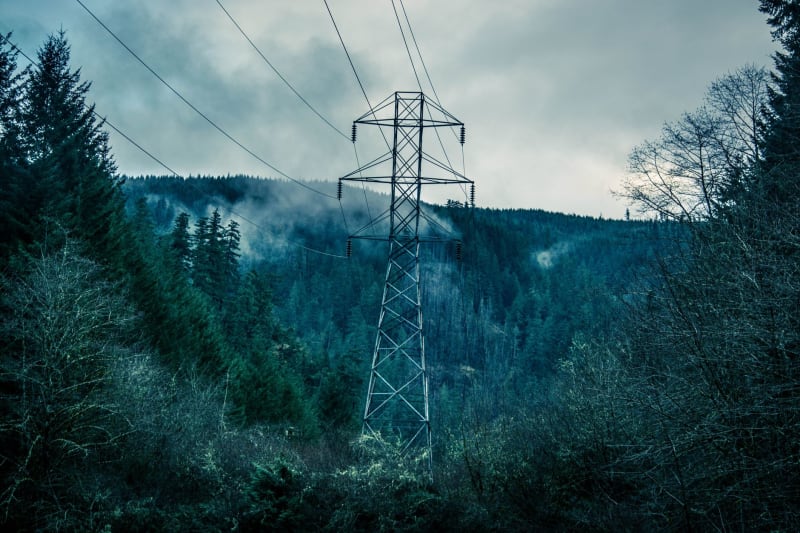
- The General Electricity Company of Libya (GECOL) is the state-owned entity solely responsible for power generation, transmission, and distribution across the entire country, operating under immense political and financial pressures.
- Despite its critical role, GECOL has been chronically underfunded and plagued by mismanagement, corruption, and a severe lack of investment in maintenance and infrastructure upgrades for over a decade, directly contributing to the current crisis.
- Successive transitional governments in Libya have failed to implement any coherent, long-term energy policy or allocate sufficient resources to address the deteriorating power grid, instead opting for short-term, reactive measures that offer no sustainable solutions.
- International efforts to stabilize Libya have largely focused on political reconciliation and security, often overlooking the dire state of essential services like electricity, which are fundamental to daily life and economic recovery.
- The current policy vacuum allows for continued reliance on outdated power plants, many of which are operating at significantly reduced capacity or are entirely non-functional due to lack of spare parts and skilled personnel.
- There is no clear, unified national strategy to transition Libya towards more resilient and sustainable energy sources, such as renewables, despite the country's abundant solar potential, leaving it vulnerable to fossil fuel supply chain disruptions and climate impacts.
The Policy History
Libya's electricity infrastructure, once robust by regional standards, has been in a precipitous decline since the 2011 uprising and the subsequent decade of civil conflict and political fragmentation. Before 2011, the country boasted a relatively stable power supply, albeit one heavily reliant on fossil fuels. However, years of neglect, sabotage, and the inability of warring factions to agree on a unified national budget or governance structure have crippled the General Electricity Company of Libya (GECOL). This chronic instability has prevented any meaningful investment in maintenance, upgrades, or the expansion of the grid to meet growing demand. The result is a system operating far below its capacity, perpetually teetering on the edge of collapse, with profound implications for the population.
The post-Gaddafi era saw the emergence of competing governments and militias, each vying for control over state institutions and resources. This political division directly translated into a fractured approach to national infrastructure, including the power grid. Budgets allocated for GECOL were often diverted, mismanaged, or simply never materialized due to political infighting and corruption. International sanctions and the withdrawal of foreign expertise further exacerbated the problem, making it nearly impossible to procure essential spare parts or undertake complex repairs. The cumulative effect of these systemic failures has been a gradual but relentless degradation of power plants, transmission lines, and distribution networks across the entire country, leaving millions in the dark.
Furthermore, the lack of a unified and effective central authority has meant that even when funds were theoretically available, their deployment was hampered by security concerns and logistical nightmares. Power plants became targets of conflict, and technicians often risked their lives to perform essential repairs. The absence of a clear, long-term energy strategy has also meant that stop-gap measures and emergency repairs have been the norm, rather than comprehensive planning for future energy needs. This reactive approach has only deepened the crisis, creating a vicious cycle where outages lead to protests, which in turn further destabilize the already fragile political landscape, making systemic solutions even more elusive.
Who Is Affected
The pervasive electricity blackouts in Libya inflict severe hardship on virtually every segment of the population, transforming daily life into a constant struggle. Households, particularly those with young children, the elderly, or individuals requiring medical devices, bear the brunt of these outages. Without reliable power, essential appliances like refrigerators fail, leading to food spoilage and health risks. Air conditioning, a necessity in Libya's scorching summers, becomes non-existent, turning homes into unbearable ovens. The lack of lighting compromises safety and security, especially in vulnerable communities, while also disrupting education as students struggle to study after dark. This widespread disruption erodes the quality of life and fuels deep-seated frustration among ordinary citizens.
Beyond individual households, the economic fabric of Libya is severely damaged by the unreliable power supply. Small businesses, from local shops to manufacturing workshops, cannot operate consistently, leading to significant financial losses and job insecurity. Many businesses are forced to invest in expensive, noisy, and polluting private generators, adding substantial operational costs that often get passed on to consumers, further burdening an already struggling populace. This creates an uneven playing field, where only those with sufficient capital can maintain some semblance of normal operations, while smaller enterprises are pushed to the brink of collapse, stifling economic recovery and diversification efforts.
Crucially, critical public services are also severely compromised. Hospitals and clinics struggle to maintain essential medical equipment, refrigerate medicines, and perform life-saving procedures without consistent electricity, often relying on backup generators that are expensive to run and prone to failure. Water pumping stations, vital for supplying clean drinking water, cease to function during blackouts, exacerbating public health risks. Furthermore, communication networks can be disrupted, isolating communities and hindering emergency response efforts. The cumulative impact of these failures on public services threatens to unravel the already fragile social contract and deepen the humanitarian crisis in a country already scarred by years of conflict.
The Case For
Addressing Libya's failing power grid is not merely an infrastructure challenge; it is an imperative for national stability, economic recovery, and the well-being of its citizens. A reliable electricity supply is the bedrock upon which any functional society is built, enabling essential services like healthcare, education, and water provision to operate without interruption. Without it, the daily lives of millions are plunged into chaos, fostering resentment and further eroding trust in governing authorities. Investing in the power sector would directly alleviate the immense suffering caused by blackouts, providing a tangible benefit that could help bridge political divides and demonstrate a commitment to improving the lives of ordinary Libyans.
Furthermore, a robust and stable power grid is absolutely critical for stimulating economic growth and attracting much-needed investment. Businesses, both large and small, cannot thrive in an environment of perpetual energy uncertainty. Reliable electricity would reduce operational costs for enterprises currently dependent on expensive private generators, allowing them to invest in expansion, create jobs, and contribute more effectively to the national economy. It would also signal to international investors that Libya is serious about rebuilding its infrastructure and creating a more predictable business environment, which is essential for diversifying the economy beyond its heavy reliance on oil and gas exports.
Finally, prioritizing the restoration and modernization of the electricity grid offers a unique opportunity for national unity and reconciliation. It is a common goal that transcends political factions and regional loyalties, as every Libyan citizen stands to benefit from improved power access. A collaborative effort to rebuild this vital infrastructure could serve as a powerful symbol of progress and a shared commitment to a better future, potentially fostering a sense of collective purpose that has been sorely missing. Moreover, a modernized grid could incorporate renewable energy sources, positioning Libya for a more sustainable and resilient energy future, reducing its carbon footprint, and enhancing its energy independence.
The Case Against
While the need for a stable power grid is undeniable, the primary 'argument against' immediate, large-scale intervention in Libya's electricity sector often stems from the overwhelming practical challenges and the deeply entrenched political realities. The country remains highly fragmented, with competing governments and numerous armed groups exerting control over different territories and resources. Any significant infrastructure project requires a level of security, political consensus, and unified governance that is currently absent. Without these fundamental prerequisites, even well-intentioned investments risk being sabotaged, diverted, or simply failing to achieve their objectives due to ongoing conflict and administrative paralysis.
Another significant hurdle is the pervasive corruption and lack of transparency within Libya's state institutions, including GECOL itself. Past attempts to allocate funds for infrastructure projects have often been marred by allegations of embezzlement, inflated contracts, and inefficient resource allocation. Donors and international partners are understandably hesitant to commit substantial financial aid or technical expertise without robust oversight mechanisms and guarantees that funds will be used as intended. The risk of resources being siphoned off or projects being poorly executed due to a lack of accountability makes a compelling case for caution, suggesting that political and institutional reforms must precede, or at least accompany, major infrastructure overhauls.
Furthermore, the sheer scale of the required investment is staggering, and the current economic situation in Libya, despite its oil wealth, is precarious due to years of conflict, oil production disruptions, and global market fluctuations. Securing the necessary billions for comprehensive grid modernization, including new power plants, transmission lines, and smart grid technologies, would require a level of national unity and international commitment that has proven elusive. Some argue that without a stable, unified government capable of guaranteeing security and managing such vast projects effectively, any major investment could be a premature and ultimately futile endeavor, potentially leading to further financial waste and disillusionment.
Policy Questions Answered
Implementation Watch
The implementation of any meaningful solution to Libya's power crisis remains critically dependent on the resolution of the country's deep-seated political divisions. While technical plans for grid repair and expansion exist on paper, their execution is perpetually stalled by the absence of a unified, legitimate government with undisputed authority over the national budget and security apparatus. Until a single, recognized entity can allocate funds, secure project sites, and ensure the safety of workers, even the most meticulously drafted strategies will remain aspirational. This political deadlock is the primary bottleneck, rendering any 'implementation watch' largely a watch for political breakthroughs rather than technical progress.
Even if political consensus were to emerge, the logistical and security challenges of implementing large-scale infrastructure projects in Libya are immense. Importing heavy machinery, spare parts, and specialized personnel requires secure ports, roads, and a stable environment free from militia interference or extortion. The General Electricity Company of Libya (GECOL) has repeatedly highlighted its inability to access certain areas or protect its equipment due to ongoing insecurity. Monitoring the progress of repairs and new constructions, ensuring quality control, and preventing corruption would demand robust oversight mechanisms, which are currently underdeveloped in Libya's fragmented institutional landscape. The sheer scale of the required rebuilding effort means that progress will be slow and fraught with obstacles.
Looking ahead, any successful implementation will also require a fundamental shift in how the energy sector is governed and financed. This includes establishing transparent procurement processes, holding officials accountable for performance, and potentially exploring public-private partnerships to attract necessary investment and expertise. Furthermore, a long-term vision must incorporate renewable energy solutions, moving beyond the current reliance on aging fossil fuel plants. The international community's role will be crucial in providing technical assistance, facilitating financial support, and exerting diplomatic pressure to ensure that any agreements on power sector reform are honored and implemented effectively. Without these foundational changes, Libya risks being trapped in a perpetual cycle of blackouts and unfulfilled promises.
















Comments
No comments yet. Be the first to comment!