
What We Know
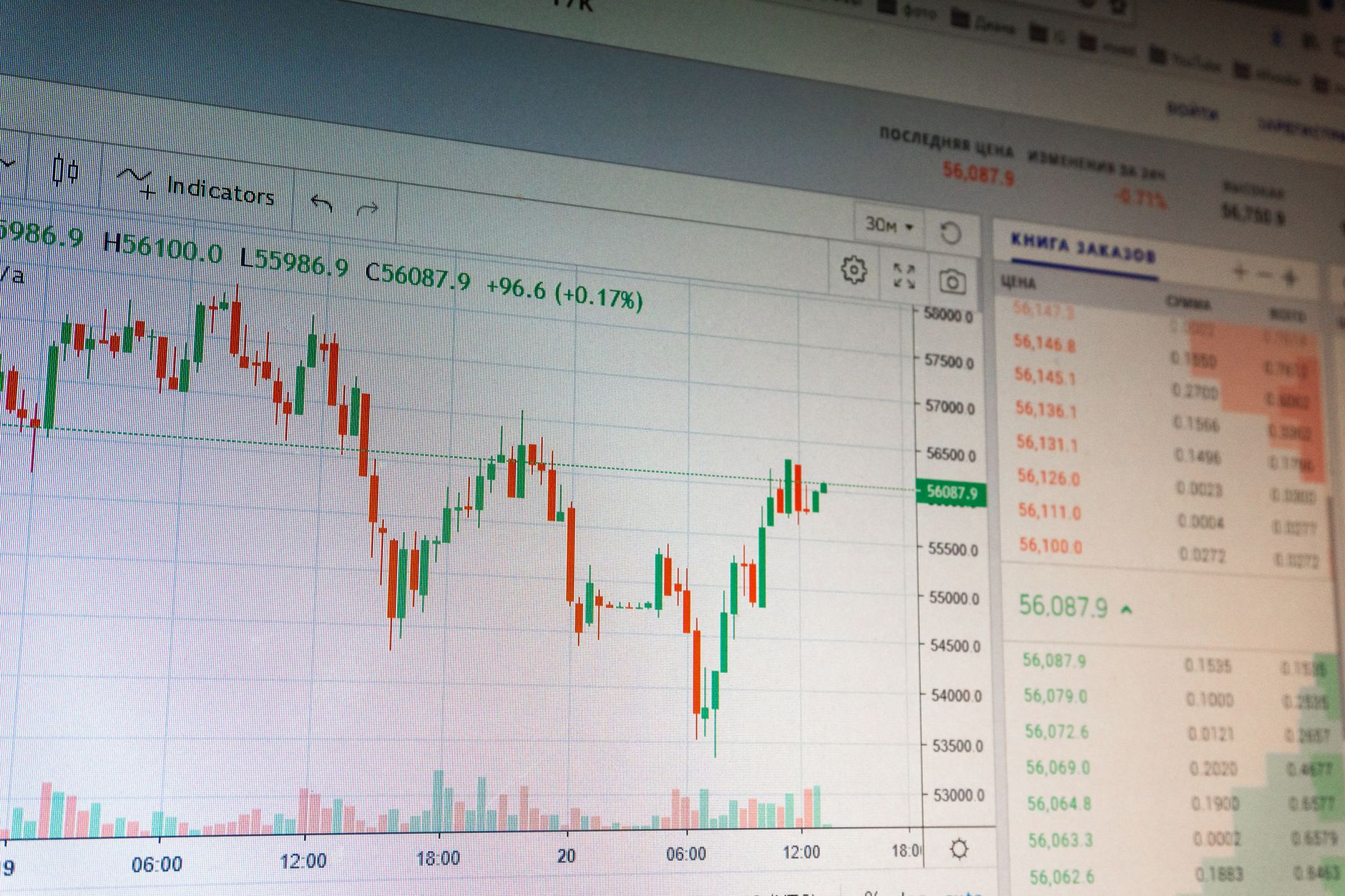
- The KOSPI index, South Korea's benchmark stock market, has experienced a significant and sharp decline, signaling a broader market correction that is unsettling investors and analysts alike.
- This downturn is primarily attributed to a cooling of the AI-driven investment frenzy that previously propelled technology stocks to unprecedented valuations, suggesting a recalibration of market expectations.
- Key technology and semiconductor companies, which were the darlings of the AI boom, are now facing substantial sell-offs, directly impacting their market capitalization and investor confidence.
- Global economic uncertainties, including persistent inflation concerns and the potential for higher interest rates in major economies, are exacerbating the downward pressure on the South Korean market.
- Investor sentiment has shifted from aggressive speculation to cautious risk aversion, with many institutional and retail investors re-evaluating their positions in high-growth, high-volatility sectors.
- The South Korean government and financial regulators are closely monitoring the situation, contemplating potential interventions or policy adjustments to stabilize the market and mitigate further losses.
What We Do Not Know Yet
- The precise duration and ultimate depth of this market correction remain highly uncertain, with analysts divided on whether this is a temporary dip or the beginning of a more prolonged bear market cycle.
- It is unclear how deeply this market downturn will impact South Korea's real economy, particularly its export-driven technology sector, and whether it will lead to significant job losses or reduced investment.
- The extent to which global macroeconomic factors, such as central bank policies and geopolitical tensions, will continue to influence the KOSPI's trajectory is still an open question, making future predictions challenging.
- Whether this market correction will trigger a broader reassessment of AI technology valuations across other global markets, or if it is an isolated event specific to the Korean market's unique dynamics, is yet to be determined.
- The specific policy responses that the South Korean government might implement to stabilize the market and support affected industries are still under consideration and have not been fully disclosed to the public.
- How retail investors, who have been significant players in the recent bull run, will react to sustained losses and whether their continued participation will exacerbate or alleviate market volatility is an unknown factor.
Background
For the past year, South Korea's stock market, particularly its technology and semiconductor sectors, has been riding an unprecedented wave of enthusiasm fueled by the global artificial intelligence boom. Companies involved in chip manufacturing, AI software development, and related hardware saw their valuations soar to dizzying heights, attracting a torrent of both domestic and international investment. This period was characterized by aggressive speculation, with investors betting heavily on the transformative potential of AI to reshape industries and generate exponential growth. The KOSPI index, often seen as a bellwether for global tech sentiment due to South Korea's dominance in memory chips and displays, reflected this optimism with consistent upward momentum, creating a sense of invincibility among market participants.
However, this AI-driven rally, while impressive, began to show signs of overextension and speculative froth. Valuation metrics for many tech firms reached historical peaks, prompting some veteran analysts to issue warnings about an impending correction. The underlying fundamentals, while strong for many companies, struggled to fully justify the rapid pace of price appreciation. This created a precarious situation where any shift in market sentiment or economic outlook could trigger a sharp reversal. The market's reliance on a single, dominant narrative – the limitless potential of AI – also made it vulnerable to any perceived weakening of that narrative or a re-evaluation of its immediate commercial applications.
Adding to the domestic market's inherent volatility, a confluence of global macroeconomic factors has begun to exert significant pressure. Persistent inflationary pressures worldwide, coupled with the prospect of central banks maintaining higher interest rates for longer, have dampened overall investor appetite for risk. Geopolitical tensions and supply chain disruptions further contribute to an environment of uncertainty, leading investors to seek safer havens. These external forces, combined with the internal dynamics of an overheated AI sector, have created a perfect storm for the South Korean market, culminating in the recent sharp decline and a broad recalibration of investor expectations.
Why It Matters
This significant market plunge in South Korea is far more than just a localized financial event; it serves as a critical barometer for the global technology sector and the broader economic landscape. South Korea is a powerhouse in semiconductors, displays, and advanced manufacturing, making its market performance a crucial indicator of the health and future trajectory of the global tech supply chain. A sustained downturn here could signal a more widespread cooling of investor enthusiasm for AI and other high-growth tech sectors, potentially impacting valuations and investment decisions across major economies from Silicon Valley to Shenzhen. The ripple effects could be felt in venture capital funding, corporate expansion plans, and even consumer electronics pricing, underscoring the interconnectedness of global markets.
Beyond the immediate financial implications, this market correction could have profound consequences for South Korea's domestic economy and its strategic position in the global technology race. A prolonged slump could erode corporate profits, leading to reduced research and development spending, which is vital for maintaining the nation's competitive edge in cutting-edge fields like AI and advanced chip design. Furthermore, it could impact employment in high-tech industries, potentially leading to job losses or a slowdown in hiring, which would directly affect the livelihoods of a significant portion of the South Korean workforce. The government's ability to navigate this downturn effectively will be crucial for preserving economic stability and investor confidence.
Moreover, this event forces a critical re-evaluation of the sustainability of recent market rallies driven by speculative hype rather than solid, long-term fundamentals. It highlights the inherent risks of concentrated sector bets and the dangers of ignoring traditional valuation metrics in the pursuit of rapid gains. For policymakers, it underscores the need for robust regulatory frameworks that can mitigate excessive speculation and protect retail investors. For businesses, it's a stark reminder to diversify revenue streams and build resilience against market volatility. Ultimately, the South Korean market's current struggles offer valuable lessons for investors, regulators, and businesses worldwide about the cyclical nature of innovation and the enduring importance of sound economic principles.
Timeline of Events
- Early 2023: South Korean tech stocks, particularly semiconductor and AI-related firms, begin a rapid ascent, fueled by global excitement over generative AI advancements and strong earnings reports from sector leaders.
- Mid-2023: The KOSPI index experiences consistent growth, frequently hitting new highs as retail and institutional investors pour capital into companies perceived to be beneficiaries of the AI revolution, with valuations reaching elevated levels.
- Late 2023: Analysts and economists begin to voice concerns about potential overvaluation in specific tech segments, warning of a possible market correction if earnings growth does not keep pace with stock price appreciation.
- Early 2024: Global macroeconomic headwinds intensify, including persistent inflation data from major economies and a more hawkish stance from central banks, leading to a general shift towards risk aversion in global markets.
- March 2024: Initial signs of a slowdown in AI-related investment momentum emerge, with some large tech companies reporting slightly weaker-than-expected outlooks or indicating a more measured pace of AI integration.
- April 2024: The KOSPI index experiences a sharp, accelerated decline over several trading sessions, with heavy selling pressure concentrated in previously high-flying technology and semiconductor stocks, officially marking a significant market correction.
Rapid-Fire Q&A
What Is Coming
- Expect continued volatility in the short term as the market fully digests the implications of the AI boom's cooling and global economic uncertainties, with daily fluctuations likely to remain significant.
- Increased scrutiny on the earnings reports and forward-looking guidance from major South Korean tech companies, as investors seek concrete evidence of sustainable growth beyond speculative AI narratives.
- Potential policy responses from the South Korean government and financial regulators, which could include market stabilization measures, support packages for affected industries, or adjustments to monetary policy.
- A broader reassessment of AI technology valuations globally, as the South Korean market's correction might serve as a precursor or a cautionary tale for other tech-heavy indices around the world.
- A shift in investment strategies, with a greater emphasis on companies with strong fundamentals, proven profitability, and diversified revenue streams, moving away from purely speculative growth plays.
- Ongoing debates among economists and analysts regarding the long-term impact of AI on economic growth versus the short-term challenges of market overvaluation and the potential for a 'tech bubble' scenario.














Comments
No comments yet. Be the first to comment!