
What We Know
- Samsung Electronics projects its operating profit for the first quarter of 2024 to reach an astounding 6.6 trillion won (approximately $4.89 billion), marking a monumental 931.3% increase compared to the same period last year.
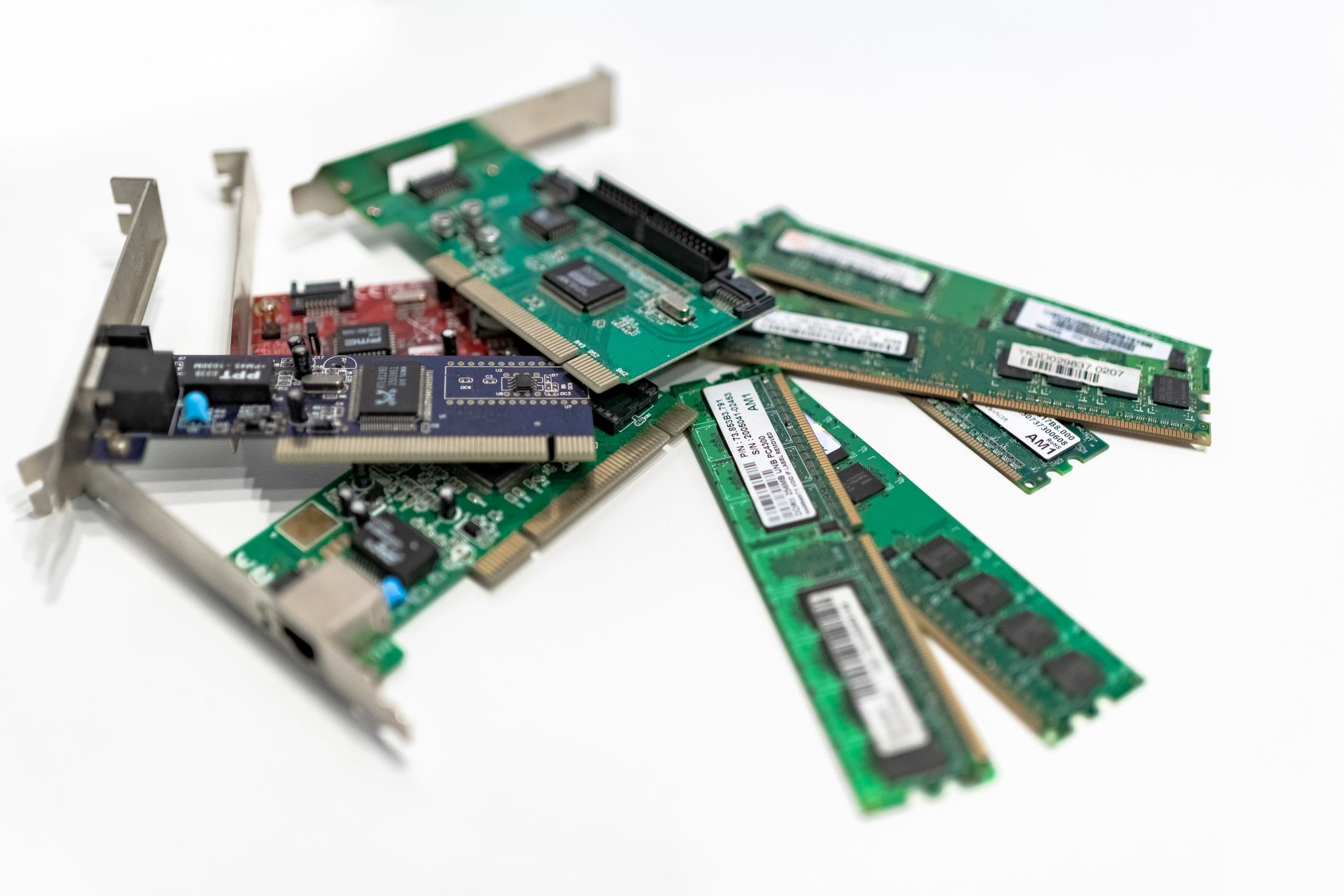
- This dramatic financial resurgence is primarily attributed to a robust recovery in global demand for semiconductor memory chips, particularly those vital for powering advanced Artificial Intelligence (AI) technologies and high-performance computing.
- The company's revenue is estimated to hit 71 trillion won, representing an 11.4% year-on-year increase, signaling a broad-based improvement across its diversified business segments, including mobile and display.
- Samsung's strategic focus on High Bandwidth Memory (HBM) chips, essential components for AI servers and graphics processing units (GPUs), has positioned it advantageously to capitalize on the burgeoning AI market.
- The significant upturn follows a challenging period in 2023, where the semiconductor industry experienced a downturn, highlighting the cyclical nature of the market and Samsung's resilience in navigating such fluctuations.
- This impressive profit forecast surpasses analyst expectations, indicating a stronger-than-anticipated rebound in the memory chip sector and a positive outlook for the broader technology industry in the coming quarters.
What We Do Not Know Yet
- While the overall profit surge is clear, the exact breakdown of contributions from each specific business unit (e.g., mobile, display, foundry, network) to this record-breaking operating profit remains undisclosed in the preliminary guidance.
- The precise volume and pricing trends for Samsung's crucial High Bandwidth Memory (HBM) chips, which are central to the AI boom, have not been detailed, leaving questions about the sustainability of current margins.
- The company has not yet provided specific guidance on its capital expenditure plans for the remainder of 2024, particularly regarding investments in advanced fabrication technologies and expanded HBM production capacity.
- The long-term impact of potential geopolitical tensions and global supply chain disruptions on Samsung's manufacturing and distribution networks, especially concerning critical raw materials, is still an evolving unknown.
- The competitive landscape for next-generation memory technologies, including the strategies of key rivals like SK Hynix and Micron, and how these might influence Samsung's market share and profitability, is not fully clear.
- Detailed insights into Samsung's inventory levels for various chip types and consumer electronics products are pending, which could offer a clearer picture of future production adjustments and market demand forecasts.
Background
Samsung Electronics, a global titan in the technology sector, has historically been a bellwether for the health of the semiconductor industry. Its vast operations span memory chips, system LSI, foundry services, mobile communications, and consumer electronics, making its financial performance a critical indicator for the broader tech market. The company has navigated numerous economic cycles, demonstrating remarkable adaptability and innovation. This latest surge in profit comes after a challenging 2023, where a global slowdown in consumer electronics demand and an oversupply of memory chips led to significant inventory adjustments and depressed pricing across the industry. Samsung, like its peers, felt the pinch, reporting substantial losses in its semiconductor division for several quarters.
The current rebound is not merely a cyclical recovery but is significantly amplified by the explosive growth of Artificial Intelligence. AI applications, from large language models to advanced data analytics, require immense processing power and, critically, vast amounts of high-speed, high-bandwidth memory. Traditional DRAM and NAND flash memory, while still essential, are being supplemented by specialized High Bandwidth Memory (HBM) chips, which stack multiple memory dies vertically to achieve unprecedented data transfer rates. Samsung has been a key player in the development and production of HBM, investing heavily in research and manufacturing capabilities to meet this emerging demand.
The strategic pivot towards AI-centric memory solutions has proven prescient. As companies like Nvidia, AMD, and Intel race to develop more powerful AI accelerators, the demand for HBM has skyrocketed, creating a lucrative market segment. Samsung's ability to ramp up production of these complex chips, coupled with its established leadership in conventional memory, has allowed it to capture a significant share of this burgeoning market. This positions the company not just as a beneficiary of the AI boom, but as a fundamental enabler of the next generation of artificial intelligence technologies, reinforcing its indispensable role in the global digital infrastructure.
Why It Matters
Samsung's record-breaking profit forecast is far more than just a win for a single corporation; it signals a profound shift in the global technology landscape, underscoring the foundational importance of semiconductors in the age of AI. This surge demonstrates the immense capital and technological prowess required to meet the insatiable demands of artificial intelligence, which is rapidly becoming the driving force behind innovation across virtually every industry. The health of Samsung's semiconductor division directly impacts the supply chain for countless tech products, from smartphones and servers to automotive systems and advanced robotics, making its performance a critical barometer for global economic vitality.
The intense competition in the high-bandwidth memory (HBM) market, where Samsung is a dominant player alongside SK Hynix, is a testament to the strategic value of these specialized chips. HBM is not just an incremental improvement; it is a critical bottleneck and an enabler for the next generation of AI supercomputers and data centers. Companies that can reliably produce and innovate in this space will hold significant leverage in shaping the future of AI development. Samsung's success in this arena reinforces its position as an indispensable partner for leading AI hardware developers, solidifying its influence over the technological trajectory of the coming decade.
Furthermore, this financial rebound has significant implications for South Korea's economy, where Samsung is a cornerstone. The company's performance influences national GDP, employment rates, and investment in research and development. A strong Samsung often translates to a robust domestic tech ecosystem, attracting talent and fostering further innovation. Globally, Samsung's strategic decisions regarding production capacity, pricing, and technological advancements will ripple through the entire semiconductor supply chain, affecting everything from raw material suppliers to end-product manufacturers. This makes Samsung's financial health and strategic direction a matter of global economic and technological significance, demanding close attention from investors, policymakers, and industry observers alike.
Timeline of Events
- **Q4 2022 - Q3 2023:** Samsung's semiconductor division experiences a significant downturn, reporting substantial operating losses for multiple quarters due to weak global demand for memory chips and an industry-wide oversupply.
- **Early 2023:** Samsung, along with other major memory manufacturers, announces production cuts for traditional DRAM and NAND flash memory to address inventory buildup and stabilize market prices, signaling a cautious outlook.
- **Mid-2023:** Reports begin to emerge of rapidly increasing demand for High Bandwidth Memory (HBM) chips, driven by the explosive growth of generative AI applications and the need for more powerful AI accelerators.
- **Late 2023:** Samsung intensifies its focus and investment in HBM production, aiming to solidify its position as a leading supplier for AI-specific memory solutions, anticipating a market rebound.
- **Q4 2023:** Signs of market recovery become more apparent, with memory chip prices beginning to stabilize and show early signs of an upturn, particularly for high-end and specialized memory products.
- **January - March 2024:** Samsung's production and sales of advanced memory chips, especially HBM, accelerate dramatically, capitalizing on the surging demand from AI data centers and GPU manufacturers.
- **April 5, 2024:** Samsung Electronics releases its preliminary earnings guidance for Q1 2024, projecting a staggering 931.3% year-on-year increase in operating profit, reaching 6.6 trillion won, significantly exceeding market expectations and confirming a robust recovery.
Rapid-Fire Q&A
What Is Coming
- Samsung is expected to release its full, detailed earnings report for Q1 2024 later in April, which will provide a comprehensive breakdown of performance across its various business units, offering deeper insights into the drivers of this record profit.
- Analysts will be closely watching for Samsung's updated guidance on capital expenditure plans for 2024, particularly regarding investments in advanced fabrication technologies and the expansion of High Bandwidth Memory (HBM) production capacity to meet sustained AI demand.
- The company is anticipated to provide more specifics on its HBM roadmap, including details on its next-generation HBM4 chips and partnerships with key AI chip developers, further solidifying its position in the rapidly evolving AI hardware ecosystem.
- Expect continued strong performance from Samsung's semiconductor division throughout 2024, as the global demand for AI-driven memory solutions shows no signs of abating, potentially leading to further upward revisions in profit forecasts.
- Samsung's mobile division will likely continue to innovate with AI features integrated into its flagship smartphones and other devices, leveraging its in-house semiconductor expertise to create a more seamless and powerful user experience.
- The broader semiconductor industry will likely see increased competition and innovation, with rivals intensifying their efforts in HBM and other AI-centric memory solutions, potentially leading to a dynamic and fast-paced technological race in the coming months and years.












Comments
No comments yet. Be the first to comment!