

Key Takeaways
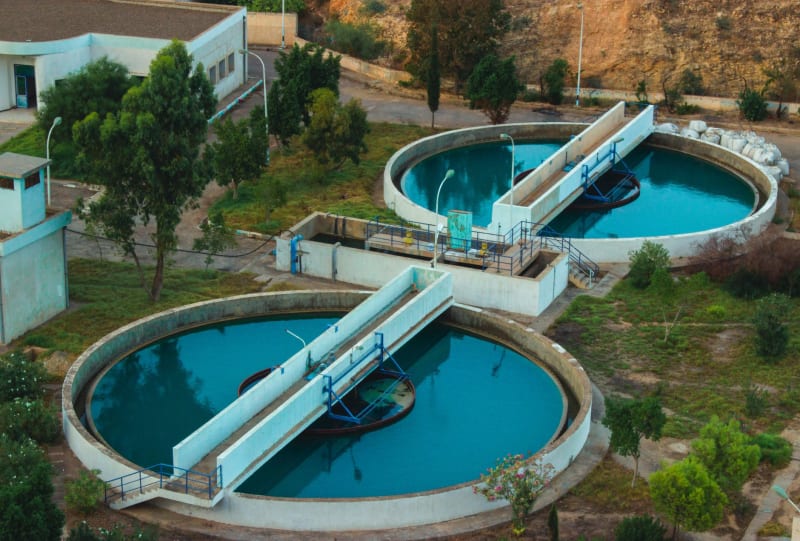
- Multiple municipal water systems across Minnesota have been hit by a sophisticated, coordinated cyberattack, disrupting operations and raising significant public health concerns.
- Initial investigations suggest the attack was highly organized, potentially involving state-sponsored actors or well-resourced criminal groups targeting critical infrastructure vulnerabilities.
- The Minnesota Department of Health and other state agencies are working intensely with federal partners, including the FBI and CISA, to assess the damage and restore full functionality to affected systems.
- This incident highlights a critical national security vulnerability, underscoring the urgent need for enhanced cybersecurity protocols and investment in protecting essential public services from digital threats.
- Public advisories have been issued in several affected areas, urging residents to boil water or use bottled water as a precautionary measure until water quality can be definitively assured.
- The long-term implications of such an attack could include erosion of public trust in infrastructure reliability and increased pressure on policymakers to enact more robust cybersecurity legislation and funding.
Background
In an alarming development, multiple municipal water systems across Minnesota have fallen victim to a coordinated cyberattack, an incident that has sent ripples of concern through state and federal security agencies. This sophisticated digital assault, which began manifesting in the early hours of a recent morning, has disrupted operational technology systems responsible for water treatment and distribution in several communities, prompting immediate investigations by a consortium of state and federal authorities. The precise nature of the compromise and the full extent of the damage are still being meticulously assessed, but early indications point to a deliberate and well-orchestrated effort to destabilize critical public infrastructure.
The targeting of water systems represents a significant escalation in cyber warfare tactics, moving beyond data theft or financial extortion to directly threaten public health and safety. These systems, often managed by smaller municipalities with limited cybersecurity budgets and expertise, present attractive targets for adversaries seeking to cause widespread disruption and panic. The attack vectors are believed to be diverse, potentially exploiting known vulnerabilities in industrial control systems (ICS) or leveraging advanced persistent threats (APTs) to gain unauthorized access. Such an event underscores a pervasive national weakness in protecting the foundational services upon which modern society depends.
Historically, critical infrastructure has been identified as a prime target for cyber adversaries, yet the pace of defensive upgrades has often lagged behind the evolving sophistication of threats. This Minnesota incident serves as a stark reminder that theoretical risks are rapidly becoming tangible realities. Federal agencies, including the Cybersecurity and Infrastructure Security Agency (CISA) and the Federal Bureau of Investigation (FBI), have swiftly deployed resources to assist local authorities, working to contain the breach, restore functionality, and understand the origins of the attack. Their collaborative efforts are crucial in mitigating immediate risks and developing long-term resilience strategies against future incursions.
Why It Matters
The cyberattack on Minnesota's water systems is not merely a technical glitch; it represents a profound threat to public health and national security. Water is an indispensable resource, and any compromise to its supply or quality can have immediate and devastating consequences for communities. Contamination, pressure drops, or complete service outages can lead to widespread illness, disrupt daily life, and erode fundamental trust in government's ability to provide essential services. This incident elevates the discussion from abstract cybersecurity concerns to concrete, life-altering risks that demand urgent attention from every level of governance and every citizen.
Beyond the immediate health implications, this attack exposes a critical vulnerability in the nation's infrastructure. Many water treatment facilities operate with legacy systems, often connected to the internet, making them susceptible to sophisticated cyber intrusions. The coordinated nature of this particular attack suggests a well-resourced adversary, potentially a state actor, testing the resilience of American infrastructure. Such an event could be a precursor to more widespread or severe attacks, signaling a new front in geopolitical conflict where digital warfare directly impacts civilian populations and critical services, creating a ripple effect across interconnected systems.
Furthermore, the economic fallout from such an attack can be substantial, extending far beyond the direct costs of remediation and system restoration. Businesses relying on consistent water supply face operational disruptions, while public confidence in local utilities can plummet, leading to long-term economic instability. The psychological impact on affected communities, forced to question the safety of their tap water, is also significant. This incident serves as a powerful wake-up call, emphasizing that cybersecurity is no longer a niche IT concern but a fundamental component of public safety, economic stability, and national defense, requiring comprehensive and proactive investment.
Ground Reality
On the ground, the situation in affected Minnesota communities is marked by a mixture of caution and rapid response. Residents in several areas have been advised to boil their water or rely on bottled alternatives, a directive that immediately disrupts daily routines and creates a palpable sense of unease. Local emergency services are distributing bottled water in some areas, while public health officials are working tirelessly to monitor water quality and provide clear, consistent updates to a concerned populace. The immediate challenge is not just technical restoration but also effective communication to prevent panic and ensure public compliance with safety measures.
Technicians and cybersecurity experts are working around the clock, often in secure, undisclosed locations, to isolate compromised systems, eradicate malicious code, and restore operational integrity. This involves forensic analysis of network logs, patching vulnerabilities, and potentially rebuilding entire sections of control systems. The complexity is immense, given the interconnected nature of modern water infrastructure, where Supervisory Control and Data Acquisition (SCADA) systems often interface with broader IT networks. The goal is to ensure that when systems come back online, they are not only functional but also significantly more resilient against future attacks, a process that can be time-consuming and resource-intensive.
The human element of this crisis cannot be overstated. Utility workers, often unsung heroes, are on the front lines, navigating both the technical challenges of system recovery and the public's anxiety. Their dedication is critical in minimizing the disruption and ensuring a swift return to normalcy. Meanwhile, local businesses, particularly those in the food service industry, are grappling with the implications of boil water advisories, facing increased costs for bottled water and potential loss of revenue due to reduced customer traffic. The incident serves as a stark reminder of how deeply intertwined our digital infrastructure is with the fabric of everyday life, and how quickly that fabric can be frayed by malicious actors.
What Experts Are Saying
Cybersecurity experts are universally sounding the alarm, emphasizing that this attack is a potent illustration of a long-predicted vulnerability. Dr. Anya Sharma, a leading expert in critical infrastructure security at the University of Minnesota, stated, "This isn't a surprise to anyone in the field. We've been warning for years that operational technology systems, especially in smaller municipalities, are soft targets. They often lack the sophisticated defenses of larger corporations, yet they control systems absolutely vital to public welfare. This incident should be the definitive wake-up call for a national strategy on critical infrastructure protection." Her analysis highlights the systemic gaps in cybersecurity funding and expertise at the local level.
Many analysts are pointing to the coordinated nature of the attack as a key indicator of its sophistication. "The simultaneous targeting of multiple, geographically dispersed systems suggests either a highly organized criminal enterprise or a state-sponsored actor," explains Marcus Thorne, a former CISA official now consulting on cyber defense. "This isn't a random hacker. This requires significant resources, intelligence gathering, and a deep understanding of industrial control systems. The motive could range from pure disruption to testing capabilities for future, larger-scale operations." His perspective underscores the geopolitical implications and the need for a robust intelligence response.
Furthermore, experts are advocating for a paradigm shift in how critical infrastructure is secured. "We need to move beyond reactive patching and towards proactive, resilience-by-design approaches," says Dr. Evelyn Reed, a cybersecurity policy specialist. "This means investing in robust network segmentation, implementing multi-factor authentication for all control systems, conducting regular penetration testing, and, crucially, fostering a culture of cybersecurity awareness from the top down in every utility. The cost of prevention is always far less than the cost of recovery, both economically and in terms of public trust." Her recommendations highlight the need for a comprehensive, multi-faceted approach to bolster defenses.
Frequently Asked Questions
What Happens Next
In the immediate aftermath, the primary focus will remain on full system restoration and ensuring public health. This involves continuous water quality monitoring, meticulous forensic analysis of the attack, and hardening the defenses of affected utilities. Federal and state agencies will continue their collaborative efforts to share threat intelligence and provide technical assistance. Expect a sustained period of heightened vigilance and potentially ongoing advisories in some areas as systems are brought back online and thoroughly validated for security and operational integrity. The road to complete recovery and enhanced resilience will be iterative and demanding.
Looking ahead, this incident is likely to catalyze significant policy discussions at both state and federal levels. There will be increased pressure for legislative action to mandate stronger cybersecurity standards for critical infrastructure, particularly for smaller utilities that often lack the resources for robust defense. Expect calls for increased federal funding to help municipalities upgrade their systems, train personnel, and implement advanced security technologies. The debate will center on balancing regulatory burdens with the urgent need to protect essential services from increasingly sophisticated threats, potentially leading to new compliance frameworks.
Furthermore, the attack will undoubtedly prompt a re-evaluation of national cybersecurity strategies. This includes a closer look at intelligence sharing mechanisms, rapid response protocols, and international cooperation to deter and prosecute cyber adversaries. The incident serves as a stark reminder that cyber threats are dynamic and require continuous adaptation and investment. The long-term outcome could be a more unified and proactive approach to critical infrastructure protection across the United States, transforming how utilities, government, and the private sector collaborate to safeguard essential services against the evolving digital threat landscape.










Comments
No comments yet. Be the first to comment!