
Policy Snapshot
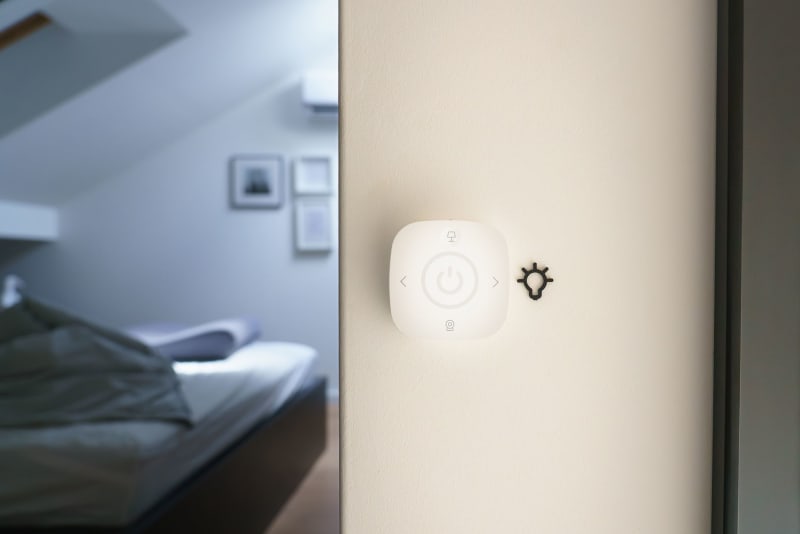
- The new AI Home Assistant Hub integrates seamlessly with over 200 smart home devices, establishing a unified ecosystem for unparalleled control and automation, significantly reducing the need for multiple apps.
- It features advanced, on-device AI processing for enhanced privacy and faster response times, ensuring that personal data remains secure and commands are executed with minimal latency.
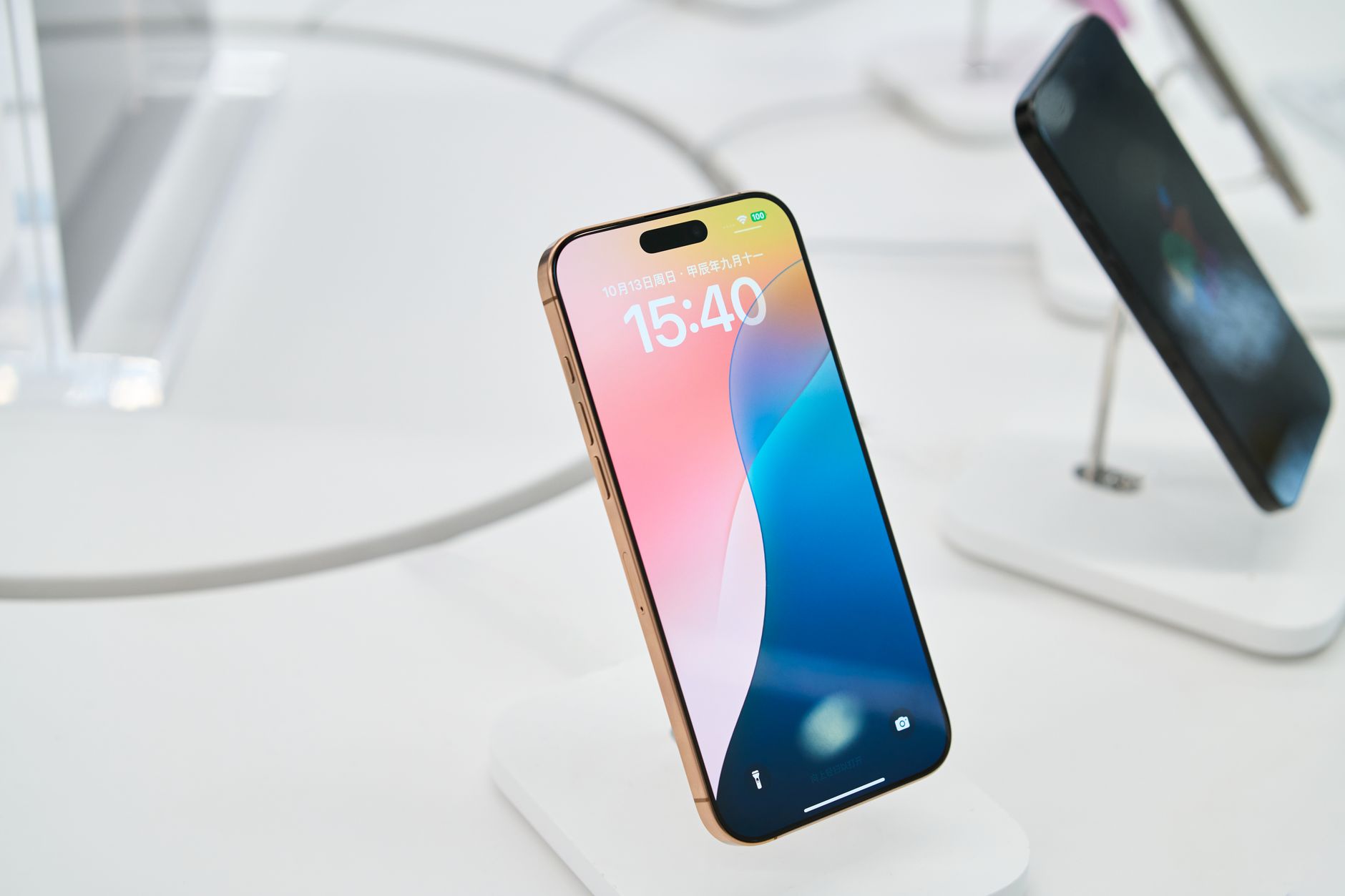
- The Next-Gen Foldable Smartphone boasts a durable, ultra-thin glass display that has undergone rigorous testing to withstand over 500,000 folds, setting a new benchmark for foldable device longevity.
- Equipped with a custom-designed, energy-efficient processor, this smartphone delivers exceptional performance while extending battery life, allowing users to stay connected and productive for longer periods.
- Both devices incorporate robust security protocols, including multi-factor authentication and end-to-end encryption, to protect user data from evolving cyber threats and ensure peace of mind.
- The manufacturers have committed to providing at least five years of software updates and security patches for both the AI Home Assistant Hub and the Foldable Smartphone, ensuring long-term usability and protection.
The Policy History
The evolution of smart home technology has been a journey of fragmented ecosystems and varying standards, often leaving consumers frustrated with compatibility issues and a cluttered array of apps. Early smart home devices, while innovative, largely operated in silos, requiring users to navigate multiple platforms to control different aspects of their homes. This lack of interoperability created a significant barrier to widespread adoption and user satisfaction, highlighting a critical need for a more unified and intelligent approach to home automation. The market was ripe for a solution that could centralize control and simplify the user experience, paving the way for a truly integrated smart home environment.
Similarly, the foldable smartphone market, while exciting, has faced its own set of challenges, primarily concerning durability and cost. Initial iterations of foldable devices were plagued by screen fragility and high price points, deterring many potential buyers. Consumers were hesitant to invest in technology that felt experimental and prone to damage, despite the undeniable appeal of a larger screen in a compact form factor. This skepticism underscored the necessity for manufacturers to significantly enhance the physical resilience of these devices and make them more accessible, transforming them from niche luxury items into viable everyday companions.
In response to these market demands, the development of the AI Home Assistant Hub and the Next-Gen Foldable Smartphone represents a concerted effort to address these historical pain points. The manufacturers have invested heavily in research and development, focusing on creating robust, user-friendly, and secure products. This strategic shift reflects a broader industry trend towards greater integration, enhanced durability, and a stronger emphasis on privacy and security, aiming to build consumer trust and accelerate the mainstream adoption of these advanced technologies. The goal is to move beyond mere novelty and establish these devices as indispensable tools in modern living.
Who Is Affected
Consumers are at the forefront of impact, particularly those who have invested in smart home ecosystems or are considering adopting one. The AI Home Assistant Hub promises to streamline their digital lives, consolidating control over a myriad of devices into a single, intuitive interface. This means less time managing disparate apps and more time enjoying the benefits of an automated home, from climate control to security systems. For early adopters of smart home technology, this represents a significant upgrade, offering enhanced functionality and a more cohesive experience. For newcomers, it lowers the barrier to entry, making smart home integration more accessible and less daunting.
Technology enthusiasts and early adopters will find the Next-Gen Foldable Smartphone particularly appealing. These individuals are often keen to embrace cutting-edge innovations and are willing to invest in devices that push the boundaries of design and functionality. The improved durability and performance of this new foldable model address previous concerns, making it a more attractive proposition for those who demand the latest and greatest. Its advanced features and unique form factor cater to a demographic that values innovation and is eager to showcase their technological prowess, driving trends in the mobile device market.
Beyond individual consumers, the broader technology industry and competitors will also feel the ripple effects. The introduction of these highly advanced products sets new benchmarks for innovation, forcing other manufacturers to accelerate their own research and development efforts to remain competitive. This intensified competition can lead to a virtuous cycle of innovation, ultimately benefiting consumers with even better products and more diverse choices. Furthermore, the success of these devices could influence future design philosophies and technological priorities across the entire consumer electronics landscape, pushing the industry towards more integrated, durable, and intelligent solutions.
The Case For
The introduction of the AI Home Assistant Hub is a monumental leap forward for smart home integration, offering an unparalleled level of convenience and efficiency. By centralizing control of diverse smart devices, it eliminates the common frustration of juggling multiple applications and interfaces. This single-point control system simplifies daily routines, allowing users to manage everything from lighting and thermostats to security cameras and entertainment systems with intuitive voice commands or a unified dashboard. The hub's advanced AI capabilities learn user preferences over time, proactively adjusting settings to optimize comfort, energy efficiency, and security, thereby transforming a house into a truly intelligent home that anticipates its occupants' needs.
The Next-Gen Foldable Smartphone represents a significant advancement in mobile technology, marrying the expansive utility of a tablet with the portability of a traditional smartphone. Its enhanced durability, a direct response to earlier market concerns, ensures that users can enjoy the innovative form factor without fear of fragility. This device empowers users with a larger screen for immersive media consumption, enhanced productivity for multitasking, and a compact design that easily fits into a pocket when folded. It redefines what a mobile device can be, offering a versatile tool that adapts seamlessly to various user scenarios, from professional work to casual entertainment, truly delivering on the promise of flexible computing.
Both devices are engineered with a strong emphasis on user privacy and data security, a critical consideration in today's digital landscape. The AI Home Assistant Hub processes much of its data on-device, minimizing reliance on cloud servers and reducing potential exposure to breaches. Similarly, the foldable smartphone incorporates state-of-the-art encryption and biometric security features to protect personal information. This commitment to privacy builds crucial consumer trust, encouraging wider adoption of these advanced technologies. By prioritizing security from the ground up, these innovations not only offer cutting-edge features but also provide peace of mind, ensuring that users' digital lives are both convenient and protected.
The Case Against
Despite the impressive advancements, the initial cost of both the AI Home Assistant Hub and the Next-Gen Foldable Smartphone remains a significant barrier for many consumers. High-end technology often comes with a premium price tag, limiting accessibility to a smaller segment of the market. This exclusivity means that a large portion of the population might be excluded from experiencing these cutting-edge innovations, exacerbating the digital divide. Furthermore, the perceived value might not always align with the investment for budget-conscious consumers, who might opt for more affordable, albeit less advanced, alternatives, thus slowing widespread adoption.
Concerns regarding data privacy and security, while addressed by manufacturers, persist among a segment of the population. The AI Home Assistant Hub, by its very nature, collects extensive data on user habits and home environments to function effectively. Even with on-device processing, the sheer volume and sensitivity of this data raise questions about potential vulnerabilities or misuse, especially if future updates or third-party integrations introduce new risks. Similarly, the advanced connectivity of the foldable smartphone could be perceived as an increased attack surface for cyber threats, leading to apprehension among privacy-conscious individuals who prioritize absolute data sovereignty.
The rapid pace of technological obsolescence also presents a valid argument against immediate adoption. Investing heavily in a new generation of devices, particularly in nascent categories like foldables, carries the risk that a newer, significantly improved model could be released within a relatively short period, rendering the current purchase less valuable. This constant cycle of upgrades can lead to consumer fatigue and financial strain. For the AI Home Assistant Hub, potential future compatibility issues with emerging smart home standards or the discontinuation of support for older devices could also diminish its long-term utility, making some consumers hesitant to commit to an expensive, evolving ecosystem.

Policy Questions Answered
Implementation Watch
As these groundbreaking devices hit the market, a critical aspect to monitor will be the real-world performance of their promised features. For the AI Home Assistant Hub, the seamless integration with over 200 smart home devices needs to be consistently reliable across diverse user setups and varying network conditions. Any lag in responsiveness or unexpected compatibility issues with specific brands could quickly erode consumer confidence. Furthermore, the on-device AI processing, while excellent for privacy, must prove its capability to handle complex commands and learn user patterns as effectively as cloud-based solutions, especially when dealing with a multitude of interconnected gadgets. User reviews and independent testing will be crucial indicators of true performance.
For the Next-Gen Foldable Smartphone, the primary focus of implementation watch will undoubtedly be its long-term durability. While initial tests show impressive fold counts, the everyday wear and tear, coupled with varying environmental factors like temperature and humidity, will truly determine its resilience. Reports of screen creasing, hinge degradation, or any unexpected failures after several months of use will be closely scrutinized by both consumers and industry analysts. The success of this device hinges on its ability to transcend the fragility associated with earlier foldable models, establishing a new standard for robust flexible displays in the mass market.
Beyond individual device performance, the broader market reception and competitive landscape will also be key areas to observe. How quickly do these innovations gain traction among mainstream consumers, and what impact do they have on the strategies of rival technology companies? Will the AI Home Assistant Hub's unified approach force competitors to adopt similar open ecosystems, or will proprietary solutions continue to dominate? Similarly, if the foldable smartphone proves to be a commercial success, it could accelerate the development and release of more affordable and diverse foldable options from other brands, fundamentally reshaping the smartphone market. The next few quarters will provide invaluable insights into the long-term trajectory of these significant technological advancements.














Comments
No comments yet. Be the first to comment!