

The Story in Brief
- FIFA President Gianni Infantino is actively strengthening ties with former President Donald Trump, a move that has raised significant eyebrows across the international sporting community and political observers.
- Infantino's recent meeting at Trump's Mar-a-Lago residence, ostensibly to discuss the 2026 World Cup, is seen by many as a clear signal of an emerging political alignment, potentially compromising FIFA's long-standing stance of political neutrality.
- The timing of these interactions, especially with Trump's ongoing presidential campaign, suggests a calculated effort to leverage political influence for the upcoming North American World Cup, potentially impacting its perception and execution.
- Critics argue that such overt political engagement risks alienating a significant portion of FIFA's global fanbase and could tarnish the World Cup's image as a unifying, apolitical event, transforming it into a political football.
- The implications extend beyond mere optics, potentially influencing host city selections, logistical decisions, and even the commercial partnerships associated with the monumental 2026 tournament.
- This strategic shift by FIFA leadership could set a dangerous precedent for future international sporting events, blurring the lines between global sports governance and partisan political agendas, thereby undermining the very principles of fair play and universal appeal.
The Human Face
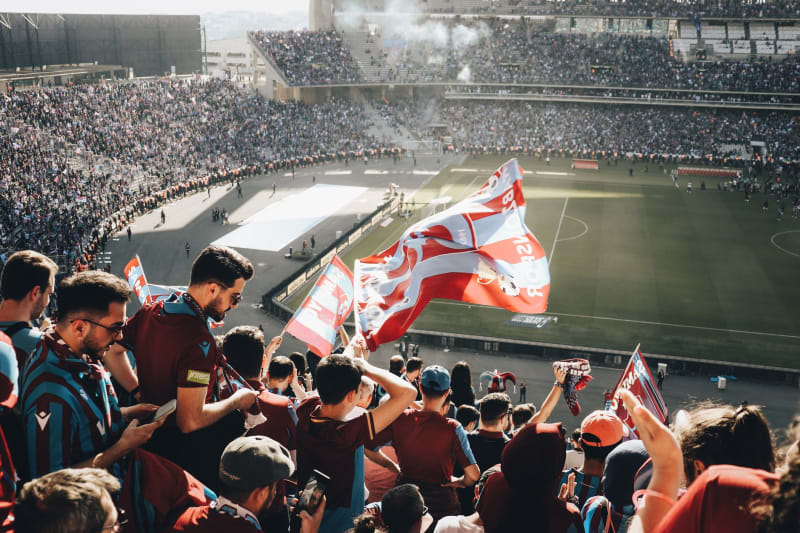
For countless fans worldwide, the World Cup transcends politics; it's a quadrennial celebration of athletic prowess, national pride, and global unity. The image of diverse nations coming together, united by a shared passion for football, is a powerful one. However, when the governing body, FIFA, begins to overtly align itself with specific political figures, particularly those as polarizing as Donald Trump, it inevitably introduces a layer of political division into what should be a universally cherished event. This shift risks alienating fans who may feel their values are not represented or, worse, are being actively contradicted by the organization they support.
The potential for the World Cup to become a political battleground, rather than a neutral stage for sport, is a deeply troubling prospect for many. Imagine fans from different political persuasions struggling to reconcile their love for the game with the perceived political leanings of its organizers. This isn't just about high-level meetings; it filters down to the individual fan experience. Will supporters feel comfortable wearing their team's jersey if they believe the event is being used to promote a particular political agenda? The human element here is about the erosion of trust and the fracturing of a community built on shared sporting values, replaced by the discord of partisan politics.
Furthermore, the athletes themselves, who dedicate their lives to reaching this pinnacle of sport, could find themselves unwittingly caught in a political crossfire. Their performances, their victories, and their very presence on the world stage could be interpreted through a political lens, detracting from their incredible achievements. The purity of the competition, the sweat, the tears, the sheer human effort—all risk being overshadowed by external political narratives. This politicization threatens to strip away the innocence and universal appeal that makes the World Cup such a beloved spectacle, transforming it into something far more divisive and less inspiring for the global audience.
How We Got Here
The current trajectory of FIFA's leadership under Gianni Infantino has been marked by a series of strategic decisions that increasingly blur the lines between sports governance and political engagement. Historically, FIFA has maintained a public facade of political neutrality, a stance crucial for its global legitimacy. However, Infantino's tenure has seen a more pragmatic, some would say opportunistic, approach to international relations. His willingness to engage with controversial political figures, from various global leaders to now former President Trump, signals a departure from traditional diplomatic norms, prioritizing perceived strategic advantages over strict adherence to apolitical principles.
The relationship with Donald Trump, specifically, began to solidify during the bidding process for the 2026 World Cup. Trump, then President, played a significant role in securing the joint North American bid, leveraging his political influence and negotiating prowess. This initial collaboration laid the groundwork for a continued connection, which Infantino appears keen to maintain and even deepen. The recent Mar-a-Lago meeting, far from being a mere courtesy call, is widely interpreted as a reinforcement of this alliance, particularly as the 2026 tournament draws closer and Trump's political future remains a dominant topic in the United States.
This evolving dynamic is also influenced by the sheer scale and economic importance of the 2026 World Cup, which will be the largest in history, hosted across three nations: the United States, Canada, and Mexico. The logistical complexities and the immense financial stakes involved create an environment where political backing, especially from a potentially re-elected US President, could be seen as invaluable by FIFA. The organization, still grappling with its past corruption scandals, might view strong political ties as a form of stability or leverage, albeit one that comes with significant reputational risks and the potential for severe backlash from a global audience expecting impartiality.
Why This Cannot Be Ignored
The politicization of the World Cup by FIFA's leadership is not a trivial matter; it strikes at the very core of what makes international sports meaningful. When a global event designed to unite people across borders becomes entangled with partisan politics, its universal appeal and moral authority are severely compromised. This shift risks transforming the World Cup from a symbol of global camaraderie into a platform for political agendas, inevitably alienating vast segments of its global audience who do not share the political leanings of the figures being courted. The integrity of the sport itself, and its ability to inspire and transcend differences, hangs in the balance.
Beyond the immediate optics, this strategic alignment sets a dangerous precedent for the future of international sporting organizations. If FIFA, one of the most powerful and influential sports bodies, openly embraces political favoritism, it encourages other federations to follow suit. This could lead to a fragmented sporting landscape where major events are no longer awarded based on merit or universal appeal, but rather on political expediency and the willingness of host nations to align with specific ideologies. Such a future would fundamentally undermine the principles of fair play, impartiality, and the aspirational values that sports are supposed to embody.
Furthermore, the financial and reputational ramifications for FIFA itself could be substantial. While short-term political alliances might offer perceived benefits, the long-term damage to FIFA's brand and credibility could be irreparable. Sponsors, broadcasters, and even participating nations may reconsider their involvement if the World Cup is seen as irrevocably tainted by political bias. The organization, which has worked to rebuild its image after years of scandal, risks undoing that progress by making choices that prioritize political expediency over its foundational commitment to a neutral, inclusive, and globally unifying sport. This cannot be ignored because it threatens the very essence of what the World Cup represents to billions.
Possible Paths Forward
One potential path forward for FIFA involves a decisive return to its stated principles of political neutrality. This would necessitate a clear public statement from President Infantino reaffirming FIFA's commitment to remaining apolitical, coupled with a visible reduction in overt political engagements. Such a move would aim to reassure fans, national federations, and commercial partners that the World Cup will remain a universal celebration of football, free from partisan influence. This path would require a conscious effort to distance the organization from any perception of political alignment, prioritizing the integrity of the sport over perceived short-term political advantages.
Alternatively, FIFA could choose to embrace a more transparent and defined policy regarding its interactions with political figures and governments. Rather than operating in a grey area, the organization could establish clear guidelines on engagement, ensuring that any necessary interactions are conducted within a framework that minimizes the appearance of bias or undue influence. This approach would acknowledge the unavoidable reality of political engagement in hosting global events, but would seek to manage it in a structured and accountable manner, providing clarity to stakeholders and mitigating accusations of favoritism or politicization. This would require a significant overhaul of current internal policies and a commitment to rigorous enforcement.
A third, more challenging, path involves FIFA facing increased pressure from its member associations, sponsors, and even player unions to re-evaluate its leadership and strategic direction. If the backlash against political alignment intensifies, stakeholders could demand reforms, potentially leading to a re-assessment of Infantino's leadership or a fundamental shift in how FIFA operates. This path is reactive, driven by external forces, but could ultimately lead to a stronger, more independent FIFA if the organization is compelled to prioritize its core mission over political maneuvering. The future of the World Cup as a truly global and unifying event depends on which of these paths FIFA ultimately chooses to navigate.
Questions People Are Actually Asking
What to Watch
- The frequency and nature of future meetings between FIFA President Infantino and Donald Trump, especially as the 2024 US presidential election cycle progresses. Any further public endorsements or joint appearances will be critical indicators of the depth of their alliance.
- Reactions from major national football federations, particularly those in Europe and South America, regarding FIFA's perceived political alignment. Any public statements or internal discussions questioning Infantino's approach could signal growing dissent within FIFA's membership.
- The response of key World Cup sponsors and broadcasters. Should major commercial partners express concerns or even hint at withdrawing support due to the politicization, it could force FIFA to reconsider its strategy and potentially lead to significant financial repercussions.
- Public opinion and media coverage in host nations (USA, Canada, Mexico) and globally. A sustained negative public reaction could put immense pressure on FIFA to revert to a more neutral stance, especially if it impacts ticket sales or tourism for the 2026 event.
- Any changes in FIFA's official communication strategy regarding political engagement. A sudden shift towards emphasizing neutrality or establishing clear guidelines for political interactions would indicate an attempt to mitigate the current controversy.
- The impact on player and team participation. While unlikely to lead to boycotts, any public statements from prominent players or national teams expressing discomfort with the political environment surrounding the World Cup could significantly amplify the issue and force FIFA's hand.











Comments
No comments yet. Be the first to comment!