


Policy Snapshot
- Apple's MacBook Neo launch has demonstrably exceeded internal sales targets, driving a significant uplift in overall Mac revenue for the current fiscal quarter, solidifying its position as a key product line.
- The company has strategically focused on optimizing its supply chain for the MacBook Neo, aiming to meet unexpectedly high consumer demand and capitalize on the positive market reception.
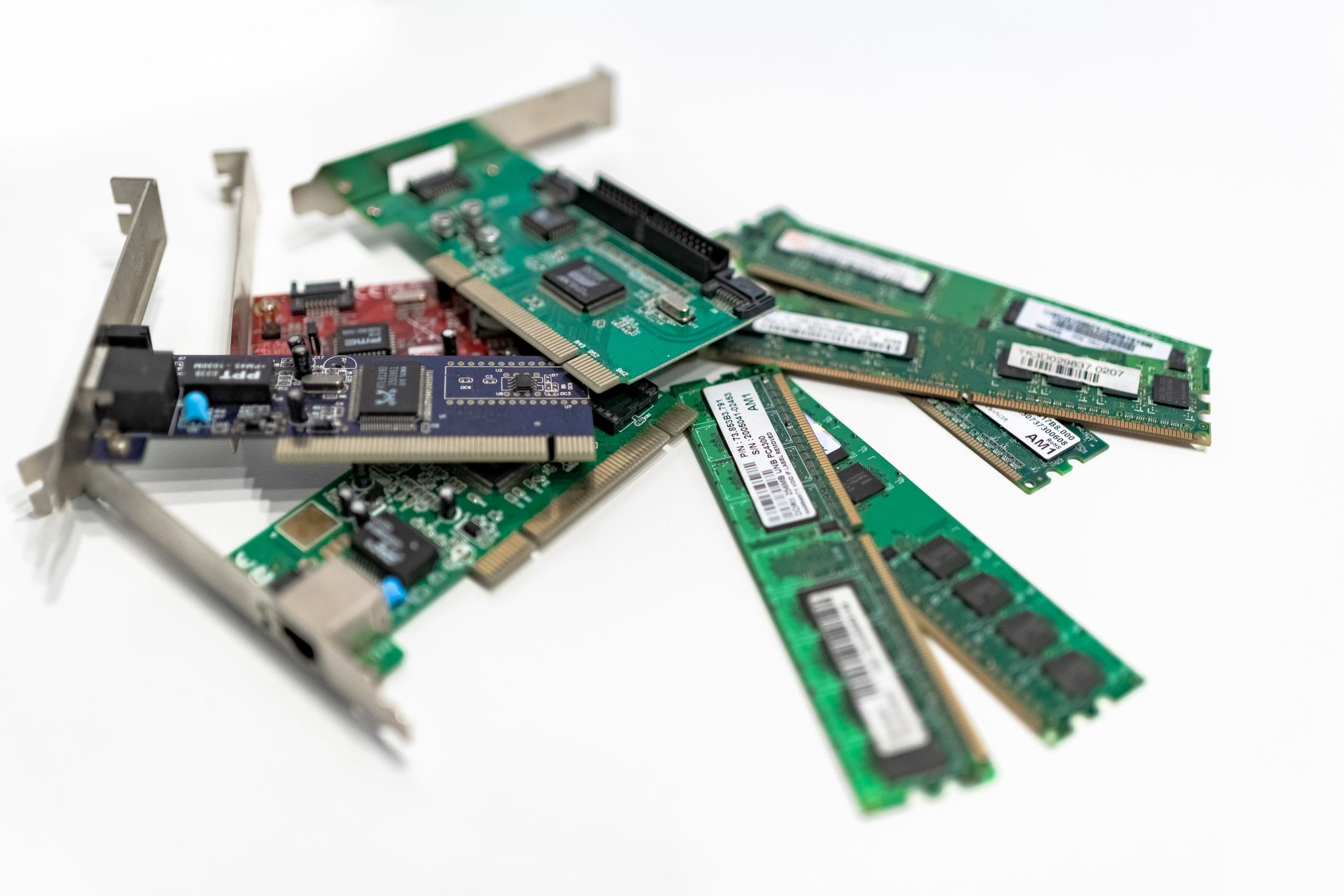
- Despite robust initial sales, an emerging global shortage of crucial memory components, particularly DRAM and NAND flash, poses a substantial threat to Apple's ability to maintain production volumes for the MacBook Neo.
- Apple is reportedly exploring multiple avenues to secure additional memory chip allocations, including negotiating long-term supply agreements with existing vendors and potentially diversifying its supplier base to mitigate risk.
- Internal discussions within Apple are intensifying around contingency plans, including potential product adjustments or staggered releases, should the memory crunch become more severe than current projections indicate.
- Analysts are closely monitoring Apple's inventory levels and supply chain resilience, as the company's performance in the coming quarters will heavily depend on its ability to navigate these complex component supply challenges effectively.
The Policy History
The MacBook Neo's introduction marked a pivotal moment for Apple's Mac division, designed to reinvigorate a product line that, while consistently profitable, faced increasing competition and a desire for fresh innovation. This new iteration was not merely an incremental update; it represented a significant leap in design, performance, and user experience, leveraging Apple's proprietary silicon to deliver unprecedented power efficiency and raw processing capabilities. The strategic intent was clear: capture a larger share of the premium laptop market and solidify Apple's reputation for cutting-edge hardware.
Historically, Apple has maintained a tight grip on its supply chain, a strategy that has often granted it a competitive advantage in terms of component sourcing and manufacturing efficiency. This meticulous approach has allowed the company to scale production rapidly for successful product launches and manage inventory effectively. The success of the MacBook Neo is a testament to this well-honed operational excellence, demonstrating Apple's capacity to bring a highly anticipated product to market with significant initial volume and widespread availability, generating immediate revenue impact.
However, even a company as adept as Apple is not immune to broader market forces. The current global semiconductor landscape, particularly concerning memory components, is fraught with volatility. Geopolitical tensions, unforeseen demand surges from other tech sectors, and the inherent complexities of advanced manufacturing have collectively created an environment where critical components like DRAM and NAND flash are becoming increasingly scarce. This looming shortage represents a significant external challenge that could undermine the otherwise stellar performance of the MacBook Neo, forcing Apple to adapt its long-standing supply chain strategies.
Who Is Affected
The primary stakeholders immediately affected by the potential memory crunch are Apple itself and its vast ecosystem of consumers. For Apple, a shortage translates directly into constrained production, leading to missed sales opportunities and a potential slowdown in the impressive revenue growth currently driven by the MacBook Neo. This could impact shareholder confidence and force a reassessment of future product roadmaps. Furthermore, the company's ability to maintain competitive pricing and promotional strategies could be hampered if component costs escalate due to scarcity.
Consumers, particularly those eagerly awaiting a MacBook Neo or planning to upgrade, will likely face extended wait times, limited configurations, or even higher prices if the supply chain issues persist. This could lead to frustration and potentially drive some customers to consider alternative brands or postpone their purchases, directly impacting Apple's market share and customer loyalty. The aspirational value of owning the latest Apple technology could diminish if availability becomes a significant hurdle, eroding the positive brand sentiment cultivated by the Neo's strong launch.
Beyond Apple and its customers, the ripple effects extend to its extensive network of suppliers and distributors. Memory chip manufacturers, while experiencing high demand, face immense pressure to scale production and prioritize allocations, potentially straining their own operations. Resellers and retailers who rely on a steady supply of MacBook Neo units for their sales targets will also feel the pinch, experiencing reduced inventory and potentially lower profits. This interconnected web means that a bottleneck in one critical area can create widespread disruption across the entire technology supply chain, highlighting the fragility of modern manufacturing.
The Case For
The initial success of the MacBook Neo unequivocally demonstrates Apple's continued prowess in product innovation and market execution. The device has resonated strongly with consumers and professionals alike, validating the significant research and development investment. This robust demand provides Apple with a strong foundation to navigate any supply chain challenges, as the underlying product appeal remains exceptionally high. The positive market reception creates a buffer, allowing Apple to potentially absorb some production delays without immediately losing significant market share, provided the delays are not excessively long.
Apple's historical track record in managing complex supply chains and its immense purchasing power offer a significant advantage in securing critical components. The company has long-standing relationships with major memory manufacturers and often negotiates favorable terms and priority allocations due to the sheer volume of its orders. This established leverage means Apple is likely better positioned than many competitors to weather a memory crunch, potentially securing components that others cannot, even if at a higher cost. Their ability to make large, strategic upfront payments for future supply is a powerful tool.
Furthermore, the strategic importance of the Mac line to Apple's overall ecosystem means the company will undoubtedly prioritize securing components for the MacBook Neo. The Mac serves as a gateway to Apple's software and services, which are increasingly vital revenue streams. Therefore, any investment or strategic maneuver to ensure continued production of the Neo, even under challenging circumstances, is a sound business decision that protects not just hardware sales but the broader Apple ecosystem. This holistic view of their business model provides additional motivation and resources to overcome obstacles.
The Case Against
While Apple's initial success with the MacBook Neo is undeniable, the looming memory shortage presents a formidable and potentially intractable challenge. Unlike localized issues, this is a global phenomenon affecting multiple industries, meaning Apple is competing with a vast array of tech giants for the same finite resources. Even with its considerable purchasing power, there's a limit to how much supply can be conjured when fundamental manufacturing capacity is constrained across the entire industry. This widespread scarcity makes it incredibly difficult for any single company, no matter how powerful, to completely insulate itself.
The memory market is notoriously volatile, with prices and availability subject to rapid shifts based on demand, geopolitical events, and manufacturing yields. Relying solely on existing supplier relationships, while beneficial, might not be enough in an unprecedented shortage scenario. Diversifying suppliers can be a lengthy process involving rigorous qualification and integration, which might not offer immediate relief. Furthermore, any significant increase in component costs due to scarcity could erode Apple's profit margins on the MacBook Neo, potentially forcing price increases that could dampen consumer demand.
Moreover, a prolonged shortage could severely impact Apple's product launch cycles and innovation pipeline. If engineering teams are forced to redesign products around available, rather than optimal, components, it could compromise performance or delay future iterations. The inability to meet demand for a highly successful product like the MacBook Neo could also damage Apple's brand reputation for seamless product availability and customer satisfaction. This could lead to a loss of momentum, allowing competitors to gain ground during a period when Apple should be capitalizing on its strong product launch.
Policy Questions Answered
Implementation Watch
The immediate focus for Apple will be on the tactical implementation of its supply chain resilience strategies. This involves daily monitoring of inventory levels, negotiating aggressively with memory suppliers, and potentially re-allocating existing component stock across different product lines to prioritize the MacBook Neo. Success in this phase hinges on the agility of Apple's procurement teams and their ability to react swiftly to market changes and secure any available memory allocations, even if they are smaller or come from non-traditional sources. The effectiveness of these short-term maneuvers will dictate near-term availability.
Longer-term, Apple must consider more fundamental shifts in its supply chain architecture. This could involve investing directly in memory manufacturing capabilities, forming deeper strategic partnerships with a broader array of component suppliers, or even exploring alternative memory technologies that are less susceptible to current market pressures. Such strategic investments would aim to reduce future dependency on a concentrated supply base and provide greater control over critical component availability, insulating the company from similar crises down the line. This requires significant capital and a long-term vision.
Furthermore, Apple's communication strategy will be crucial during this period. Transparent and timely updates to consumers and investors regarding potential delays or changes in product availability can manage expectations and maintain brand trust. How Apple navigates this challenge will not only determine the sustained success of the MacBook Neo but also serve as a critical test of its operational resilience and strategic foresight in an increasingly volatile global technology landscape. The company's ability to adapt and innovate in its supply chain will be as important as its product innovation.









Comments
No comments yet. Be the first to comment!