
At a Glance
- A multi-state cyclosporiasis outbreak has been identified, with health officials actively investigating its origins and potential links to contaminated food products.
- The Centers for Disease Control and Prevention (CDC) and state health departments are collaborating to track the spread of the parasitic infection and implement containment strategies.
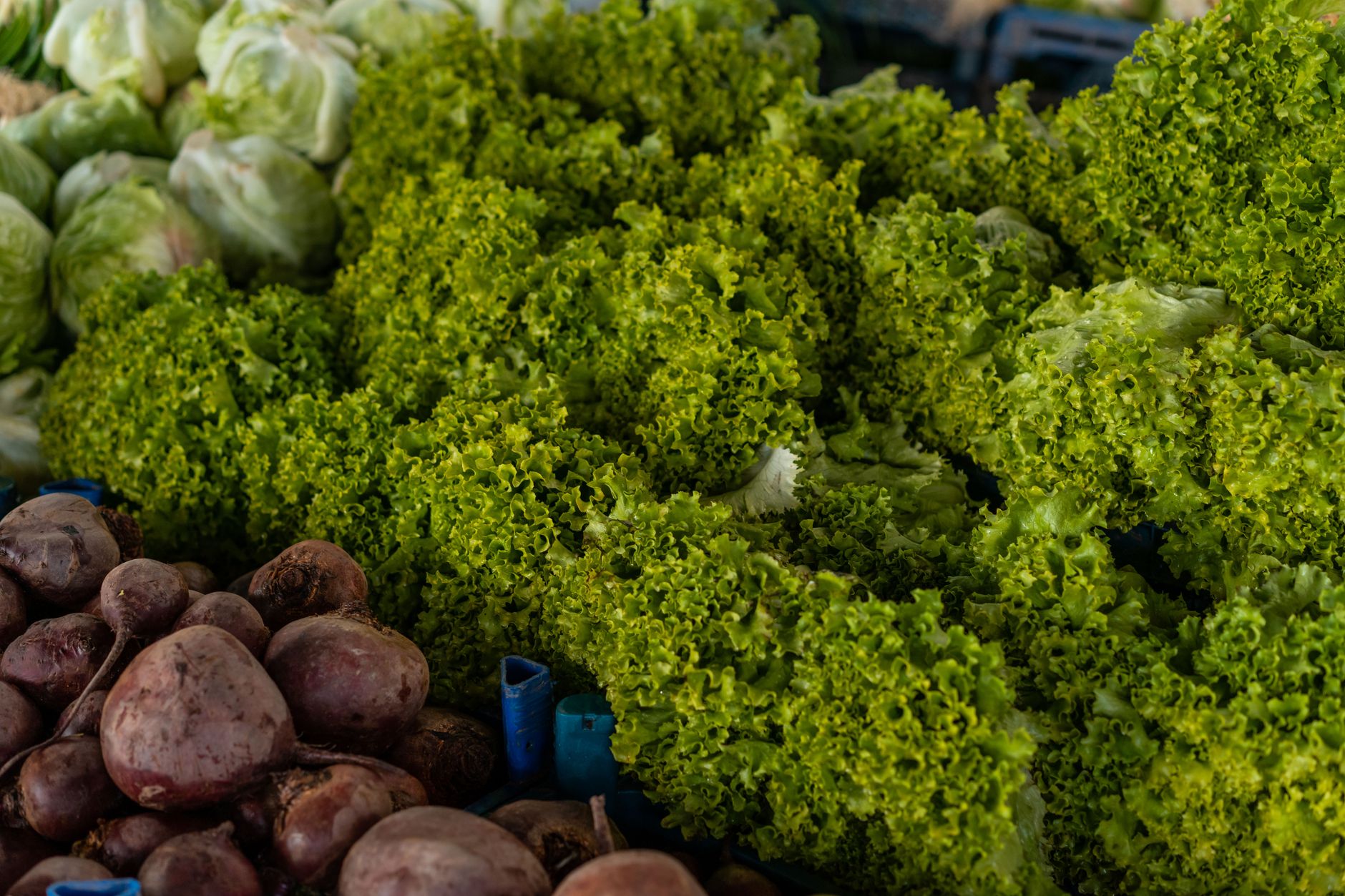
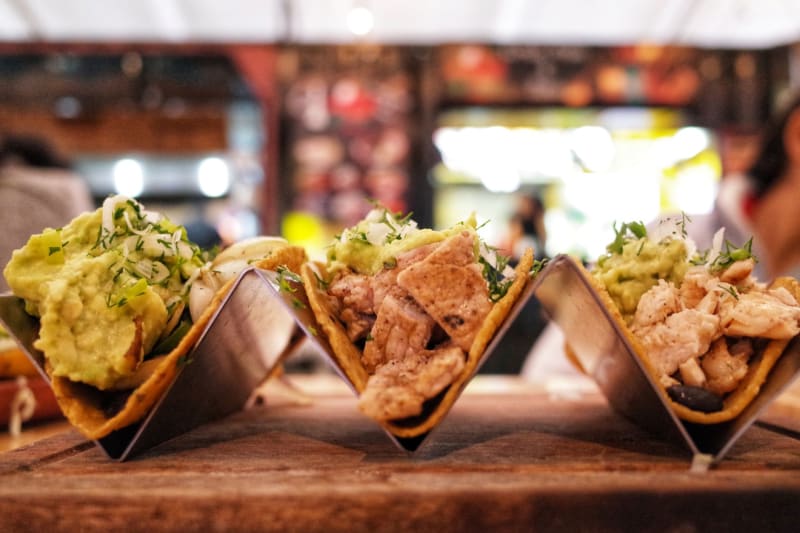
- Initial investigations have focused on lettuce served at various food establishments, particularly Taco Bell, as a potential vector for the Cyclospora parasite.
- Symptoms of cyclosporiasis include severe watery diarrhea, abdominal cramps, nausea, and fatigue, often lasting for weeks if left untreated, posing significant health risks.
- Consumers are advised to exercise caution, thoroughly wash all produce, and seek medical attention if they experience symptoms consistent with cyclosporiasis.
- The food industry faces heightened scrutiny regarding its supply chain integrity and food safety protocols, with calls for more stringent testing and traceback measures.
The Record
The current cyclosporiasis outbreak has escalated rapidly, drawing significant attention from public health authorities and consumers alike. Cyclospora cayetanensis, the microscopic parasite responsible for this illness, typically spreads through contaminated food or water. The insidious nature of this parasite means that symptoms can be severe and protracted, often requiring specific antibiotic treatment. This outbreak underscores the persistent challenges in ensuring food safety across complex supply chains, especially when dealing with fresh produce that is consumed raw.
Initial epidemiological investigations have pointed towards a common denominator: fresh produce, specifically lettuce. While the exact source within the lettuce supply chain remains elusive, the focus has intensely narrowed on restaurants, with Taco Bell emerging as a prominent establishment linked to a cluster of cases. This connection has triggered a comprehensive review of their food sourcing, handling, and preparation practices, as authorities work to pinpoint precisely where the contamination occurred. The public health imperative is to identify the contaminated batch swiftly to prevent further infections and mitigate the broader impact.
The CDC, in conjunction with state health departments, is deploying advanced traceback methods to follow the lettuce from the affected restaurants back to its original farm. This intricate process involves analyzing purchase records, distribution networks, and agricultural practices. The goal is not only to identify the immediate source of contamination but also to understand how the parasite entered the food supply, whether through contaminated irrigation water, improper hygiene practices, or other environmental factors. Such outbreaks serve as stark reminders of the vulnerability of our food systems to microbial threats and the critical need for robust preventative measures at every stage.
Who Knew and When
The first indications of an unusual surge in cyclosporiasis cases began to surface in early summer, with state health departments reporting clusters of gastrointestinal illnesses that tested positive for Cyclospora. These initial reports, often localized, quickly caught the attention of epidemiologists who recognized a pattern deviating from typical seasonal fluctuations. The early identification of these clusters was critical, allowing for a rapid escalation of the investigation and the activation of multi-state response protocols. Public health officials are trained to spot these anomalies, understanding that early detection is paramount in containing potential outbreaks.
As more cases were reported and linked through patient interviews, a common thread began to emerge: consumption of fresh produce, particularly at specific restaurant chains. The CDC’s PulseNet system, which uses DNA fingerprinting of bacteria to detect outbreaks, played a crucial role in connecting seemingly disparate cases across different states. By mid-summer, the evidence strongly suggested a widespread contamination event, leading to public health advisories and a focused investigation into the food supply chain. This timeline highlights the collaborative effort required between local, state, and federal agencies to piece together the puzzle of a multi-state outbreak.
The specific link to Taco Bell and lettuce became clearer as patient interviews consistently pointed to the fast-food giant. Once this connection was established, Taco Bell was promptly notified by health authorities, initiating their internal investigations and cooperation with federal agencies. This notification triggered a cascade of actions, including reviewing their lettuce suppliers, distribution channels, and internal food safety protocols. The speed and transparency of information sharing between public health and corporate entities are vital in these situations, enabling swift action to protect public health and prevent further spread of the illness. The public's right to know about potential risks is balanced with the need for accurate, confirmed information.
Voices from the Ground
For those who have contracted cyclosporiasis, the experience has been nothing short of debilitating. Sarah, a 34-year-old teacher from Ohio, recounted her ordeal: "It started with just feeling generally unwell, then the diarrhea hit, relentlessly. I couldn't keep anything down, and the fatigue was crushing. I missed weeks of work, and even simple tasks felt impossible. Knowing it came from something I ate at a place I trusted is incredibly frustrating and disheartening. You expect food to be safe, especially from a major chain." Her testimony reflects the severe disruption and distress caused by this parasitic infection, extending far beyond mere inconvenience.
Another affected individual, Mark, a college student in Pennsylvania, shared his frustration: "I just wanted a quick, affordable meal, and now I've spent days in bed, feeling absolutely miserable. The cramps were excruciating, and I was constantly worried about dehydration. It's not just the physical toll; there's a mental burden too, wondering if I'll ever fully trust eating out again. This whole situation makes you question the safety standards of the food we consume daily." His words highlight the erosion of consumer confidence that such outbreaks inevitably cause, impacting dining habits and trust in the food industry.
Beyond the immediate health crisis, there's a ripple effect on daily life and livelihoods. Parents have had to take time off work to care for sick children, small businesses have seen reduced patronage due to general public apprehension about food safety, and healthcare systems are strained by the influx of patients requiring diagnosis and treatment. These personal stories underscore the profound and widespread impact of foodborne illnesses, transforming abstract statistics into tangible human suffering and economic disruption. The voices of those directly affected serve as a powerful reminder of the urgent need for robust public health interventions and corporate accountability.
The Debate
The ongoing cyclosporiasis outbreak has ignited a fervent debate among public health advocates, industry stakeholders, and policymakers regarding the efficacy and enforcement of food safety regulations. Critics argue that current oversight mechanisms are insufficient, particularly for fresh produce, which often passes through numerous hands before reaching the consumer. They point to the recurring nature of these outbreaks as evidence that reactive measures are no longer enough, advocating for more proactive, farm-to-fork preventative strategies. The central question revolves around whether existing regulations adequately protect public health or if they are riddled with loopholes that allow for preventable contamination.
Industry representatives, while acknowledging the severity of the situation, often emphasize the complexity of global food supply chains and the inherent challenges in guaranteeing absolute sterility for raw agricultural products. They argue that implementing overly stringent regulations could lead to prohibitive costs, potentially impacting food affordability and availability. Instead, they advocate for enhanced collaboration, better data sharing, and targeted interventions based on scientific risk assessments. This perspective highlights the delicate balance between ensuring food safety and maintaining a viable, efficient food production system, often leading to disagreements on the most effective path forward.
The debate also extends to consumer responsibility and public awareness. Some argue that while industry and regulators bear primary responsibility, consumers also play a role by practicing safe food handling at home and being informed about potential risks. However, others counter that the onus should not be on the individual to navigate a potentially contaminated food supply, especially when eating out. This discussion underscores the multifaceted nature of food safety, involving not just regulatory frameworks and corporate practices, but also public education and individual behaviors. Ultimately, the outbreak forces a critical re-evaluation of who is responsible for what, and how best to prevent future occurrences.
Your Questions Answered
What Accountability Looks Like
Accountability in a widespread foodborne illness outbreak like this must be multifaceted, extending from the farm to the consumer's plate. For the primary source of contamination, whether it's a specific farm or a processing facility, accountability means a thorough investigation into their practices, identifying the breakdown in food safety, and implementing corrective actions to prevent future occurrences. This could involve financial penalties, mandatory training, or even temporary cessation of operations until compliance is assured. The goal is to ensure that those responsible for the initial contamination face tangible consequences for public health failures.
For companies like Taco Bell, accountability involves demonstrating full cooperation with public health investigations, transparent communication with their customers, and a commitment to reviewing and strengthening their entire supply chain. This includes rigorously auditing their suppliers, demanding higher safety standards, and potentially re-evaluating their sourcing strategies to minimize risk. Beyond immediate response, true accountability means investing in long-term preventative measures, such as advanced testing protocols and enhanced employee training, to rebuild and maintain consumer trust. Their response will be scrutinized not just by regulators, but by millions of diners.
Ultimately, government regulatory bodies like the FDA and CDC also bear a significant share of accountability. This involves ensuring that existing food safety regulations are robust, adequately enforced, and updated as new threats emerge. It also means providing sufficient resources for surveillance, outbreak investigation, and public education. The public expects these agencies to act swiftly and decisively to protect health, and any perceived failures in oversight or response will rightly lead to calls for greater accountability and reform within the regulatory framework itself. The collective effort across all these stakeholders is essential for preventing future outbreaks and safeguarding the food supply.

















Comments
No comments yet. Be the first to comment!