


What We Know
- A multi-state Cyclospora outbreak is currently active, impacting residents across at least four distinct states, signaling a widespread public health challenge that demands immediate attention and coordinated responses from health authorities.
- The Centers for Disease Control and Prevention (CDC) and state health departments are actively investigating the surge in cases, working tirelessly to pinpoint the exact origin and prevent further transmission of this parasitic infection.
- Cyclospora cayetanensis, the parasite responsible for this outbreak, is known to cause cyclosporiasis, an intestinal illness characterized by severe gastrointestinal symptoms that can persist for weeks if left untreated.
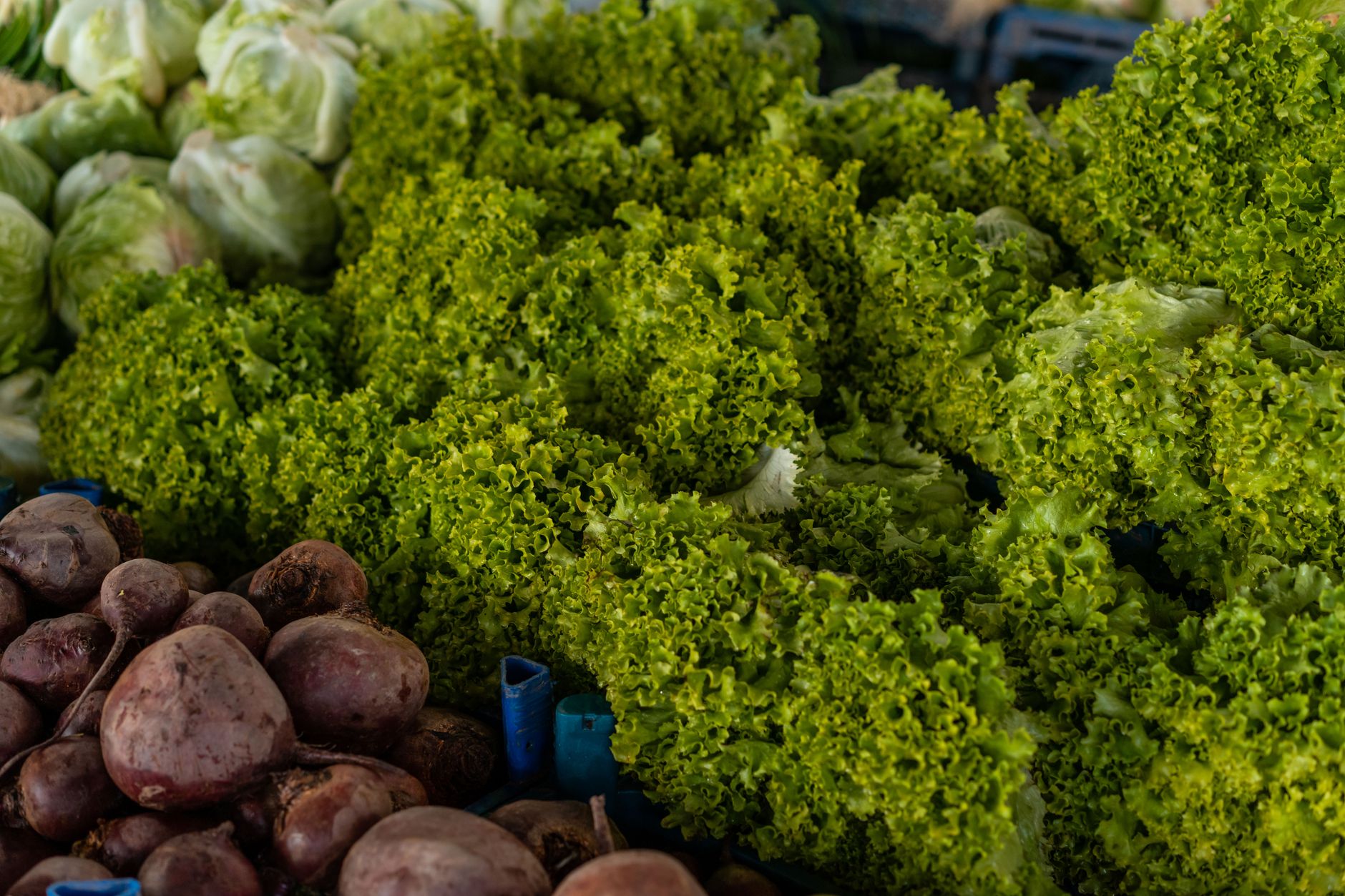
- Contaminated fresh produce, particularly items like berries, leafy greens, and herbs, has historically been implicated in Cyclospora outbreaks, making meticulous food handling and preparation crucial for public safety.
- Symptoms of cyclosporiasis typically include watery diarrhea, abdominal cramps, nausea, fatigue, and loss of appetite, often appearing about a week after exposure and potentially recurring if not properly managed.
- Public health advisories have been issued in affected regions, urging individuals to practice enhanced hygiene, thoroughly wash all produce, and seek medical attention if they experience symptoms consistent with cyclosporiasis.
What We Do Not Know Yet
- The precise source of the current Cyclospora outbreak remains unidentified, leaving investigators without a definitive link to a specific food product, farm, or distribution channel, which complicates containment efforts.
- It is still unclear whether the outbreak is linked to a single contaminated item or if multiple sources are contributing to the widespread infections across the affected states, making the investigation more complex.
- The total number of individuals affected across all four states, including potential unreported cases, is still being compiled and verified, as new reports continue to emerge and data collection progresses.
- The full geographical scope of the outbreak is not yet definitively mapped, as health officials are still assessing if additional states or regions might be impacted but have not yet reported cases.
- Specific details regarding the strain of Cyclospora involved in this outbreak, which could provide clues about its origin and potential resistance patterns, are still under laboratory analysis and awaiting confirmation.
- The exact mechanisms of contamination, whether it occurred at the farm level, during processing, or within the distribution chain, are still subjects of intense investigation, requiring extensive traceback efforts.
Background
Cyclospora cayetanensis is a microscopic parasite that causes an intestinal infection known as cyclosporiasis. This pathogen is typically transmitted through the consumption of food or water contaminated with fecal matter containing the oocysts of the parasite. Unlike many other foodborne pathogens, Cyclospora oocysts are not immediately infectious when shed in feces; they require several days to weeks in the environment to mature and become infective. This unique characteristic often means that the source of contamination can be difficult to trace, as the incubation period and environmental factors play a significant role in its transmission cycle.
Historically, Cyclospora outbreaks in the United States have frequently been linked to imported fresh produce, particularly items that are often consumed raw, such as raspberries, basil, cilantro, and various types of lettuce. These outbreaks highlight vulnerabilities in the global food supply chain, where produce from regions with less stringent sanitation practices or different agricultural methods can inadvertently introduce contaminants. The challenges of tracing these outbreaks are compounded by the complex nature of agricultural supply chains, which often involve multiple farms, distributors, and retailers before reaching the consumer's plate.
The symptoms of cyclosporiasis can be debilitating, ranging from severe, watery diarrhea to abdominal cramps, nausea, fatigue, and significant weight loss. These symptoms can persist for weeks or even months if the infection is not diagnosed and treated with appropriate antibiotics. The prolonged nature of the illness not only impacts individual health but also places a considerable burden on healthcare systems and public health resources during an outbreak. Effective public health responses rely on rapid identification, thorough epidemiological investigation, and clear communication to both healthcare providers and the general public.
Why It Matters
The escalating Cyclospora outbreak is a critical public health concern, not just for the individuals directly affected, but for the broader community. The inability to identify the source means that the contaminated product could still be circulating in the food supply, posing an ongoing risk to unsuspecting consumers. This uncertainty creates a pervasive sense of unease and underscores the urgent need for swift and decisive action from food safety authorities to protect public health and restore confidence in the food system. Every day the source remains unknown, more people are potentially exposed to this debilitating parasite.
Beyond the immediate health risks, prolonged Cyclospora infections can lead to significant economic impacts. Individuals may miss work or school for extended periods due to severe symptoms, resulting in lost wages and productivity. Healthcare systems face increased strain from diagnostic testing, treatment, and follow-up care for a growing number of patients. Furthermore, the agricultural and food industries can suffer substantial financial losses from product recalls, diminished consumer trust, and potential legal liabilities, highlighting the far-reaching consequences of such an outbreak.
This outbreak also serves as a stark reminder of the intricate vulnerabilities within our global food supply chains. The ease with which a microscopic parasite can traverse borders and contaminate widely distributed food products emphasizes the necessity for robust international cooperation and stringent food safety standards at every stage, from farm to fork. Strengthening surveillance, improving traceback capabilities, and enhancing public awareness are paramount to mitigating future outbreaks and ensuring the safety and integrity of the food we consume daily. The lessons learned from this incident must drive systemic improvements.
Timeline of Events
- Early June: Initial reports of isolated cyclosporiasis cases begin to emerge in several states, prompting local health departments to initiate preliminary investigations and gather patient data.
- Mid-June: State health officials observe an unusual clustering of cases, leading to the suspicion of a multi-state outbreak and triggering communication with the CDC to coordinate a broader response.
- Late June: The CDC officially announces a multi-state investigation into a Cyclospora outbreak, confirming cases across four states and initiating enhanced surveillance and data collection efforts.
- Early July: Public health laboratories intensify their testing efforts, confirming additional cases and working to identify common exposures among affected individuals through detailed questionnaires.
- Mid-July: Despite extensive traceback efforts and interviews with patients, the specific contaminated food item or source responsible for the outbreak remains elusive, complicating containment strategies.
- Present: Investigations are ongoing, with health authorities urging the public to remain vigilant, practice food safety, and report any symptoms to their healthcare providers as the case count continues to climb.

Rapid-Fire Q&A
What Is Coming
- Intensified traceback investigations are expected, with public health officials meticulously examining supply chains, farm records, and distribution networks to pinpoint the exact source of contamination.
- Further public health advisories and potentially specific product warnings or recalls may be issued once a definitive contaminated food item or source is identified, providing crucial guidance to consumers.
- Increased laboratory testing capacity and advanced molecular techniques will be deployed to analyze samples from patients and potential food sources, aiming to genetically link cases and identify the specific strain of Cyclospora.
- Enhanced surveillance efforts will continue across all states, with health departments actively monitoring for new cases and expanding their data collection to understand the full scope and trajectory of the outbreak.
- Collaboration between federal agencies like the CDC and FDA, along with state and local health departments, will strengthen, ensuring a coordinated and effective response to contain the spread and prevent future occurrences.
- Public education campaigns are anticipated to reinforce food safety practices, emphasizing the importance of thorough produce washing and proper hygiene to empower individuals to protect themselves and their families.

















Comments
No comments yet. Be the first to comment!