
At a Glance
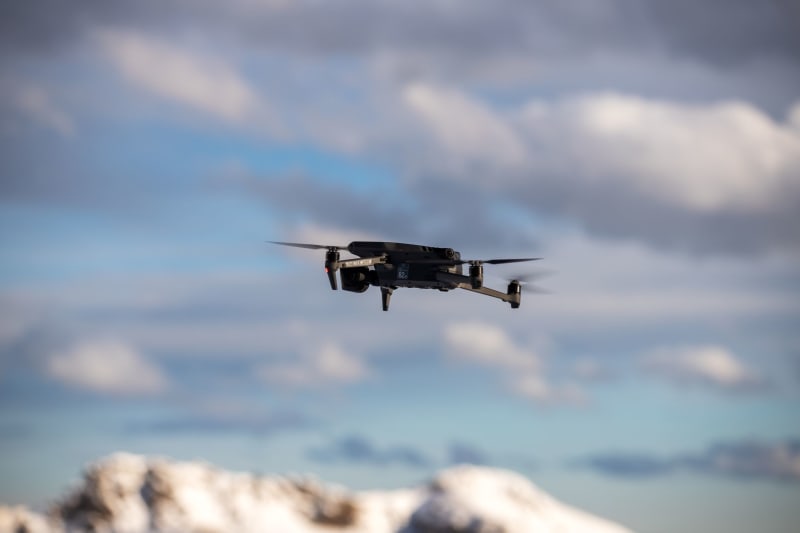
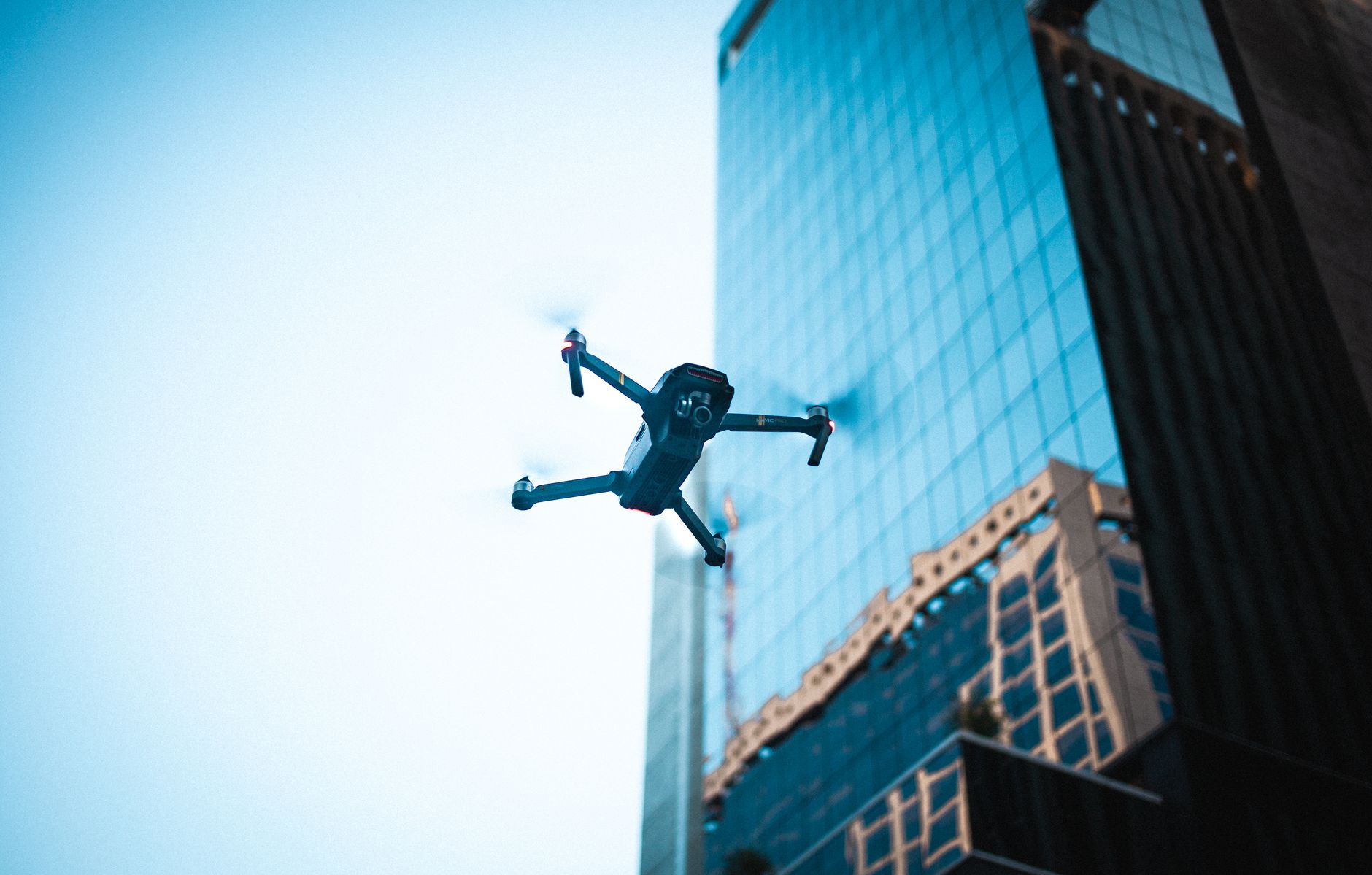
- A recent drone attack on a US military outpost in Jordan, near the Syrian border, tragically resulted in the deaths of three American soldiers and injured dozens more, marking a significant escalation in regional hostilities.
- The Biden administration has unequivocally attributed responsibility for this deadly assault to Iran-backed militia groups operating within the broader Middle East, specifically pointing fingers at the Islamic Resistance in Iraq.
- In a swift and decisive response, the United States launched a series of retaliatory airstrikes targeting over 85 sites across Iraq and Syria, hitting command centers, intelligence facilities, and weapons depots used by these Iran-aligned factions.
- These retaliatory actions are part of a broader strategy to deter further aggression against US personnel and assets in the region, signaling a firm stance against the increasing frequency and lethality of attacks.
- Iran has vehemently denied any direct involvement in the drone attack, asserting that these militia groups act independently, a claim that the US and its allies view with considerable skepticism given Tehran's extensive support network.
- The current situation significantly amplifies the risk of a wider regional conflict, drawing in various state and non-state actors and potentially destabilizing an already volatile Middle East, demanding careful diplomatic navigation.
The Record
The latest wave of US military action against Iran-backed militias in Iraq and Syria represents a critical juncture in the ongoing geopolitical struggle for influence in the Middle East. This escalation was directly triggered by a devastating drone attack on a US military base in Jordan, known as Tower 22, which resulted in the tragic deaths of three American service members and left over 40 others wounded. This incident marked the first time US soldiers have been killed by hostile fire in the region since the Gaza conflict began, immediately raising the stakes and demanding a robust response from Washington.
Following the deadly assault, President Biden and his national security team deliberated for days, carefully weighing options for retaliation. The chosen response involved a series of precise, large-scale airstrikes targeting over 85 locations associated with Iran's Islamic Revolutionary Guard Corps (IRGC) Quds Force and its proxy militias in both Iraq and Syria. These targets included command and control centers, intelligence facilities, rocket and missile storage sites, and drone production facilities, all integral to the operational capabilities of these groups. The objective was clear: to degrade their ability to launch future attacks and send an unequivocal message of deterrence to Tehran and its proxies.
The immediate aftermath of the US strikes saw a predictable chorus of condemnation from Iran and its allies, who labeled the actions as a violation of sovereignty and an act of aggression. However, the United States has maintained that these strikes were a necessary and proportionate response to protect its forces and interests in a region increasingly destabilized by the actions of these non-state actors. The broader context includes over 160 attacks on US forces since October 2023, primarily in Iraq and Syria, underscoring a persistent and growing threat that the US administration felt compelled to address with decisive military force.
Who Knew and When
The intelligence leading up to the drone attack on Tower 22 is now under intense scrutiny, with questions arising about the effectiveness of early warning systems and defensive measures. While the exact timing and nature of the specific drone strike may have been difficult to predict with absolute certainty, US intelligence agencies have long monitored the activities of Iran-backed militias in the region, understanding their capabilities and their intent to target American personnel. Reports indicate that there were indeed warnings of increased hostile activity in the days preceding the attack, suggesting a heightened threat environment that was, unfortunately, not fully mitigated.
US officials have stated that the decision to launch retaliatory strikes was made after careful consideration of intelligence assessments regarding the groups responsible and their operational infrastructure. The identification of the Islamic Resistance in Iraq as the primary perpetrator was based on a combination of signals intelligence, human intelligence, and forensic analysis of the drone's trajectory and payload. This intelligence was critical in ensuring that the US response was not only swift but also targeted, aiming to minimize civilian casualties while maximizing the impact on the militias' capabilities. The process involved extensive coordination across various intelligence and military branches.
The timing of the US response, several days after the initial attack, was a deliberate strategic choice. This delay allowed for comprehensive intelligence gathering, target identification, and diplomatic consultations with allies and partners in the region. It also provided an opportunity for the US to signal its resolve without appearing to act impulsively, aiming to project strength and careful deliberation. This measured approach was intended to avoid an immediate, uncontrolled escalation while still delivering a powerful message that attacks on American forces would not go unpunished. The overarching goal was to restore deterrence and protect US interests in a volatile operational theater.
Voices from the Ground
In the wake of the US retaliatory strikes, the sentiment among ordinary citizens in Iraq and Syria is a complex mix of fear, anger, and resignation. Many express deep concern over their countries becoming a battleground for regional and international powers, fearing that these tit-for-tat exchanges will only lead to further instability and suffering. "We are tired of being caught in the middle," lamented a resident of Baghdad, whose neighborhood was rocked by nearby explosions. "Every time there's an attack, we hold our breath, wondering if our homes will be next, if our children will be safe. This cycle of violence feels endless."
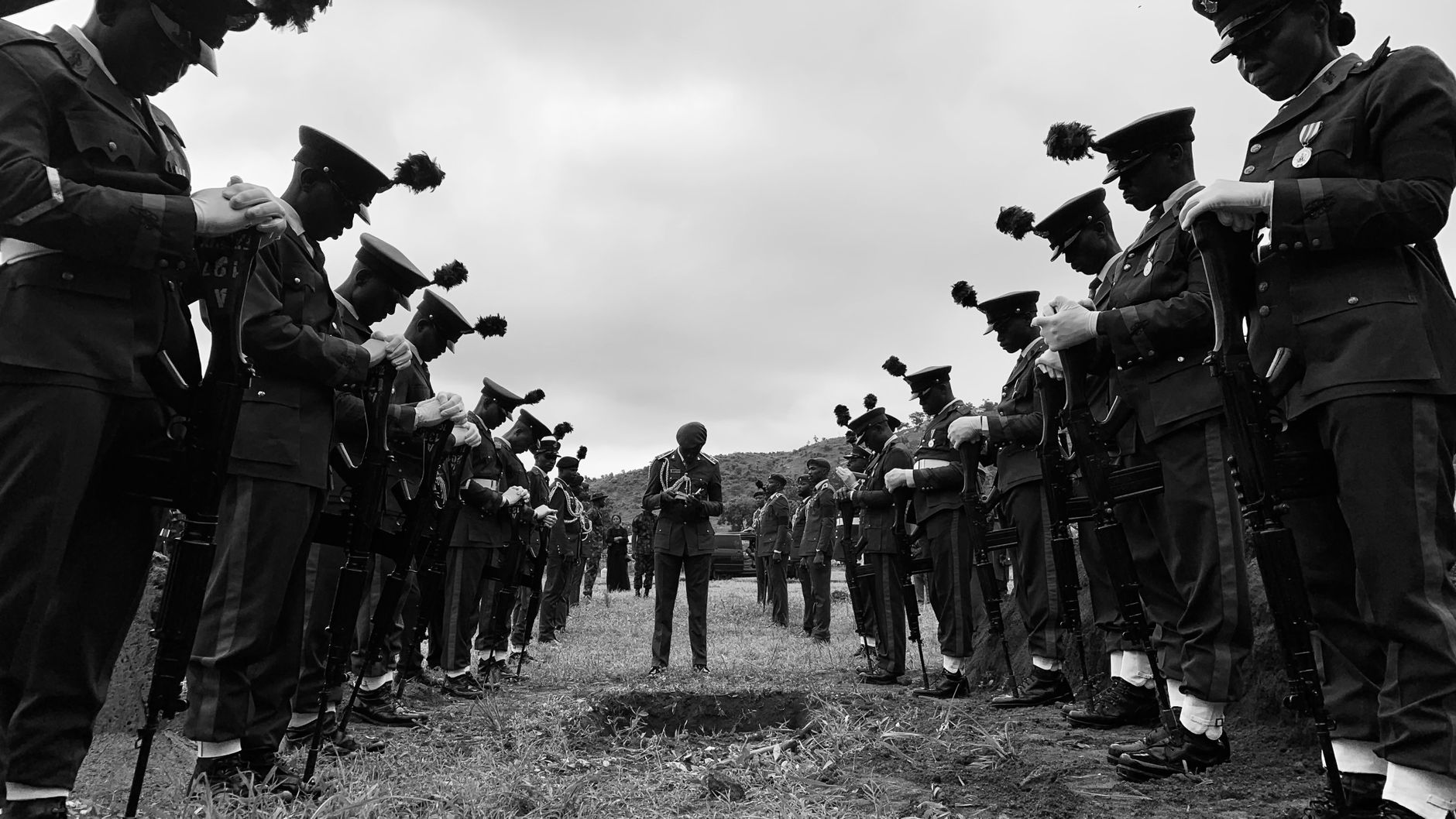
Families of the deceased American soldiers are grappling with immense grief and a desperate search for answers. Their voices, often amplified through media statements, call for accountability and a clear strategy to protect US service members stationed abroad. One family member, speaking anonymously, shared their anguish: "Our son went to serve his country, not to be a casualty in a conflict that seems to have no end. We need to know what measures are being taken to prevent such tragedies from happening again, and whether the sacrifices are truly leading to a safer world." These poignant pleas underscore the human cost of geopolitical tensions.
Local leaders and humanitarian organizations in the affected regions are also raising alarms about the potential for a humanitarian crisis. Increased military activity often disrupts aid delivery, displaces populations, and exacerbates existing vulnerabilities. "The constant threat of airstrikes, whether from one side or another, makes it incredibly difficult to provide essential services and support to communities already devastated by years of conflict," stated a representative from a Syrian aid group. "The international community must prioritize de-escalation and focus on solutions that protect civilian lives and infrastructure, rather than fueling further conflict." Their urgent calls highlight the dire ground reality.
The Debate
The US response to the drone attack has ignited a fierce debate within policy circles and among international relations experts regarding the efficacy and long-term implications of military retaliation. Proponents argue that a strong, decisive response was absolutely essential to restore deterrence and demonstrate that attacks on American personnel will not be tolerated. They contend that any perceived weakness would only embolden Iran and its proxies, leading to more frequent and more severe assaults. This perspective emphasizes the need to project power and maintain credibility on the global stage, especially in a region as volatile as the Middle East, where strategic messaging is paramount.
Conversely, critics express profound concerns that these retaliatory strikes risk an uncontrollable escalation, potentially dragging the United States into a broader regional war. They argue that military action alone rarely solves complex geopolitical problems and can often create a cycle of violence that is difficult to break. These voices advocate for a more comprehensive strategy that includes robust diplomatic engagement, economic sanctions, and a renewed focus on de-escalation talks with all relevant parties, including Iran. They warn against falling into a trap of endless military interventions that drain resources and alienate regional partners, suggesting that a purely kinetic response might be counterproductive in the long run.
Furthermore, there is a significant debate concerning the legal justification and international implications of strikes conducted within sovereign nations like Iraq and Syria without explicit consent. While the US cites self-defense, many international law experts and regional governments question the legality of such actions, particularly when they result in casualties among local forces or civilians. This aspect of the debate highlights the delicate balance between national security interests and adherence to international norms, raising questions about the precedent being set for future interventions and the erosion of state sovereignty in an already fragile region. The global community watches closely, weighing the potential for a wider, more devastating conflict.
Your Questions Answered
What Accountability Looks Like
Accountability in this complex geopolitical landscape is a multifaceted concept, extending beyond immediate military retaliation. For the United States, it involves not only punishing those directly responsible for the attack on Tower 22 but also establishing a credible deterrent against future aggression. This means demonstrating the capacity and willingness to impose significant costs on Iran and its proxies for actions that harm American personnel or interests. The goal is to reshape the risk calculus of adversaries, making them think twice before launching further attacks, thereby protecting US forces and maintaining regional stability.
From the perspective of the affected families and the broader American public, accountability also entails transparency and a thorough review of security protocols at US bases abroad. Questions about how the drone attack was able to succeed, what intelligence failures might have occurred, and what measures are being implemented to prevent similar incidents are paramount. Ensuring that lessons are learned and that necessary adjustments are made to safeguard service members is a critical component of demonstrating accountability to those who serve and their loved ones, reinforcing trust in military leadership.
For Iran and its proxy groups, accountability would ideally involve a cessation of hostile actions against international forces and a commitment to regional de-escalation. However, given the deep-seated ideological and strategic motivations driving these groups, achieving this form of accountability remains a significant challenge. International pressure, diplomatic initiatives, and sustained, coordinated efforts from global powers will be essential to compel these actors to change their behavior and contribute to a more peaceful Middle East, rather than continuing to fuel conflict and instability. The path to true accountability is long and fraught with obstacles.









Comments
No comments yet. Be the first to comment!