

What We Know
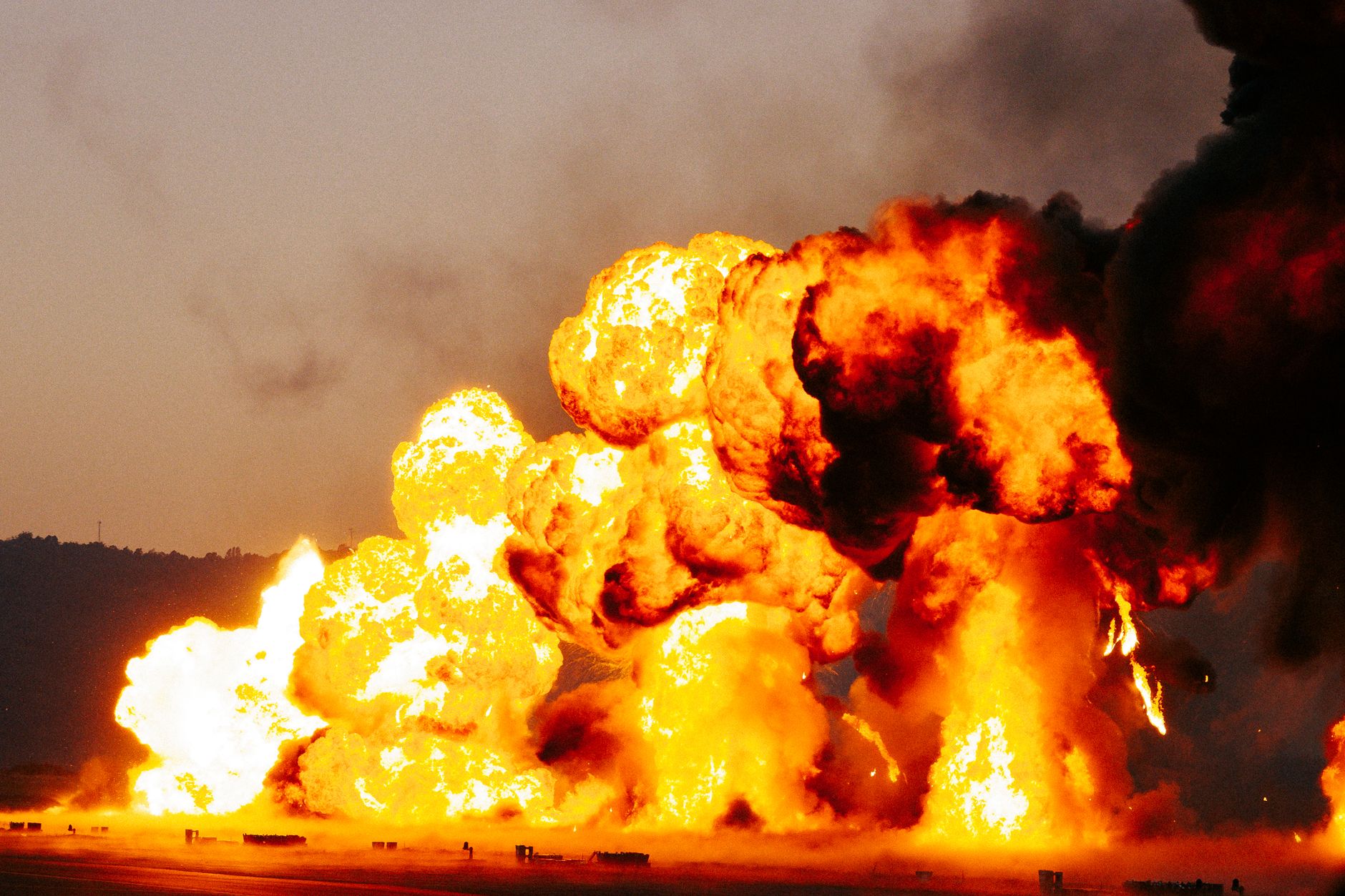
- The United States has launched its tenth round of strikes against Houthi targets in Yemen, signaling a sustained and assertive military response to ongoing threats to international shipping in the Red Sea.
- These recent strikes specifically targeted Houthi anti-ship missiles, unmanned aerial vehicles (UAVs), and radar sites, all of which have been instrumental in their attacks on commercial vessels and naval assets.
- Iran's Islamic Revolutionary Guard Corps (IRGC) commander, Hossein Salami, has publicly declared that Iran is now engaged in a 'full-scale war' against Israel and its allies, dramatically raising the stakes in the already volatile region.
- The Houthi movement, backed by Iran, has vowed to continue its attacks on commercial shipping lanes in the Red Sea, asserting these actions are in solidarity with Palestinians in Gaza and a direct response to Israeli aggression.
- The US and its allies maintain that their military actions are purely defensive, aimed at protecting freedom of navigation and deterring further Houthi aggression that threatens global trade and regional stability.
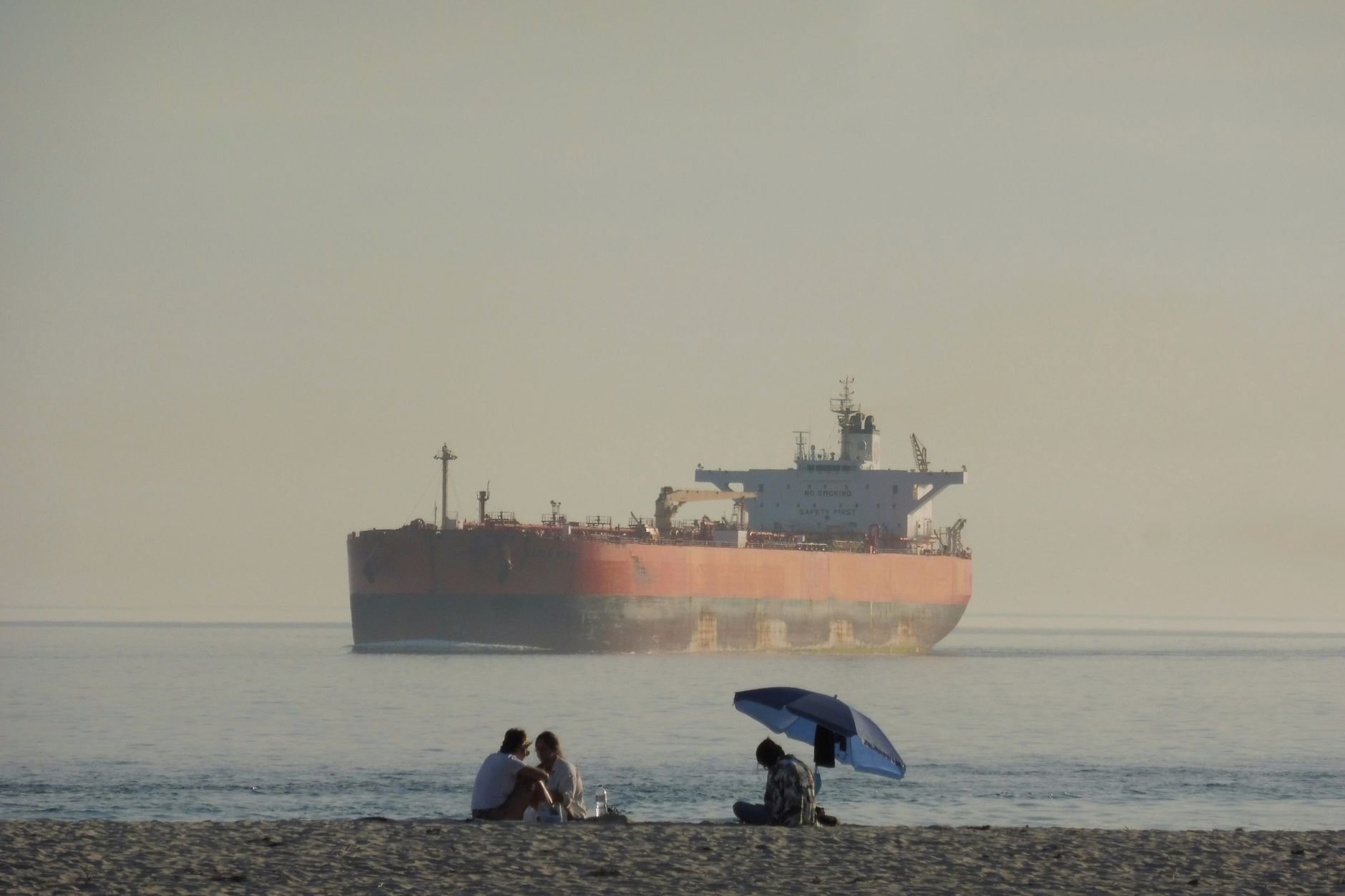
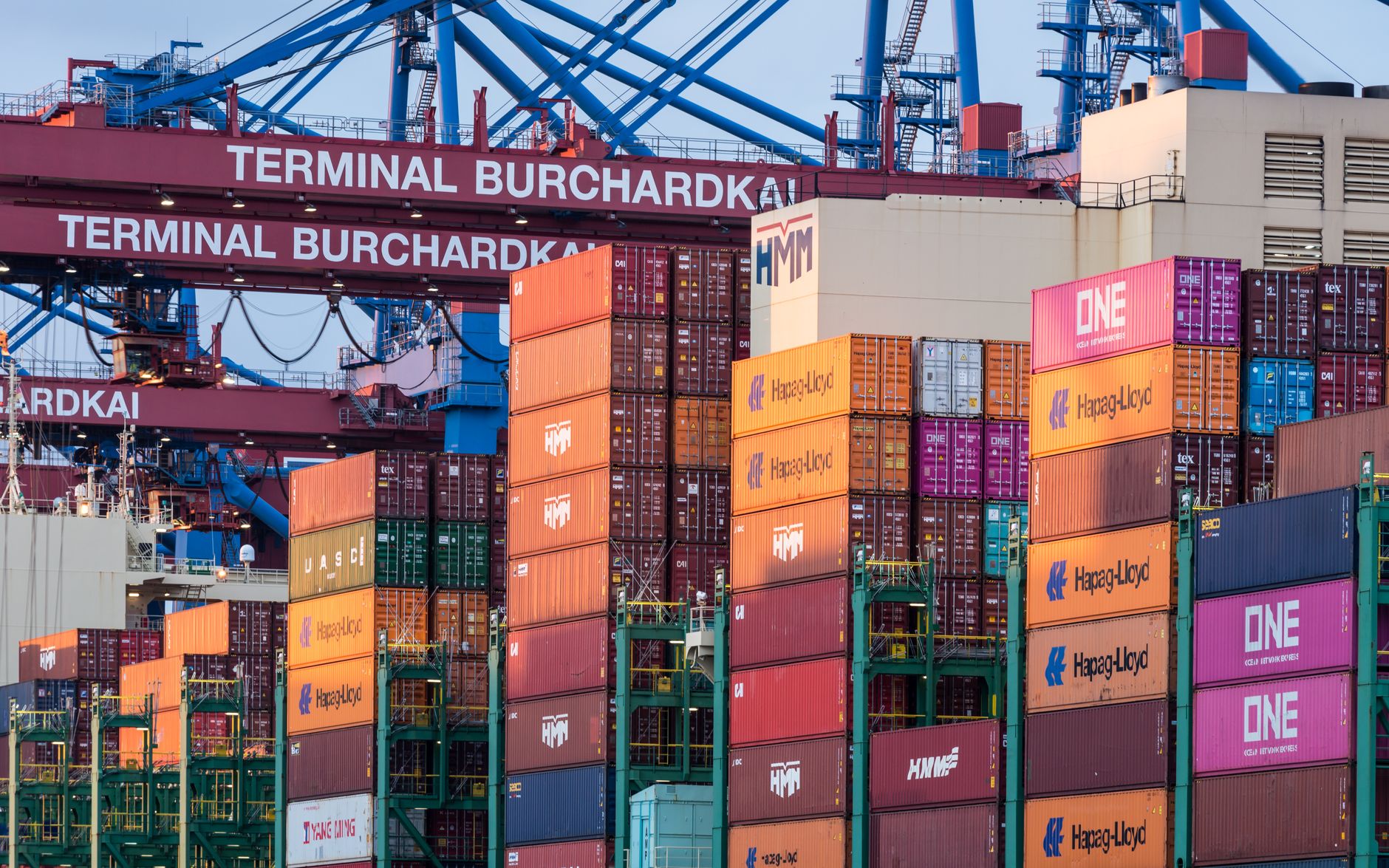
- International shipping companies are increasingly rerouting vessels around the Cape of Good Hope, incurring significant delays and increased costs, directly impacting global supply chains due to the Red Sea crisis.
What We Do Not Know Yet
- The precise long-term effectiveness of the US-led strikes in degrading the Houthi's overall military capabilities and their ability to launch future attacks against Red Sea shipping remains uncertain.
- The specific criteria or triggers that would lead to a de-escalation of hostilities from the Houthi side, or what diplomatic off-ramps might be available to resolve the current crisis, are not yet clear.
- The full extent of Iran's direct involvement and command-and-control over Houthi operations, beyond providing material support, is still a subject of intense intelligence gathering and debate among international observers.
- How the 'full-scale war' declaration by Iran will translate into concrete actions or specific military engagements, and whether this will involve direct confrontations with US or allied forces, is an open question.
- The potential for a broader regional conflict to erupt, drawing in other state and non-state actors, and the specific thresholds that could trigger such an expansion, are subjects of urgent concern and speculation.
- The economic impact of prolonged disruptions to Red Sea shipping on global inflation, energy prices, and supply chain stability, particularly for European and Asian markets, is still being assessed and could worsen significantly.
Background
The current crisis in the Red Sea is deeply rooted in the broader geopolitical landscape of the Middle East, particularly the ongoing conflict in Gaza. The Houthi movement, an Iran-backed rebel group that controls significant portions of Yemen, began launching missile and drone attacks against commercial vessels in the Red Sea in late 2023. These attacks, which they claim are in solidarity with Palestinians, have severely disrupted one of the world's most critical shipping lanes, through which approximately 12% of global trade passes. The strategic importance of the Bab el-Mandeb Strait, connecting the Red Sea to the Gulf of Aden, cannot be overstated, making any disruption here a global economic concern.
The United States, along with key allies like the United Kingdom, responded to these Houthi aggressions by forming Operation Prosperity Guardian, a multinational naval task force aimed at protecting international shipping. This initiative was quickly followed by targeted military strikes against Houthi infrastructure in Yemen, designed to degrade their capacity to launch further attacks. These strikes, now in their tenth round, represent a significant escalation in the US military's involvement in the region, moving beyond purely defensive escort missions to proactive offensive operations against Houthi assets.
Adding another layer of complexity and danger to this volatile situation, Iran's declaration of a 'full-scale war' against Israel and its allies marks a critical turning point. This rhetoric from a senior IRGC commander, Hossein Salami, signals a potential shift from proxy conflicts to more direct confrontations, raising fears of a wider regional conflagration. Iran's long-standing support for groups like the Houthis, Hezbollah, and various Iraqi militias positions it as a central player in any potential escalation, making its pronouncements particularly concerning for international stability.
Why It Matters
The escalating conflict in the Red Sea and Iran's declaration of 'full-scale war' represent a profound threat to global stability and economic prosperity. The Red Sea is a vital artery for international trade, connecting Asia and Europe through the Suez Canal. Disruptions here force shipping companies to take longer, more expensive routes around Africa, leading to increased shipping costs, delays in supply chains, and potentially higher prices for consumers worldwide. This directly impacts everything from energy supplies to consumer goods, threatening to reignite inflationary pressures in an already fragile global economy.
Beyond economic ramifications, the military escalation carries significant geopolitical risks. The repeated US strikes and Iran's aggressive posture increase the likelihood of miscalculation and unintended consequences, potentially drawing more regional and international actors into a direct conflict. A wider war in the Middle East could destabilize energy markets, trigger a humanitarian crisis of unprecedented scale, and create new waves of refugees, challenging international security frameworks and alliances. The intricate web of alliances and rivalries in the region means that a localized conflict can rapidly spiral out of control.
Furthermore, the situation underscores the growing challenge of non-state actors wielding advanced military capabilities and the complexities of countering asymmetric warfare. The Houthis, despite being a non-state entity, have demonstrated the capacity to significantly impact global commerce and challenge naval powers. Iran's explicit declaration of 'full-scale war' also signals a dangerous shift in rhetoric, potentially legitimizing more aggressive actions by its proxies and directly challenging the existing regional order. This dynamic demands a robust and coordinated international response to prevent further destabilization and protect fundamental principles of international law and freedom of navigation.
Timeline of Events
- October 7, 2023: Hamas launches a surprise attack on Israel, triggering the ongoing conflict in Gaza and setting the stage for regional escalation.
- Mid-November 2023: Houthi forces in Yemen begin launching missile and drone attacks against commercial vessels in the Red Sea, claiming solidarity with Palestinians and targeting ships linked to Israel.
- December 18, 2023: The United States announces the formation of Operation Prosperity Guardian, a multinational naval task force aimed at protecting shipping in the Red Sea from Houthi attacks.
- January 11, 2024: The US and UK launch their first joint strikes against Houthi military targets in Yemen, marking a significant escalation in response to continued attacks on shipping.
- Late January 2024: The US conducts several additional rounds of unilateral and joint strikes against Houthi missile launchers, drone sites, and radar installations, aiming to degrade their offensive capabilities.
- February 5, 2024: Iran's Islamic Revolutionary Guard Corps (IRGC) commander, Hossein Salami, publicly states that Iran is engaged in a 'full-scale war' against Israel and its allies, intensifying regional tensions.
- February 10, 2024: The US executes its tenth round of strikes against Houthi targets, continuing its campaign to neutralize threats to Red Sea navigation and deter further aggression.
- Ongoing: Major shipping companies continue to reroute vessels around the Cape of Good Hope, impacting global supply chains and increasing transit times and costs for international trade.
- Ongoing: Diplomatic efforts intensify to de-escalate the situation, though no clear path to a ceasefire or lasting resolution in either Gaza or the Red Sea appears imminent.
- Ongoing: International bodies and humanitarian organizations express grave concerns over the potential for a wider regional conflict and its devastating impact on civilian populations.

Rapid-Fire Q&A
What Is Coming
- Expect continued, and potentially intensified, US-led military operations against Houthi targets in Yemen as long as attacks on Red Sea shipping persist, aiming to further degrade their capabilities and deter future aggression.
- The rhetoric from Iran is likely to remain confrontational, and there is a high probability of increased support for its regional proxies, potentially leading to more frequent and severe attacks on Israeli and allied interests in various theaters.
- Global shipping routes will likely remain disrupted for the foreseeable future, with companies continuing to opt for longer, safer routes, which will sustain higher shipping costs and potentially impact global inflation and supply chain stability.
- Intensified diplomatic efforts, likely behind the scenes, will attempt to find off-ramps for de-escalation, particularly concerning the Gaza conflict, as it is widely seen as the primary catalyst for the Red Sea crisis.
- The risk of a wider regional conflict, drawing in more state and non-state actors, remains critically high, with any significant miscalculation or direct confrontation having the potential to trigger a broader conflagration.
- Increased scrutiny and debate within international bodies, such as the UN Security Council, are anticipated, as member states grapple with the implications of sustained military action and the breakdown of regional stability.












Comments
No comments yet. Be the first to comment!