
The Story in Brief
- The Israel Defense Forces (IDF) has unequivocally stated its readiness to resume military operations, a declaration that significantly ratchets up regional tensions and signals a potential end to the current fragile ceasefire.
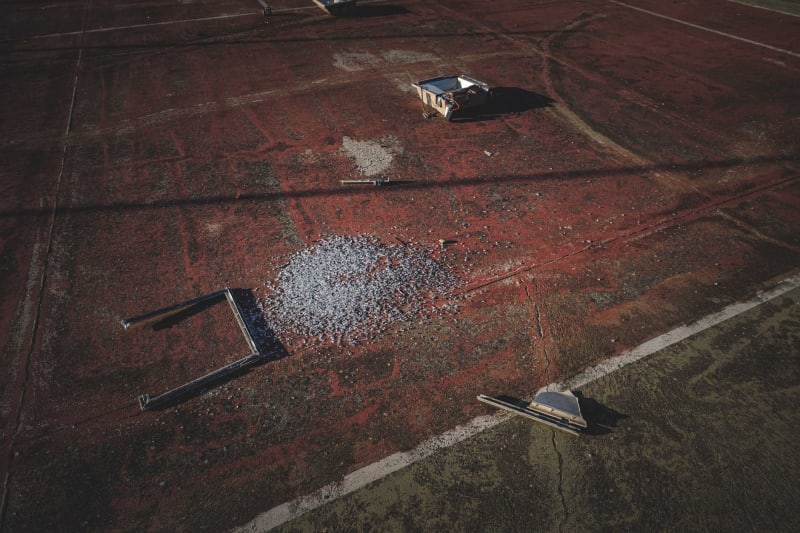
- This critical announcement comes on the heels of the discovery of debris from an Iranian ballistic missile, which reportedly crashed in the vicinity of Eilat, a strategically vital port city in southern Israel.
- The missile fragment's origin has been definitively traced back to Iran, confirming direct involvement and escalating the incident beyond a mere border skirmish to a direct confrontation with a major regional power.
- Israeli military officials have confirmed that the missile was successfully intercepted by their advanced air defense systems, preventing potential casualties and significant damage, though the debris still landed within Israeli territory.
- The incident has sparked widespread international concern, with global powers urging de-escalation and a return to diplomatic channels to prevent a full-blown regional conflict.
- This event is being viewed by analysts as a deliberate provocation by Iran, testing Israel's resolve and potentially aiming to disrupt the delicate balance of power in the Middle East.
The Human Face
For residents of Eilat, a city typically known for its vibrant tourism and serene Red Sea beaches, the discovery of missile debris brings a chilling reminder of the ever-present regional instability. Families gathered in their homes, their sense of security shattered by the news that a weapon from a hostile nation had fallen so close to their community. Children, usually oblivious to geopolitical tensions, overheard hushed adult conversations, their innocence momentarily clouded by an unspoken fear. The psychological toll of living under the constant shadow of potential conflict is immense, manifesting as heightened anxiety and a pervasive sense of vulnerability that permeates daily life.
Local businesses, already navigating the complexities of a fluctuating tourism market, now face an additional layer of uncertainty. Tour operators reported immediate cancellations, and hotel bookings saw a noticeable dip as news of the incident spread. The economic ripple effect extends beyond the immediate tourism sector, impacting local vendors, transport services, and the myriad small businesses that rely on a stable and secure environment. This incident, while militarily contained, has profound socio-economic consequences, directly affecting the livelihoods and future prospects of thousands of ordinary citizens who simply wish to live in peace and prosperity.
Community leaders and mental health professionals in Eilat are already mobilizing to address the emotional fallout. Public forums are being organized to allow residents to voice their concerns, and support services are being bolstered to help individuals cope with the stress and trauma. The resilience of the Eilat community is being tested, but there is also a palpable sense of unity and determination to overcome these challenges. Yet, the question lingers: how long can a community endure such repeated shocks before the fabric of its daily life begins to fray under the relentless pressure of regional conflict?
How We Got Here
The current heightened state of alert is the culmination of decades of simmering tensions between Israel and Iran, punctuated by proxy conflicts and direct threats. The two nations have long been locked in a geopolitical struggle for dominance in the Middle East, with Iran's nuclear ambitions and its support for various militant groups frequently clashing with Israel's security imperatives. This deep-seated animosity has manifested in numerous ways, from cyber warfare to covert operations, creating a volatile and unpredictable regional landscape where any incident can rapidly escalate into a broader confrontation. The recent missile debris discovery is not an isolated event but rather a direct consequence of this enduring and dangerous rivalry.
The specific incident involving the Iranian missile debris near Eilat can be traced back to a recent surge in regional hostilities. While a fragile ceasefire had been tenuously holding, underlying grievances and strategic maneuvers continued unabated. This particular missile launch, whether intended as a direct attack or a calculated test of Israel's defenses, represents a significant breach of any implicit understanding of de-escalation. It underscores Iran's willingness to project power and challenge Israeli sovereignty, pushing the boundaries of what was previously considered acceptable engagement. The timing of this event, following a period of relative calm, suggests a deliberate attempt to alter the regional dynamic.
The IDF's immediate and resolute response, declaring its readiness to resume fighting, is a direct consequence of this perceived Iranian aggression. For Israel, the landing of missile debris on its territory, regardless of the ultimate target, constitutes a clear act of hostility that cannot be overlooked. The military's posture reflects a strategic decision to deter further provocations and to demonstrate its capacity and willingness to defend its borders and citizens. This escalation trajectory is deeply concerning, as it risks unraveling any progress made towards regional stability and could plunge the Middle East into a more widespread and devastating conflict, with unpredictable global ramifications.
Why This Cannot Be Ignored
This incident is not merely a localized event; it carries profound implications for regional stability and global security. The direct involvement of Iran, a major regional power, in an act of aggression against Israel, an equally formidable force, signals a dangerous escalation that could easily spiral out of control. The Middle East is already a tinderbox of conflicts, and any direct confrontation between these two adversaries risks igniting a much larger conflagration, drawing in other regional actors and potentially international powers. The world cannot afford to ignore this development, as the consequences of a full-scale conflict would be catastrophic, impacting global energy markets, trade routes, and humanitarian efforts on an unprecedented scale.
Beyond the immediate military implications, this event undermines all efforts towards de-escalation and peace in the region. The fragile ceasefires and diplomatic overtures that have been painstakingly constructed are now at severe risk of collapse. When one party feels emboldened enough to launch missiles into another's territory, it erodes trust and makes future negotiations incredibly difficult. This act of aggression sets a dangerous precedent, suggesting that military posturing and direct threats are becoming acceptable tools in regional diplomacy, further destabilizing an already volatile area. The international community's silence or inaction would be interpreted as tacit approval, encouraging further provocations.
Furthermore, the incident highlights the critical need for robust international mechanisms to prevent nuclear proliferation and control the spread of advanced weaponry in the Middle East. The fact that an Iranian missile, regardless of its payload, could reach Israeli territory underscores the sophistication of Iran's military capabilities and the potential threat it poses. This situation demands a renewed focus on diplomatic pressure, sanctions, and multilateral engagement to rein in aggressive behaviors and ensure that all parties adhere to international norms. Failure to address this effectively could lead to an arms race, making the region even more perilous and increasing the likelihood of future, more devastating conflicts.
Possible Paths Forward
One immediate path forward involves a concerted diplomatic push from international actors to de-escalate the situation. This would entail global powers, particularly the United States and European Union, engaging both Israel and Iran in urgent, high-level talks. The objective would be to establish clear lines of communication, re-affirm the importance of existing ceasefires, and outline consequences for further provocations. Such diplomatic efforts could include a UN Security Council resolution condemning the missile launch and calling for restraint, or the deployment of international observers to monitor borders and prevent further incursions. The goal must be to create a framework that allows both sides to step back from the brink without losing face, emphasizing shared interests in regional stability over immediate retaliatory impulses.
Another potential trajectory, albeit a more concerning one, is a limited military response from Israel. Given the IDF's declared readiness, a retaliatory strike targeting Iranian military assets or proxy forces could be on the table. This path would be aimed at demonstrating Israel's resolve and deterring future attacks, but it carries significant risks of escalating the conflict further. Any such action would need to be carefully calibrated to avoid a full-scale war, focusing on precision strikes and clear messaging about the limited nature of the response. The international community would likely condemn such actions, but Israel may view it as a necessary measure to protect its sovereignty and citizens in the face of direct aggression.
A third, more long-term, and perhaps most challenging path involves a fundamental re-evaluation of regional security architecture. This would require sustained, multi-lateral dialogue among all key players in the Middle East, including Saudi Arabia, Egypt, and other Gulf states, to address the root causes of instability. Discussions would need to focus on arms control, non-aggression pacts, and mechanisms for conflict resolution that go beyond temporary ceasefires. While incredibly ambitious and fraught with historical animosities, this approach offers the only sustainable solution to breaking the cycle of violence. It would necessitate a willingness from all parties to compromise and prioritize collective security over individual strategic gains, a monumental task but one essential for lasting peace.
Questions People Are Actually Asking
What to Watch
- **Iranian Official Statements:** Closely monitor any official responses from Tehran regarding the missile debris and the IDF's declaration. Their tone and content will be crucial indicators of whether Iran intends to de-escalate or further escalate the situation, potentially revealing their strategic intentions.
- **Israeli Military Movements:** Observe any noticeable changes in IDF troop deployments, air force activity, or naval presence in the Red Sea and along its northern borders. These movements could signal an impending retaliatory action or a heightened state of defensive readiness.
- **International Diplomatic Engagements:** Pay attention to statements and actions from major global powers, particularly the United States, European Union, and the UN. Their diplomatic efforts, including calls for emergency sessions or new sanctions, will be vital in shaping the international response and potential mediation efforts.
- **Regional Proxy Activity:** Watch for any increased activity from Iranian-backed militant groups in Lebanon, Syria, Iraq, or Yemen. A surge in proxy attacks could indicate Iran's strategy to respond indirectly, further destabilizing an already volatile region and testing Israeli resolve.
- **Economic Indicators:** Monitor global oil prices, stock markets, and shipping insurance rates, especially those related to the Red Sea and Suez Canal. Significant fluctuations in these indicators would reflect growing market anxiety about a potential wider conflict and its impact on global trade and energy supplies.
- **Cyber Warfare Incidents:** Be alert for any reports of increased cyberattacks targeting critical infrastructure in either Israel or Iran. Cyber warfare often precedes or accompanies conventional military action and could be a less overt way for both sides to inflict damage and gather intelligence without direct confrontation.











Comments
No comments yet. Be the first to comment!