
The Story in Brief
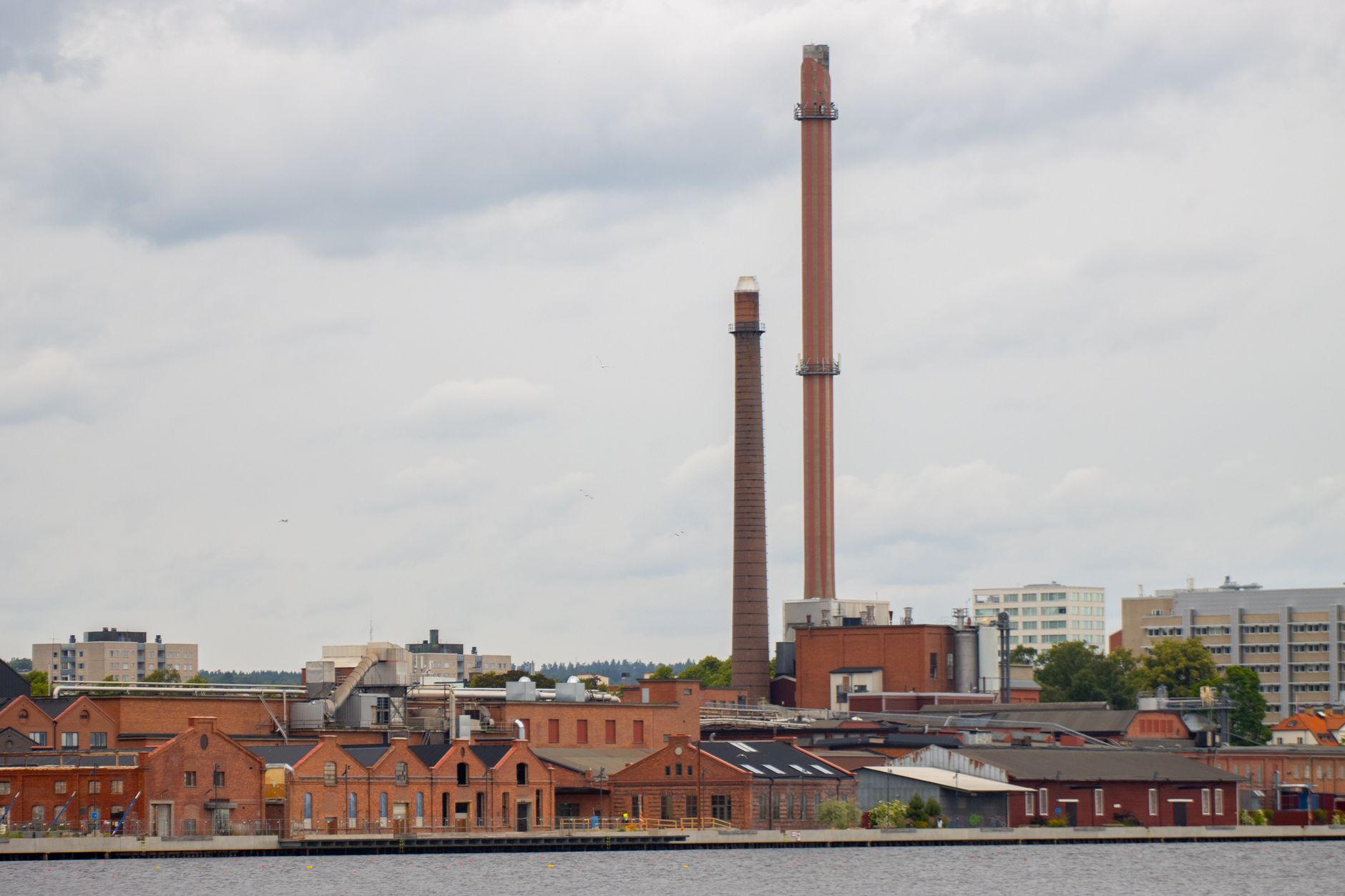
- The European Union has officially agreed to impose sanctions on six entities directly associated with Russia's military-industrial complex, marking a significant escalation in economic pressure.
- These new listings are a direct and swift response to the recent brutal missile and drone attacks that have caused widespread devastation and civilian casualties in Kyiv and other Ukrainian cities.
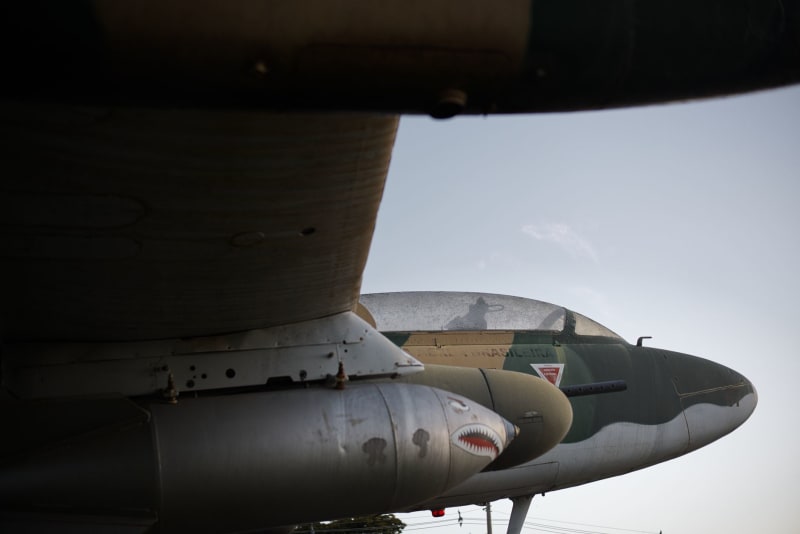
- The sanctions aim to severely impede Russia's ability to produce and procure the advanced weaponry and components essential for sustaining its ongoing aggression against Ukraine.
- This move is part of a broader strategy by the EU and its allies to dismantle the financial and logistical networks supporting the Kremlin's war machine, making it increasingly difficult for Russia to maintain its military operations.
- The targeted entities are believed to be crucial cogs in Russia's defense manufacturing and supply chains, involved in the design, production, or distribution of critical military hardware.
- EU officials emphasize that these measures are intended to send an unequivocal message that acts of aggression and targeting civilian infrastructure will be met with firm and coordinated international repercussions.
The Human Face
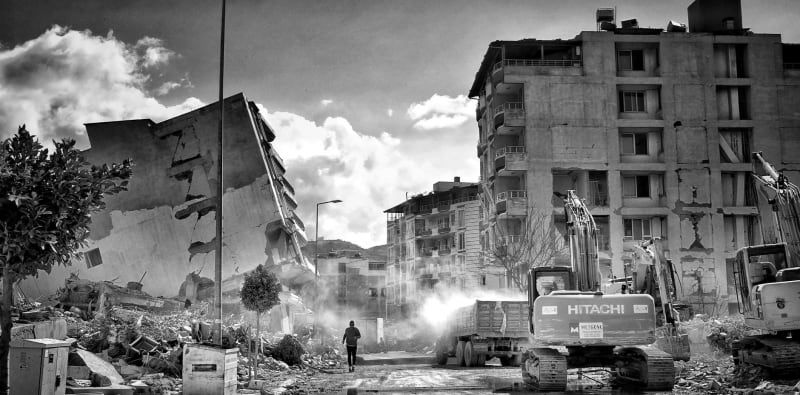
The recent barrage of missile and drone attacks on Kyiv has once again ripped through the fragile fabric of civilian life, leaving behind a trail of unimaginable devastation and profound human suffering. Families have been torn apart, homes reduced to rubble, and the sense of security that every individual deserves has been shattered. These are not merely statistics; they are lives irrevocably altered, futures tragically cut short, and communities grappling with the raw aftermath of unprovoked violence. The images emerging from Kyiv — the smoldering ruins, the frantic search for survivors, the tears of those who have lost everything — serve as a stark and painful reminder of the brutal reality of this conflict.
Children, once playing in parks, now cower in bomb shelters, their innocence stolen by the constant threat of explosions. Elderly citizens, who have already endured so much, face the terrifying prospect of losing their homes and their peace in their twilight years. Hospitals, already strained, struggle to cope with the influx of casualties, many with life-altering injuries. The psychological toll on the population is immense, manifesting as pervasive anxiety, trauma, and a deep sense of injustice. Every siren, every distant boom, reopens fresh wounds, embedding fear deeper into the collective consciousness of a nation under siege.
These sanctions, while economic in nature, are a direct response to this human tragedy. They represent an international effort to disarm the architects of this suffering, to cut off the supply lines that fuel the destruction, and to ultimately protect innocent lives. The hope is that by targeting the very infrastructure that enables these deadly strikes, the international community can help alleviate the immense human cost of this war and bring a measure of justice to those who have endured such profound loss. The human face of this conflict demands an unwavering and resolute response.
How We Got Here
The path to these latest EU sanctions is paved with months of escalating conflict and a relentless campaign of aggression by Russia against Ukraine. Since the full-scale invasion in February 2022, the European Union, alongside its international partners, has progressively implemented a series of robust economic and individual sanctions aimed at crippling Russia's war economy and isolating the Kremlin on the global stage. These measures have targeted key sectors such as finance, energy, technology, and transportation, alongside numerous high-ranking officials, oligarchs, and military personnel deemed responsible for the invasion and its atrocities. The initial rounds of sanctions were unprecedented in their scope and speed, designed to inflict immediate and severe economic pain.
Despite these extensive sanctions, Russia has continued its military operations, adapting its strategies and seeking alternative supply chains for critical components. The recent surge in missile and drone attacks on Ukrainian cities, particularly Kyiv, marked a significant and brutal intensification of the conflict. These strikes, often targeting civilian infrastructure and residential areas, have caused widespread destruction, casualties, and further humanitarian crises, prompting renewed calls for a more stringent international response. The deliberate targeting of non-military sites underscored a desperate attempt to break Ukrainian morale and infrastructure, directly leading to the EU's latest punitive actions.
The decision to specifically target six entities within Russia's military-industrial complex represents a strategic refinement of the EU's sanctions policy. Rather than broad sector-wide bans, this move focuses on specific companies and organizations directly involved in the production, procurement, or logistical support of the weapons systems used in these deadly attacks. This precision targeting aims to directly disrupt the manufacturing capabilities and supply networks that fuel Russia's aggression, making it harder for them to replenish their arsenal and sustain their offensive. This evolution in sanctions strategy reflects a continuous effort to maximize impact while minimizing unintended consequences for global markets, demonstrating a calculated and determined approach to counter Russian aggression.
Why This Cannot Be Ignored
The EU's decision to sanction six entities within Russia's military-industrial complex is far more than a symbolic gesture; it is a critical step in a prolonged economic war designed to dismantle Russia's capacity for aggression. By directly targeting the manufacturers and suppliers of the weapons used in attacks on Ukrainian cities, the EU aims to choke off the very lifeblood of Russia's war machine. This isn't just about punishing past actions; it's about preventing future atrocities. Every component, every piece of technology, and every financial transaction that supports these entities contributes directly to the destruction and loss of life in Ukraine. Ignoring these connections would be tantamount to tacitly enabling the continuation of the conflict, a morally untenable position for democratic nations.
These sanctions also carry significant geopolitical weight, signaling to Moscow that the international community remains united and resolute in its opposition to unprovoked aggression. The consistent application and escalation of sanctions demonstrate that there will be no normalization of relations while Russia continues its war. This sustained pressure is vital for upholding international law and the principle of national sovereignty, which are foundational to global stability. If such blatant disregard for these principles were to go unchecked, it would set a dangerous precedent, inviting further destabilization in other regions and undermining the entire post-World War II international order.
Furthermore, the effectiveness of these sanctions directly impacts the humanitarian crisis unfolding in Ukraine. Disrupting Russia's ability to produce and deploy missiles and drones could directly reduce the frequency and intensity of attacks on civilian areas, thereby saving lives and mitigating further displacement and suffering. This action is a tangible measure of support for the Ukrainian people, demonstrating that their plight is not forgotten and that concrete steps are being taken to alleviate their immense burden. The long-term implications of these sanctions also extend to Russia's economic future, ensuring that the cost of aggression far outweighs any perceived gains, ultimately aiming to compel a change in behavior and a peaceful resolution to the conflict.
Possible Paths Forward
Looking ahead, the European Union has several potential avenues for further action to enhance the impact of its sanctions regime and bolster support for Ukraine. One critical path involves intensifying intelligence sharing and enforcement efforts to identify and disrupt illicit supply networks that Russia might be using to circumvent existing sanctions. This could include closer collaboration with third countries to prevent the transshipment of sanctioned goods and technologies through their territories. Strengthening customs controls and leveraging advanced data analytics to track suspicious trade flows would be paramount. The goal is to close any remaining loopholes and ensure that the targeted entities truly feel the full force of the international economic blockade, making it increasingly difficult for them to acquire necessary components for their military production.
Another significant direction involves expanding the scope of sanctions to include more individuals and entities directly or indirectly supporting Russia's war effort. This could encompass financial institutions facilitating these transactions, technology companies providing dual-use goods, or even individuals involved in propaganda and disinformation campaigns. The EU could also explore sector-specific sanctions on industries still providing significant revenue streams to the Russian state, provided these measures can be implemented without undue harm to the global economy. Furthermore, coordinating these efforts even more closely with global partners like the G7, the United States, and the United Kingdom would maximize their collective impact, presenting a united front against Russian aggression and ensuring that there are few safe havens for sanctioned activities.
Beyond sanctions, the EU must continue to explore diplomatic solutions, however challenging they may seem. While military and economic pressure is vital, a sustainable peace will ultimately require negotiation. This involves maintaining open, albeit firm, channels of communication, and being prepared to engage in dialogue when conditions are conducive to a just and lasting peace, respecting Ukraine's sovereignty and territorial integrity. Simultaneously, the EU must double down on its long-term commitment to rebuilding Ukraine, providing substantial financial aid, technical assistance, and expertise to help the country recover from the devastating war. This multifaceted approach, combining punitive measures with diplomatic engagement and reconstruction efforts, represents the most comprehensive path forward for addressing the ongoing crisis and fostering stability in the region.
Questions People Are Actually Asking
What to Watch
- **Russian Countermeasures and Adaptations:** Observe how Russia attempts to circumvent these new sanctions. This includes monitoring for new illicit trade routes, the use of shell companies, or increased reliance on domestic production or alternative suppliers from non-sanctioning countries. Russia's ability to adapt will be a key indicator of the sanctions' long-term effectiveness.
- **EU Enforcement Effectiveness:** Pay close attention to the EU's capacity to enforce these sanctions. This involves tracking the success rate of asset freezes, the prevention of financial transactions, and the prosecution of individuals or entities found to be in violation. Robust enforcement is crucial for the sanctions to have their intended impact and deter future circumvention attempts.
- **Impact on Russian Military Production:** Look for any verifiable evidence of a slowdown or disruption in Russia's military manufacturing capabilities. This could manifest as delays in weapons deliveries, a decrease in the quality or quantity of new military equipment, or public statements from Russian officials acknowledging production challenges. Such indicators would confirm the sanctions are hitting their mark.
- **Ukrainian Battlefield Developments:** Monitor the situation on the ground in Ukraine, particularly regarding the frequency and intensity of missile and drone attacks. While not solely attributable to sanctions, a sustained reduction in such attacks could indirectly suggest that Russia's ability to replenish its arsenal is being hampered by the economic pressure.
- **International Sanctions Coordination:** Observe if other international partners, such as the United States, United Kingdom, or G7 nations, introduce similar or complementary sanctions. Coordinated international action amplifies the pressure on Russia and reduces opportunities for circumvention, making the overall sanctions regime more potent and difficult to evade.
- **Humanitarian Situation in Ukraine:** Continue to track the humanitarian impact of the conflict. While sanctions aim to reduce Russia's military capacity, the ongoing destruction and displacement underscore the urgent need for sustained humanitarian aid and reconstruction efforts, regardless of the sanctions' immediate military effects.









Comments
No comments yet. Be the first to comment!