

Key Takeaways
- Iran has issued thinly veiled threats against its Arab neighbors, warning of potential repercussions if they continue to host U.S. military forces involved in recent strikes.
- The United States has significantly ramped up its military operations in the region, targeting Iranian-backed militias in Iraq and Syria following attacks on U.S. personnel.
- Regional stability is critically jeopardized as these escalating actions risk drawing more nations into a wider, potentially devastating conflict that could have global ramifications.
- The implicit message from Tehran suggests that any nation perceived as aiding U.S. aggression could face direct or indirect retaliation, intensifying security concerns for Gulf states.
- Washington's increased military posture aims to deter further attacks on its forces and assets, but it concurrently elevates the risk of miscalculation and unintended escalation.
- International efforts are urgently needed to de-escalate tensions and prevent the current tit-for-tat exchanges from spiraling into a full-blown regional conflagration.
Background
The Middle East has long been a crucible of geopolitical tensions, but recent developments mark a particularly perilous chapter. The current surge in hostilities can be traced to a series of attacks on U.S. military bases and personnel across Iraq and Syria, which Washington attributes directly to Iranian-backed militia groups. These provocations have prompted a robust, retaliatory response from the United States, signifying a clear shift towards a more assertive military posture in the region. This cycle of attack and counter-attack has created a volatile environment where the risk of miscalculation is exceptionally high, pushing the region closer to a broader conflict.
Iran's strategic calculus in the region is complex, driven by a desire to project power, counter perceived American and Israeli aggression, and support its network of proxies. Tehran views the presence of U.S. forces in neighboring Arab states as a direct threat to its national security and regional influence. The recent warnings from Iranian officials, while not explicitly naming countries, are clearly directed at nations like Saudi Arabia, the UAE, and Qatar, which host significant U.S. military installations. These warnings are designed to create friction between these Arab states and their American allies, potentially forcing them to reconsider their security arrangements.
Historically, Iran has utilized proxy forces to extend its reach and exert pressure without direct military confrontation, a strategy often referred to as 'asymmetric warfare.' This approach allows Tehran to deny direct involvement while still achieving its strategic objectives. The current situation, however, suggests a potential shift towards more direct threats, indicating a heightened level of frustration and a willingness to escalate. The U.S. military response, including precision strikes against militia command centers and weapons depots, aims to degrade these capabilities and restore deterrence, but it also risks provoking further, more severe retaliation from Iran or its proxies.
Why It Matters
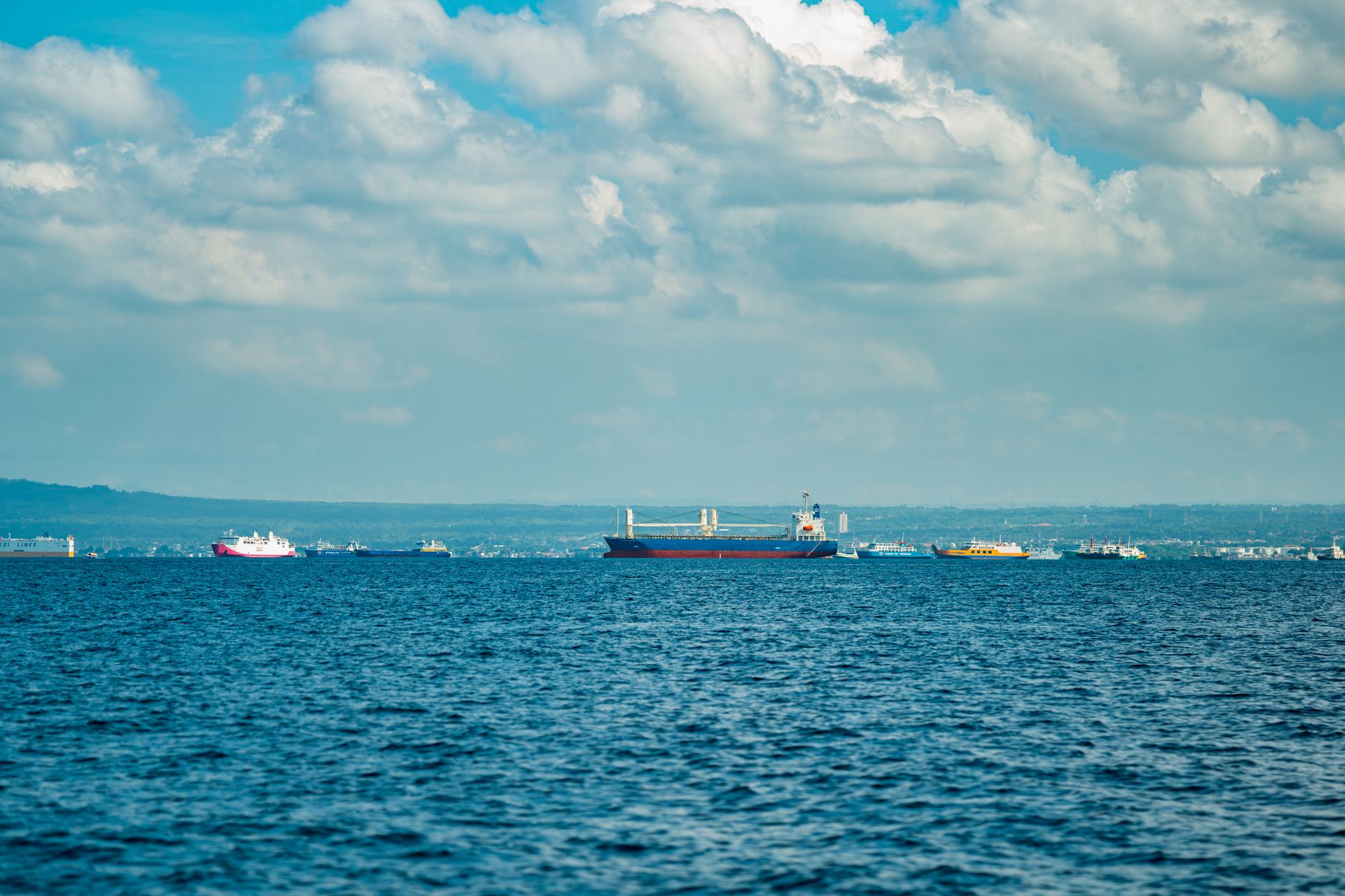
The escalating rhetoric and military actions in the Middle East are not merely a regional concern; they pose a significant threat to global stability and economic security. The Persian Gulf is a critical artery for international oil and gas shipments, and any major disruption could send shockwaves through global energy markets, triggering price spikes and economic instability worldwide. A broader conflict involving major regional players and external powers would have devastating humanitarian consequences, creating new refugee crises and exacerbating existing ones, further straining international resources and diplomatic efforts. The intricate web of alliances and rivalries means that a localized conflict could quickly spiral out of control, drawing in an array of actors with differing agendas and capabilities.
For the Arab neighbors of Iran, particularly those in the Gulf Cooperation Council (GCC), the situation is acutely concerning. These nations rely heavily on U.S. security guarantees and host American military bases, making them potential targets in any direct or indirect confrontation with Iran. The Iranian threats place them in an unenviable position, caught between their strategic alliance with the United States and the immediate geographical reality of their powerful neighbor. Maintaining this delicate balance requires astute diplomacy and robust defense capabilities, as they navigate the treacherous waters of regional power politics while trying to safeguard their own sovereignty and economic prosperity.
Furthermore, the current trajectory risks undermining years of diplomatic efforts aimed at de-escalating tensions and fostering regional dialogue. The potential for miscalculation or accidental engagement is alarmingly high, with each retaliatory strike increasing the probability of a larger, unintended conflict. This instability could also empower extremist groups, who often thrive in environments of chaos and state weakness, further complicating the security landscape. The international community has a profound interest in preventing a full-scale regional war, necessitating urgent and coordinated diplomatic interventions to pull the region back from the brink.
Ground Reality
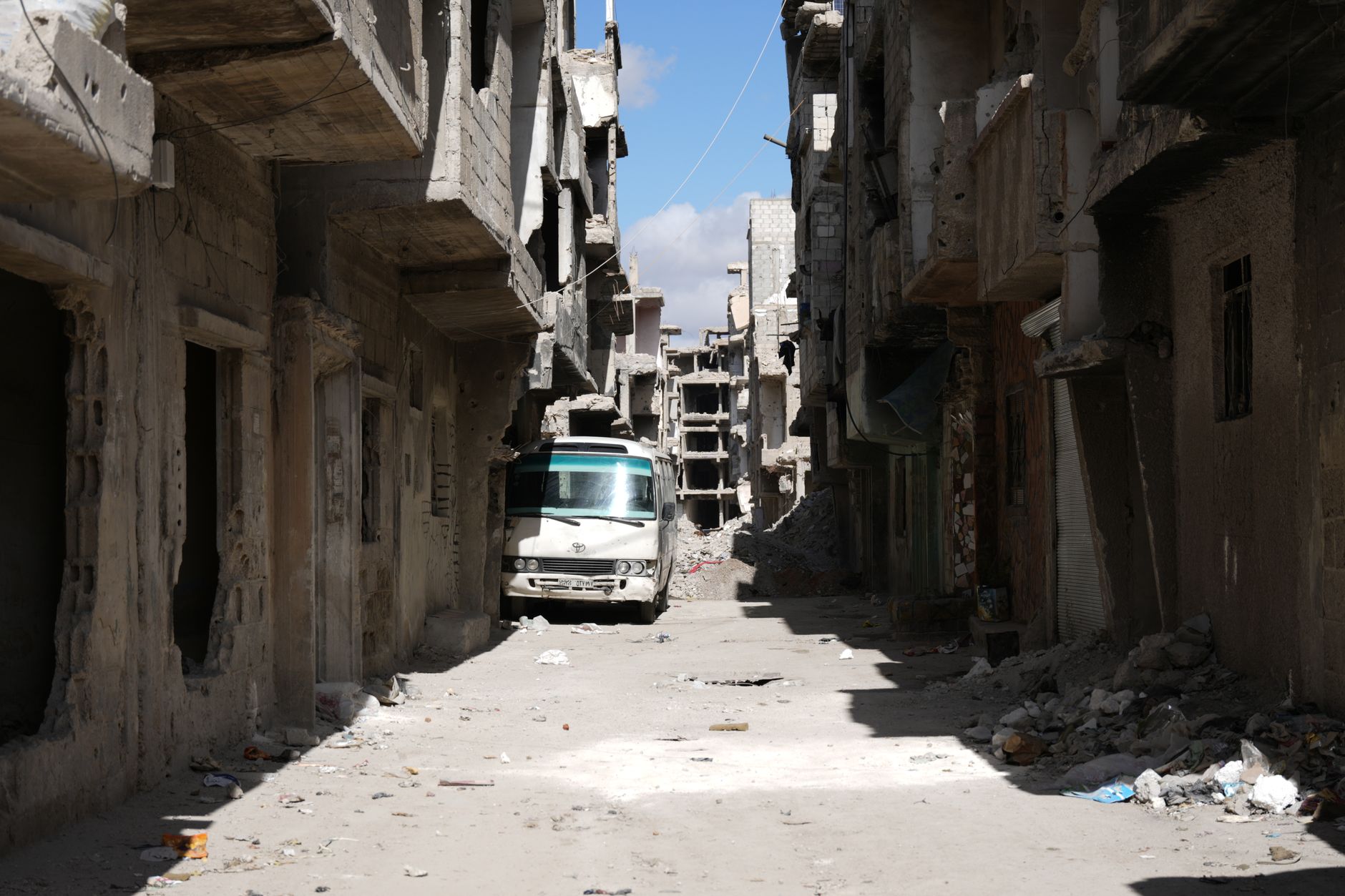
On the ground, the situation is characterized by a palpable sense of unease and heightened military readiness. U.S. forces in Iraq, Syria, and across the Gulf have reinforced their defensive postures, deploying additional air defense systems and increasing surveillance. Local populations, particularly in Iraq and Syria, are living under the constant shadow of potential conflict, with many fearing that their countries will once again become battlegrounds for proxy wars. The recent U.S. strikes have targeted specific militia strongholds, but the collateral damage and the psychological impact on civilians are significant, contributing to widespread anxiety and calls for de-escalation from various local leaders.
Iran's military and security apparatus, including the Islamic Revolutionary Guard Corps (IRGC) and its Quds Force, remain highly active, continuing to support and coordinate with various armed groups across the region. These groups, often referred to as the 'Axis of Resistance,' include Hezbollah in Lebanon, various Shiite militias in Iraq, and the Houthis in Yemen. The ground reality is that these proxies are well-entrenched and capable of launching significant attacks, making them a persistent threat to U.S. interests and regional stability. Their operational capabilities are a direct extension of Iran's strategic depth, complicating any direct military response.
In response to the threats, several Arab nations have privately, and in some cases publicly, reaffirmed their commitment to their security partnerships with the United States. However, there is also an underlying current of apprehension, as these nations are acutely aware of their geographical proximity to Iran and the potential for direct retaliation. The delicate balance involves maintaining robust deterrence while simultaneously seeking avenues for de-escalation and diplomatic engagement. The ground reality is a complex tapestry of military posturing, diplomatic maneuvering, and the constant threat of an incident spiraling into a broader, uncontrollable conflict.
What Experts Are Saying
Security analysts are largely in agreement that the current situation represents one of the most dangerous periods of U.S.-Iran tension in recent memory. Dr. Sarah J. Phillips, a Middle East security expert at the University of London, notes, "Tehran's warnings are a clear attempt to fragment the U.S.'s regional alliances and pressure Arab states into distancing themselves from Washington's military operations. This strategy aims to reduce the operational space for U.S. forces and complicate future retaliatory strikes, thereby enhancing Iran's own strategic leverage." She emphasizes that while the threats are serious, they also reflect Iran's awareness of its own vulnerabilities.
Many experts highlight the risk of miscalculation as the primary driver of potential escalation. Dr. Michael Eisenstadt, Director of the Military and Security Studies Program at The Washington Institute, suggests, "Both sides are operating under significant constraints and pressures. The U.S. wants to restore deterrence without igniting a full-scale war, while Iran seeks to push back against U.S. presence without inviting overwhelming retaliation. The danger lies in either side misjudging the other's red lines or capabilities, leading to an unintended escalation that neither truly desires but finds itself unable to control." This delicate dance on the precipice is a recurring theme in expert analysis.
Furthermore, regional specialists point out that the domestic political situations in both Iran and the United States play a role in the current dynamics. Dr. Trita Parsi, Executive Vice President of the Quincy Institute for Responsible Statecraft, argues, "Hardliners in Tehran gain strength from perceived American aggression, allowing them to consolidate power and justify their regional policies. Similarly, in Washington, a tough stance against Iran often garners bipartisan support, making de-escalation politically challenging. This internal dynamic on both sides makes finding an off-ramp incredibly difficult, and the regional actors are caught in the middle of this larger geopolitical struggle." The interplay of internal politics and external aggression creates a complex and dangerous feedback loop.

Frequently Asked Questions
What Happens Next
The immediate future of the Middle East hangs precariously in the balance, with several potential trajectories. One likely scenario involves a continued cycle of limited strikes and counter-strikes, where both the U.S. and Iran, along with their proxies, engage in calibrated actions designed to signal resolve without triggering an all-out war. This 'managed escalation' is inherently risky, as any misstep could quickly spiral out of control. The U.S. will likely continue to target militia infrastructure, while Iran may respond with indirect actions or further threats, testing the resolve of its adversaries and their regional allies. The focus will be on maintaining deterrence while avoiding a full-scale confrontation.
Diplomatic efforts, though currently overshadowed by military actions, are crucial and will likely intensify behind the scenes. International powers, including European nations and the United Nations, will undoubtedly exert pressure on all parties to de-escalate and seek a diplomatic resolution. These efforts will aim to establish clearer communication channels, reduce the risk of miscalculation, and potentially explore avenues for a broader regional security dialogue. However, given the deep-seated mistrust and conflicting interests, any breakthrough in diplomacy will be challenging and require significant concessions from multiple actors.
The role of Iran's Arab neighbors will also be critical. They face increasing pressure to navigate their alliances with the U.S. while managing the direct threat from Iran. Some may seek to quietly enhance their own defensive capabilities and diversify their security partnerships, while others might explore channels for direct or indirect communication with Tehran to de-escalate tensions. The coming weeks will reveal whether the region can collectively find a path toward stability or if the current trajectory will lead to a more profound and destructive conflict, reshaping the geopolitical landscape for years to come.








Comments
No comments yet. Be the first to comment!