
At a Glance
- The global economy has demonstrated surprising resilience, consistently outperforming pessimistic forecasts despite a confluence of geopolitical and economic headwinds.
- Major conflicts in Eastern Europe and the Middle East, alongside persistent trade protectionism, have failed to derail overall economic growth, challenging conventional wisdom about global stability.
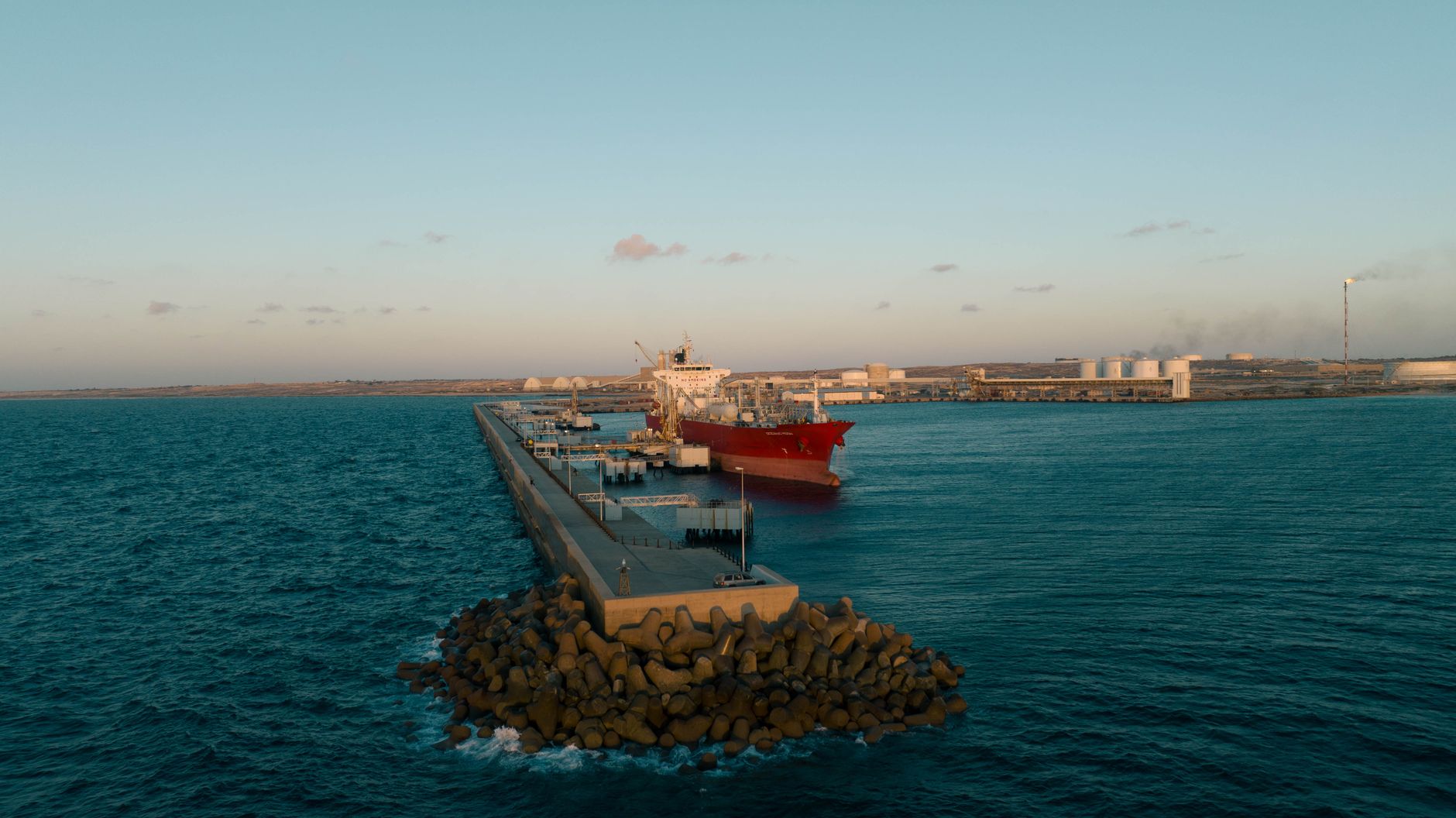
- Energy markets, particularly oil, have experienced significant volatility, yet the broader economic system has absorbed these shocks without succumbing to widespread recessionary pressures.
- Strong labor markets in key economies, coupled with robust consumer spending, continue to act as crucial buffers against external disruptions, providing a foundational layer of stability.
- Technological advancements and digital transformation are driving productivity gains and opening new avenues for growth, contributing to the economy's adaptive capacity even in turbulent times.
- Central banks' agile monetary policy responses, including targeted interventions and interest rate adjustments, have played a pivotal role in mitigating risks and fostering a degree of financial stability.
The Record
For years, economists and policymakers have braced for the inevitable downturn, predicting that the cumulative weight of geopolitical strife, trade wars, and commodity price shocks would finally tip the global economy into recession. Yet, time and again, these dire forecasts have proven overly pessimistic. The world economy has consistently defied expectations, exhibiting a remarkable capacity for resilience that has left many analysts scrambling to update their models and re-evaluate their assumptions. This persistent strength, even in the face of unprecedented challenges, suggests a fundamental shift in how global economic systems absorb and adapt to external pressures.
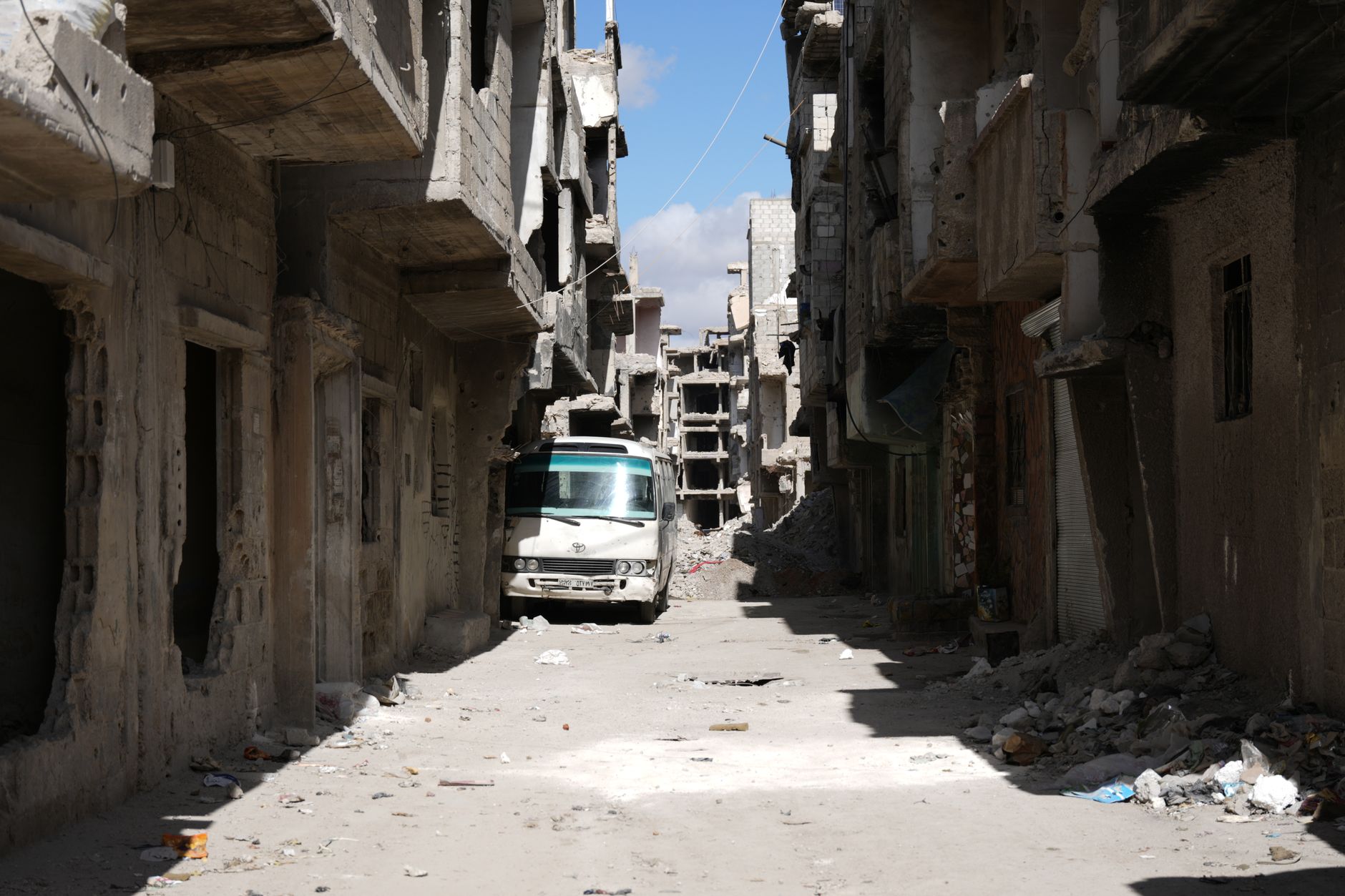
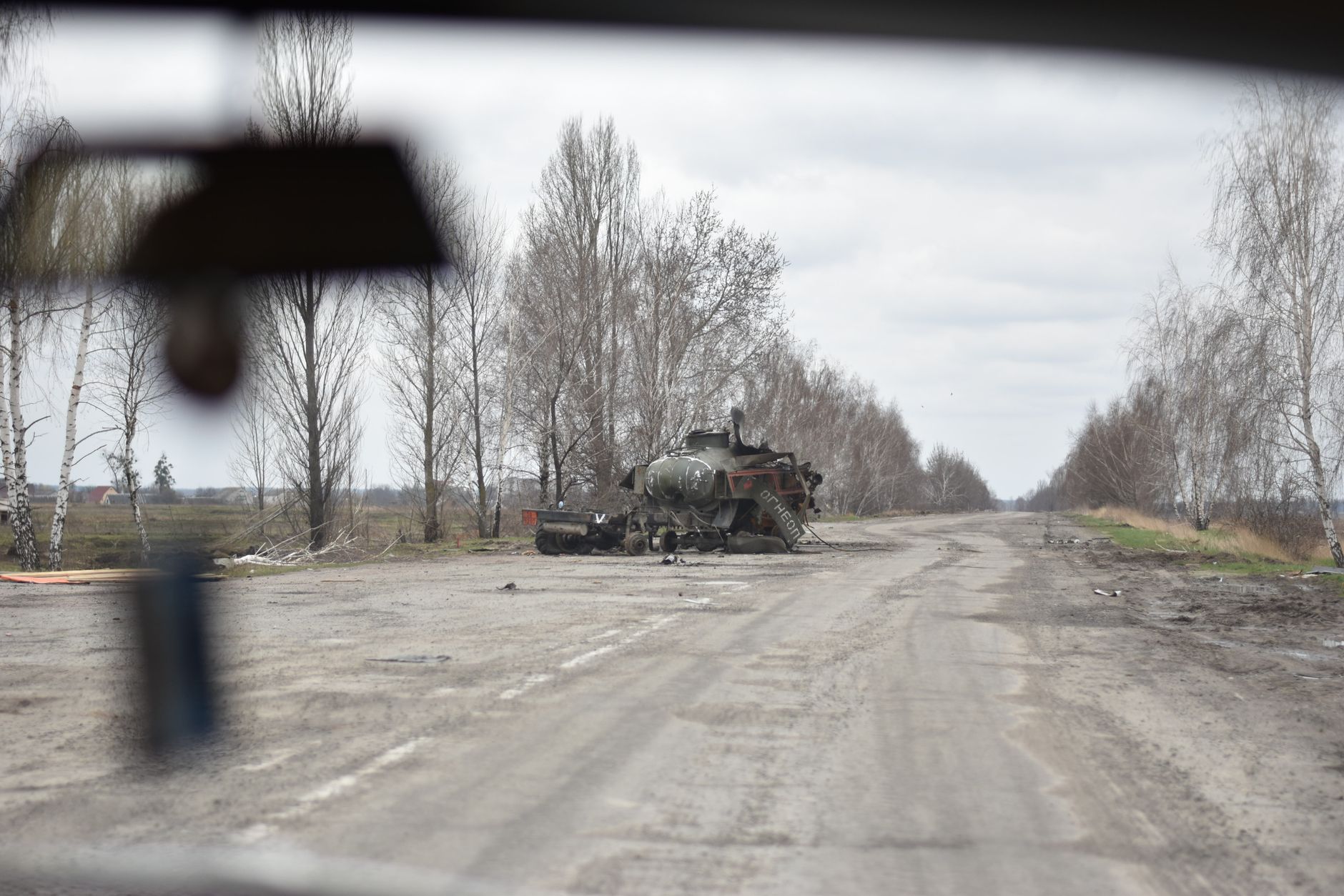
Consider the ongoing conflicts in Ukraine and the Middle East, which have disrupted supply chains, fueled energy price volatility, and exacerbated humanitarian crises. Historically, such widespread geopolitical instability would trigger immediate and severe economic contractions. However, while certain sectors and regions have undoubtedly suffered, the broader global economy has managed to maintain a surprising growth trajectory. This phenomenon points to an underlying robustness, perhaps driven by diversified global trade networks, rapid technological adoption, and the swift adaptation of businesses to new operational realities, effectively creating shock absorbers within the system.
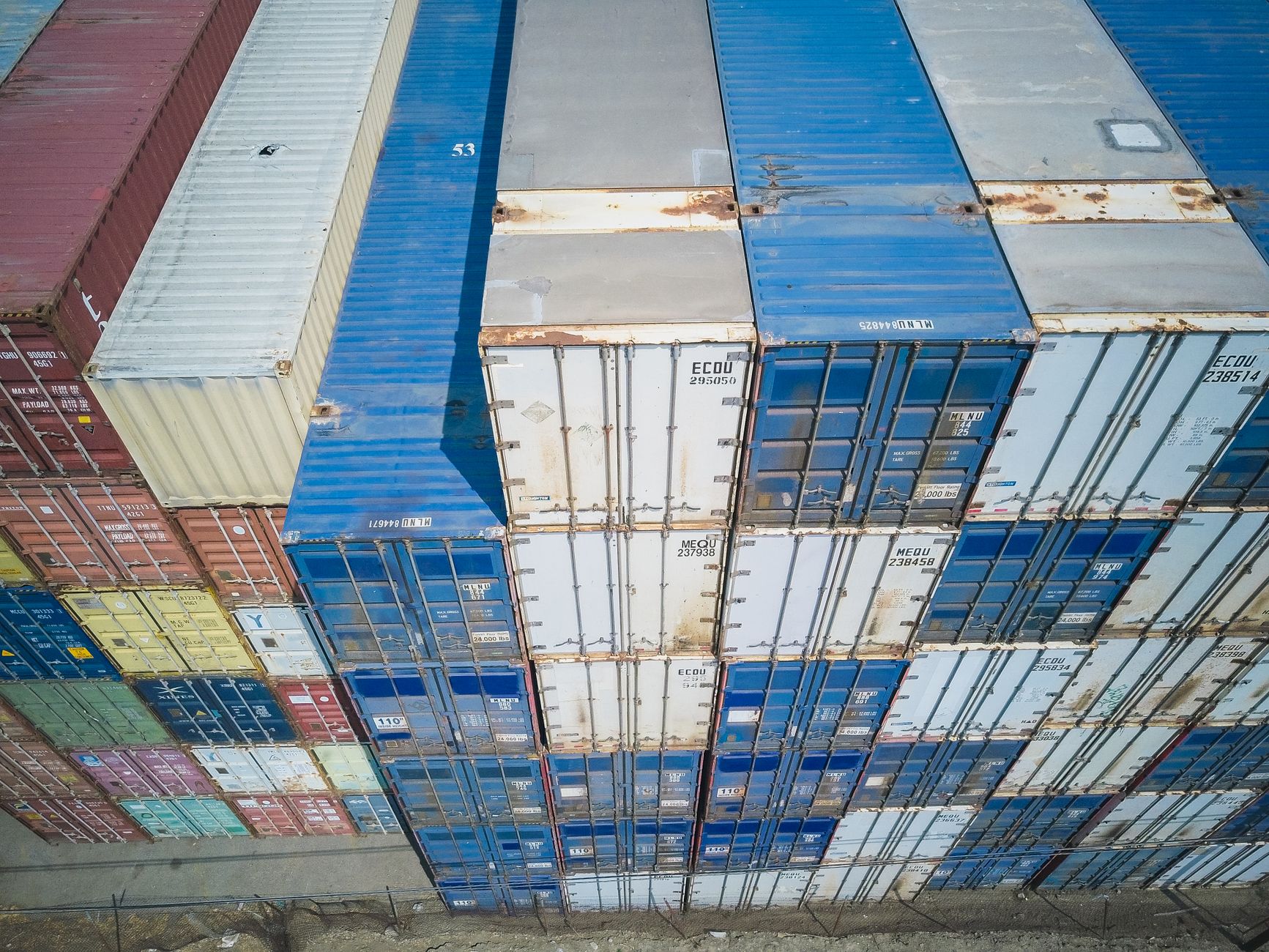
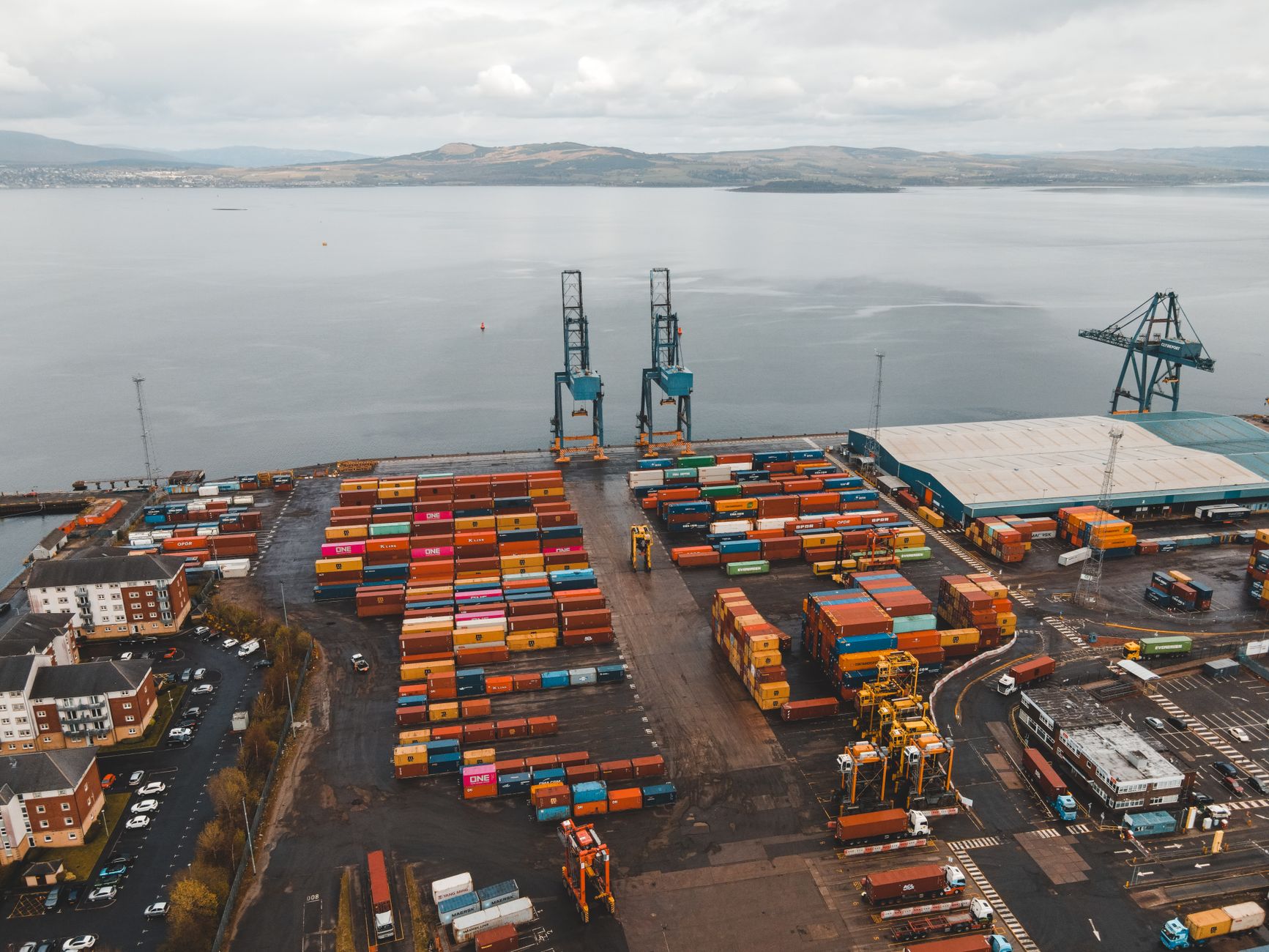
Moreover, the specter of trade protectionism, manifested through tariffs and retaliatory measures, has loomed large over international commerce. Despite these barriers, global trade volumes have largely held up, adapting through new routes and partnerships. The resilience of the global economy also owes much to strong domestic demand in major economies, particularly the United States and parts of Asia. Robust labor markets, rising wages, and sustained consumer spending have provided a critical counterbalance to external shocks, demonstrating that internal economic engines can, for a time, overpower significant international headwinds. This intricate interplay of factors paints a picture of an economy that is far more complex and adaptable than traditional models often suggest.
Who Knew and When
Early in 2022, as the conflict in Ukraine escalated, many leading financial institutions and international bodies, including the IMF and World Bank, issued stark warnings of a significant global slowdown, if not an outright recession. Their models, based on historical correlations between geopolitical shocks and economic performance, projected substantial contractions in GDP, particularly for energy-importing nations and those with close ties to the conflict zones. These initial assessments were largely driven by concerns over soaring energy prices, disrupted food supplies, and the fragmentation of global supply chains, all of which pointed towards a severe economic downturn.
By mid-2023, however, a noticeable shift began to occur in these projections. While initial concerns about inflation persisted, the actual economic data started to diverge from the more pessimistic forecasts. Stronger-than-expected labor markets, particularly in the U.S. and Europe, coupled with surprisingly resilient consumer spending, began to paint a different picture. Central banks, initially criticized for being slow to react to inflation, demonstrated a more agile approach, implementing aggressive interest rate hikes that, while painful, helped to cool demand without triggering a full-blown recession. This period marked a critical turning point where the observed reality began to challenge the prevailing expert consensus.
As 2024 unfolds, the narrative has largely solidified around the idea of a 'soft landing' or even a 'no landing' scenario, where the global economy continues to grow despite persistent challenges. Analysts who initially predicted a downturn have largely revised their outlooks, acknowledging the unexpected resilience. This evolution in understanding highlights the dynamic nature of economic forecasting and the difficulty in predicting the precise impact of unprecedented events. The ability of businesses and consumers to adapt, coupled with effective, albeit often controversial, policy interventions, has proven to be a more significant factor than many initially anticipated, underscoring the adaptive capacity of modern economic systems.
Voices from the Ground
Small business owners, often the first to feel the tremors of economic instability, express a mix of caution and determination. Maria Rodriguez, who runs a bustling bakery in Madrid, notes, "Ingredients costs have gone through the roof, especially flour and sugar. We've had to adjust prices, which is always a risk, but our customers have largely stuck with us. It's tough, but we've learned to be incredibly agile, sourcing from new suppliers and optimizing every process. There's a constant pressure, but also a sense that we can weather these storms if we're smart." Her sentiment reflects a widespread adaptability among SMEs, who are innovating to survive and even thrive.
In the energy sector, the mood is one of perpetual vigilance. A senior executive at a major European energy firm, who preferred to remain anonymous, stated, "The oil markets are a rollercoaster. One day, geopolitical tensions send prices soaring; the next, demand concerns bring them down. We're constantly re-evaluating our supply chains and investment strategies. The focus isn't just on securing supply, but on diversifying energy sources and investing in renewables to build long-term resilience. It's a high-stakes game where every decision is scrutinized against a backdrop of global instability." This highlights the strategic shifts occurring in critical industries.
Consumers, while feeling the pinch of inflation, have largely maintained their spending habits, albeit with some adjustments. Sarah Chen, a mother of two in Singapore, observes, "Everything feels more expensive, from groceries to petrol. We're definitely more mindful of our budget, cutting back on non-essentials and looking for deals. But we're not panicking. Jobs are still secure, and there's a general feeling that things will eventually stabilize. It’s about being pragmatic and making smart choices, rather than completely shutting down spending." This sustained consumer confidence is a critical factor underpinning the economy's unexpected strength, demonstrating a collective resilience in managing household finances.
The Debate
The unexpected resilience of the global economy has sparked a vigorous debate among economists and policymakers. One school of thought argues that the current stability is a testament to the fundamental strength of modern market economies, characterized by flexible labor markets, rapid technological innovation, and diversified global supply chains. Proponents of this view suggest that businesses and consumers have become adept at adapting to shocks, finding alternative sources, and leveraging digital tools to maintain productivity and trade flows, even in the face of significant disruption. They point to the swift recovery of certain sectors post-pandemic as evidence of this inherent adaptability.
Conversely, a more cautious perspective suggests that the current resilience is merely a temporary reprieve, masking deeper vulnerabilities. Critics argue that the global economy is running on borrowed time, propped up by unsustainable levels of government debt, lingering inflationary pressures, and the potential for new, unforeseen shocks. They warn that the cumulative effect of prolonged geopolitical tensions, coupled with the slow-burn impact of climate change and demographic shifts, could still trigger a more severe downturn. This viewpoint emphasizes the risks associated with complacency and calls for greater fiscal prudence and structural reforms to build genuine long-term resilience.
A third, more nuanced position acknowledges both the surprising adaptability and the persistent risks. This perspective suggests that the global economy is undergoing a significant transformation, moving towards a more regionalized and diversified structure. While this shift may offer some protection against global shocks, it also introduces new complexities and potential inefficiencies. The debate also extends to the role of monetary policy, with some arguing that central banks have deftly navigated a challenging environment, while others contend that their interventions have merely delayed the inevitable reckoning, creating asset bubbles and exacerbating wealth inequality. Understanding these differing viewpoints is crucial for grasping the multifaceted nature of the current economic landscape and anticipating future trajectories.
Your Questions Answered
What Accountability Looks Like
In an era where economic forecasts frequently miss the mark, accountability for both accurate predictions and effective policy responses becomes paramount. For international organizations like the IMF and World Bank, accountability means continually refining their economic models to better incorporate geopolitical risks, supply chain vulnerabilities, and the adaptive capacity of modern economies. It requires transparency in acknowledging forecasting errors and clearly articulating the evolving factors that influence their outlooks. This iterative process of learning and adjustment is crucial for maintaining credibility and providing actionable insights to member states, ensuring that their guidance remains relevant in a rapidly changing world.
National governments and central banks also face significant accountability. Governments are accountable for implementing fiscal policies that foster long-term stability, manage national debt responsibly, and invest in infrastructure and human capital that enhance economic resilience. Central banks, on the other hand, are accountable for their monetary policy decisions, ensuring they effectively manage inflation, maintain financial stability, and communicate their strategies clearly to the public. When policies fail to achieve their stated objectives, or when unforeseen economic shocks occur, a robust framework for review and adjustment is essential to learn from mistakes and improve future responses, thus building public trust.
Ultimately, accountability extends to the private sector and individual consumers. Businesses are accountable for adapting to new economic realities, diversifying their operations, and investing in sustainable practices that contribute to overall economic health. Consumers, too, play a role by making informed financial decisions and engaging in responsible spending. The collective actions of all stakeholders contribute to the global economy's ability to withstand shocks. Moving forward, a shared commitment to data-driven decision-making, transparent communication, and a willingness to adapt strategies based on real-world outcomes will be vital for navigating the complex and unpredictable economic landscape, ensuring a more stable and prosperous future for all.







Comments
No comments yet. Be the first to comment!